I was halfway through a midnight snack run, scrolling through Pinterest when a friend texted, “Do you know a dish that’s both comforting and classy?” I stared at my empty fridge, the faint smell of last night's pizza lingering, and decided to cook something that would make my taste buds dance. I grabbed fresh trout, a bag of pasta, and a splash of imagination. The kitchen lights flickered, the timer ticked, and I began to whisk my way to culinary bliss.
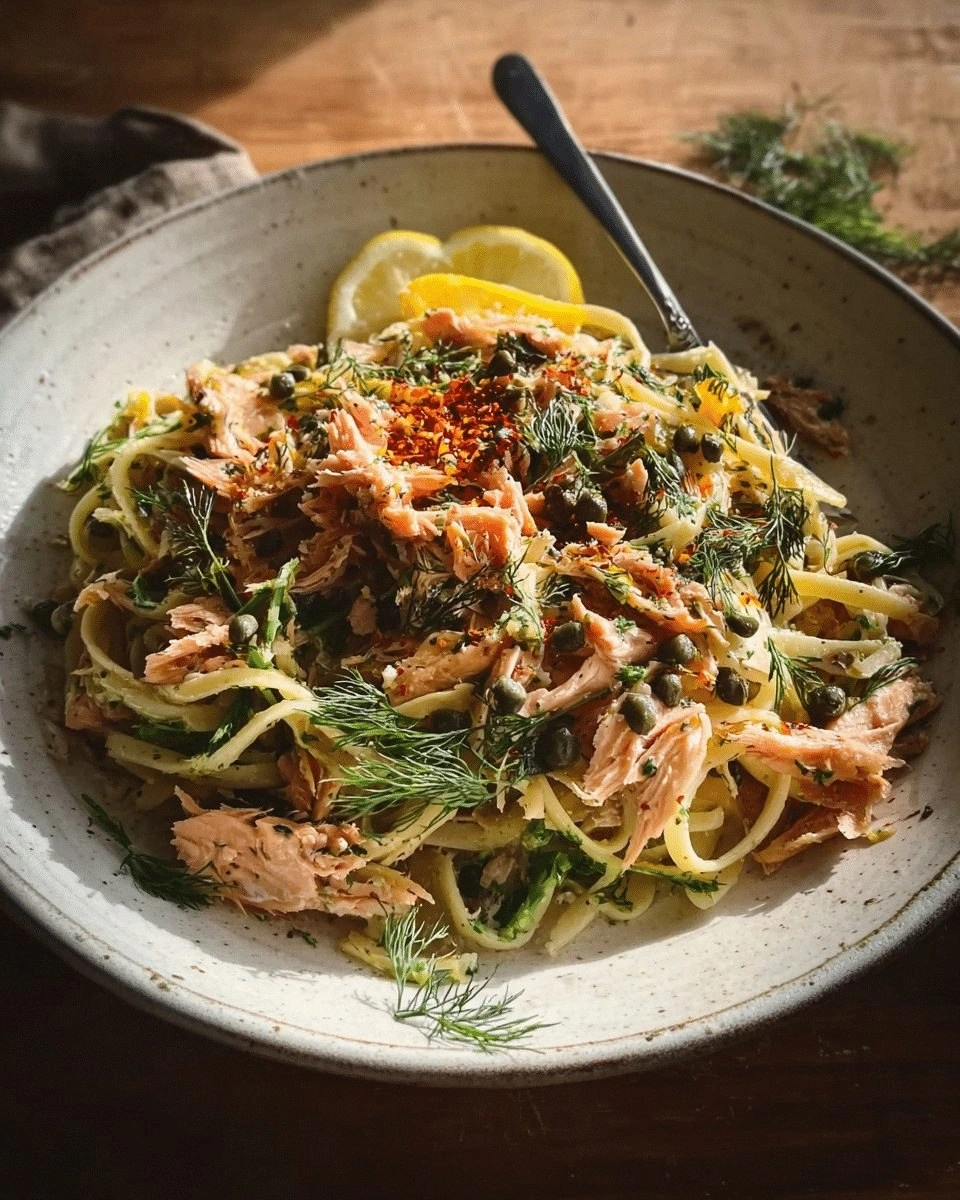
Picture this: a skillet sizzles, the aroma of garlic and olive oil rises like a promise. The trout flakes apart in a golden crust, the edges crisping like thin ice. The sauce thickens, coating each strand of pasta like velvet, and the finish is a bright burst of lemon zest that cuts through the richness. That sizzle when it hits the pan? Absolute perfection. I swear it was the soundtrack of a midnight triumph.
I’ve tried countless trout dishes—some bland, some overcooked, some just plain wrong. This version? It’s hands down the best version you’ll ever make at home. The secret? A delicate balance of cream, capers, and a whisper of dill that lifts the fish without drowning it. The sauce is silky, the trout flaky, and the pasta a perfect canvas. I dare you to taste this and not go back for seconds.
If you've ever struggled to bring out the natural flavor of trout, you're not alone—this recipe is the fix you’ve been waiting for. The method is straightforward, the ingredients are simple, and the result is a dish that feels like a midnight feast. Picture yourself pulling this out of the oven, the whole kitchen smelling incredible, and a plate that looks as good as it tastes. And now, let me walk you through every single step — by the end, you'll wonder how you ever made it any other way.
What Makes This Version Stand Out
- Flavor: The combination of creamy sauce, briny capers, and citrus zest creates a layered taste that is both bold and balanced.
- Texture: The trout’s skin turns a crisp, golden edge while the flesh remains moist, and the pasta is al dente with a silky coating.
- Ingredient Quality: Using fresh trout and high‑quality Parmesan elevates the dish to restaurant‑level.
- Speed: The entire process takes less than an hour, making it ideal for a late‑night craving.
- Versatility: You can swap trout for salmon or shrimp, and the sauce adapts beautifully.
- Make‑Ahead Friendly: The sauce can be prepared a day in advance, and the trout can be cooked just before serving.
- Visual Appeal: The dish’s deep green from spinach and bright yellow lemon zest looks as stunning as it tastes.
- Guest Reaction: Friends who have tried it swear it’s the most memorable trout dish they’ve had.
Inside the Ingredient List
The Flavor Base
Olive oil and minced garlic form the aromatic foundation that sets the stage for everything that follows. The oil’s subtle fruitiness enhances the trout’s delicate taste, while the garlic adds a warm, savory depth. If you skip garlic, you’ll miss that essential kick; the dish will feel flat and one‑dimensional. For a twist, try adding a pinch of smoked paprika to the garlic for a smoky undertone.
Heavy cream is the heart of the sauce, providing a luscious, velvety texture that clings to the pasta. Its richness balances the briny capers and bright lemon, creating a harmonious flavor profile. If you’re watching calories, substitute half‑cream, half‑milk for a lighter version, but be prepared for a slightly thinner sauce.
Parmesan cheese not only adds umami but also thickens the sauce with its natural emulsifying properties. It’s essential for that silkiness that coats every strand of pasta. If you’re vegan, a nutritional yeast blend can mimic the cheese’s flavor and texture, though the sauce will be slightly less creamy.
The Texture Crew
Trout fillets are the star; choose fresh, skin‑on fillets for maximum flavor. The skin crisps beautifully in the skillet, adding a satisfying crunch that contrasts with the tender flesh. If you prefer skinless, simply season the fillets and cook them until they flake easily—just be careful not to overcook.
Pasta—linguine or fettuccine—provides the canvas for the sauce. Cook it al dente to ensure it holds up against the buttery sauce without becoming mushy. If you’re a fan of a more robust bite, try whole‑wheat or gluten‑free pasta; the sauce will still cling nicely.
Breadcrumbs add a subtle crunch and help absorb excess moisture, keeping the sauce silky. Toast them lightly in butter for an extra nutty flavor. If you’re gluten‑free, use panko or crushed nuts as a crunchy alternative.
The Unexpected Star
Capers bring a salty, briny punch that cuts through the richness of the cream. Their tiny bursts of flavor are a revelation, turning a simple dish into something memorable. If capers are unavailable, a splash of anchovy paste or a few olives can provide a similar depth.
Fresh dill offers a bright, herbaceous note that lifts the entire dish. Its aroma is reminiscent of a summer garden, adding a layer of freshness that balances the cream. If you don’t have dill, parsley or tarragon can serve as a suitable substitute.
Lemon zest and juice provide acidity, brightening the sauce and preventing it from feeling too heavy. The zest’s aromatic oils are the star of the show, while the juice adds a subtle tartness. If you’re allergic to citrus, a splash of white wine vinegar can mimic the acidity.
The Final Flourish
A handful of fresh spinach adds color, nutrients, and a gentle earthiness that complements the fish. It wilts into the sauce, becoming silky and integrated. If you’re not a fan of greens, sautéed mushrooms or asparagus can replace spinach for a different texture.
Cherry tomatoes bring a pop of sweetness and acidity, creating a contrast that keeps each bite interesting. Their burst of juice adds a fresh dimension to the creamy sauce. If you’re in the off‑season, dried tomatoes can be rehydrated and used instead.
Red pepper flakes add a subtle heat that rounds out the flavors. A pinch is enough to give the dish a gentle kick without overwhelming the delicate trout. If you prefer a milder version, omit them entirely.
Everything's prepped? Good. Let's get into the real action.
The Method — Step by Step
- Heat a large skillet over medium heat and add 2 tablespoons of olive oil. As the oil warms, add the minced garlic and sauté until fragrant and just starting to brown—about 30 seconds. This step builds the aromatic base that will carry the flavors of the trout. The garlic should release a sweet, nutty aroma without burning.
- Season the trout fillets on both sides with salt and pepper. Place them skin‑side down in the skillet and cook for 3–4 minutes until the skin is golden and crisp. Flip carefully and cook for an additional 2–3 minutes until the flesh is opaque and flakes easily. The goal is a crisp exterior with a moist, flaky interior.
- Remove the trout from the skillet and set aside on a plate. In the same skillet, pour in 1 cup of heavy cream and bring to a gentle simmer over low heat. Stir frequently to prevent scorching. This simmering cream will become the silky sauce that drapes the pasta.
- Add 2 tablespoons of capers, the zest of one lemon, and 1 teaspoon of fresh dill to the cream. Stir until the capers are evenly distributed and the sauce begins to thicken slightly. The lemon zest releases bright citrus oils, while the dill adds a fresh herbal note.
- Simmer the sauce for 2–3 minutes until it reaches a silky consistency that coats the back of a spoon. Taste and adjust seasoning with salt, pepper, or a splash more lemon juice if desired. The sauce should be rich yet bright, not heavy or sour.
- Meanwhile, cook 8 ounces of linguine or fettuccine in a large pot of salted boiling water until al dente (about 9 minutes). Reserve 1/2 cup of pasta water, then drain the pasta. The reserved water will help loosen the sauce later.
- Add the cooked pasta to the skillet with the sauce, tossing to coat. If the sauce seems too thick, add a splash of reserved pasta water until the desired consistency is achieved. Fold in 1/4 cup of toasted breadcrumbs for a subtle crunch and 1/4 cup of fresh spinach for color and nutrition.
- Return the trout fillets to the skillet, nestling them among the pasta. Let everything heat together for 1–2 minutes so the trout re‑warms and the flavors meld. Plate the dish, garnish with a few fresh dill sprigs, and serve immediately.
That's it — you did it. But hold on, I've got a few more tricks that'll take this to another level.
Insider Tricks for Flawless Results
The Temperature Rule Nobody Follows
Many chefs think high heat is the key to a quick sear, but trout actually benefits from medium‑low heat to preserve moisture. Cooking on a lower flame ensures the skin crisps without drying out the flesh. I once cooked trout at high heat and ended up with a rubbery center—never again. Keep the skillet at medium and let the natural oils do the work.
Why Your Nose Knows Best
The aroma of a simmering sauce is a reliable indicator of progress. When the sauce starts to emit a buttery, slightly nutty smell, it's almost ready. Trust that scent; it's a natural cue that the cream has thickened and the flavors are marrying. Overcooking the cream can lead to a greasy texture, so watch the aroma closely.
The 5‑Minute Rest That Changes Everything
After removing the trout from the skillet, let it rest for 5 minutes before cutting. This short pause allows the juices to redistribute, ensuring every bite is moist. I used to slice right away, and the fish turned dry. The rest period is a simple step that dramatically improves texture.
The Secret Ingredient Swap
If you’re craving a smoky flavor, add a dash of smoked paprika to the sauce. It complements the trout’s natural sweetness without overpowering it. Swap the heavy cream for coconut milk for a tropical twist, but be prepared for a slightly sweeter sauce.
The Final Touch of Freshness
Finish the dish with a squeeze of fresh lemon juice just before serving. The acidity cuts through the richness and brightens every bite. A final sprinkle of chopped parsley adds a pop of color and an herbal note that elevates the plate.
Creative Twists and Variations
This recipe is a playground. Here are some of my favorite ways to switch things up:
Salmon Swap
Replace trout with salmon fillets for a richer flavor. Cook the salmon skin‑side down first, then follow the same sauce steps. The result is a heartier, more robust dish that still carries the creamy sauce.
Shrimp Finale
Use shrimp instead of trout for a quick, protein‑packed variation. Sauté the shrimp until pink, then add the sauce as usual. The shrimp’s sweet bite pairs wonderfully with the creamy, briny sauce.
Vegetarian Delight
Omit the fish entirely and add a generous amount of sautéed mushrooms and zucchini. The mushrooms absorb the sauce and provide a meaty texture. This version is perfect for vegetarians or as a side dish.
Mediterranean Twist
Add chopped sun‑dried tomatoes and Kalamata olives to the sauce. The olives bring a salty depth, while the tomatoes add sweetness. This variation gives the dish a distinctly Mediterranean flavor profile.
Spicy Kick
Incorporate a tablespoon of harissa paste or a handful of crushed red pepper flakes into the sauce. The heat balances the richness and adds a bold, fiery element. Serve with a side of cool cucumber yogurt to tame the spice.
Gluten‑Free Option
Swap the linguine for a gluten‑free pasta or spiralized zucchini noodles. The sauce still clings beautifully, and the dish remains light and satisfying. This version is ideal for those with gluten sensitivities.
Storing and Bringing It Back to Life
Fridge Storage
Cool the pasta and trout completely, then store them separately in airtight containers. The sauce can be kept in a sealed jar. Consume within 2 days for maximum freshness. Reheat gently on low heat, stirring to prevent separation.
Freezer Friendly
The sauce freezes well; place it in a freezer‑safe container and keep it separate from the pasta and fish. The trout can be frozen for up to a month. Thaw overnight in the refrigerator before reheating.
Best Reheating Method
Reheat the sauce in a saucepan over low heat, adding a splash of water or milk to loosen it. Stir frequently until it’s heated through and silky again. The trout should be warmed gently to avoid drying out.