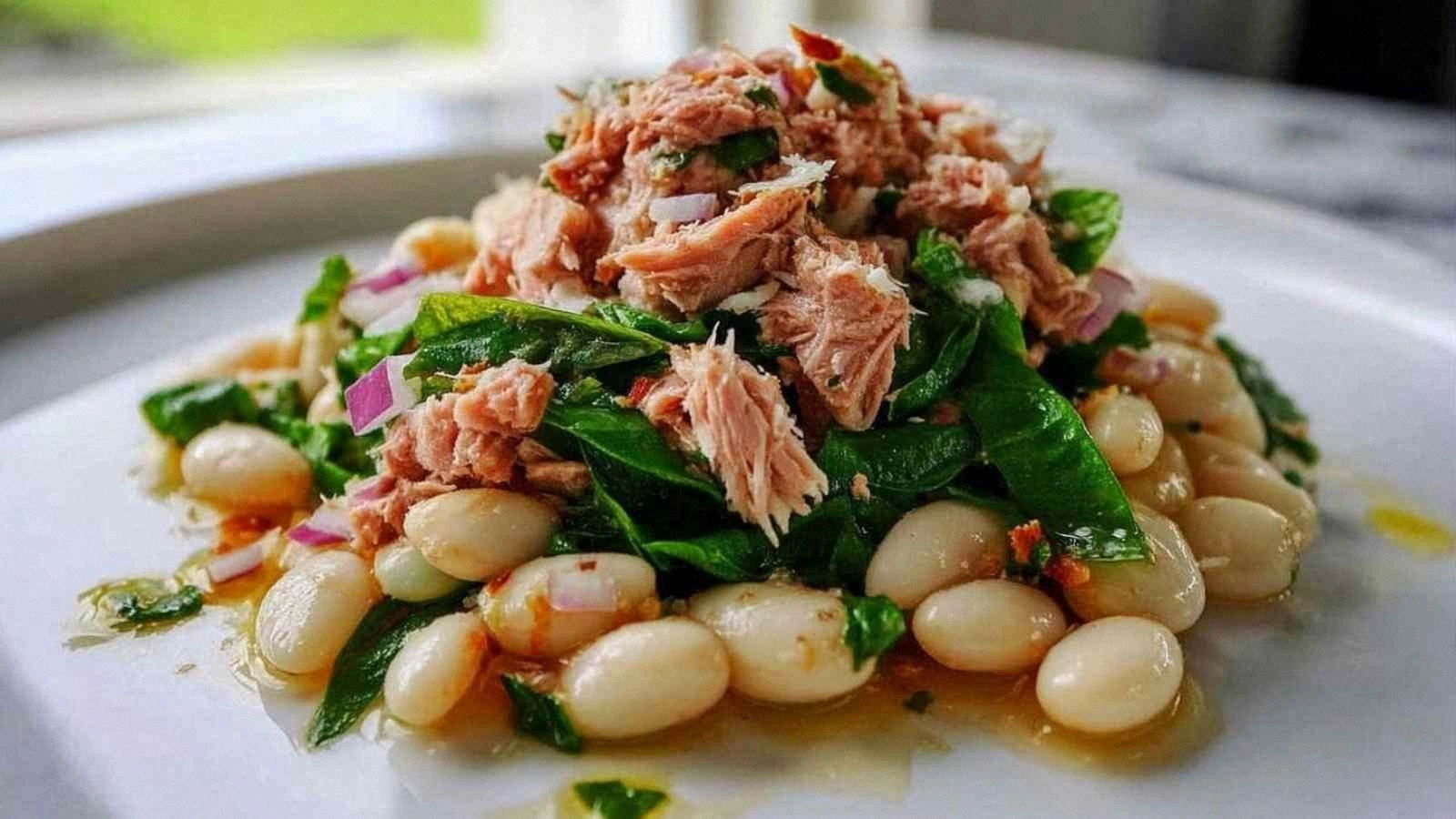
Picture yourself pulling this out of the fridge, the whole kitchen smelling incredible, and seeing the bright green of parsley dancing on the surface. The first bite is a harmonious blend of briny tuna, creamy beans, and a bright citrus kick that wakes up your taste buds. The texture is a delightful contrast: the beans are soft yet hold their shape, the tuna is flaky, and the parsley adds a subtle crunch. Most people think of tuna salad as a bland, soggy mess, but I’m here to prove that a few simple tweaks can elevate it to a dish worthy of a five-star restaurant. And now the fun part: I’ll show you how to make this salad in minutes, with no fancy ingredients, and with a few clever hacks that will make you feel like a kitchen wizard.
This version stands out because it balances flavor, texture, and nutrition in a way that feels indulgent yet healthy. It’s a dish that works perfectly for lunch, a quick dinner, or even as a side at a gathering. I’ve spent hours experimenting with different herbs and citrus ratios until I found the exact combination that brings out the best in each component. The result is a salad that feels both comforting and refreshing, a true crowd-pleaser that will have guests asking for seconds. The best part? It’s so simple that even a novice cook can nail it on the first try. Let’s dive into what makes this masterpiece so special.
What Makes This Version Stand Out
- Flavor: The bright lemon vinaigrette cuts through the richness of tuna, creating a citrusy lift that keeps the dish lively and fresh.
- Texture: Cannellini beans hold their shape, offering a creamy bite, while the tuna remains flaky and moist, preventing the dreaded mush.
- Simplicity: No cooking required; the salad comes together in minutes, making it ideal for busy weekdays or last‑minute gatherings.
- Ingredient Quality: Using tuna in olive oil adds a subtle depth of flavor and a silky mouthfeel that canned tuna in water can’t match.
- Make‑ahead Potential: The salad stays fresh for up to 48 hours when stored properly, making it a perfect prep‑and‑go option.
- Versatility: It pairs beautifully with crusty bread, a side of roasted veggies, or can be tossed with pasta for a hearty meal.
- Nutrition: Packed with protein and fiber, this salad is both satisfying and balanced, offering a lean protein source without excess calories.
- Presentation: The vibrant green parsley and bright yellow lemon zest give the dish a polished look that impresses even the most discerning diners.
Alright, let’s break down exactly what goes into this masterpiece…
Inside the Ingredient List
The Flavor Base
Tuna in olive oil is the star of the show; its briny essence is amplified by the olive oil’s subtle peppery undertones. The oil also acts as a binding agent, helping the tuna mingle seamlessly with the beans. If you prefer a lighter version, you can substitute tuna in water, but you’ll lose some of that rich, buttery finish. When selecting tuna, look for a brand that uses minimal additives and has a clean, fresh smell—this guarantees a better flavor profile.
Cannellini beans bring a creamy texture and a mild, slightly nutty flavor that complements the fish. They also add a significant protein boost, making the salad more filling and satisfying. If you can’t find cannellini beans, greatfellow or great Northern beans work as a close substitute, but their slightly sweeter taste might shift the overall profile. Always rinse canned beans thoroughly to remove excess sodium and improve their mouthfeel.
The Texture Crew
Red onion adds a sharp, slightly sweet bite that cuts through the richness of the tuna and beans. The half cup of finely diced onion is the perfect amount—enough to provide crunch without overwhelming the dish. If you’re sensitive to raw onion, blanch it briefly in hot water for 30 seconds to soften the bite while retaining color. The onion also brightens the visual appeal, adding a splash of crimson that draws the eye.
Fresh flat‑leaf parsley is essential for a burst of herbal freshness. The quarter cup of chopped parsley not only enhances the flavor but also introduces a subtle peppery note that balances the lemon. A pinch of dried oregano ties the Mediterranean vibe together, adding a hint of earthiness. If you’re out of parsley, a small amount of fresh basil or chives can substitute, but the overall flavor will shift slightly.
The Unexpected Star
Lemon juice is the secret weapon that ties all elements together. Two tablespoons of freshly squeezed juice provide enough acidity to brighten the dish without overpowering the tuna. The lemon’s bright, zesty aroma also signals freshness to your palate. If you can’t find fresh lemons, bottled lemon juice is acceptable, but it will lack the natural brightness of a fresh squeeze.
Extra virgin olive oil, three tablespoons, adds body and silky texture. It also helps the vinaigrette coat the beans and tuna evenly, ensuring each bite is rich but not heavy. A splash of oil also helps preserve the salad’s freshness when stored in the fridge. For a lower‑fat version, reduce the oil to two tablespoons, but expect a slightly drier texture.
The Final Flourish
Dijon mustard, one teaspoon, brings a subtle tang and a slight heat that cuts through the oil. It also acts as an emulsifier, helping the vinaigrette cling to the beans and tuna. If you’re a fan of extra kick, a dash of hot sauce can replace the mustard, but be careful not to overpower the delicate balance. Salt and black pepper finish the seasoning; they’re essential but should be added to taste, as the tuna and beans already contain some sodium.
Everything’s prepped? Good. Let’s get into the real action…
The Method — Step by Step
- Begin by opening the two cans of tuna in olive oil. Gently press each can to remove excess liquid, then transfer the tuna into a large mixing bowl. Use a fork to break it into bite‑sized flakes, being careful not to crush it into mush. The oil will remain in the bowl, creating a luscious base that coats the beans and parsley.
- Add the drained cannellini beans to the bowl. If you prefer a smoother texture, you can mash half of the beans with a potato masher, leaving the rest whole for contrast. This step is optional, but it creates a delightful mix of creamy and firm bites that keep the salad interesting.
- Dice the red onion finely and sprinkle it over the tuna and beans. Toss gently to distribute the onion evenly, ensuring each forkful receives a hint of its sharp, sweet bite. The onion adds crunch and a subtle zing that enhances the overall flavor profile.
- Chop the flat‑leaf parsley and add it to the bowl. Stir in the dried oregano and a pinch of black pepper. This herbaceous mix brightens the dish and introduces a subtle earthiness that balances the citrus.
- Squeeze fresh lemon juice into the bowl, making sure to remove any seeds. The acidity should be bright enough to lift the flavors but not so strong that it overwhelms the tuna. If the mixture seems dull, add a splash more lemon juice; the key is to find that perfect brightening point.
- Whisk in the Dijon mustard, then slowly drizzle in the extra virgin olive oil while stirring continuously. This emulsion will bind the flavors together, creating a silky coating that clings to each ingredient. The mixture should look glossy and slightly thick, like a vinaigrette.
- Season with salt to taste, remembering that the tuna and beans already contain some sodium. A pinch of freshly ground black pepper adds depth and a subtle heat. Taste the salad; adjust the seasoning as needed to achieve a balanced, bright flavor.
- Cover the bowl with plastic wrap and refrigerate for at least 15 minutes to allow the flavors to meld. This short resting period lets the lemon and herbs infuse the tuna and beans, resulting in a more cohesive dish. When you’re ready to serve, give the salad a gentle toss to redistribute the dressing.
That’s it — you did it. But hold on, I’ve got a few more tricks that’ll take this to another level, ensuring every bite is a revelation.
Insider Tricks for Flawless Results
The Temperature Rule Nobody Follows
Even though the salad is served cold, the initial temperature of the tuna can affect the final texture. If you’re using freshly opened tuna, let it sit at room temperature for a few minutes before flaking. This allows the oil to spread more evenly, resulting in a richer mouthfeel. If you’re in a rush, a quick rinse under cold water will cool the tuna instantly, preventing it from becoming too oily.
Why Your Nose Knows Best
Smell the vinaigrette before you toss the salad. A fresh lemon scent indicates proper acidity, while a faint oil smell suggests the dressing is balanced. If the vinaigrette smells too oily, add a splash of lemon or a pinch more mustard to bring it back into harmony. Trusting your nose can save you from a bland or greasy salad.
The 5‑Minute Rest That Changes Everything
After tossing the salad, let it rest for exactly five minutes before serving. This short period allows the flavors to mingle, the lemon to soften slightly, and the beans to absorb the dressing fully. It also gives the tuna a chance to re‑hydrate if it’s been in oil for a while, ensuring each bite is juicy.
The Secret of Fresh Parsley
Parsley is a fickle herb; it wilts quickly if left too long. To keep it crisp, add it after the dressing is fully incorporated. If you prefer a more robust flavor, let the parsley sit in the dressing for a minute before tossing. This small adjustment intensifies the herbal note without compromising texture.
Balancing Salt Without Overdoing
Since canned tuna and beans already contain sodium, it’s easy to over‑salt. Start with a light pinch of salt, taste, and adjust. If you’re watching sodium, use a salt substitute or reduce the amount of canned tuna slightly. The goal is to enhance flavors, not mask them with salt.
The Final Toss Technique
When tossing the salad, use a gentle, circular motion with a large spoon or tongs. This technique helps the dressing coat every ingredient evenly without crushing the beans. A quick, 30‑second toss is sufficient; over‑tossing can break the tuna into a mush.
Creative Twists and Variations
This recipe is a playground. Here are some of my favorite ways to switch things up:
Mediterranean Crunch
Swap the red onion for finely diced cucumber and add a handful of kalamata olives. Toss in a tablespoon of capers for a briny punch. Serve over a bed of mixed greens for a light, refreshing lunch.
Pasta Power
Cook a cup of your favorite pasta (spaghetti, penne, or fusilli) until al dente, then cool it under cold water. Mix the pasta with the tuna salad for a hearty, protein‑packed meal that’s perfect for a quick dinner.
Asian Twist
Replace the lemon with lime juice and stir in a tablespoon of soy sauce. Add a sprinkle of toasted sesame seeds and thinly sliced green onions. The result is a bright, umami‑rich salad that pairs well with sushi or rice bowls.
Breakfast Boost
Serve the salad over a bed of sautéed spinach and top with a poached egg. The creamy yolk adds richness, making this a satisfying, protein‑dense breakfast that keeps you full until lunch.
Vegan Variation
Replace tuna with a scoop of mashed chickpeas or a handful of marinated tofu cubes. Use a vegan mayo or tahini‑based dressing instead of the olive oil. This version offers a similar texture and protein content while remaining plant‑based.
Gluten‑Free Gourmet
Serve the salad on a bed of quinoa or with gluten‑free crackers. The nutty flavor of quinoa complements the citrusy dressing, creating a wholesome, gluten‑free option that satisfies any dietary preference.
Storing and Bringing It Back to Life
Fridge Storage
Store the salad in an airtight container in the refrigerator for up to 48 hours. The dressing will firm up slightly, so give it a quick stir before serving. Adding a splash of water or a drizzle of olive oil before reheating can help restore the original texture.
Freezer Friendly
Freezing is not ideal for this salad due to the beans, but if you must, pack it in a freezer‑safe container and freeze for no longer than 2 weeks. Thaw overnight in the refrigerator, then stir in fresh lemon juice and a touch of olive oil to revive the dressing.
Best Reheating Method
If you prefer a slightly warm salad, gently heat the mixture in a skillet over low heat, stirring constantly. Avoid high heat, which can break down the beans and make the tuna dry. A quick 2‑minute warm‑up will bring out the flavors without compromising texture.