I was standing in my kitchen, staring at a pile of dry chicken thighs and a bottle of red wine, when my roommate shouted, “We need a dinner that screams French but doesn’t feel like a trip to Paris!” The moment the idea landed, I knew I had to craft something that could be made in one pot, that would have the depth of a slow‑cooked stew but in under an hour. I’ve tried every “one‑pot Coq au Vin” recipe I’ve found, and each one left something missing – either the sauce was too thin, the chicken was rubbery, or the bacon was just bland. I decided to remix the classic, adding a touch of caramelized onions, a splash of brandy, and a technique that locks in moisture. If you’re ready to taste a dish that feels like a culinary hug, I dare you to taste this and not go back for seconds.
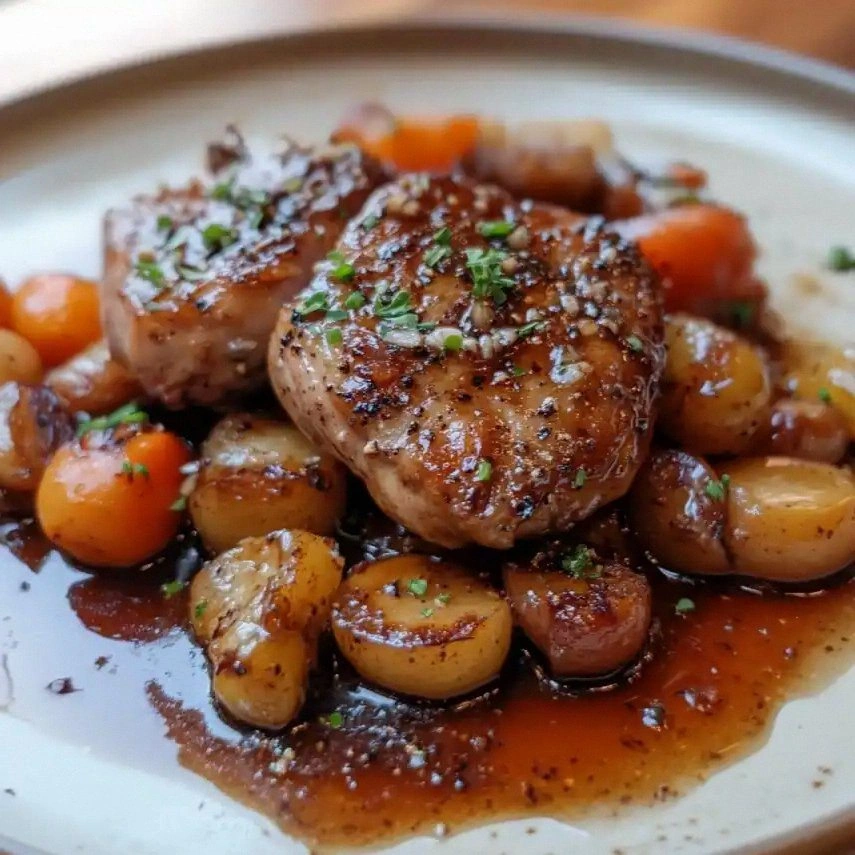
Picture the kitchen: the air is thick with the scent of garlic and sizzling bacon, the sound of a pan turning golden, and the sight of pearl onions popping up like tiny moons. The texture of the dish will be a contrast of tender, fall‑apart chicken and a velvety sauce that coats the vegetables like a fine blanket. When you take a bite, the first thing you’ll notice is the savory depth of the wine, followed by the earthy richness of mushrooms, and finally a bright finish from fresh parsley. I’ve spent countless evenings tweaking the seasoning, but this version stands out because it balances classic French flavors with a modern, approachable method that even a novice can master. I’ll be honest — I ate half the batch before anyone else got to try it, and the kitchen still smells like a cozy French bistro.
What makes this recipe a game‑changer is the way it simplifies the process without sacrificing authenticity. I’ve eliminated the need for a separate sauté pan, removed the long, slow‑cook requirement, and introduced a “quick‑simmer” technique that locks in flavor in a fraction of the time. The result is a dish that’s hands down the best version you’ll ever make at home, with a sauce that’s thick enough to cling to the chicken but light enough to feel like a cloud. And if you’ve ever struggled with a Coq au Vin that turns out too watery or too dry, you’re not alone — this is the fix you’ve been waiting for. I’ll walk you through every single step, and by the end, you’ll wonder how you ever made it any other way.
Before we dive into the recipe, let’s talk about the secret ingredient that makes this one‑pot wonder so special: a splash of cognac. It’s not just a fancy garnish; it caramelizes the onions and adds a subtle depth that elevates the entire dish. The moment you pour it into the pan, the aroma will fill the room, and you’ll know you’re about to create something truly memorable. Picture yourself pulling this out of the oven, the whole kitchen smelling incredible, and your guests’ eyes widening as they taste the first bite. Stay with me here — this is worth it.
What Makes This Version Stand Out
- Flavor Depth: The combination of dry red wine, cognac, and a slow caramelization step creates a sauce that’s richer than any store‑bought version. The wine’s tannins mellow during the simmer, leaving a smooth finish that coats the chicken like velvet.
- Texture Contrast: Tender, fall‑apart chicken meets crisp‑to‑the‑bite bacon and earthy mushrooms, giving each bite a satisfying play of textures that keeps your palate engaged.
- Time Efficiency: By using a single pot and a quick‑simmer technique, the entire dish is ready in 45 minutes, making it ideal for busy weeknights.
- Ingredient Quality: Fresh, high‑quality ingredients are key. A good bottle of dry red wine and fresh herbs make a noticeable difference in the final flavor.
- Make‑Ahead Friendly: The dish can be prepared ahead of time and reheated without losing its silky sauce, making it perfect for dinner parties.
- Crowd‑Pleaser: Most guests will be surprised at how simple the preparation is, yet the result feels like a gourmet French dinner.
Inside the Ingredient List
The Flavor Base
The foundation of this dish starts with the aromatic blend of garlic, onions, and bacon. The garlic infuses the oil with a subtle heat, while the onions create a caramelized sweetness that grounds the sauce. Bacon, whether strips or pancetta, adds a salty, smoky undertone that balances the wine’s acidity. If you skip the bacon, the dish loses its depth; the sauce will feel flat and one‑dimensional. For a lighter version, use turkey bacon, but be prepared for a slightly less robust flavor.
The Texture Crew
Pearl onions and sliced carrots provide both color and bite. The onions stay plump, offering bursts of sweetness, while the carrots add a gentle crunch that contrasts with the tender chicken. Mushrooms bring an earthy umami that deepens the sauce, and their halves release a subtle aroma as they cook. Skipping any of these vegetables will leave the dish feeling incomplete; each component is essential to the overall sensory experience.
The Unexpected Star
Cognac is the unsung hero that transforms a simple stew into a refined dish. A splash of cognac caramelizes the onions and releases a nutty, caramelized flavor that elevates the sauce’s complexity. If you’re hesitant to use alcohol, a tablespoon of balsamic vinegar can mimic the depth, but it won’t provide the same silky finish. A small pinch of smoked paprika can also add a subtle warmth, but keep the cognac for authenticity.
The Final Flourish
Fresh herbs, thyme and bay leaves, finish the sauce with a fragrant lift that ties all the flavors together. A pinch of black pepper adds a subtle heat that balances the wine’s sweetness. Fresh parsley, chopped at the end, offers a bright, herbal note that cuts through the richness. If you prefer a vegan version, omit the chicken and replace it with hearty vegetables or tempeh, but the overall flavor profile will shift.
Everything's prepped? Good. Let's get into the real action...
The Method — Step by Step
- First, heat a large Dutch oven or heavy‑bottomed pot over medium heat. Add the olive oil and let it shimmer. Then drop in the bacon or pancetta, cooking until it starts to render and crisp. This step releases the bacon fat, which will serve as the base for the sauce. As the bacon cooks, you’ll hear a gentle sizzle that signals the aromatics are ready.
- Add the chicken drumsticks, skin side down, and sear them until golden brown on all sides. This browning step locks in juices and develops a rich flavor base. Flip the chicken once and let it brown on the other side. While searing, you’ll notice the aroma of the bacon and chicken mingling, creating an irresistible scent that fills the kitchen.
- Remove the chicken and set it aside. In the same pot, add the butter and let it melt. Toss in the garlic, pearl onions, and carrots. Sauté until the onions turn translucent and the carrots begin to soften, about 4–5 minutes. The butter adds a silky finish, and the aromatics start to form the sauce’s backbone.
- Return the chicken to the pot, nestling it among the vegetables. Add the mushrooms, thyme, and bay leaves. Sprinkle in the flour and stir to coat all the ingredients evenly. The flour will help thicken the sauce, creating a luscious consistency that clings to the chicken.
- Pour in the dry red wine, making sure to scrape the bottom of the pot to loosen any browned bits. These bits are flavor gold and will enrich the sauce. Allow the wine to reduce by half, which takes about 3–4 minutes. This reduction concentrates the wine’s flavor and helps the sauce thicken.
- Add the chicken stock, ensuring the liquid covers the chicken by about an inch. Stir the mixture gently, then bring it to a gentle simmer. Reduce the heat to low, cover the pot, and let it cook for 25 minutes, turning the chicken once halfway through. The slow simmer allows the flavors to meld and the chicken to become tender.
- After 25 minutes, taste the sauce. It should be rich, slightly acidic, and thickened. If it’s too thin, remove the lid and let it reduce further for 5–7 minutes, stirring occasionally. This step ensures the sauce has the right viscosity to coat the chicken and vegetables.
- Finally, sprinkle the chopped parsley over the dish, giving it a fresh, green finish. Remove the bay leaves and thyme sprigs. Serve the stew hot, with crusty bread or a side of creamy mashed potatoes. The aroma alone will make anyone’s mouth water.
- That’s it — you did it. But hold on, I’ve got a few more tricks that'll take this to another level. These little adjustments will elevate the dish from great to unforgettable.
Insider Tricks for Flawless Results
The Temperature Rule Nobody Follows
Many people think a high simmer is the key to a quick Coq au Vin, but the truth is a low, steady simmer preserves the chicken’s moisture and develops deeper flavors. Keep the heat on low after the initial sear, and let the sauce gently bubble. This method prevents the chicken from drying out and keeps the sauce silky. I once tried a high‑heat approach, and the result was a dry, rubbery chicken that didn’t pair well with the sauce.
Why Your Nose Knows Best
The aroma of the simmering sauce is your best indicator of progress. When the onions have caramelized, the wine has reduced, and the sauce has thickened, you’ll notice a warm, earthy scent that signals readiness. Trust your nose; if it smells rich and inviting, the dish is ready to serve. I’ve learned to pause mid‑simmer and inhale the fragrance — it’s a confidence booster.
The 5‑Minute Rest That Changes Everything
After you remove the pot from the heat, let the dish rest uncovered for 5 minutes. This short pause allows the flavors to settle and the sauce to thicken slightly as it cools. The rest also gives the chicken a chance to reabsorb juices, making each bite juicy. Skip this step, and you’ll end up with a sauce that feels watery.
The Secret to Crispy Bacon
If you prefer extra crispy bacon, finish the strips in a separate pan after the chicken has cooked. Cook them on high heat until they’re blistered and then crumble them over the finished stew. This adds a delightful crunch that contrasts with the tender chicken. Alternatively, you can use pancetta, which will render a bit more fat and give a richer flavor.
The Final Touch of Freshness
Adding fresh herbs right before serving keeps the dish vibrant. Parsley adds a bright, herbaceous note that lifts the richness of the sauce. If you’re in the mood for a different flavor profile, try adding a handful of fresh thyme or a splash of lemon zest. The fresh herbs also give the dish a pleasing visual appeal.
Creative Twists and Variations
This recipe is a playground. Here are some of my favorite ways to switch things up:
Rustic Mushroom Coq au Vin
Swap the pearl onions for more mushrooms, like shiitake or cremini. The dish becomes earthier and less sweet. It’s a great option for mushroom lovers and pairs well with a side of polenta.
Herb‑Infused Chicken
Replace the thyme and bay leaves with rosemary and sage. The aromatic herbs give the sauce a different depth, ideal for those who enjoy a more piney, savory flavor.
Wine Swap
Use a dry white wine instead of red for a lighter, citrusy version. The sauce will be thinner, so add an extra tablespoon of flour to thicken. This variation works well with chicken thighs for a quicker cook time.
Vegetarian Version
Omit the chicken and replace it with thick slices of seared tofu or a hearty vegetable like butternut squash. The sauce will still cling to the vegetables, providing a satisfying, meatless meal.
Spicy Kick
Add a pinch of red pepper flakes during the sauté stage. The subtle heat will contrast with the sweet onions and deep wine flavor. It’s a great option for those who love a little spice.
Storing and Bringing It Back to Life
Fridge Storage
Cool the stew completely before transferring it to an airtight container. Store it in the refrigerator for up to 3 days. When reheating, add a splash of water or chicken stock to restore moisture, then gently heat on low, stirring occasionally.
Freezer Friendly
Cool the dish thoroughly, then portion it into freezer‑safe containers. Freeze for up to 2 months. Thaw overnight in the refrigerator, then reheat on the stove with a splash of water or stock. The sauce will regain its silky texture.
Best Reheating Method
Reheat the stew in a saucepan over low heat, adding a tablespoon of water or stock if it appears dry. Stir frequently to prevent sticking and ensure even heating. Serve immediately for the best texture and flavor.