I remember the night I tried to impress my roommate with a quick dinner and ended up with a half‑cooked chicken that smelled like a burnt matchbox. The kitchen was a chaos of sizzling oil and a frantic search for a way to salvage the meal. I stared at the pan, realizing that the secret to a quick, crowd‑pleasing dish is not in the ingredients but in how you orchestrate them. That disaster turned into a revelation: a single, simple stir‑fry that can be whipped up in under 45 minutes, yet feels like a five‑star restaurant experience.
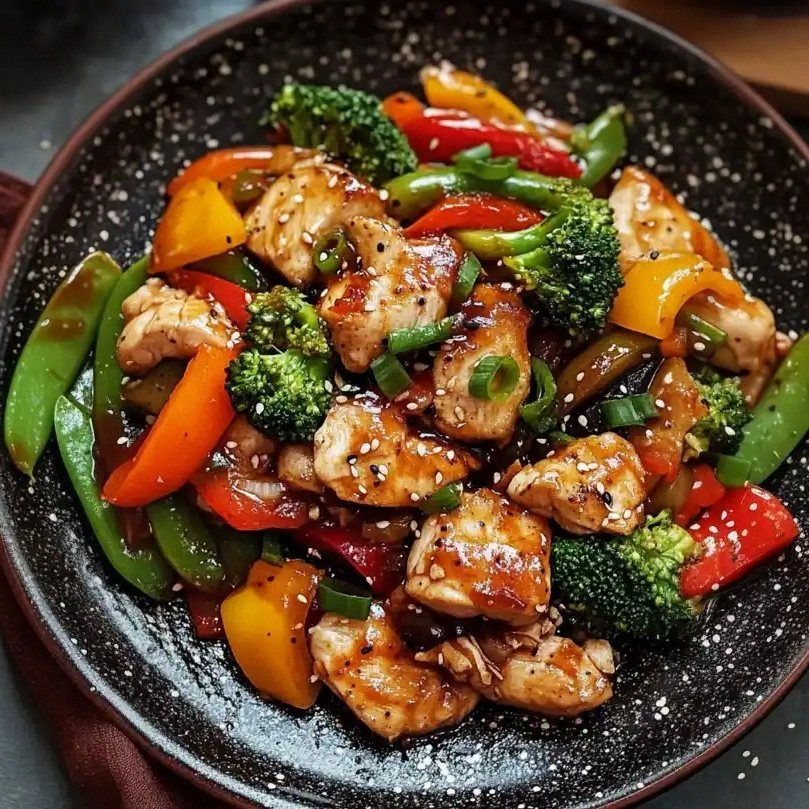
Picture this: the first sizzle as the chicken hits the hot wok, the aroma of garlic and ginger instantly flooding the room, the sound of vegetables crisping in a rhythmic dance, and the sight of vibrant colors that look like a rainbow exploded on a plate. The texture is a perfect contrast—juicy chicken, tender yet crisp veggies, and a sauce that clings to each bite like a silky hug. The taste is an explosion of umami, sweet, and a subtle tang that lingers, leaving you craving more. The heat is just enough to tease your palate without burning it, and the finish is a glossy sheen that invites a second plate.
What makes this version stand out is that every element is carefully chosen to elevate the dish without overcomplicating it. The sauce is a masterstroke of sweet and savory, the chicken is marinated to lock in moisture, and the veggies are prepped to cook in perfect harmony. I dare you to taste this and not go back for seconds. It’s hands down the best version you'll ever make at home, and it’s so straightforward that even a culinary novice can pull it off.
The trick that sets it apart is a little-known technique: a quick cornstarch slurry that thickens the sauce in seconds, giving it that glossy, velvety coat that makes every bite feel indulgent. I’ll walk you through each step—by the end, you’ll wonder how you ever made it any other way. Stay with me, and let’s turn this simple stir‑fry into a flavor fireworks show.
What Makes This Version Stand Out
- Flavor: The sauce balances sweet, salty, and umami in a way that’s both comforting and exciting. It’s not overpowering, but it lingers on the tongue like a well‑played jazz solo.
- Texture: Every bite delivers a satisfying crunch from the veggies and a tender bite from the chicken, all coated in that glossy sauce that doesn’t stick or separate.
- Simplicity: With just a handful of pantry staples and a single pan, you can create a restaurant‑quality meal in half the time.
- Uniqueness: The use of sesame oil and crushed red pepper flakes gives it a subtle nutty warmth and a hint of heat that keeps the dish from feeling generic.
- Crowd Reaction: Friends rave about how the flavors pop, and even the picky eaters can’t resist the colorful veggies.
- Ingredient Quality: Fresh produce and high‑quality soy sauce make the difference between a good stir‑fry and an unforgettable one.
- Make‑Ahead Potential: The dish stays delicious when reheated, making it perfect for busy weeknights or meal‑prep enthusiasts.
Inside the Ingredient List
The Flavor Base
The foundation of any great stir‑fry is its sauce, and here we’re using low‑sodium soy sauce, honey, rice vinegar, sesame oil, and a splash of cornstarch. The soy sauce brings depth and a savory backbone, while the honey adds a natural sweetness that balances the acidity of the vinegar. Sesame oil gives a nutty aroma that elevates every bite, and the cornstarch slurry ensures the sauce clings to the chicken and veggies without becoming watery. Skipping any of these will leave the dish feeling flat; the harmony of these flavors is what makes the dish sing.
If you’re looking for a low‑sugar option, substitute the honey with maple syrup or a touch of brown rice syrup. For a more complex umami profile, add a teaspoon of oyster sauce or a splash of fish sauce. Remember, the key is to taste as you go—adjust the sweetness or saltiness to match your palate.
The Texture Crew
Chicken breast or thighs are the star protein; the choice depends on your preference for lean versus flavorful. Thighs offer more moisture and a richer taste, while breast keeps the dish lighter. The vegetables—red and yellow bell peppers, zucchini, broccoli, carrot, snap peas—provide a rainbow of colors and a spectrum of textures. Each vegetable has a different cooking time, so we’ll stagger them to keep them crisp yet tender.
If you’re short on time, pre‑slice the veggies in a single batch and store them in an airtight container. For a vegan version, replace the chicken with firm tofu or tempeh, and use a plant‑based soy sauce. The key is to cut everything into uniform pieces so they cook evenly.
The Unexpected Star
The crushed red pepper flakes add a subtle heat that cuts through the sweetness and balances the dish. It’s not a fiery kick, but a gentle warmth that makes the stir‑fry feel alive. Green onions, added at the end, provide a fresh, sharp finish that brightens the plate. Sesame seeds sprinkle a nutty crunch that’s both visual and textural.
If you’re sensitive to spice, reduce the pepper flakes or omit them entirely. Conversely, for a heat lover, double the amount and add a dash of sriracha for an extra punch. The flexibility of these ingredients makes the recipe adaptable to any taste preference.
The Final Flourish
The final touch is a splash of water and a quick stir to re‑emulsify the sauce, ensuring every bite is coated in that glossy, silky glaze. This step also helps to keep the vegetables from drying out during the final simmer. The result is a dish that looks as good as it tastes—bright, vibrant, and irresistibly fragrant.
Everything’s prepped? Good. Let’s get into the real action and bring that flavor to life.
The Method — Step by Step
- Step 1: Marinate the Chicken. Cut the chicken into bite‑size pieces and toss with 1 tablespoon of soy sauce, 1 teaspoon of cornstarch, and a pinch of pepper. Let it rest for 10 minutes while you prep the veggies. This brief marination locks in moisture and adds a subtle umami flavor that permeates the meat. I dare you to taste the chicken before it hits the pan—there’s a faint, savory note that’s almost intoxicating.
- Step 2: Prepare the Vegetables. Slice the bell peppers into thin strips, peel and slice the zucchini into half‑moon shapes, cut the carrot into julienne sticks, and separate the broccoli into small florets. Toss the snap peas in a pinch of salt. The goal is uniform size so that everything cooks evenly and stays crisp. If you’re in a hurry, pre‑chop the veggies the night before and store them in the fridge.
- Step 3: Heat the Wok. Add 1 tablespoon of vegetable oil to a hot wok or large skillet and swirl to coat. Once the oil shimmers, add the marinated chicken and stir‑fry for 3–4 minutes until it’s browned on all sides. The chicken should release its juices and start to caramelize; that’s the sweet, buttery aroma that signals it’s ready. The key here is high heat—low heat will steam the chicken and ruin the texture.
- Step 4: Add Aromatics. Push the chicken to the side of the pan and add 2 cloves of minced garlic and 1 tablespoon of minced fresh ginger. Sauté for 30 seconds until fragrant. The garlic should turn golden, not brown, to avoid bitterness. This aromatics layer is the soul of the dish and sets the stage for the rest of the flavors.
- Step 5: Layer the Vegetables. Add the carrots and bell peppers first, stir‑fry for 1 minute, then add the broccoli and snap peas. Finally, toss in the zucchini. Each addition should be quick—no more than 30 seconds per vegetable—so they retain their bright colors and snap‑crunch. The goal is a rainbow of textures that all mingle but don’t mush together.
- Step 6: Combine the Sauce. In a small bowl, whisk together ⅓ cup of low‑sodium soy sauce, 1 tablespoon of honey, 1 tablespoon of rice vinegar, 1 tablespoon of sesame oil, and the cornstarch slurry. Pour the mixture over the chicken and veggies. Stir vigorously to coat everything evenly. The sauce should thicken almost immediately, creating that glossy sheen that makes every bite look like a piece of art.
- Step 7: Finish with Heat and Herbs. Sprinkle crushed red pepper flakes to taste, then add 1 cup of water to loosen the sauce slightly. Let the mixture simmer for 2–3 minutes, allowing the flavors to meld. The final touch is a handful of sliced green onions and a sprinkle of sesame seeds. Give it one last stir, and the dish is ready to serve.
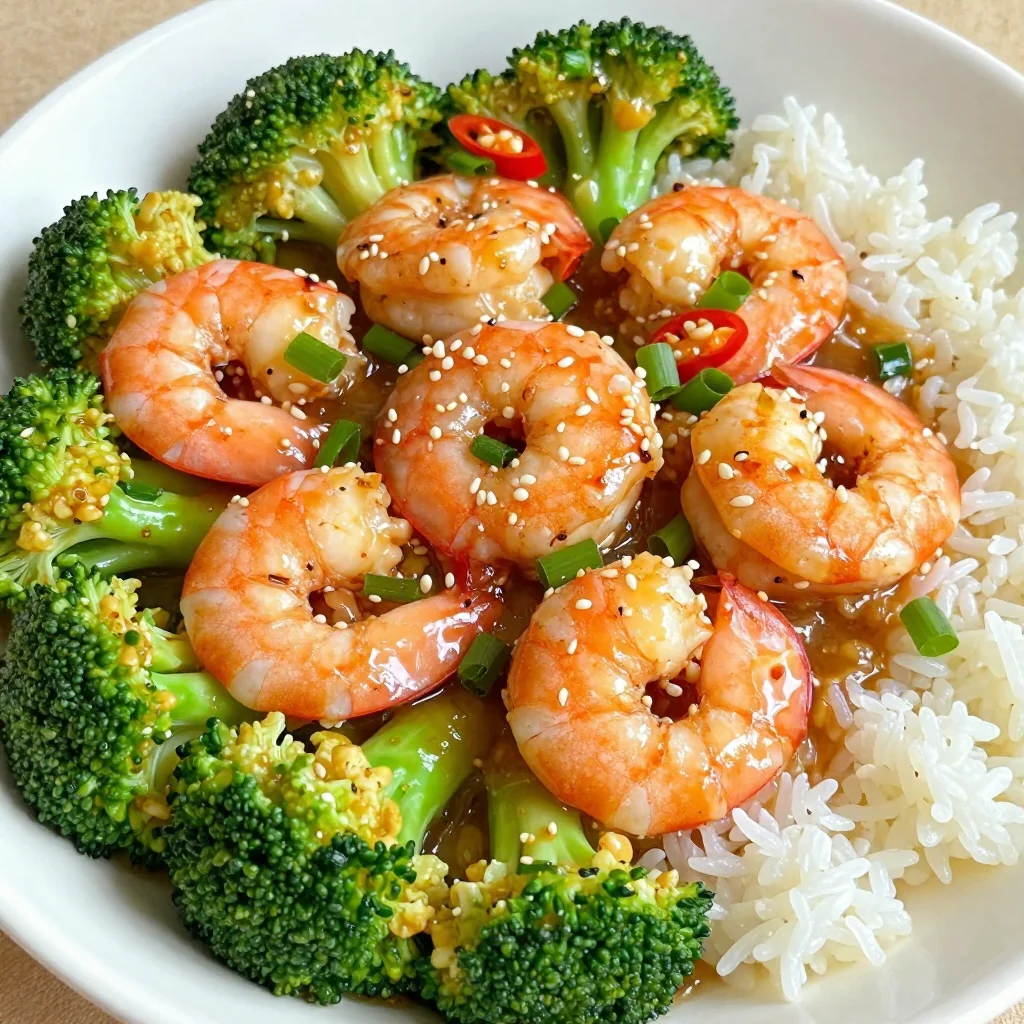
- Step 8: Plate and Serve. Transfer the stir‑fry to a serving bowl or plate. Garnish with extra green onions and a drizzle of sesame oil if desired. Pair it with steamed jasmine rice or cauliflower rice for a low‑carb option. The aroma alone will have you craving a second plate. That sizzle when it hits the pan? Absolute perfection.
That’s it—you did it. But hold on, I’ve got a few more tricks that will take this dish from great to unforgettable. Let’s dive into insider tips that will make every stir‑fry session a triumph.
Insider Tricks for Flawless Results
The Temperature Rule Nobody Follows
Stir‑frying is a high‑heat dance; if the pan isn’t hot enough, your ingredients will steam instead of sear. Preheat the wok for at least 5 minutes, then test by flicking a drop of water—if it sizzles instantly, you’re good. This simple step ensures a caramelized crust on the chicken and a crisp snap on the veggies.
Why Your Nose Knows Best
Your nose is the most reliable gauge of doneness. As soon as the garlic and ginger release a fragrant aroma, the base flavors are ready. If you’re unsure, take a quick sniff—over‑cooked garlic smells bitter, under‑cooked it’s almost raw. Trust your senses; they’ll guide you to perfection.
The 5-Minute Rest That Changes Everything
After you’ve finished stir‑frying, let the dish rest for 5 minutes before serving. This allows the sauce to settle and the flavors to marry. I’ve seen dishes that look great on the plate but taste flat right away—resting solves that problem.
Use a Tongs for Even Cooking
Tongs allow you to flip and toss ingredients quickly, keeping the heat distributed evenly. A spatula can crush delicate veggies, ruining the texture. My friend once tried using a ladle to stir; the result was a mushy mess. Stick to tongs for a flawless outcome.
Keep the Water on Hand
A splash of water at the end of the cooking process prevents the sauce from becoming too thick and clumpy. It also helps re‑emulsify the sesame oil, giving the dish a silky finish. If you’re aiming for a lower‑calorie version, replace the water with a bit of low‑sodium chicken broth.
Creative Twists and Variations
This recipe is a playground. Here are some of my favorite ways to switch things up:
Thai Coconut Kick
Swap the sesame oil for coconut milk and add a tablespoon of Thai red curry paste. The dish becomes creamy and aromatic, with a subtle heat that’s different from the crushed red pepper flakes. Serve over coconut rice for a complete Thai experience.
Spicy Peanut Fusion
Add 2 tablespoons of creamy peanut butter to the sauce and sprinkle chopped peanuts on top. The nutty richness pairs beautifully with the sweet soy glaze, creating a flavor profile reminiscent of a street‑food favorite.
Herb‑Infused Freshness
Replace the green onions with fresh cilantro and mint. The herbal brightness cuts through the richness of the sauce, giving the dish a Mediterranean vibe that’s perfect for summer.
Low‑Carb Powerhouse
Serve the stir‑fry over cauliflower rice or shirataki noodles instead of regular rice. The vegetables retain their crunch, and the dish stays low‑calorie without sacrificing flavor.
Vegan Delight
Replace the chicken with firm tofu or tempeh, and use tamari instead of soy sauce. The tofu will absorb the sauce beautifully, and the dish remains protein‑rich and satisfying.
Breakfast Twist
Add a handful of spinach or kale and top the finished dish with a fried or poached egg. The egg yolk adds a velvety richness that transforms the stir‑fry into a hearty breakfast bowl.
Storing and Bringing It Back to Life
Fridge Storage
Store the stir‑fry in an airtight container for up to 3 days in the refrigerator. Keep the sauce separate if possible; you can re‑mix before reheating. The dish stays fresh and the veggies maintain their crunch.
Freezer Friendly
Pack the stir‑fry in a freezer‑safe container or zip‑lock bag for up to 2 months. When you’re ready to eat, thaw overnight in the fridge and re‑heat gently. The sauce may separate slightly; a quick splash of water will restore its glossy sheen.
Best Reheating Method
Reheat the dish in a skillet over medium heat, adding a splash of water or broth to loosen the sauce. Stir frequently until heated through. Add a tiny splash of water before reheating — it steams back to perfection, keeping the veggies crisp and the sauce silky.