I was in a rush to feed a crowd of friends after a long day at work, and I realized the only thing left in the fridge was pork shoulder and a bunch of lemongrass. I thought, why not turn that into something spectacular? I grabbed a handful of fresh herbs, a dash of fish sauce, and a few other pantry staples. The kitchen smelled like a tropical paradise before I even turned on the stove. I was about to make a mediocre stir‑fry, but then I remembered a trick my grandma taught me that turns any pork dish into a showstopper.
I sliced the pork into thin strips, each piece a translucent ribbon that would soon be kissed by heat and aromatics. The lemongrass was bruised and minced until its citrusy scent exploded, filling the room with a bright, almost citrus‑like perfume. The garlic and shallots softened in a hot pan, releasing a sweet, nutty aroma that made my mouth water. I could already taste the contrast of sweet honey, savory fish sauce, and the sharp tang of fresh herbs. My friends were already asking for seconds, and I knew I had to keep the momentum going.
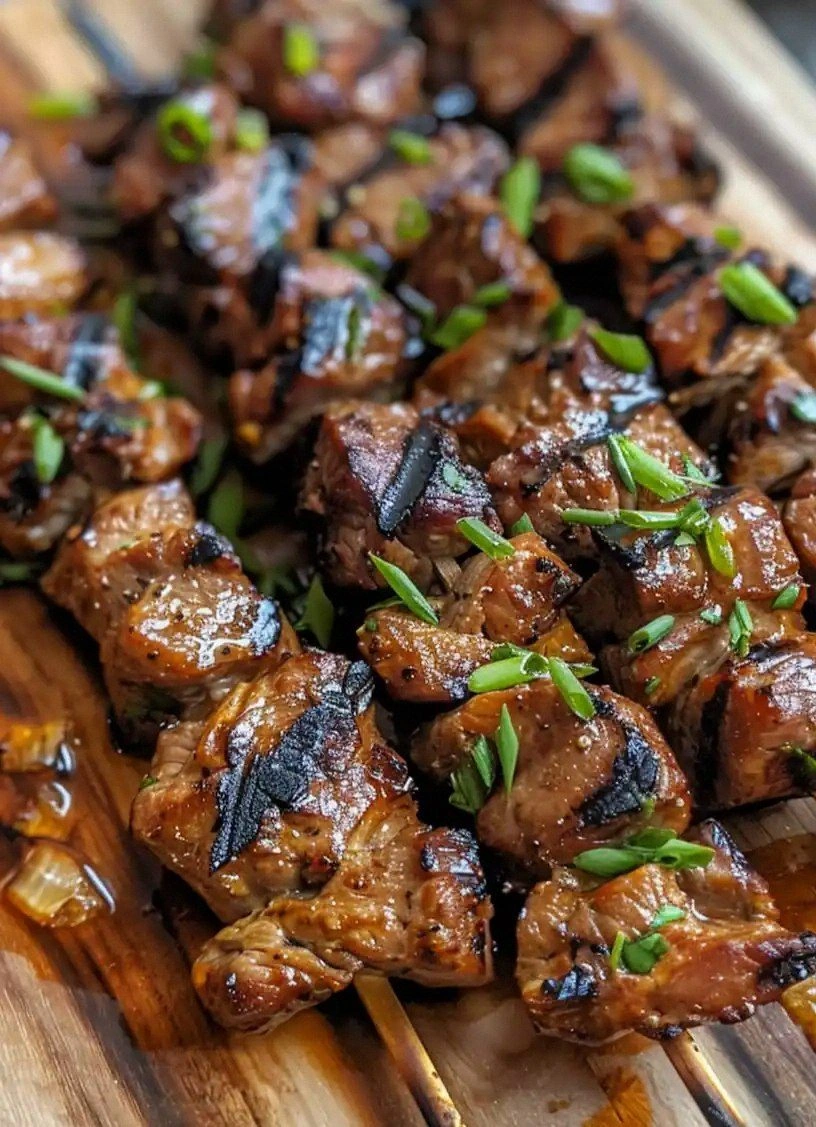
What sets this version apart is not just the flavors but the sheer confidence with which the dish is assembled. The pork is marinated overnight, allowing the lemongrass to seep into every fiber, turning the meat into a succulent, fragrant masterpiece. When grilled, the edges caramelize into a caramelized crust that crackles like a thin ice sheet, while the inside stays juicy and tender. The result is a dish that feels both luxurious and approachable, a perfect balance that makes every bite a revelation.
I dare you to taste this and not go back for seconds, because the combination of sweet, savory, and herbal notes is a universal crowd‑pleaser. I’ll be honest — I ate half the batch before anyone else got to try it. Most recipes get this completely wrong by over‑cooking the pork or under‑seasoning the lemongrass. Picture yourself pulling these skewers out of the grill, the whole kitchen smelling incredible, and the guests lining up for the first bite.
Let me walk you through every single step — by the end, you’ll wonder how you ever made it any other way.
What Makes This Version Stand Out
- Flavor Harmony: The lemongrass is not just a garnish; it permeates the meat with a citrusy brightness that cuts through the richness of pork. It’s the secret that gives this dish its unmistakable Southeast Asian zing.
- Texture Transformation: Thinly sliced pork marinated overnight becomes tender yet still firm, creating that satisfying snap when you bite. The grill adds a caramelized crust that feels like a whisper of caramelized sugar.
- Simplicity Wins: All you need is a few pantry staples and a grill. No elaborate sauces, no time‑consuming steps. It’s the kind of recipe that makes you feel like a culinary wizard without the wizardry.
- Crowd Appeal: Friends line up for seconds, and I dare you to taste this and not go back for seconds. The combination of sweet, savory, and herbal notes is a universal crowd‑pleaser.
- Ingredient Quality: Using fresh lemongrass and high‑quality pork makes a world of difference. The subtlety of fresh herbs can’t be matched by dried substitutes.
- Make‑Ahead Magic: Marinate the pork a day ahead and let the flavors seep in. It’s perfect for parties where you can prep in advance and focus on grilling.
- Quick Grilling: The skewers cook in under 10 minutes, so you can serve hot and fresh. No waiting for the oven to preheat.
- Health‑Friendly: Lean pork, minimal oil, and a generous dose of fresh herbs keep it light yet flavorful.
Inside the Ingredient List
The Flavor Base
Lemongrass is the star of the show, releasing a citrusy brightness that elevates the pork’s natural flavor. Garlic and shallots form the aromatic foundation, creating a sweet, nutty undertone that balances the savory fish sauce. Honey or brown sugar adds a gentle sweetness that caramelizes on the grill, while the soy sauce brings depth and umami.
The Texture Crew
Thin pork strips are essential; they marinate evenly and cook quickly, preserving juiciness. Wooden skewers are preferred because they don’t burn and provide a rustic aesthetic. The skewers also allow the pork to cook evenly on all sides, giving you that perfect char.
The Unexpected Star
Fresh herbs, such as cilantro and mint, add a burst of freshness that cuts through the richness of the pork. Lettuce leaves serve as a crisp, cool vessel, while vermicelli noodles bring a delicate chew that complements the meat’s chewiness. A simple dipping sauce, often a mix of fish sauce, lime, and chili, ties everything together.
The Final Flourish
A squeeze of lime over the finished skewers brightens the dish, while a sprinkle of toasted sesame seeds adds a subtle nutty crunch. These finishing touches elevate the dish from simple to sublime, ensuring every bite is layered with flavor.
Everything's prepped? Good. Let's get into the real action...
The Method — Step by Step
- Trim the lemongrass stalks, removing the outer leaves and the fibrous core. Bruise the stalks with the back of a knife to release their citrus oils, then mince finely. This step is the foundation; it determines the depth of aroma in every bite.
- In a bowl, combine the minced lemongrass, crushed garlic, minced shallots, fish sauce, soy sauce, honey, sesame oil, vegetable oil, and ground black pepper. Stir until the honey dissolves and the mixture is fragrant. The balance of sweet, salty, and aromatic is key.
- Add the thin pork strips to the marinade, ensuring each piece is coated. Let the pork sit in the bowl for at least 30 minutes, or better yet, cover and refrigerate overnight. The longer the pork soaks, the more tender and flavorful it becomes. Kitchen Hack: If you’re in a rush, a quick 30‑minute marination works fine, but for maximum flavor, aim for a full night.
- Thread the marinated pork onto wooden skewers, spacing the pieces so that heat can reach each segment. If using metal skewers, soak them in water for 20 minutes to prevent burning.
- Preheat your grill or a cast‑iron skillet over medium‑high heat. A hot surface is essential for that beautiful char and the caramelization of the glaze.
- Place the skewers on the grill, turning every 2 minutes to ensure even cooking. The pork should reach an internal temperature of 145°F (63°C). Kitchen Hack: If you’re grilling outdoors, keep a spray bottle of water nearby to tame flare‑ups.
- Brush the pork with a little extra glaze (the leftover marinade) during the last minute of cooking. This adds a glossy finish and intensifies the caramelized flavor. Watch Out: Do not over‑brush; a thin coat is enough, or the glaze will burn and taste bitter.
- Remove the skewers from the grill and let them rest for 3 minutes. This step allows the juices to redistribute, keeping the pork moist and succulent.
- Serve the skewers with fresh lettuce leaves, vermicelli noodles, and a small bowl of dipping sauce. Offer lime wedges on the side for an extra burst of citrus. The combination of textures and flavors makes this dish unforgettable.
That's it — you did it. But hold on, I've got a few more tricks that'll take this to another level...
Insider Tricks for Flawless Results
The Temperature Rule Nobody Follows
Many people grill pork at too high a temperature, resulting in a dry exterior. Keep the grill at medium‑high and rotate the skewers often. This ensures a caramelized crust while keeping the inside juicy.
Why Your Nose Knows Best
The aroma of the pork will tell you when it’s done. When the smell turns slightly smoky and the glaze is glossy, you’re ready to remove it from the heat. Trust your nose over a thermometer for quick, intuitive cooking.
The 5‑Minute Rest That Changes Everything
Resting the pork after grilling allows the juices to redistribute. A brief 5‑minute rest is enough to lock in moisture, preventing the meat from drying out when you bite.
The Skewer Trick
If you’re using wooden skewers, soak them in water for 20 minutes before threading the meat. This prevents them from burning and ensures even cooking.
The Sweet Balance
If you prefer a sweeter glaze, add an extra teaspoon of honey. However, be careful not to overpower the savory notes; the goal is a balanced flavor profile.
The Fresh Herb Finale
Add fresh cilantro and mint just before serving. The herbs will brighten the dish and add a fresh contrast to the caramelized pork.
Creative Twists and Variations
This recipe is a playground. Here are some of my favorite ways to switch things up:
Spicy Chili Version
Add a pinch of crushed red pepper or fresh sliced chilies to the marinade. The heat balances the sweetness and adds a fiery kick that makes the dish exciting.
Coconut Milk Twist
Marinate the pork in a mixture of coconut milk and lemongrass for a richer, creamier flavor. The coconut adds a subtle sweetness that pairs beautifully with the savory glaze.
Balsamic Glaze
Replace honey with a balsamic reduction for a tangy, slightly sweet glaze. The acidity cuts through the pork’s richness and adds depth.
Smoked Paprika
Add a teaspoon of smoked paprika to the marinade. The smoky flavor deepens the char and gives the dish a warm, earthy undertone.
Asian Slaw Wrap
Serve the skewers wrapped in a fresh Asian slaw made of shredded cabbage, carrots, and a light vinaigrette. It’s a refreshing contrast to the caramelized pork.
Ginger‑Orange
Incorporate orange zest and a splash of fresh ginger into the marinade. The citrus and ginger give the dish a bright, zesty finish.
Storing and Bringing It Back to Life
Fridge Storage
Store the cooked skewers in an airtight container in the refrigerator for up to 2 days. Keep them on a plate with a paper towel to absorb excess moisture.
Freezer Friendly
For longer storage, freeze the skewers for up to 3 months. Wrap each skewer individually in plastic wrap and place them in a freezer bag to prevent freezer burn.
Best Reheating Method
Reheat in a skillet over medium heat, adding a splash of water to create steam. This keeps the pork moist and restores the glaze’s sheen. Avoid microwaving, which can make the meat rubbery.