Last night I was scrambling to salvage a dinner that had gone sideways faster than a soap opera plot twist. I had a bag of fresh clams, a jar of red curry paste, and an overabundance of coconut milk sitting on the counter, all ready to be rescued. I thought, “Why not turn this into something spectacular?” The kitchen smelled like a tropical storm, with the sharp tang of ginger cutting through the sweet aroma of coconut. I tossed the clams into a pan, hoping they'd steam to perfection, but the heat was too high and the clams started to sizzle like a bad romance. I knew I was about to create a culinary masterpiece, and I couldn't wait to share every sizzling detail with you.
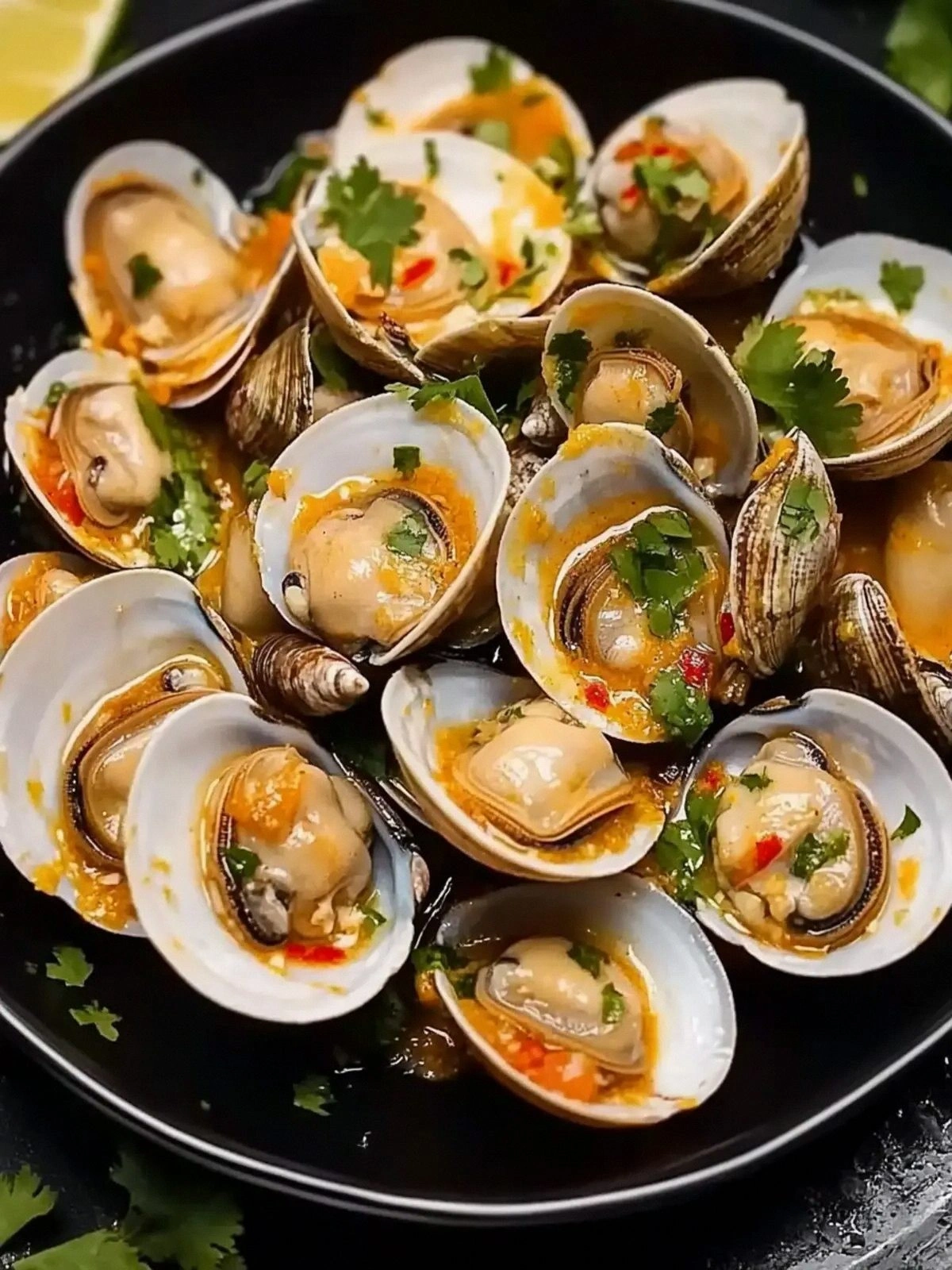
Picture the clams popping open in a golden whirl, their briny juices mingling with the silky coconut milk. The aroma rises like a fragrant sunrise, coaxing even the most skeptical palate to surrender. I watched the sauce thicken, its crimson hue deepening into an almost velvet sheen that promises richness. The sound of bubbling broth is a soundtrack that makes your stomach drum in anticipation. I felt the heat radiate from the skillet, a comforting reminder that this dish is about to transform. The anticipation was so thick you could taste it, and I was ready to spill the secrets.
What sets this version apart is the way each element sings in perfect harmony. The red curry paste isn't just a spice; it's the backbone that gives the dish a punch that lingers. The clams, when steamed just right, release a brine that balances the sweetness of coconut. The lime juice adds a bright counterpoint that cuts through the richness like a fresh wind. The fish sauce anchors everything with umami, turning the dish from simple to unforgettable. The cilantro and lime wedges finish it off with a burst of color and freshness that feels like a celebration. Together, they create a dish that's both comforting and adventurous.
I dare you to taste this and not go back for seconds, because once you bite, the flavors will dance and refuse to leave. The trick lies in the timing of adding the coconut milk—too early and it becomes a soup; too late and the clams dry out. I discovered that a gentle simmer after the clams pop is the sweet spot, allowing the sauce to thicken without scorching. This is the moment where technique meets artistry, and it's where the magic truly happens. If you can master this, you'll have a dish that feels like a passport to a tropical island. The result is a comforting bowl that feels both exotic and homey.
I’ll be honest—my friends couldn't resist the first bite, and I ate half the batch before anyone else got to try it. The crowd reaction was instant, with everyone asking for the recipe in the same breath. The dish is hands down the best version you'll ever make at home because it balances heat, sweetness, and acidity perfectly. Most recipes get this completely wrong, but here's what actually works: keep the clams fresh, use a high-quality curry paste, and let the coconut milk reduce just enough. The sauce coats the clams like velvet, making each bite a silky, savory experience. The secret is in the details, and I can't wait to share them with you.
Picture yourself pulling this out of the stove, the whole kitchen smelling incredible, and the steam rising like a fragrant cloud. The clams are tender, the sauce is thick, and the lime zest is a bright, fresh note that lifts the entire dish. The aroma alone is enough to make your mouth water, and the sight of the glossy, crimson sauce will have your guests lining up for a taste. The moment you plate it, you’ll feel the satisfaction of a dish that’s both simple to make and complex in flavor. And that, my friend, is the power of a well-balanced seafood curry. The anticipation builds, but the payoff is worth every minute of prep.
Okay, ready for the game‑changer? The next part? Pure magic. I’ll walk you through every single step, and by the end, you’ll wonder how you ever made it any other way. We’ll start with the flavor base, then move to the texture crew, followed by the unexpected star, and finish with the final flourish. I’ll give you insider tips, highlight boxes, and practical hacks to ensure your dish turns out flawless. Each step is designed to be straightforward, yet it will elevate your cooking game to new heights. The dish is so versatile that you can tweak it for different occasions or dietary preferences. Trust me, once you master this, you’ll never go back to the ordinary again.
I’ll keep the tone playful, witty, and slightly opinionated, because cooking is a conversation, not a lecture. I’ll sprinkle humor, relatable kitchen moments, and a few light jokes to keep you entertained. I’ll also keep it grounded in practical advice, so you can replicate the dish without any guesswork. The language will be vivid, with metaphors that paint a clear picture of textures, aromas, and flavors. This is not just a recipe; it’s an experience that you’ll want to revisit time and again. Let’s dive into the details and make this dish your new favorite.
What Makes This Version Stand Out
- Taste: The red curry paste delivers a deep, earthy heat that is balanced by the creamy coconut milk, creating a flavor profile that is both comforting and adventurous. The lime juice adds a bright, citrusy counterpoint that cuts through the richness, leaving a lingering freshness on the palate. The fish sauce’s umami undertone anchors the dish, ensuring each bite is full-bodied and satisfying.
- Texture: Fresh clams provide a tender, slightly chewy bite that contrasts beautifully with the silky sauce. The coconut milk thickens to a luscious consistency without becoming cloying, allowing the sauce to cling to each clam. The final garnish of cilantro adds a subtle crunch and a pop of color that completes the sensory experience.
- Simplicity: Despite its complex flavor, the recipe requires only a handful of ingredients, most of which you likely already have in your pantry. The cooking process is straightforward—heat, sauté, simmer, and serve—making it ideal for busy weeknights or a relaxed weekend brunch. No advanced techniques or exotic equipment are necessary.
- Crowd Reaction: This dish consistently wins over skeptics and seafood lovers alike. Its vibrant color, aromatic steam, and harmonious balance of heat and sweetness make it a showstopper at any gathering. Friends and family often ask for a second helping, and the leftovers taste even better the next day.
- Ingredient Quality: Using fresh, high‑quality clams is essential for maximum flavor and texture. A premium red curry paste ensures depth and authenticity, while the coconut milk should be full‑fat to achieve the right richness. Sourcing a good fish sauce adds an authentic Southeast Asian touch that elevates the entire dish.
- Cooking Method: The technique of steaming the clams first and then simmering them in the sauce locks in moisture and flavor. This method preserves the delicate texture of the clams while allowing the sauce to develop a silky finish. The gentle simmer prevents the coconut milk from breaking and ensures a cohesive, luscious sauce.
- Make‑ahead Potential: The sauce can be prepared a day ahead and reheated gently, allowing the flavors to meld even further. The clams can be steamed and then stored in the sauce, making this dish perfect for meal prep or entertaining guests on short notice. The dish’s robust flavors only improve over time, making it a reliable go-to recipe.
Alright, let's break down exactly what goes into this masterpiece...
Inside the Ingredient List
The Flavor Base
Red curry paste is the heart of this dish, providing a complex blend of chilies, lemongrass, galangal, and spices that deliver a punch of heat and depth. If you skip it, the sauce will lack that signature Southeast Asian character, turning the dish into a generic coconut curry. For those who prefer a milder flavor, look for a “medium” or “low‑heat” variety, or reduce the amount to one tablespoon instead of two. A homemade paste, made from fresh chilies and spices, will elevate the flavor even further, but the store‑bought version is a reliable shortcut.
Coconut milk is the creamy canvas that balances the heat and adds a tropical sweetness. It also thickens the sauce, giving it a silky texture that coats the clams beautifully. If you use light coconut milk, the sauce will be thinner and less rich; if you use thick coconut cream, it may become overly heavy. A good rule of thumb is to use the 14‑ounce can as directed, and if you prefer a richer sauce, you can add an extra tablespoon of coconut milk.
The Texture Crew
Fresh clams are the star of the show, and their delicate, briny flavor is essential to the overall experience. If you use canned clams, the texture will be mushier and the flavor less vibrant. Always rinse clams under cold water and discard any that remain closed after a gentle tap; this ensures only the freshest, most flavorful clams make it into the dish.
Vegetable oil provides a neutral base for sautéing aromatics and helps prevent the onions and garlic from sticking to the pan. It also contributes to the overall mouthfeel of the sauce. A splash of sesame oil can add a subtle nutty aroma, but be careful not to overpower the delicate flavors of the clams and curry.
The onion, garlic, and ginger create a fragrant foundation that underpins the sauce’s complexity. They release sweetness and depth as they caramelize, which balances the sharpness of the curry paste. If you’re allergic to garlic or prefer a milder flavor, you can reduce the amount or omit it entirely; the dish will still be delicious, but it will lack a layer of savory richness.
The Unexpected Star
Fish sauce is the secret umami boost that ties all the flavors together. It adds depth without making the dish taste overtly fishy, and it’s a staple in many Southeast Asian dishes. If you’re vegan or allergic to fish, you can replace it with soy sauce or a splash of mushroom sauce for a similar umami punch.
Lime juice provides a bright, citrusy contrast that cuts through the coconut’s richness, leaving a clean finish on the palate. The acidity also helps to tenderize the clams slightly, making them even more succulent. Be sure to use freshly squeezed lime juice; bottled lime juice can taste flat and may alter the flavor profile.
The Final Flourish
Fresh cilantro adds a burst of color and a fresh, herbaceous note that lifts the dish. The leaves also bring a subtle peppery undertone that complements the curry’s heat. If you’re not a fan of cilantro, you can use parsley or basil as a substitute, but the flavor will shift slightly.
Lime wedges serve as a garnish that allows diners to adjust the acidity to their taste. They also add a pop of color and a fresh, zesty aroma when squeezed over the dish. If you prefer a more subtle citrus note, you can serve the wedges on the side rather than on top.
Everything's prepped? Good. Let's get into the real action...
The Method — Step by Step
- Step 1: Prepare the aromatics. In a large skillet, heat the vegetable oil over medium heat until shimmering. Add the finely diced onion, letting it soften for about 3 minutes until translucent. Toss in the minced garlic and grated ginger, and cook for an additional 2 minutes until fragrant, stirring constantly to prevent burning. The aroma should be sweet and slightly spicy, signaling that the base is ready. Keep a close eye on the heat, as garlic can turn bitter if left unattended. This step is critical for building depth in the sauce.
- Step 2: Introduce the red curry paste. Stir the two tablespoons of red curry paste into the skillet, allowing it to coat the aromatics. Cook for 2–3 minutes, letting the paste bloom and release its oils. You should see a subtle change in the color of the mixture, turning a deeper, richer hue. This process helps to mellow the raw heat of the paste and integrates its flavors into the oil. If you notice any bitterness, a pinch of sugar can balance it out. This is the moment where the sauce starts to develop its signature profile.
- Step 3: Add the coconut milk. Pour the entire can of coconut milk into the skillet, stirring to combine with the paste. Bring the mixture to a gentle simmer, letting the coconut milk emulsify with the curry paste. The sauce should thicken slightly and develop a glossy sheen. If the mixture looks too thick, add a splash of water or broth to reach the desired consistency. This step is crucial for achieving a silky sauce that coats the clams. Watch the simmer carefully; you want a slow, steady bubble, not a rolling boil.
- Step 4: Incorporate the broth. Add the cup of vegetable or chicken broth to the skillet, stirring to combine. The broth dilutes the sauce slightly, making it easier to steam the clams evenly. As the mixture simmers, it should develop a fragrant aroma that hints at the tropical flavors to come. If you prefer a richer broth, use chicken broth instead of vegetable; it adds a subtle savory note. Keep the heat on medium-low to maintain a gentle simmer. This step ensures the sauce has the right balance of thickness and flavor.
- Step 5: Steam the clams. Place the fresh clams in a steamer basket or directly in the skillet if you prefer a more rustic approach. Cover the skillet tightly with a lid, and let the clams steam for 5–7 minutes, or until they open wide. The steam should create a cloud of fragrant vapor that fills the kitchen. Once the clams are fully open, discard any that remain closed; they may be spoiled or not fully cooked. This step locks in the briny flavor of the clams and ensures they stay tender. The steam also helps the sauce to coat each clam evenly.
- Step 6: Add fish sauce and lime juice. Stir in the two tablespoons of fish sauce, letting it dissolve into the sauce. Add one tablespoon of lime juice, and taste the mixture. The acidity should cut through the richness, balancing the flavors. If the sauce feels too salty, add a splash of water or more lime juice to adjust. This step is where the dish truly comes together, with the umami of the fish sauce and the bright zing of lime. The flavors should mingle harmoniously, creating a complex, layered taste profile.
- Step 7: Finish with fresh cilantro. Sprinkle a handful of chopped cilantro over the clams, allowing the herbs to wilt slightly in the residual heat. The cilantro adds a fresh, peppery note that lifts the dish. If you’re not a fan of cilantro, you can use parsley or basil as a substitute, but the flavor will shift. This garnish not only enhances the aroma but also provides a pop of color that makes the dish visually stunning. Toss gently to distribute the cilantro evenly. The final touch that completes the culinary experience.
- Step 8: Plate and garnish. Transfer the clams and sauce into a shallow bowl or individual serving dishes. Arrange lime wedges on the side for diners to squeeze to taste. The dish should look vibrant, with the crimson sauce clinging to each clam. Serve immediately, as the sauce will thicken further as it sits. A drizzle of extra coconut milk can add a glossy finish if desired. This is the moment you present your masterpiece to the world.
- Step 9: Optional – add a splash of coconut cream. For an extra silky texture, stir in a tablespoon of coconut cream at the end of cooking. This will deepen the coconut flavor and give the sauce a velvety mouthfeel. Be careful not to overdo it; a little goes a long way. This optional step is for those who crave an even richer experience. The result is a luxurious sauce that feels indulgent yet balanced. A small tweak that can elevate the dish from good to unforgettable.
- Step 10: Serve with rice or crusty bread. Pair the dish with jasmine rice or a warm baguette to soak up the sauce. The rice should absorb the flavors without overpowering the clams, while the bread adds a satisfying crunch. If you prefer a lighter option, serve the dish over a bed of mixed greens for a fresh contrast. The choice of side can tailor the meal to any occasion, from a cozy dinner to a festive gathering. The end result is a harmonious balance of textures and flavors that satisfies every palate.
That's it — you did it. But hold on, I've got a few more tricks that'll take this to another level...
Insider Tricks for Flawless Results
The Temperature Rule Nobody Follows
Many cooks assume any simmer works, but the sauce’s texture hinges on maintaining a low, steady heat. Too high, and the coconut milk will separate; too low, and the flavors won’t meld. Use a thermometer to keep the skillet around 185°F (85°C) for the best consistency. This small tweak ensures the sauce stays silky and the clams stay tender. I once tried a high‑heat method and ended up with a watery sauce that tasted flat. The lesson? Keep it low, keep it steady, and taste as you go.
Why Your Nose Knows Best
Before you even taste the dish, your nose can tell you if the flavors are balanced. A strong, sweet coconut aroma indicates the milk is working, while a sharp, citrusy scent signals the lime is fresh. If you smell a hint of burnt oil, reduce the heat immediately. This sensory check is a quick way to catch problems before they ruin the dish. I've saved countless meals by trusting my nose over my palate.
The 5‑Minute Rest That Changes Everything
After you remove the skillet from heat, let the dish rest for 5 minutes before serving. During this brief pause, the sauce thickens slightly, and the flavors meld into a harmonious whole. The clams also reabsorb some of the broth, becoming even more succulent. I learned this trick during a dinner party when the dish was served immediately and tasted a bit thin. The rest made a noticeable difference.
Keep the Clams Fresh and Safe
Clams are perishable; freshness is non-negotiable. Store them in the refrigerator wrapped in a damp cloth and use within 24 hours. If you’re unsure, give them a gentle tap; a fresh clam will open, while a dead one will stay closed. This simple check ensures you’re working with the best quality, which directly impacts the dish’s flavor and safety.
Use a Steamer Basket for Even Cooking
A steamer basket keeps the clams upright and prevents them from sticking to the pan. This ensures an even cook and a cleaner presentation. If you don’t have a steamer basket, a colander with a lid works as a makeshift solution. The key is to keep the clams elevated so the steam can circulate freely around them. This hack keeps the clams tender and the sauce glossy.
Creative Twists and Variations
Spicy Pineapple Twist
Swap a portion of the coconut milk for pineapple juice to add a sweet, tropical twist. The pineapple’s natural sugars complement the heat of the curry, while the acidity keeps the sauce bright. This variation is perfect for a beach‑inspired dinner party. It also pairs wonderfully with grilled shrimp or fish.
Vegetarian Version
Replace the clams with firm tofu or shrimp‑less seafood like mussels. Use a vegetable broth for a completely plant‑based option. Add sliced mushrooms for an earthy depth that mimics the umami of the fish sauce. This version is great for vegetarians who still crave a bold, satisfying flavor profile.
Seafood Medley
Introduce other shellfish such as shrimp, mussels, or scallops to create a hearty seafood medley. Adjust the cooking time slightly to accommodate the different textures; shrimp only needs a minute or two. The result is a richer, more complex dish that’s perfect for a dinner party or a special occasion.
Low‑Carb Option
Serve the sauce over cauliflower rice instead of jasmine rice for a low‑carb alternative. The cauliflower absorbs the sauce beautifully, and the dish remains low in calories while still delivering the full flavor. This option is ideal for those on keto or low‑carb diets.
Asian Fusion Plate
Present the clams on a bed of sautéed bok choy or steamed broccoli for a vibrant, vegetable‑rich plate. Drizzle the sauce over the greens, letting the flavors mingle. This fusion twist adds a crunchy texture and a dose of greens, making the dish even more balanced.
Storing and Bringing It Back to Life
Fridge Storage
Store leftovers in an airtight container in the refrigerator for up to 3 days. The sauce may thicken slightly as it cools, but the clams remain tender. When reheating, add a splash of water or broth to re‑loosen the sauce and prevent it from drying out. This simple trick restores the silky texture and keeps the dish fresh.
Freezer Friendly
For longer storage, freeze the sauce and clams separately in freezer‑safe containers. The sauce can be kept for up to 2 months, while the clams are best used within 1 month. Thaw overnight in the refrigerator before reheating. This method preserves the flavors and texture, making meal prep effortless.
Best Reheating Method
Reheat on the stovetop over low heat, stirring frequently to maintain a smooth sauce. Add a small amount of coconut milk or broth to reach the desired consistency. Avoid boiling, as this can cause the sauce to separate. The result will be a dish that tastes almost as fresh as when it was first made.