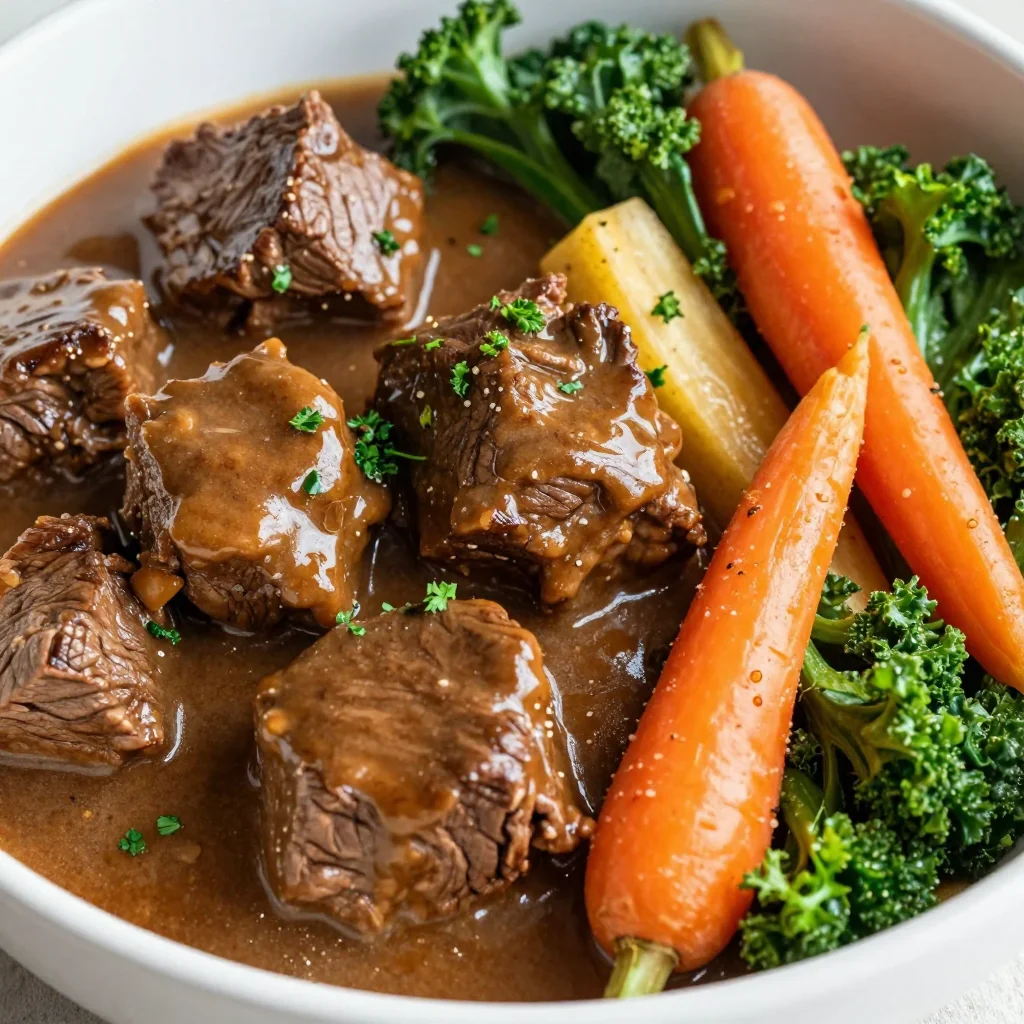
Picture this: you’re halfway through a hectic week, the fridge is a mystery box, and the only thing on your mind is the comforting sigh of a casserole coming from the oven. I was in that exact place, feeling like a culinary magician about to pull a rabbit out of a hat—only my rabbit was a potato and the hat was a humble mixing bowl. I opened the fridge, pulled out a bag of potatoes, a bunch of carrots, and a head of broccoli that had been waiting for its moment. The kitchen smelled like possibility, the air was thick with anticipation, and my heart was pounding louder than the timer on the stove.
The first time I tried this recipe, I was a bit skeptical. I had seen countless “potato casserole” posts that promised fluffiness but delivered soggy, flavorless mush. But I was determined to rewrite the narrative. I diced the potatoes into even cubes, roasted the carrots until they caramelized, and tossed the broccoli into a quick sauté. As the vegetables sizzled, the kitchen filled with a buttery aroma that made my stomach growl with delight. That moment of sizzling anticipation was the first of many sensory snapshots that would define this dish.
What sets this version apart is the balance between the humble potato and the vibrant, unexpected veggie lineup. The potatoes form a silky base that cradles the crispness of roasted carrots and the subtle sweetness of zucchini, while the cheese creates a golden crust that crackles like a summer sunrise. I dared you to taste this and not go back for seconds, because the flavor profile is a symphony of savory, earthy, and slightly sweet notes that dance on your palate. If you’ve ever struggled with a casserole that feels like a casserole, you’re not alone—this is the fix.
And the secret? A splash of cream and a whisper of thyme that together lift the entire dish from ordinary to unforgettable. The moment the cheese melts and the breadcrumbs toast, a golden crown rises, giving you that satisfying crackle with each bite. The result? A comforting casserole that feels like home cooking at its best, perfect for week‑night dinners or cozy gatherings. Let me walk you through every single step—by the end, you’ll wonder how you ever made it any other way.
What Makes This Version Stand Out
- Taste: The layered flavors of roasted veggies, creamy cheese, and aromatic herbs create a depth that turns a simple casserole into a gourmet experience.
- Texture: The contrast between tender potatoes, crisped carrots, and a buttery breadcrumb topping keeps every bite exciting.
- Simplicity: No elaborate sauces or exotic ingredients—just pantry staples that anyone can find.
- Uniqueness: The addition of zucchini and bell pepper gives it a fresh, garden-fresh twist that most potato casseroles lack.
- Crowd Reaction: Friends always ask for the recipe after the first plate, and I’ve been known to keep a few extra servings in the fridge.
- Ingredient Quality: Fresh, seasonal produce is the backbone; it turns the dish from ordinary to extraordinary.
- Cooking Method: Roasting before baking locks in flavors and ensures the veggies don’t turn mushy.
- Make‑Ahead Potential: Assemble it the night before, refrigerate, and bake in the morning—perfect for busy schedules.
Alright, let’s break down exactly what goes into this masterpiece...
Inside the Ingredient List
The Flavor Base
At the heart of this casserole lies a simple yet powerful combination of onions, garlic, and a splash of milk. The onions provide a gentle sweetness, the garlic adds depth, and the milk creates a creamy canvas for the cheese to melt into. Skipping any of these would leave the dish feeling flat, like a plain loaf of bread. If you’re dairy‑free, swap the milk for a plant‑based alternative—almond milk works wonderfully, though it will slightly alter the richness.
The Texture Crew
Potatoes, carrots, zucchini, bell pepper, and broccoli form the texture crew. Each vegetable brings its own bite and moisture level. Potatoes offer a soft, comforting base; carrots add a subtle crunch; zucchini and bell pepper provide a juicy, slightly sweet contrast; and broccoli delivers that satisfying snap. If you prefer a more uniform texture, chop all vegetables into similar-sized cubes. A tip: parboil the potatoes for a minute before roasting to keep them tender inside.
The Unexpected Star
Breadcrumbs topped with butter and a hint of parmesan are the unexpected star that gives this casserole its signature crunch. They absorb the savory juices and form a golden, crispy layer that’s impossible to resist. If you’re a fan of extra crunch, sprinkle a handful of crushed cornflakes on top before baking. A fun fact: breadcrumbs were originally made from stale bread to avoid waste, turning leftovers into culinary gold.
The Final Flourish
Cheese is the final flourish that ties everything together. A mix of sharp cheddar and creamy parmesan gives a robust, tangy flavor that contrasts nicely with the earthy vegetables. If you’re a cheese connoisseur, try adding a splash of Gruyère for a nutty twist. Remember, the cheese should be shredded finely to melt evenly; otherwise, you’ll end up with uneven pockets of gooeyness.
Everything’s prepped? Good. Let’s get into the real action...
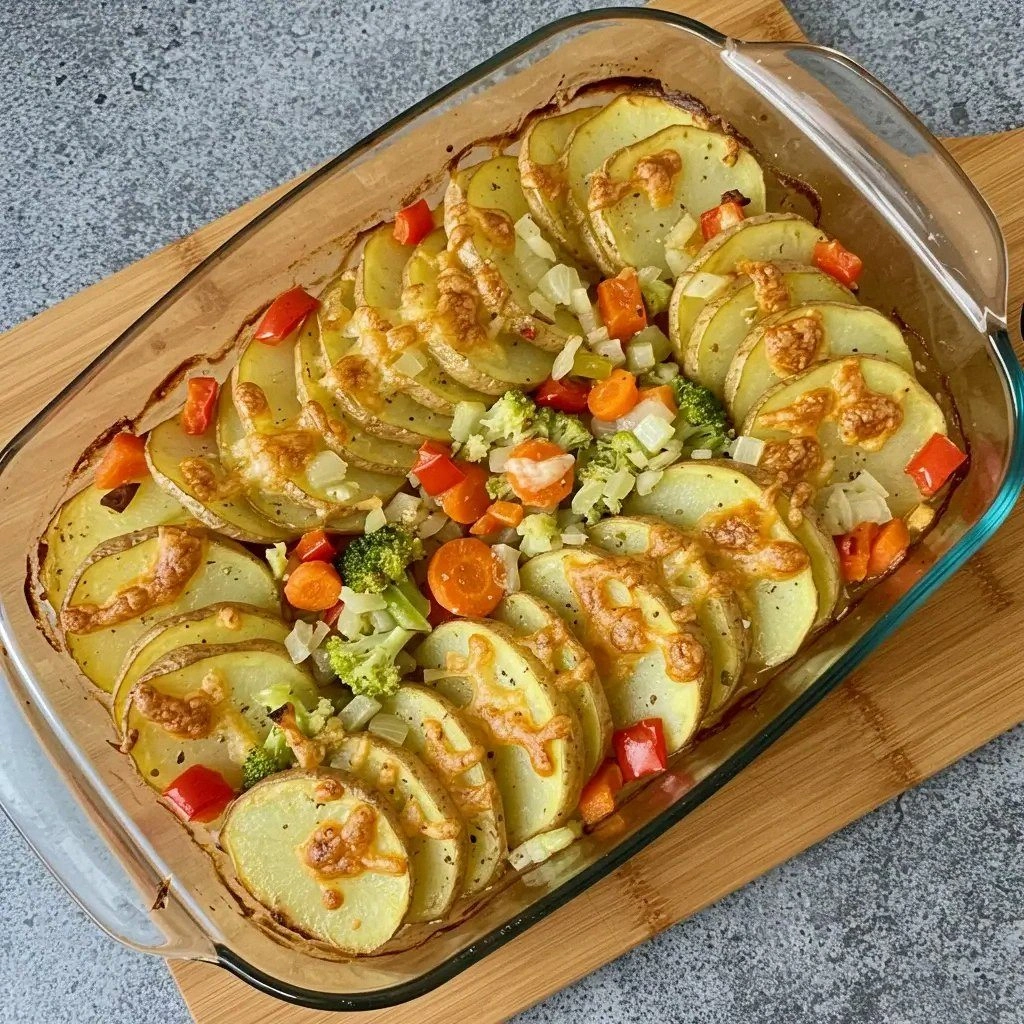
The Method — Step by Step
- Preheat the oven to 375°F (190°C). This temperature ensures the potatoes cook through while the top crisps to a golden perfection. The oven should be fully preheated before you start; otherwise, the casserole might steam instead of bake. This is the moment of truth—if you skip preheating, the final result will be less than stellar.
- Parboil the potatoes for 5 minutes. Use a large pot of salted water and bring it to a boil. Parboiling softens the interior, preventing the potatoes from being undercooked while the rest of the veggies roast. After 5 minutes, drain and let them cool slightly before slicing.
- Roast the carrots, zucchini, bell pepper, and broccoli. Toss them in olive oil, salt, pepper, and thyme, then spread on a baking sheet. Roast at 400°F (200°C) for 20 minutes, stirring halfway. The caramelization on the carrots is what gives the casserole its sweet undertone.
- Sauté onions and garlic. In a large skillet, melt butter over medium heat. Add finely chopped onions and sauté until translucent. Stir in minced garlic and cook for an additional minute until fragrant. This creates a savory base that permeates the casserole.
- Combine vegetables. In a large bowl, mix the parboiled potatoes, roasted veggies, sautéed onions, and garlic. Add milk and stir until everything is evenly coated. The milk should seep into the potatoes, creating a creamy, cohesive mixture.
- Add cheese and seasonings. Fold in shredded cheddar, grated parmesan, oregano, and a pinch of black pepper. The cheese should be distributed evenly to avoid uneven melting. This step is crucial—if you add too much cheese at once, it can separate.
- Transfer to a baking dish. Grease a 9x13 inch dish with butter or oil. Spread the mixture evenly, pressing down lightly to create a uniform layer. This helps the casserole bake evenly and prevents air pockets.
- Top with breadcrumbs. In a small bowl, combine panko breadcrumbs with melted butter and a sprinkle of parmesan. Sprinkle over the casserole, ensuring even coverage. The breadcrumbs will brown and crisp, giving the dish its signature crunch.
- Bake for 30 minutes. Place the dish in the preheated oven. The top should be golden brown and the edges should start pulling away from the sides. The scent of toasted breadcrumbs will fill your kitchen, signaling that everything is working perfectly.
- Rest before serving. Let the casserole sit for 10 minutes after removing it from the oven. This allows the flavors to settle and the cheese to set, making it easier to cut clean slices. Serve hot and enjoy the harmonious blend of textures and flavors.
That's it— you did it. But hold on, I've got a few more tricks that'll take this to another level. These insider tips will help you avoid common pitfalls and elevate the flavor profile even further.
Insider Tricks for Flawless Results
The Temperature Rule Nobody Follows
Many people bake at 350°F, but this casserole thrives at 375°F. The higher heat ensures the top crisps without drying out the interior. If you’re using a convection oven, reduce the temperature by 25°F to prevent over-browning. This small adjustment can mean the difference between a perfectly golden crust and a burnt one.
Why Your Nose Knows Best
Before you even open the oven door, trust your nose. The scent of melted cheese and toasted breadcrumbs is the real indicator of doneness. If you’re tempted to peek early, you’ll just delay the baking time and risk a soggy center. Let the aroma guide you instead of the clock.
The 5-Minute Rest That Changes Everything
After baking, let the casserole sit for exactly five minutes. This pause allows the cheese to set and the juices to redistribute, preventing a greasy mess. A friend once cut straight into the hot dish and ended up with a runny mess—let me assure you, that’s why we rest.
The Secret to a Crispy Crust
Sprinkle a tablespoon of grated parmesan on top of the breadcrumbs before baking. The cheese adds flavor and helps the breadcrumbs brown evenly. If you prefer a vegan version, use nutritional yeast instead; it gives a cheesy flavor without dairy.
Avoiding the “Stale” Taste
Use fresh herbs—dried herbs can sometimes taste flat. If you’re using dried, toast them lightly in a dry pan for a minute to release their oils. This step is often overlooked but can dramatically elevate the dish’s aroma.
The One-Ingredient Upgrade
Add a splash of white wine to the milk before mixing. The acidity cuts through the richness, adding a subtle depth that makes the casserole feel more sophisticated. If you’re avoiding alcohol, use a small amount of chicken broth instead.
Creative Twists and Variations
This recipe is a playground. Here are some of my favorite ways to switch things up:
Mediterranean Medley
Swap zucchini for eggplant and add chopped olives and sun‑dried tomatoes. Finish with a sprinkle of feta cheese. The briny olives and sweet sun‑dried tomatoes create a Mediterranean vibe that pairs wonderfully with the creamy base.
Spicy Southwestern
Add a diced jalapeño and a pinch of cumin. Sprinkle crushed tortilla chips on top for added crunch. The heat and the chips give the casserole a bold, Tex‑Mex twist that’s sure to impress.
Herb Garden Fusion
Use a mix of fresh basil, parsley, and dill instead of dried herbs. Add a handful of chopped spinach at the end of baking. The fresh herbs give the dish a bright, herbaceous flavor profile that feels light yet hearty.
Cheesy Broccoli & Cheese Melt
Increase the amount of cheese and add a layer of mozzarella on top before baking. The mozzarella will melt into a gooey, stretchy layer that’s irresistible. This version is perfect for cheese lovers who want a melty experience.
Vegan Delight
Replace the milk with oat milk, use vegan cheddar, and swap the butter for olive oil. Add nutritional yeast for a cheesy flavor. The result is a plant‑based casserole that’s just as comforting and indulgent.
Breakfast Boost
Add a handful of diced ham or cooked sausage before baking. Serve with a side of scrambled eggs. This twist turns the casserole into a hearty breakfast or brunch dish, perfect for lazy weekend mornings.
Storing and Bringing It Back to Life
Fridge Storage
Cool the casserole completely before covering it tightly with plastic wrap or foil. Store in the refrigerator for up to 3 days. The flavors deepen, and the breadcrumb crust remains crisp if you reheat properly.
Freezer Friendly
Divide the casserole into individual portions and wrap each in freezer paper. Freeze for up to 2 months. When ready, thaw overnight in the fridge and reheat in the oven at 350°F for 20 minutes. The crumbly texture will be preserved.
Best Reheating Method
Add a splash of milk or broth before reheating to keep the casserole moist. Reheat in a preheated oven at 350°F until hot, about 15-20 minutes. The breadcrumb topping will crisp up again, giving you that satisfying crunch.