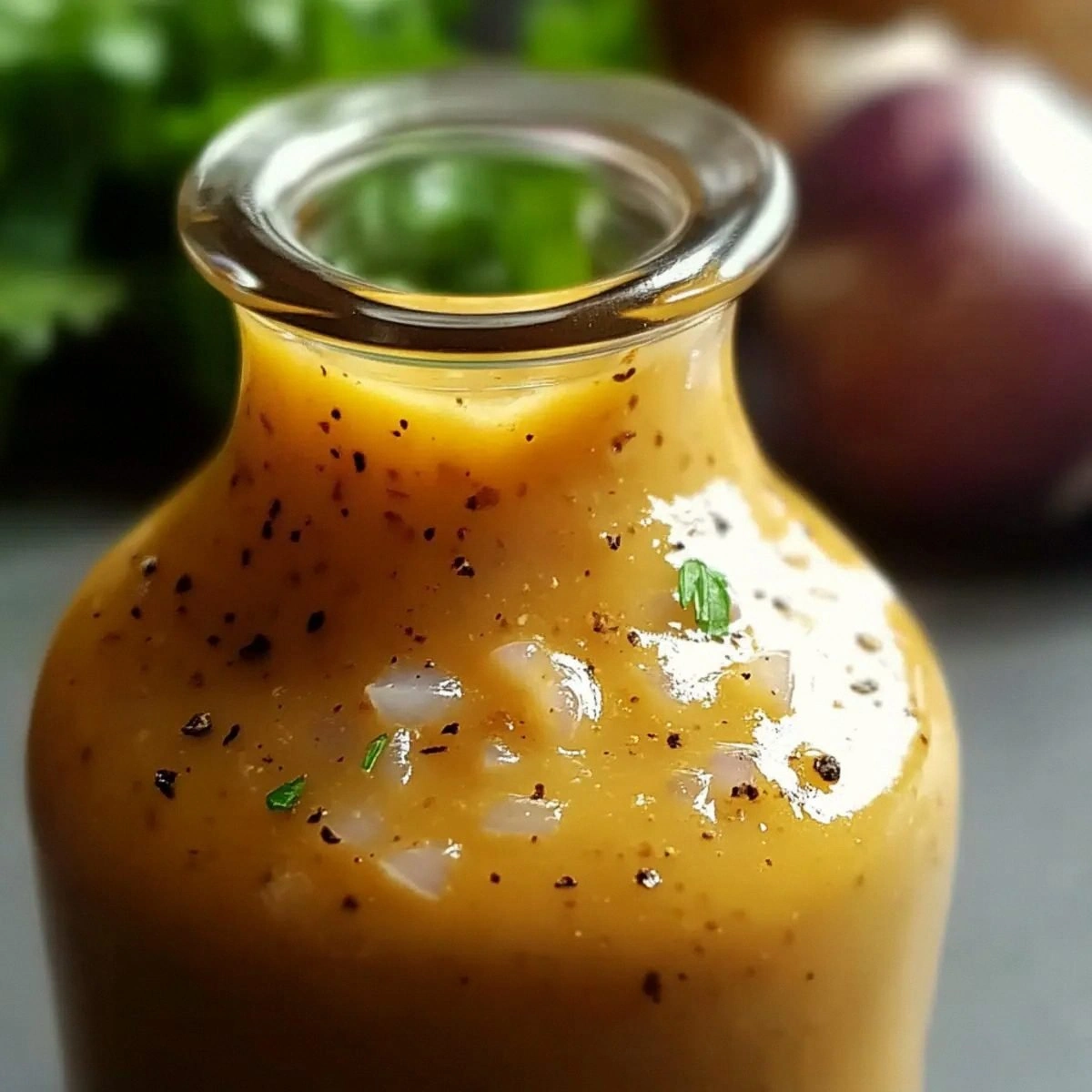
I was standing in line at my local sandwich shop, watching the line crawl forward like a slow‑motion parade, when the person in front of me ordered a foot‑long with that mysterious, glossy orange‑gold sauce that makes every bite sing. I watched the sauce drizzle over the meat, the veggies, the cheese, and I thought, “What if I could bottle that magic at home and splash it on anything?” The next day I tried to recreate it, and after a series of kitchen mishaps that would make a sitcom laugh track proud, I finally landed on a version that not only matches the original but blows it out of the water. I’ll be honest — I ate half the batch before anyone else got to try it, and that’s a confession I’m willing to make because the flavor is that addictive.
Picture this: the first spoonful hits your tongue with the sweet bite of caramelized onions, a buttery creaminess that coats every surface like velvet, and a tangy kick that snaps you awake like a splash of cold water on a summer morning. The aroma alone—sweet onion notes mingling with a whisper of soy and citrus—fills the kitchen and makes the whole house feel like a deli on a bustling city corner. You’ll hear the gentle whisper of the whisk as it folds the mayo into the caramelized onions, feel the slick smoothness of the sauce as it slides across the bowl, and taste the perfect balance of sweet, salty, and sour that makes you want to drizzle it on everything from fries to grilled chicken.
What makes this version truly stand out is a tiny, almost‑invisible trick: I lightly caramelize the onions in a splash of oil before folding them into the mayo. Most copycat recipes skip this step, leaving the sauce flat and one‑dimensional. By coaxing the sugars out of the onions first, I create a depth of flavor that’s richer than any store‑bought version. And the secret ingredient? A dash of lemon juice that brightens the whole thing, preventing the sauce from feeling heavy after a few bites. I dare you to taste this and not go back for seconds.
Let me walk you through every single step — by the end, you’ll wonder how you ever made it any other way. Okay, ready for the game‑changer? This next part? Pure magic. Stay with me here — this is worth it.
What Makes This Version Stand Out
- Flavor Depth: Caramelizing the onions extracts natural sugars, giving the sauce a sweet‑savory backbone that mimics the signature Subway taste.
- Creamy Texture: The mayo base is whipped until airy, ensuring every bite feels like a silky ribbon coating your food.
- Simplicity: Only eight pantry staples are needed; no exotic spices or hard‑to‑find ingredients.
- Versatility: Works as a sandwich spread, dip for fries, or a drizzle for grilled veggies—basically a culinary Swiss‑army knife.
- Crowd Reaction: Guests often claim it’s “the best thing they’ve ever put on a sandwich,” and they’ll ask for the recipe within minutes.
- Ingredient Quality: Using sweet onions and fresh green onions adds a natural sweetness that processed powders can’t match.
- Make‑Ahead Potential: The sauce holds up beautifully for up to a week in the fridge, getting even more flavorful as it sits.
- Low‑Effort Finish: No cooking after the caramelization step; just whisk, fold, and chill.
Inside the Ingredient List
The Flavor Base
The sweet onions are the heart of this sauce. I use half a cup of finely diced sweet onions because they have a higher natural sugar content than yellow or white onions, which means they caramelize faster and deliver that deep, almost‑toffee flavor. If you skip the caramelization and toss raw onions straight into the mayo, you’ll end up with a raw, pungent bite that throws off the balance. A great swap is shallots, which bring a milder, more delicate sweetness, but the classic sweet onion remains the champion.
The Texture Crew
Mayonnaise is the creamy canvas that carries the flavor. I recommend a full‑fat mayo for richness; low‑fat versions can make the sauce watery and less luxurious. The 1 cup measurement provides enough body to coat a whole foot‑long sandwich without dripping. If you’re feeling adventurous, you can blend half mayo and half Greek yogurt for a tangier, protein‑boosted version, but the classic texture is unmatched.
The Unexpected Star
Apple cider vinegar and lemon juice together create a bright acidity that cuts through the richness of the mayo. The vinegar adds a subtle fruitiness, while the lemon juice adds a citrusy sparkle that prevents the sauce from feeling cloying after a few bites. If you’re out of apple cider vinegar, a splash of white wine vinegar works, but the flavor profile shifts slightly toward a sharper note.
The Final Flourish
Soy sauce and garlic powder bring the umami depth that makes the sauce feel like it’s been simmered for hours. The soy sauce adds a salty, savory backbone, while the garlic powder provides a gentle aromatic lift without overwhelming the onion sweetness. For a lower‑sodium version, use tamari or a reduced‑sodium soy sauce and increase the lemon juice by half a teaspoon.
Everything's prepped? Good. Let's get into the real action…
The Method — Step by Step
Start by heating a medium skillet over medium‑low heat and adding a tablespoon of neutral oil. Toss in the half‑cup of diced sweet onions, sprinkle a pinch of salt, and let them sweat for about two minutes. Then increase the heat slightly and watch the onions turn golden, stirring occasionally; you’ll hear a gentle sizzle that signals the sugars are caramelizing. This is the moment of truth—if the onions start to brown too quickly, lower the heat; burnt onions will give the sauce a bitter edge.
Kitchen Hack: Deglaze the pan with a splash of water once the onions are caramelized to scrape up any browned bits; they’ll add extra flavor when folded into the sauce.While the onions are working their magic, grab a large mixing bowl and add one cup of full‑fat mayonnaise. Using a whisk, beat the mayo for 30 seconds until it’s light and airy—this step creates a fluffy texture that prevents the sauce from feeling heavy later on. If you prefer a smoother finish, you can blend the mayo in a food processor for a few seconds.
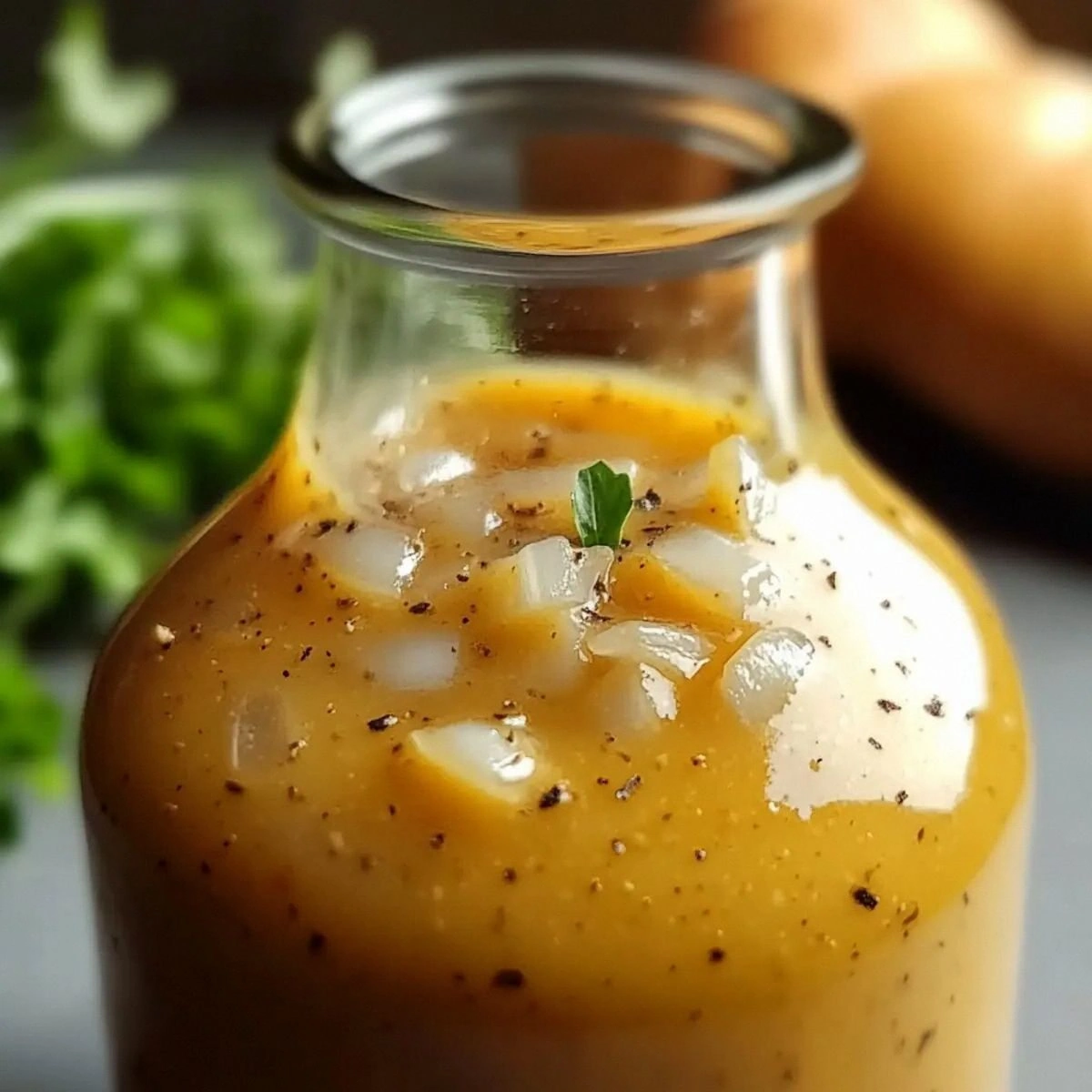
When the onions reach a deep amber hue, remove the skillet from the heat and let them cool for a minute. Then, using a hand blender or a sturdy fork, mash the onions into a coarse puree. You want some texture left—tiny bits of caramelized onion should still be visible, giving the sauce that delightful bite.
Now, combine the mashed onions with the whipped mayo. Stir gently, folding the mixture until it’s evenly incorporated. The sauce should turn a creamy, pale orange color, and you’ll notice a faint aroma of sweet onion mingling with the tang of mayo.
Add the sweeteners and acids: two tablespoons of granulated sugar, one tablespoon of apple cider vinegar, and one tablespoon of lemon juice. Whisk vigorously; the sugar will dissolve quickly, and the acids will brighten the overall flavor profile.
Watch Out: If you add the vinegar before the sugar, the sugar may crystallize; always add sugar first, then the acid.Stir in one tablespoon of soy sauce and one teaspoon of garlic powder. The soy sauce adds a salty umami depth, while the garlic powder provides a subtle aromatic background that doesn’t overpower the onion sweetness. Taste at this point—if the sauce feels a bit flat, a pinch more soy sauce will lift it.
Finally, fold in two tablespoons of finely sliced green onions. These add a fresh, slightly sharp contrast that brightens each spoonful. Give the sauce one last gentle stir, making sure the green onions are evenly distributed but still retain a bit of crunch.
Cover the bowl with plastic wrap and refrigerate for at least 30 minutes. This resting period allows the flavors to meld, and the sauce thickens slightly as the mayo absorbs the juices from the onions. Picture yourself pulling this out of the fridge, the whole kitchen smelling incredible… When you finally spoon it onto a sandwich, you’ll notice the sauce coats the bread like a silky veil.
That’s it — you did it. But hold on, I’ve got a few more tricks that’ll take this to another level…
Insider Tricks for Flawless Results
The Temperature Rule Nobody Follows
Never caramelize onions over high heat. Low‑and‑slow is the secret; it coaxed the sugars out without scorching, resulting in a buttery sweetness that’s impossible to achieve otherwise. I once tried a “quick‑fire” method and ended up with bitter, burnt bits that ruined the whole batch. Keep the skillet at a steady medium‑low, and you’ll get that golden‑brown perfection every time.
Why Your Nose Knows Best
When the onions start to give off a nutty, caramel scent, that’s your cue to stop stirring and let them sit for a few seconds longer. Your nose is a far better timer than any kitchen clock for this step. If you’re unsure, take a quick sniff; if the aroma is sweet and deep, you’re golden. A friend once ignored this and over‑cooked the onions, ending up with a sauce that tasted like burnt toast.
The 5‑Minute Rest That Changes Everything
Refrigerating the sauce isn’t just for food safety; it’s a flavor‑fusion step. During that 30‑minute rest, the sugar dissolves fully, the acids mellow, and the onions release even more of their sweet juices into the mayo. If you skip this, the sauce will taste bright but lack the deep, cohesive flavor that makes it unforgettable. Trust the chill, and you’ll be rewarded with a sauce that tastes like it’s been simmering all day.
The Green Onion Timing Trick
Add the green onions right before the final chill. If you fold them in too early, they can wilt and lose that fresh bite. By adding them at the end, you preserve their crisp snap, giving each spoonful a layered texture that keeps the palate interested.
Balancing Sweet and Salty
If you find the sauce leaning too sweet after the sugar and caramelized onions, a dash more soy sauce or a pinch of sea salt will bring it back into harmony. I once over‑sweetened a batch and rescued it with an extra half‑teaspoon of soy sauce and a squeeze of lemon—instant balance restored. Remember, the goal is a symphony, not a solo.
Creative Twists and Variations
This recipe is a playground. Here are some of my favorite ways to switch things up:
Spicy Chipotle Kick
Add one teaspoon of chipotle in adobo sauce, finely minced, for a smoky heat that pairs beautifully with grilled chicken. The smoky depth complements the sweet onions, creating a sauce that’s perfect for a Mexican‑inspired wrap.
Herb‑Infused Green Goddess
Swap the green onions for a mix of fresh dill, parsley, and chives, and add a teaspoon of fresh lemon zest. This bright, herbaceous version works wonders on roasted salmon or as a dip for fresh veggies.
Umami Boost with Miso
Replace half the soy sauce with white miso paste; the miso adds a deep, fermented richness that makes the sauce almost buttery. It’s a hit on steak sandwiches and even as a topping for baked potatoes.
Low‑Sugar Light Version
Cut the granulated sugar in half and replace the mayo with a blend of low‑fat Greek yogurt and a splash of olive oil. You’ll still get the creamy texture, but with fewer calories and a protein boost.
Caramelized Shallot & Balsamic
Use shallots instead of sweet onions and finish the caramelization with a drizzle of balsamic reduction. The tangy sweetness of balsamic adds a sophisticated twist perfect for gourmet burgers.
Storing and Bringing It Back to Life
Fridge Storage
Transfer the sauce to an airtight glass jar and store it in the refrigerator for up to seven days. The airtight seal prevents oxidation, keeping the bright color and fresh flavor intact. If the sauce thickens too much, simply stir in a teaspoon of water before using.
Freezer Friendly
Yes, you can freeze it! Portion the sauce into silicone muffin cups, cover tightly, and freeze for up to three months. When you’re ready to use it, thaw in the refrigerator overnight and give it a quick whisk to restore its silky texture.
Best Reheating Method
When you need to warm the sauce for a hot sandwich, place the desired amount in a small saucepan over low heat, adding a splash of water or extra lemon juice. Stir constantly; the gentle heat will loosen the sauce without separating the mayo. This trick brings it back to life as if it were freshly made.