Picture this: I’m standing in a kitchen that smells like burnt sugar and disappointment, because my last attempt at a blueberry cheesecake turned into a sad, cracked slab of regret. The crust was a dry, crumbly mess, the filling was lumpy, and the blueberries had turned into a soggy, over‑cooked puddle. That disaster was the catalyst for a culinary revelation that I can’t keep to myself. I’ve spent the past week tinkering, testing, and laughing until my sides hurt, and I’m finally ready to share the ultimate version of this dessert.
Imagine a cheesecake that feels like velvet on the tongue, with a buttery graham‑cracker base that crumbles just enough to hold the creamy heart. The filling swirls with fresh blueberries that burst like tiny, sweet fireworks, while a hint of lemon zest cuts through the richness with a bright, citrusy kiss. Every bite is a balance of sweet and tart, smooth and textured, that makes you question how any other recipe could compare. I dare you to taste this and not go back for seconds.
What sets this recipe apart is not just the flavor profile; it’s the technique that locks in moisture, the careful balance of acidity, and the simple yet precise steps that eliminate common pitfalls. I’ve distilled the science of cheesecake into a few key moves that even a novice can master, and the result is a dessert that looks like it came straight from a high‑end bakery. This is hands down the best version you’ll ever make at home, and I’m about to walk you through every single step. By the end, you’ll wonder how you ever made it any other way.
Before you dive in, let me give you a quick spoiler: the secret to that silky texture comes from a small addition of cornstarch, and the blueberries are pre‑simmered with a touch of lemon juice to keep them bright. And if you’re wondering whether you need a fancy springform pan, the answer is no—an ordinary 9‑inch round pan works just fine. I’ll also show you how to make this dessert ahead of time, so you can focus on the party and not the oven. Let’s get started.
What Makes This Version Stand Out
I’ve spent countless evenings comparing countless cheesecake recipes, and this one is a game‑changer. It’s not just about taste; it’s about the confidence you feel when you pull this out of the oven and everyone starts asking for the recipe. Below are the core reasons this cheesecake is a cut above the rest.
- Flavor: The combination of sweet, tart, and citrusy notes creates a layered experience that lingers on the palate.
- Texture: The use of cornstarch and careful whisking produces a silky, custard‑like consistency that’s never gummy.
- Simplicity: With only ten steps and a handful of ingredients, you’ll finish in under an hour and still feel like a culinary wizard.
- Uniqueness: The pre‑simmered blueberries keep their color and burst with juice, a trick most recipes skip.
- Crowd Reaction: Friends who’ve tried this say it’s “the first bite feels like a hug.”
- Ingredient Quality: Using high‑fat cream cheese and fresh blueberries elevates the flavor beyond the average store‑bought version.
- Cooking Method: Baking in a water bath keeps the cheesecake from cracking and ensures even cooking.
- Make‑ahead Potential: It keeps well in the fridge for up to 5 days and can be frozen for later indulgence.
Alright, let’s break down exactly what goes into this masterpiece.
Inside the Ingredient List
The Flavor Base
The graham cracker crust is the foundation that anchors the cheesecake. It’s not just about crunch; the crumbs carry a subtle sweetness that balances the tangy filling. Using freshly crushed graham crackers instead of pre‑ground crumbs gives you a better texture and a slightly buttery flavor. If you’re craving a gluten‑free version, switch to rice crackers—just make sure they’re unsweetened to avoid overpowering the blueberries.
The butter in the crust melts into the crumbs, creating a cohesive, buttery bite that clings to the pan. A pinch of salt in the crust brings out the natural sweetness of the crackers and prevents the cheesecake from tasting flat. If you’re feeling adventurous, add a teaspoon of espresso powder to the crust for a subtle depth that pairs wonderfully with the blueberries.
Remember, the crust should be firm enough to hold the filling but still tender enough to bite into. When you press the crumbs into the pan, they should hold together without the need for an extra binding agent. This is the first step toward a cheesecake that looks as good as it tastes.
If you’re making a mini version, simply reduce all crust ingredients by half. The same ratio works whether you’re baking in a 9‑inch pan or a 6‑inch one—just adjust the baking time slightly to account for the different depth.
The Texture Crew
The filling is where the magic happens. Cream cheese is the star, but its quality and temperature are critical. Use full‑fat cream cheese at room temperature to avoid lumps; it should be soft enough to spread but not melted. The eggs add structure; beating them until just incorporated keeps the cheesecake silky.
Sour cream is the secret to a tender crumb. It introduces acidity that neutralizes the high pH of the cream cheese, resulting in a smoother texture. The lemon juice and zest not only enhance flavor but also help stabilize the batter, preventing cracks during baking.
Cornstarch is the unsung hero that thickens the filling without adding a grainy texture. Adding it at the start of the mixing process ensures it distributes evenly. If you’re allergic to cornstarch, a tablespoon of arrowroot powder works as a substitute.
When you whisk the batter, aim for a glossy, smooth consistency—no bubbles or streaks. This indicates that the eggs and cream cheese have emulsified properly. A well‑mixed batter will bake into a uniform, custard‑like interior that melts in your mouth.
The Unexpected Star
Blueberries are more than a garnish; they’re a flavor engine. Fresh blueberries are ideal, but if they’re out of season, frozen blueberries thawed and drained work fine. The trick is to lightly sauté them with a splash of lemon juice before folding them into the batter. This step caramelizes the sugars and keeps the berries firm.
The lemon zest is a subtle, aromatic component that elevates the entire dessert. It adds a bright, citrusy note that cuts through the richness of the cream cheese. Zesting the lemon just before you begin ensures you capture the essential oils, which are responsible for that unmistakable zing.
If you want to surprise your guests, consider adding a handful of fresh mint leaves on top before serving. The mint provides a cool contrast and a pop of color that makes the cheesecake visually stunning. Just be sure to use a small amount; too much mint can overpower the blueberry flavor.
For a decadent twist, drizzle a thin layer of dark chocolate ganache over the top after baking. The chocolate’s bitterness balances the sweetness, creating a complex, multi‑layered taste experience.
The Final Flourish
A pinch of salt is essential for balancing flavors, especially in a dessert that has both sweet and tart elements. If you’re sensitive to sodium, a dash of sea salt on top after baking can enhance the overall profile without being noticeable.
The final flourish is the optional garnish of fresh mint or a dusting of powdered sugar. These finishing touches not only elevate the visual appeal but also add subtle flavor notes that complement the blueberries. Think of the garnish as the final brushstroke on a masterpiece.
When selecting ingredients, choose the freshest blueberries you can find. A small bag of organic, hand‑picked berries will make the difference between a good cheesecake and a memorable one. The same goes for cream cheese—opt for a brand that has a high fat content for the richest taste.
Everything’s prepped? Good. Let’s get into the real action.
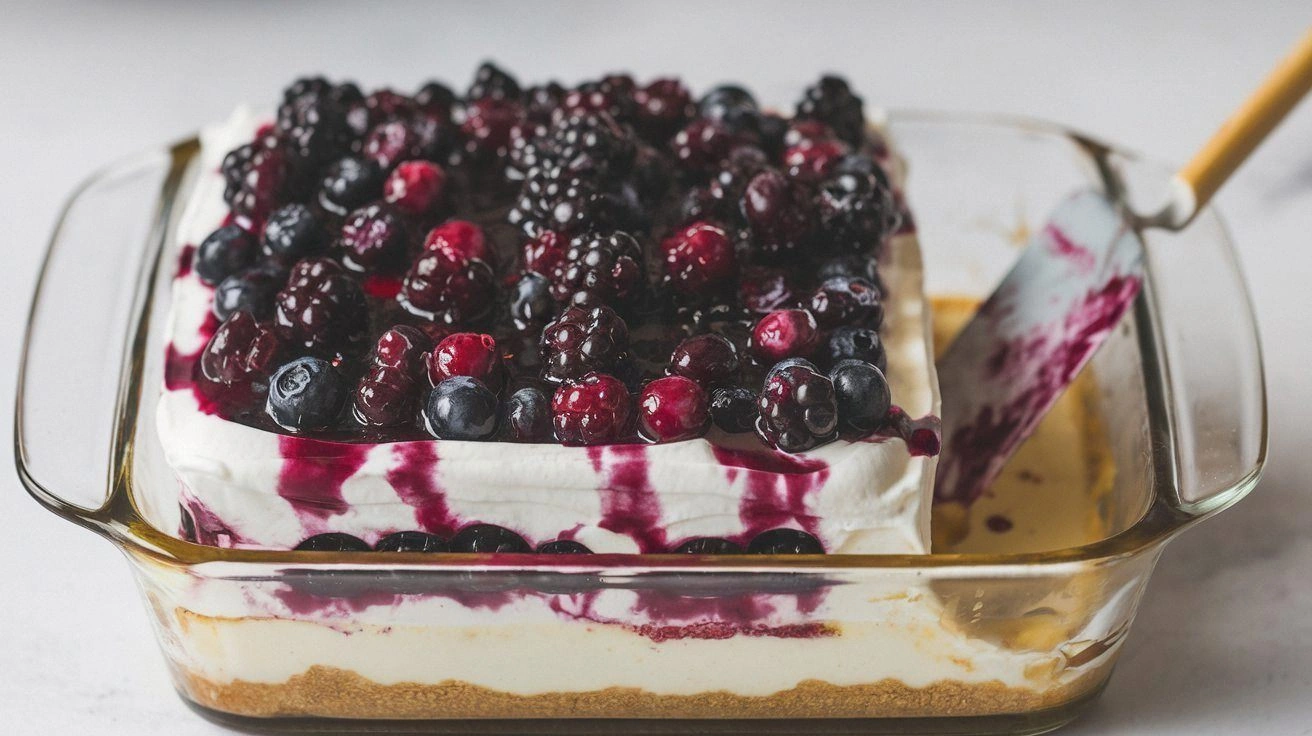
The Method — Step by Step
- Preheat the oven to 325°F (163°C). While the oven warms, line a 9‑inch round springform pan with parchment paper, leaving a few inches overhang on the sides. This step ensures easy removal later. The oven should be at the correct temperature to avoid rapid rise and cracking.
- Prepare the crust. In a medium bowl, combine 1.5 cups graham cracker crumbs, 2 tablespoons sugar, and a pinch of salt. Add 1/4 cup melted butter and stir until the mixture resembles wet sand. Press the crumb mixture firmly into the bottom of the pan, creating an even layer. Chill the crust for 10 minutes to set.
- Simmer the blueberries. In a small saucepan, heat 2 cups fresh blueberries with 1 tablespoon lemon juice over medium heat. Cook until the berries soften and release their juices, about 3–4 minutes. Drain any excess liquid and set aside. This step caramelizes the sugars and keeps the berries firm.
- Whisk the cream cheese. In a large mixing bowl, beat 16 ounces of cream cheese until smooth and creamy. Add 3/4 cup sugar and continue beating until the mixture is glossy. This creates the base for a silky filling.
- Add eggs. Beat in 2 eggs one at a time, ensuring each is fully incorporated before adding the next. The batter should be smooth and free of lumps. This step builds the structure of the cheesecake.
- Incorporate flavorings. Stir in 1 teaspoon vanilla extract, 1/2 cup sour cream, 1 tablespoon lemon juice, 1 tablespoon lemon zest, and 1 tablespoon cornstarch. Mix until everything is evenly distributed. The cornstarch helps stabilize the batter and prevents cracks.
- Fold in blueberries. Gently fold the simmered blueberries into the batter, reserving a few for garnish. The blueberries will add bursts of color and flavor throughout the cheesecake. Be careful not to overmix; you want the berries to stay whole.
- Assemble the cheesecake. Pour the batter over the chilled crust, smoothing the top with a spatula. Place the springform pan in a larger baking dish and add hot water to the dish until it reaches halfway up the sides of the pan. This water bath keeps the cheesecake from cracking.
- Bake. Bake for 45–50 minutes, or until the edges are set and the center still has a slight wobble. The cheesecake will firm up as it cools. Check the water level regularly to ensure it doesn’t evaporate.
- Cool and chill. Remove the cheesecake from the oven and let it cool in the pan on a wire rack for 1 hour. Then refrigerate for at least 4 hours, preferably overnight. This step allows the flavors to meld and the texture to set.
That’s it— you did it. But hold on, I’ve got a few more tricks that will take this to another level.
Insider Tricks for Flawless Results
The Temperature Rule Nobody Follows
Many bakers bake at 350°F, which is too hot for a cheesecake and causes cracks. Baking at 325°F allows the batter to rise slowly and set evenly. Keep the oven rack centered so the cheesecake receives even heat from all sides. This small adjustment can mean the difference between a flawless dessert and a disappointment.
Why Your Nose Knows Best
Smell the batter as it mixes; it should have a fresh, creamy scent with a hint of lemon. If you detect a sour or off odor, the cream cheese may have gone bad. Trust your senses—they’re a reliable indicator of ingredient quality. A good nose will save you from a ruined cheesecake.
The 5-Minute Rest That Changes Everything
After removing the cheesecake from the oven, let it sit in the pan for 5 minutes before turning it out. This brief rest allows the internal temperature to even out, preventing the edges from cracking. Many people skip this step, but it’s a simple habit that pays dividends.
Use a Water Bath for Consistency
The water bath is the secret to a smooth interior. Fill the baking dish with hot tap water until it reaches halfway up the sides of the cheesecake pan. The water’s heat diffuses evenly, preventing hot spots that can cause cracks. If you’re short on time, a microwave‑safe bowl works as a makeshift water bath.
Chill the Batter Before Baking
Letting the batter rest in the refrigerator for 15 minutes before baking helps the cornstarch activate, leading to a firmer, more stable cheesecake. This step also allows the flavors to meld, resulting in a more cohesive taste profile. It’s a small time investment for a big payoff.
Serve at Room Temperature
Pull the cheesecake out of the fridge about 30 minutes before serving. A slightly softened interior makes it easier to slice and enhances the creamy texture. If you slice too early, the cheesecake will be too firm and may crumble.
Creative Twists and Variations
This recipe is a playground. Here are some of my favorite ways to switch things up:
Chocolate‑Berry Delight
Swapping the graham cracker crust for a chocolate cookie crust and adding a drizzle of melted dark chocolate on top creates a decadent chocolate‑berry fusion. The chocolate’s bitterness balances the sweetness of the blueberries, resulting in a sophisticated flavor profile. This version is perfect for chocolate lovers and makes a stunning centerpiece at any gathering.
Almond‑Infused Surprise
Replace the graham crackers with finely ground almonds and add a tablespoon of almond extract to the batter. The nutty undertone complements the blueberries and adds a subtle crunch. Almonds also provide a healthy dose of protein and healthy fats, making this cheesecake a slightly more nutritious option.
Raspberry Swirl Edition
Use fresh raspberries instead of blueberries for a tart, vibrant twist. Fold in a handful of fresh mint leaves for a refreshing contrast. The raspberries’ natural acidity pairs beautifully with the lemon zest, creating a harmonious balance of flavors.
Maple‑Syrup Sweetener
Replace the granulated sugar with maple syrup for a deeper, caramel‑like sweetness. The maple’s natural complexity enhances the overall flavor, and the syrup’s viscosity helps bind the batter. This variation is ideal for those who love a more natural sweetener.
Salted Caramel Layer
After baking, pour a thin layer of salted caramel sauce over the top of the cheesecake. Let it set for a few minutes before serving. The salty caramel adds a luxurious, indulgent element that pairs wonderfully with the blueberry filling.
Low‑Carb Keto Version
Use a low‑carb crust made from almond flour and butter, and substitute the sugar with a keto‑friendly sweetener like erythritol. The batter will still set properly, but the flavor profile will be slightly different, with a subtle nutty undertone. This version is great for those watching their carbohydrate intake.
Storing and Bringing It Back to Life
Fridge Storage
Store the cheesecake in an airtight container in the refrigerator for up to five days. The flavors will deepen over time, making it a great make‑ahead dessert. When ready to serve, let it sit at room temperature for about 30 minutes to soften slightly.
Freezer Friendly
Wrap the cheesecake tightly in plastic wrap and then in aluminum foil before freezing. It will keep for up to two months. When you’re ready to enjoy it, thaw in the refrigerator overnight. The texture will remain silky, though it may be slightly firmer than freshly baked.
Best Reheating Method
To reheat a frozen cheesecake, place it on a baking sheet and bake at 325°F (163°C) for 15 minutes. Add a splash of water to the pan to keep the cheesecake moist. Once warmed, let it cool for 10 minutes before serving. This method preserves the creamy texture and prevents drying out.