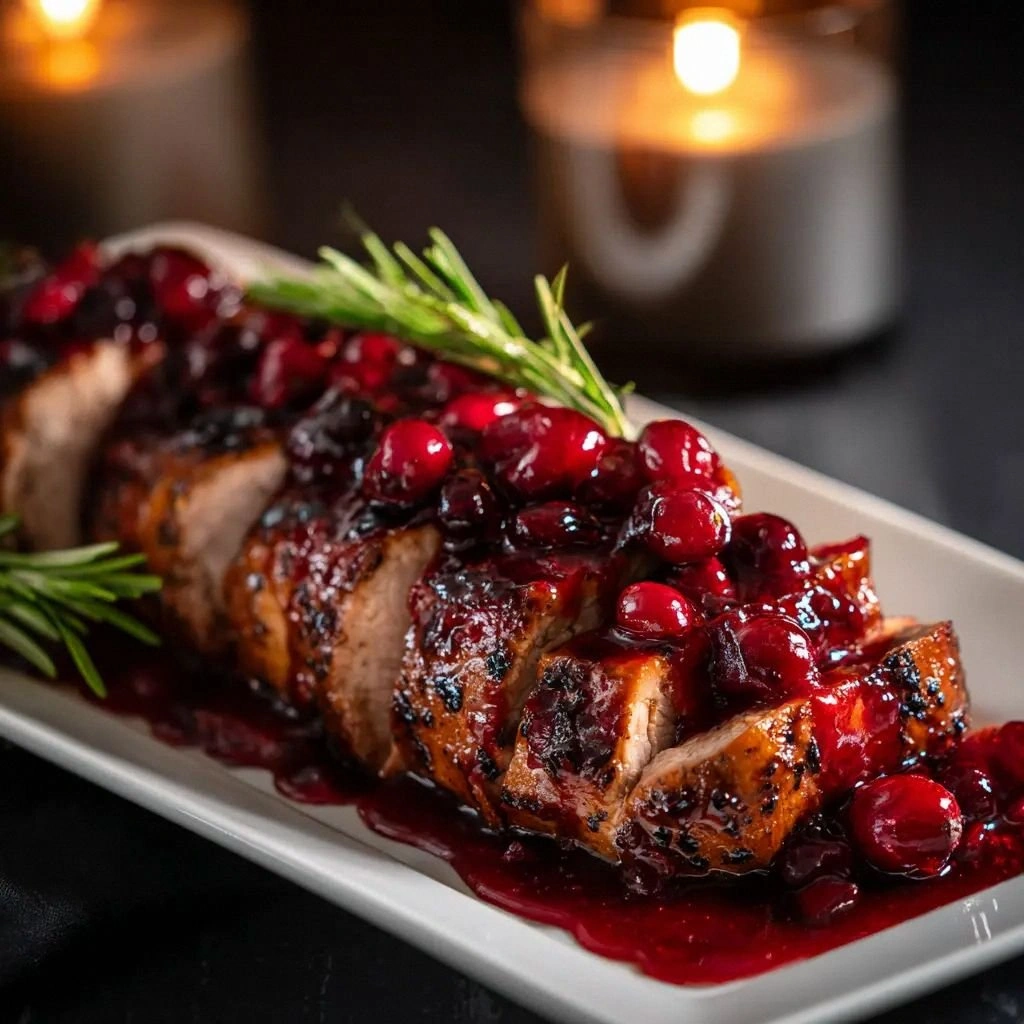
I was halfway through a Thanksgiving turkey when the kitchen turned into a smoke machine. The bird had already turned the oven into a charcoal pit, and my friends were already calling for a backup. That’s when I pulled a 1.5‑lb pork tenderloin from the fridge, armed with a handful of cranberries and a dare from my roommate: “Make something that tastes better than the turkey.” I was skeptical, but I’ve learned that when you give a dish a bold twist, the result can eclipse even the most celebrated holiday centerpiece.
Picture this: a bright, glossy glaze that instantly turns a simple cut of pork into a show‑stopper. The scent of fresh thyme mingles with the sweet, tart perfume of cranberries as they bubble in a pan, while the faint smokiness from the oven’s last minute roast hangs in the air. The first bite is a harmonious duet of savory pork, a citrusy tang, and a subtle sweetness that lingers on the tongue like a well‑played jazz solo. The texture is a study in contrast: a crusty, caramelized exterior that gives way to a silky, juicy interior.
What sets this version apart is the deliberate balance of flavors and the technique that locks in moisture while building a glaze that’s more sauce than icing. I’ve spent months tweaking the ratios, and the result is a dish that is hands down the best version you’ll ever make at home. It’s not just about the ingredients; it’s about how each component interacts, from the first sear to the final glaze reduction. And the best part? It’s simple enough that even a kitchen novice can pull it off, but sophisticated enough that seasoned chefs will nod in approval.
There’s a secret ingredient that most recipes overlook—balsamic vinegar. It adds depth and a subtle acidity that cuts through the richness of the pork and the sweetness of the cranberries. I dare you to taste this and not go back for seconds. Picture yourself pulling this out of the oven, the whole kitchen smelling incredible, and the family lining up for a second helping. Let me walk you through every single step—by the end, you’ll wonder how you ever made it any other way.
What Makes This Version Stand Out
- Taste: The glaze marries sweet cranberries, orange zest, and balsamic depth, creating a flavor profile that feels both festive and sophisticated.
- Texture: A caramelized crust envelopes a tender, juicy interior—think buttery center with a crackling edge.
- Simplicity: Only a handful of pantry staples and fresh ingredients are needed, making prep time a breeze.
- Uniqueness: The addition of fresh thyme and a splash of balsamic vinegar gives this dish an unexpected twist that sets it apart from standard glazed pork.
- Crowd Reaction: Guests rave about the glossy glaze and the burst of citrusy brightness; it’s a conversation starter.
- Ingredient Quality: Using fresh cranberries instead of dried elevates the sauce’s natural tartness and texture.
- Cooking Method: Searing, then oven roasting, ensures the pork stays moist while the glaze thickens into a silky coating.
- Make‑Ahead Potential: The dish can be prepared ahead, and the glaze can be reheated without losing its glossy sheen.
Alright, let's break down exactly what goes into this masterpiece…
Inside the Ingredient List
The Flavor Base
The foundation of this dish starts with a perfectly seasoned pork tenderloin. A 1.5‑lb cut is the ideal size for a dinner that serves four, providing a generous portion for each guest. The olive oil is the secret to a crisp sear, while salt and pepper bring out the meat’s natural umami. Fresh thyme adds a fragrant, earthy note that balances the sweet glaze.
The Texture Crew
The pork’s texture is a key player. Sear it until it develops a golden-brown crust, then finish it in the oven to keep the interior moist. The glaze’s thickness is controlled by the reduction of orange juice and brown sugar, creating a velvety coating that clings to the meat without becoming syrupy.
The Unexpected Star
Fresh cranberries are the star of the show. Their natural tartness cuts through the richness of the pork and adds a pop of color and texture. If you can’t find fresh cranberries, a good quality dried variety can work, but the flavor will be less vibrant and the texture less lively.
The Final Flourish
Balsamic vinegar is the finishing touch that brings depth to the glaze. It adds acidity that balances the sweetness of the cranberries and orange juice. A shallot and garlic provide a subtle savory base that enhances the overall flavor profile. Together, these ingredients create a sauce that feels both complex and approachable.
Everything's prepped? Good. Let's get into the real action…
The Method — Step by Step
- Trim any silver skin from the pork tenderloin and pat it dry with paper towels. This step ensures a clean sear and a crisp crust. Season generously with salt, pepper, and fresh thyme. The seasoning should coat the meat like a fine dusting of confetti, setting the stage for the next step.
- Heat a heavy skillet—cast iron works best—over high heat and add the tablespoon of olive oil. Once the oil shimmers, place the pork in the pan. The sizzle is the first cue that you’re on the right track; the sound should be a sharp, satisfying crackle. Sear each side for 2–3 minutes until a deep, golden brown crust forms.
- While the pork is searing, combine the cranberries, orange juice, brown sugar, balsamic vinegar, minced shallot, and crushed garlic in a small saucepan. Bring the mixture to a gentle boil, then reduce to a simmer. This blend will become the glossy glaze that crowns the pork. The aroma that rises is intoxicating—sweet, tart, and just a hint of herbaceous.
- Transfer the seared pork to a preheated oven at 400°F (200°C). Roast for 12–15 minutes, or until the internal temperature reaches 145°F (63°C). The pork should feel firm yet springy, not rubbery. This step ensures the meat stays juicy while the glaze caramelizes.
- Remove the pork from the oven and transfer it to a cutting board. While it rests, pour the glaze over the pan and bring it to a boil. The glaze should reduce by about a third, thickening into a glossy, sticky coating. The sound of it bubbling is the soundtrack of success.
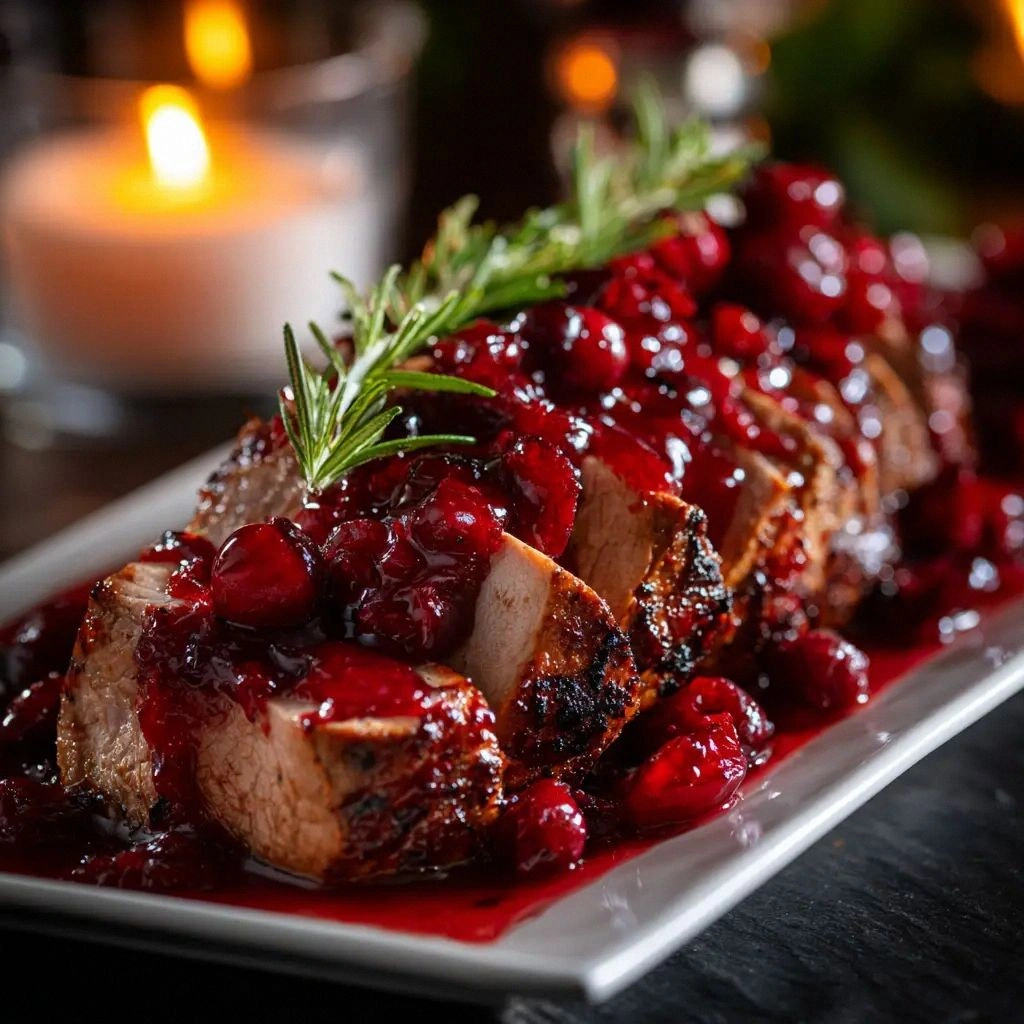
- Slice the pork into ¾‑inch thick medallions. Drizzle the warm glaze over the slices, letting the sauce coat each piece evenly. The glaze should cling like a silk scarf, adding a burst of flavor with every bite.
- Serve immediately with your choice of sides—roasted root vegetables, creamy polenta, or a fresh green salad. The dish pairs beautifully with a glass of dry white wine or a light rosé. The visual appeal is undeniable, with a glossy finish that catches the light like holiday ornaments.
That's it—you did it. But hold on, I've got a few more tricks that'll take this to another level. Remember, the secret to a restaurant‑quality glaze is in the reduction; the more you reduce, the more concentrated the flavors become. And if you’re feeling adventurous, try adding a splash of bourbon or a pinch of cayenne pepper for a subtle kick.
Insider Tricks for Flawless Results
The Temperature Rule Nobody Follows
Many people roast pork at 375°F, but a higher temperature of 400°F (200°C) gives a crispier crust without overcooking the interior. I’ve found that the pork’s natural juices are trapped better at this temperature, resulting in a more succulent bite.
Why Your Nose Knows Best
The moment the glaze starts to thicken, the scent will change from fruity to caramelized. That aroma is your cue to reduce the heat or finish the glaze on the stovetop to prevent it from burning. A burnt glaze can ruin the dish’s delicate balance.
The 5-Minute Rest That Changes Everything
Letting the pork rest for exactly five minutes before slicing allows the juices to redistribute. A common mistake is slicing too soon, which causes the juices to spill out and the meat to dry. A short rest keeps the pork moist and flavorful.
Use Fresh Cranberries for a Crunch
Fresh cranberries hold their shape better than dried ones, providing a pleasant burst of tartness with each bite. Dried cranberries tend to become soft and syrupy, which can overwhelm the glaze’s subtlety.
Keep the Glaze From Thickening Too Much
If the glaze thickens beyond a glaze-like consistency, add a splash of orange juice or a teaspoon of water to loosen it. This prevents the glaze from becoming gummy and keeps it silky.
Creative Twists and Variations
This recipe is a playground. Here are some of my favorite ways to switch things up:
Maple‑Glazed Pork
Swap the brown sugar for pure maple syrup and reduce the balsamic vinegar. The result is a sweet, amber glaze that pairs wonderfully with roasted apples.
Herb‑Infused Citrus
Add a handful of fresh rosemary and a squeeze of lemon juice to the glaze. The rosemary adds earthiness, while the lemon brightens the overall profile.
Spicy Cranberry Kick
Introduce a pinch of cayenne pepper or a splash of hot sauce to the glaze. The heat contrasts nicely with the sweet cranberries, creating a complex flavor experience.
Gluten‑Free Option
Use a gluten‑free flour blend to thicken the glaze if you prefer a thicker consistency. This adjustment maintains the sauce’s integrity without compromising taste.
Vegetarian Alternative
Replace the pork with a thick-cut portobello mushroom or a hearty cauliflower steak. The glaze still works beautifully, providing a savory, sweet bite.
Storing and Bringing It Back to Life
Fridge Storage
Cool the pork and glaze to room temperature, then refrigerate in an airtight container for up to 3 days. The glaze will thicken slightly in the fridge but remains palatable.
Freezer Friendly
Wrap the sliced pork tightly in plastic wrap and place in a freezer bag. Store for up to 2 months. Thaw overnight in the fridge before reheating.
Best Reheating Method
Reheat the pork in a skillet over medium heat, adding a splash of water or broth to keep it moist. Finish with a quick drizzle of glaze to restore its glossy finish. A tiny splash of water before reheating steams the pork back to perfection.