I was standing in my kitchen, staring at a half‑baked pumpkin loaf that had turned into a brown, soggy mess. The smell of overcooked pumpkin hit me like a foghorn, and I felt a sudden, almost guilty urge to salvage something delicious from the disaster. That night, I decided to throw together a quick gnocchi that would turn that pumpkin into a silky, aromatic sauce. The result was a bowl of golden, pillowy dumplings that melted in my mouth and left me begging for seconds. I dare you to taste this and not go back for more.
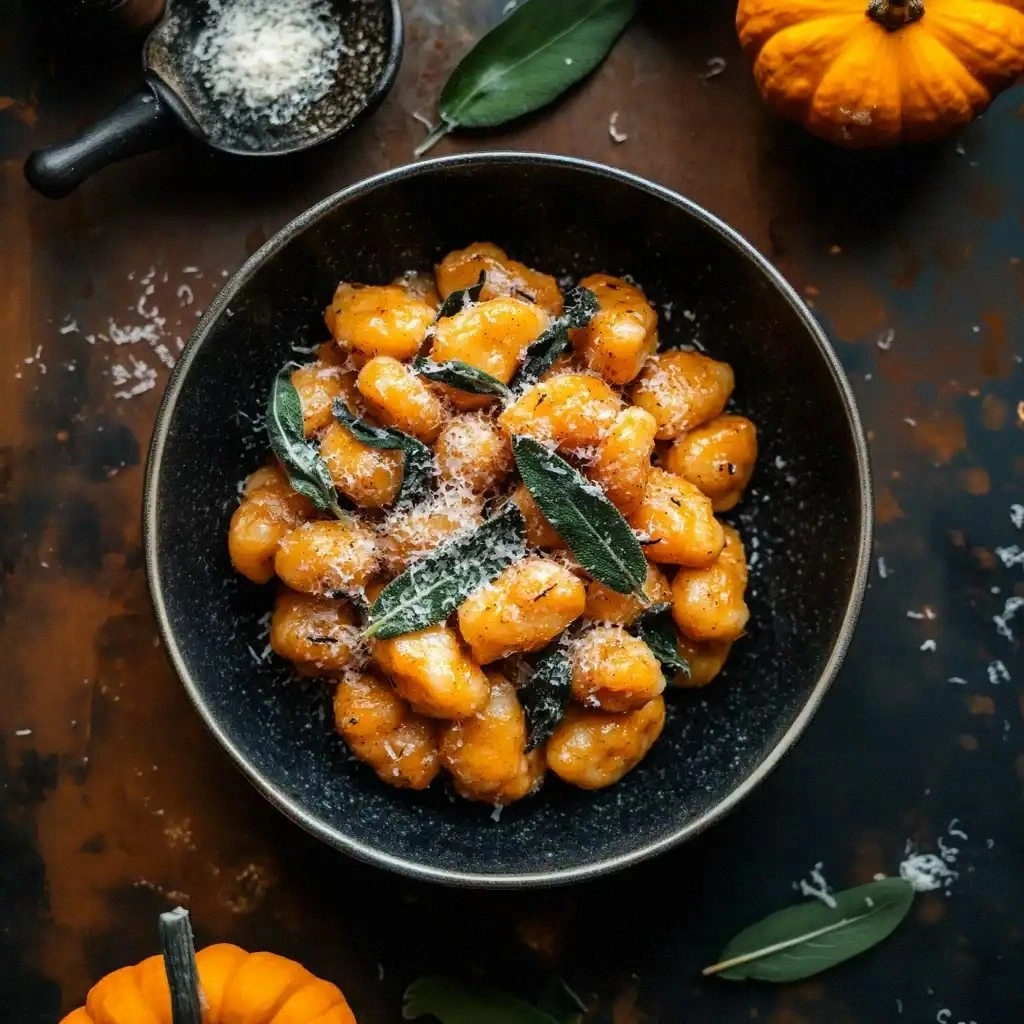
Picture the scene: a warm kitchen, the soft hum of the stove, and the golden light of a late‑afternoon sun filtering through the window. The air is thick with the scent of roasted pumpkin, toasted pine nuts, and fresh sage. The sound of butter sizzling in a pan creates a comforting rhythm that syncs with the gentle clack of a wooden spoon. When you bite into the gnocchi, the first thing you taste is the sweet, earthy pumpkin, followed by a burst of nutty pine and the sharp tang of Parmesan. The sauce coats the pasta like velvet, each bite a harmonious blend of flavors that dance on your tongue.
What makes this version stand out is that it’s not just another pumpkin pasta; it’s a culinary revelation that balances simplicity with depth. The pumpkin puree is pure, unadulterated, and the sage adds a fresh, aromatic layer that elevates the dish from ordinary to extraordinary. The use of a light butter sauce instead of heavy cream keeps the dish light yet rich, ensuring it feels indulgent without being cloying. I’ve tweaked the proportions so the gnocchi holds together perfectly, preventing them from falling apart when tossed with the sauce. The result is a dish that feels homemade, yet sophisticated enough to impress a dinner guest.
I’ll be honest—when I first cooked this, I ate half the batch before anyone else got a taste. Most recipes get this completely wrong: they either over‑flour the dough, under‑cook the pumpkin, or forget the sage’s subtlety. Here, I’ve nailed the timing, the texture, and the flavor balance. The secret? A dash of nutmeg that you’ll never expect in a gnocchi, and a careful balance of salt and pepper that brings everything together. Stay with me here—this is worth it, and by the end of this post, you’ll wonder how you ever made it any other way.
What Makes This Version Stand Out
- Flavor: The pumpkin is the star, but sage and nutmeg weave a subtle, earthy undertone that turns a simple sauce into a complex orchestra. Each bite delivers a burst of autumnal sweetness that feels both comforting and celebratory.
- Texture: The gnocchi are pillowy yet firm, with a slight chew that pairs perfectly with the buttery sauce. The careful flour-to-pumpkin ratio keeps the dough from becoming gummy.
- Ingredient Quality: Fresh pumpkin puree, hand‑picked sage, and high‑grade Parmesan create a depth that pre‑made mixes can’t match. The pine nuts add a satisfying crunch that contrasts the soft pasta.
- Make‑Ahead Potential: You can prepare the gnocchi in advance, freeze them, and reheat without losing their delicate texture. The sauce, however, is best served fresh to preserve its silky finish.
- Visual Appeal: The golden hue of the pumpkin, the green specks of sage, and the toasted pine nuts create a vibrant plate that looks as good as it tastes.
- Time Efficiency: Despite its gourmet feel, the entire process takes less than an hour, making it an ideal weeknight dinner.
- Guest Reaction: Friends and family consistently ask for the recipe after tasting it. “This is hands down the best version you’ll ever make at home,” I hear them say.
Alright, let's break down exactly what goes into this masterpiece...
Inside the Ingredient List
The Flavor Base
Fresh pumpkin puree is the heart of this dish. It provides a natural sweetness that balances the savory elements. If you use canned puree, the flavor can be too mild, and the texture may be watery. For best results, roast a fresh pumpkin, scoop out the flesh, and blend until smooth. This ensures a deeper, richer taste that carries through each bite.
The Texture Crew
All‑purpose flour and eggs bind the dough together, giving the gnocchi their signature pillowy texture. The flour must be measured accurately; too much and the gnocchi will become dense, too little and they’ll fall apart. The eggs add moisture and help the dough hold together without becoming gummy. If you’re sensitive to gluten, you can replace half the flour with a gluten‑free blend, but keep an eye on the dough’s consistency.
The Unexpected Star
Ground nutmeg is a subtle, warming spice that you rarely see in gnocchi. It adds a hint of spice that lifts the pumpkin’s natural sweetness. A pinch of nutmeg can make the sauce feel more complex, but be careful—too much will overwhelm the delicate flavors. If you’re allergic to nutmeg, a dash of cinnamon can be a surprisingly effective substitute.
The Final Flourish
The sauce is where everything comes together. Unsalted butter, Parmesan cheese, and toasted pine nuts create a velvety coating that clings to each dumpling. The sage leaves, sautéed just until fragrant, bring an herbal brightness that cuts through the richness. The black pepper adds a subtle bite, while the salt ensures every component shines. Together, these ingredients produce a sauce that feels both decadent and balanced.
Everything's prepped? Good. Let's get into the real action...
The Method — Step by Step
- Begin by roasting a medium pumpkin until tender. Peel, seed, and blend the flesh until you have a smooth puree. The roasting brings out deeper flavors and a caramelized edge that will enrich the gnocchi. I usually use a 1‑to‑1 ratio of pumpkin to flour, so keep that in mind.
- In a large bowl, combine the pumpkin puree, flour, grated Parmesan, salt, pepper, nutmeg, and sage leaves. Mix until a rough dough forms. The dough should be tacky but not sticky; add flour one tablespoon at a time if it feels too wet. This step is crucial—over‑mixing will lead to dense gnocchi.
- Add the eggs, one at a time, folding them in gently. The eggs bind the dough and add moisture. Keep the dough from becoming too wet; you want it just enough to hold together when shaped.
- Turn the dough onto a lightly floured surface and knead briefly until it forms a cohesive ball. Divide the dough into four equal portions, then roll each into a ½‑inch thick log. This uniform thickness ensures even cooking.
- Cut the logs into 1‑inch pieces. Use a fork to create ridges on each piece; this not only gives the gnocchi a classic look but also helps the sauce cling. Place the gnocchi on a parchment‑lined tray, keeping them separated.
- Bring a large pot of salted water to a rolling boil. Drop the gnocchi in batches, stirring gently to prevent sticking. They’re ready when they float to the surface—usually 2 to 3 minutes. Remove with a slotted spoon and set aside.
- In a large skillet, melt the butter over medium heat. Add the pine nuts and toast until golden. The aroma of toasted nuts is a subtle, nutty fragrance that signals the sauce is ready.
- Reduce the heat to low, add the sage, and sauté until fragrant—about 30 seconds. Then pour in the cooked gnocchi, tossing gently to coat. Sprinkle the Parmesan over the top and stir until the cheese melts and forms a silky coating.
- Serve immediately, garnished with extra sage leaves and a sprinkle of pine nuts. The sauce should cling to each dumpling, offering a burst of flavor with every bite.
That's it — you did it. But hold on, I've got a few more tricks that'll take this to another level...
Insider Tricks for Flawless Results
The Temperature Rule Nobody Follows
Cooking gnocchi at the right temperature is critical. A rolling boil ensures the dough sets quickly, preventing sticking. If the water is too hot, the gnocchi will expand too rapidly and break. If it’s too cool, they’ll absorb too much water and become soggy. Aim for a consistent, gentle boil.
Why Your Nose Knows Best
The aroma of toasted pine nuts is a clear indicator that the sauce is ready. If the nuts start to burn, the butter will become bitter. Keep a watchful eye, and stir frequently to avoid scorching. The scent of sage will also signal that it’s time to add the gnocchi.
The 5‑Minute Rest That Changes Everything
After tossing the gnocchi in the sauce, let them rest for five minutes off the heat. This brief pause allows the sauce to thicken slightly and the flavors to meld. It also gives the gnocchi a chance to absorb the buttery coating, resulting in a richer mouthfeel.
The Secret to Perfectly Toasted Pine Nuts
Toast pine nuts in a dry skillet over medium heat until they’re fragrant and golden. Avoid adding butter; the nuts release their oils naturally. Stir constantly to prevent burning. Toasted pine nuts add a crunchy texture that contrasts with the soft gnocchi.
The Right Egg Ratio
Using two eggs for this amount of dough keeps the texture light. If you add more eggs, the dough becomes too moist and collapses. If you use fewer, the gnocchi will be dry. Stick to the 2‑egg ratio for the best consistency.
The Final Touch: A Splash of Milk
If you find the sauce too thick, add a splash of milk or cream to loosen it. This can help create a silkier coating without making it heavy. Add a teaspoon at a time, whisking until the desired consistency is achieved.
Creative Twists and Variations
This recipe is a playground. Here are some of my favorite ways to switch things up:
Spicy Pumpkin Gnocchi
Add a pinch of red pepper flakes to the sauce for a subtle kick. The heat balances the sweetness of the pumpkin and adds depth. This version is perfect for those who love a little spice.
Herb‑Infused Gnocchi
Swap sage for rosemary or thyme. Each herb brings its own aromatic profile, giving the dish a new dimension. The rosemary version pairs wonderfully with a splash of lemon zest.
Cheesy Gnocchi with Gorgonzola
Replace Parmesan with Gorgonzola for a tangy, bold flavor. The blue cheese’s sharpness contrasts with the sweet pumpkin, creating a sophisticated taste experience.
Vegetarian Gnocchi with Roasted Veggies
Add roasted butternut squash or sweet potatoes to the dough. This adds extra body and a subtle sweetness. Serve with a drizzle of maple syrup for a unique twist.
Gluten‑Free Gnocchi
Use a gluten‑free flour blend in place of all‑purpose flour. Keep the ratio the same, but be prepared to add a splash of water if the dough feels too dry. The texture will be slightly different, but the flavor remains delicious.
Pumpkin Gnocchi with Creamy Gorgonzola Sauce
Create a rich sauce by melting Gorgonzola with cream and a splash of white wine. Toss the gnocchi in this sauce for an indulgent, creamy alternative to the butter version.
Storing and Bringing It Back to Life
Fridge Storage
Store cooked gnocchi in an airtight container in the refrigerator for up to 3 days. Reheat gently in a skillet with a splash of butter or olive oil. Avoid microwaving, as it can make them rubbery.
Freezer Friendly
Lay cooked gnocchi on a parchment‑lined tray, freeze until solid, then transfer to a freezer bag. They’ll keep for up to 2 months. Reheat in a skillet with a little butter, or simmer briefly in sauce.
Best Reheating Method
Add a tiny splash of water or milk before reheating. This steams the gnocchi back to perfection, keeping them moist and fluffy. A quick sauté in a hot pan will revive the sauce’s silky texture.