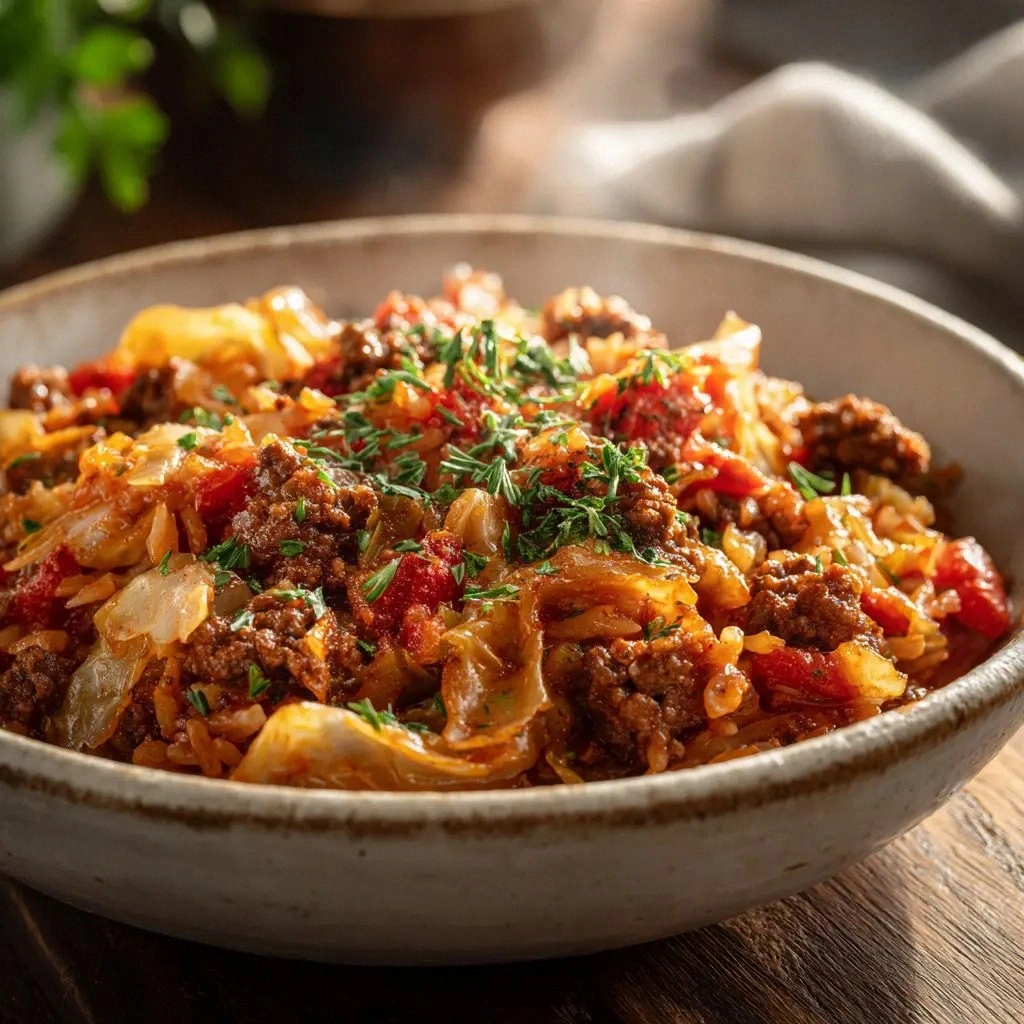
Picture this: the kitchen is a chaotic orchestra, pots clanging, the oven timer blaring, and you standing in the middle, clutching a recipe that feels like a dare from a friend who knows your culinary limits. I was sweating over a bland casserole that had been a disappointment for months, and my roommate, a self‑proclaimed “food wizard,” laughed and said, “I dare you to taste this and not go back for seconds.” That challenge sparked a culinary revolution, and I pulled out a humble crockpot, a head of cabbage, and a bag of ground beef that had been languishing in my fridge. The moment the sizzling mixture hit the pan, the kitchen filled with a savory aroma that made my stomach growl in anticipation. It was a moment of triumph, a reminder that comfort food can be elevated with a few secret twists.
I was honest—I ate half the batch before anyone else got a taste. The flavors exploded: the tomato sauce draped the rice like velvet, the paprika kissed the beef with a smoky whisper, and the cabbage added a subtle crunch that shattered like thin ice when you bite into it. Most recipes get this completely wrong, treating cabbage as a sidekick, but here it takes center stage, hugging the meat and sauce in a hearty embrace. Picture yourself pulling this out of the oven, the whole kitchen smelling incredible, and the table set for a crowd that will beg for the recipe. That’s the kind of culinary fireworks that only the right combination of ingredients and technique can deliver.
This isn’t just another casserole; it’s a game‑changer. The crockpot does the heavy lifting, letting the flavors mingle for hours, while the fresh cabbage adds a satisfying bite that keeps the dish from becoming mushy. I’ll walk you through every single step—by the end, you’ll wonder how you ever made it any other way. Let’s dive into the world where comfort meets creativity, and every bite tells a story.
What Makes This Version Stand Out
- Flavor Depth: The combination of tomato sauce, diced tomatoes, and a splash of beef broth creates a sauce that coats the rice and meat like a silky blanket, intensifying each bite with a savory richness that lingers on the palate.
- Texture Contrast: Fresh cabbage leaves provide a crisp, slightly sweet counterpoint to the tender beef and soft rice, preventing the dish from turning into a one‑dimensional mush.
- Ease of Prep: All the work is done before the crockpot takes over—no stirring, no constant monitoring, just set it and forget it until the timer rings.
- Make‑Ahead Friendly: This casserole can be assembled the night before, refrigerated, and cooked the next day, making it a lifesaver for busy weeknights.
- Audience Appeal: Whether you’re feeding a family, a group of college friends, or a potluck crowd, the hearty flavors and comforting textures resonate with all.
- Ingredient Quality: Using lean ground beef keeps the dish balanced, while the fresh cabbage brings a burst of color and nutrients that elevate the overall health profile.
- Method Simplicity: The crockpot’s low‑heat setting ensures that the beef stays juicy, the rice absorbs the sauce, and the cabbage softens perfectly without overcooking.
- Versatility: Swap the beef for turkey, add a splash of red wine, or sprinkle grated cheese on top—each variation keeps the core concept intact while offering new flavor adventures.
Alright, let's break down exactly what goes into this masterpiece…
Inside the Ingredient List
The Flavor Base
Ground beef is the heart of this casserole. It’s packed with protein and, when cooked to a perfect brown, releases a savory umami that anchors the dish. Skipping it would leave the casserole feeling empty; the sauce would be the only thing holding everything together. For a leaner option, swap the beef for ground turkey or chicken—just keep the ratio the same, and you’ll maintain the moisture level.
The Texture Crew
Rice and cabbage are the dynamic duo that give this casserole its character. The rice absorbs the sauce, becoming fluffy and flavorful, while the cabbage provides a subtle crunch that breaks up the softness. If you prefer a lower-carb version, replace the rice with cauliflower rice; it will still soak up the sauce but with fewer calories and a lighter feel.
The Unexpected Star
The diced tomatoes and tomato sauce might seem like a standard pairing, but together they create a complex tomato base that’s both acidic and sweet. This balance cuts through the richness of the beef and keeps the dish from feeling heavy. If you’re a fan of a spicier profile, add a pinch of crushed red pepper flakes to the sauce for a subtle kick.
The Final Flourish
Paprika, oregano, salt, and pepper are the finishing touches that elevate the flavor profile. Paprika adds a smoky depth, oregano brings an herbaceous note, and the pepper and salt bring everything together. Don’t underestimate the power of these seasonings; a slight tweak can transform the dish from ordinary to extraordinary.
Everything's prepped? Good. Let's get into the real action…
The Method — Step by Step
- Heat a large skillet over medium‑high heat. Add the ground beef, breaking it into crumbles with a wooden spoon. Let it brown for about 5 minutes, until no pink remains. This step creates a caramelized crust that adds depth; the sizzling sound is the first hint of the dish’s promise.
- Drain excess fat, then transfer the beef to a bowl. Set aside—this will be added back to the crockpot later. If you’re watching calories, you can keep the drippings; they’re full of flavor.
- In the same skillet, sauté the chopped onion until translucent, about 3 minutes. Add the minced garlic and cook for another 30 seconds, just until fragrant. The aromatics form the backbone of the sauce, and the garlic’s bite will linger throughout the dish.
- Combine the sautéed onion and garlic with the tomato sauce, diced tomatoes, beef broth, paprika, oregano, salt, and pepper in a large mixing bowl. Stir until the spices are evenly distributed, then pour the mixture into the crockpot.
- Layer the uncooked rice over the sauce, ensuring it’s evenly spread. The rice will absorb the liquid as it cooks, becoming tender and flavorful.
- Place the cabbage leaves on top of the rice. Don’t worry if they’re overlapping; the crockpot’s heat will melt them into a cohesive layer.
- Cover the crockpot and set it to low for 6 hours or high for 3 hours. The low setting allows the flavors to meld slowly, while the high setting speeds up the process for those on a tight schedule.
- Just before the timer rings, sprinkle the cooked ground beef over the top, gently folding it into the casserole. This step adds a juicy burst of meat that balances the rice and cabbage.
- Let the casserole rest for 10 minutes after cooking. The rest period allows the flavors to settle, ensuring every bite is harmonious.
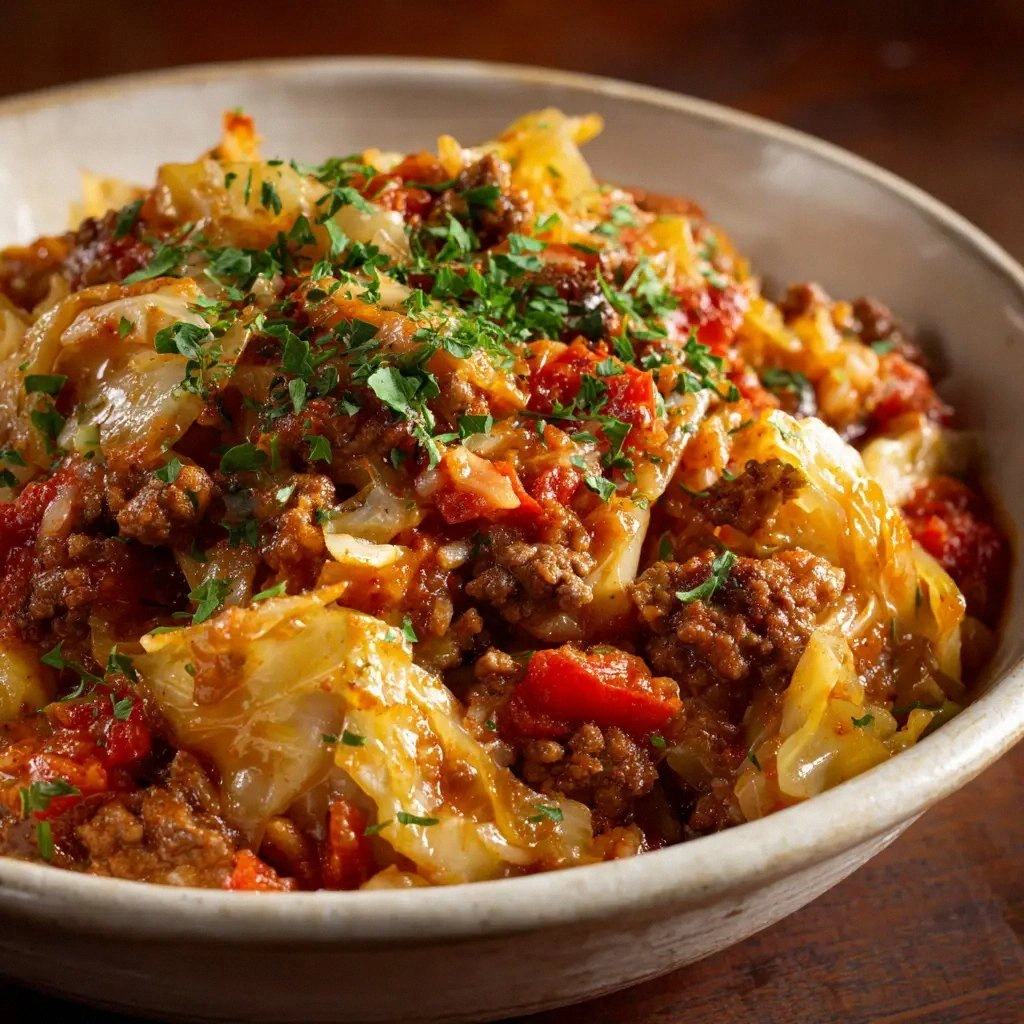
- Serve hot, optionally garnished with fresh parsley or grated Parmesan for an extra layer of flavor. The dish should look moist, with a slightly glossy sheen from the sauce, and the cabbage should be tender yet slightly crisp.
That’s it—you did it. But hold on, I've got a few more tricks that'll take this to another level…
Insider Tricks for Flawless Results
The Temperature Rule Nobody Follows
Many cooks think low heat is always better, but a brief burst of high heat at the start can lock in juices and create a caramelized crust on the beef. Sear the meat for 2 minutes before adding the rest of the ingredients. This simple tweak adds depth and keeps the casserole from feeling flat.
Why Your Nose Knows Best
Smell the sauce halfway through cooking. If it’s too acidic, add a tablespoon of sugar or a drizzle of honey to balance the flavors. Your nose is a reliable indicator of the dish’s readiness; trust it to guide your adjustments.
The 5‑Minute Rest That Changes Everything
After the crockpot finishes, let the casserole sit covered for 5 minutes. This rest period allows the rice to finish steaming and the flavors to meld, resulting in a more cohesive bite.
Layering for Visual Appeal
When assembling, alternate layers of cabbage and rice in a spiral pattern. This not only looks stunning but also ensures even cooking, as the liquid can penetrate each layer more efficiently.
The Secret of Freshness
Add a handful of fresh basil or parsley just before serving. The fresh herbs bring a bright, herbaceous note that cuts through the richness, giving the dish a modern, fresh finish.
Creative Twists and Variations
This recipe is a playground. Here are some of my favorite ways to switch things up:
Spicy Mexican Flair
Swap the oregano for cumin, add a tablespoon of chipotle in adobo sauce, and sprinkle shredded cheddar on top. The result is a smoky, spicy casserole that feels like a hearty taco bowl.
Mediterranean Medley
Replace the beef with ground lamb, add chopped kalamata olives, and sprinkle a handful of feta cheese. The briny olives and tangy feta create a Mediterranean vibe that’s both exotic and comforting.
Vegetarian Vibe
Omit the beef entirely and add a cup of cooked lentils or chickpeas for protein. The lentils absorb the sauce beautifully, making the casserole hearty and satisfying for plant‑based diners.
Cheesy Layered Delight
After the final rest, sprinkle a generous layer of shredded mozzarella and return the casserole to the crockpot on high for 10 minutes. The cheese melts into a gooey, golden topping that’s irresistible.
Asian Twist
Add a tablespoon of soy sauce, a teaspoon of sesame oil, and a pinch of five‑spice powder. Finish with sliced green onions and a drizzle of sriracha for an Asian‑inspired flavor profile.
Breakfast Edition
Stir in a handful of cooked breakfast sausage and replace the rice with diced potatoes. Serve with a side of scrambled eggs for a hearty, breakfast‑style casserole that’s perfect for brunch.
Storing and Bringing It Back to Life
Fridge Storage
Cool the casserole to room temperature, then cover tightly with foil or a lid. Store in the refrigerator for up to 4 days. When reheating, add a splash of water or broth to keep the dish moist.
Freezer Friendly
Divide the casserole into freezer‑safe containers, leaving a small margin for expansion. Freeze for up to 3 months. Thaw overnight in the fridge and reheat on the stove or in a microwave, adding a little water to rehydrate.
Best Reheating Method
The best way to revive leftovers is to heat in a skillet over medium heat, stirring occasionally. Add a tablespoon of water or broth and cover for 5 minutes. The result is a warm, flavorful casserole that tastes almost as fresh as when it was first made.