Picture this: a crust that’s both chewy and crisp, a sauce that glows like a velvet sunset, and a melty medley of cheeses that sings a symphonic finale. The air is thick with oregano, the sound of a bubbling tomato base, and the subtle crunch of roasted peppers. Your palate is greeted by a savory harmony, followed by a gentle heat from jalapeños that lingers like a secret whisper. The final bite is a burst of umami, a hint of nutty pecorino, and a basil leaf that swirls like a green ribbon. I dare you to taste this and not go back for seconds.
What sets this version apart is not just the ingredients—it’s the meticulous layering of flavors and textures that dance together in every bite. Most recipes get this completely wrong by using too much sauce or a bland cheese blend. Here, the sauce coats the dough like velvet, the cheeses mingle into a molten tapestry, and the veggies add both crunch and depth. This is hands down the best version you'll ever make at home, and if you’re skeptical, just trust me—once you try it, you’ll wonder how you ever survived a pizza without it.
I’ll be honest—I ate half the batch before anyone else got to try it. The crust was so tender it practically melted in my mouth, and the cheese pulled apart like a silk ribbon. The roasted red peppers added a smoky sweetness that balanced the sharpness of the pecorino. I could feel the kitchen’s heat and the aroma swirling around me, making me feel like I was in a cozy Italian trattoria. And now, I want to share every single detail so you can recreate this masterpiece at home.
If you've ever struggled to get a pizza that looks like it belongs in a Michelin‑star restaurant, you're not alone—and I've got the fix. The secret lies in the dough’s hydration, the sauce’s thickness, and the cheese blend’s harmony. Picture yourself pulling this out of the oven, the whole kitchen smelling incredible, and the crust sizzling on the counter. Stay with me here—this is worth it. Let me walk you through every single step, and by the end, you'll wonder how you ever made it any other way.
What Makes This Version Stand Out
- Flavor: The sauce is a bold, tomato‑rich base that carries a hint of smoked paprika, giving each bite a subtle depth that ordinary sauces miss.
- Texture: The combination of mozzarella, Asiago, and pecorino creates a gooey, slightly nutty surface that cracks delightfully when you lift a slice.
- Crust: A well‑hydrated dough baked on a preheated stone yields a chewy interior with a crisp, caramelized edge that shatters like thin ice.
- Simplicity: With only a handful of pantry staples, you can craft a gourmet pizza that feels like a culinary triumph.
- Uniqueness: The roasted red peppers and artichoke hearts add a Mediterranean flair that sets this pizza apart from standard cheese pies.
- Crowd Reaction: Friends often ask for the recipe after the first bite, and I’ve had to keep a secret stash to satisfy their cravings.
- Make‑Ahead: The dough can be prepared a day in advance, and the assembled pizza can be frozen for a quick, fresh dinner.
- Ingredient Quality: Using low‑moisture mozzarella and fresh basil ensures a rich, authentic taste that elevates the entire dish.
Inside the Ingredient List
The Flavor Base
The sauce is the heartbeat of this pizza. A ⅔ cup of high‑quality pizza sauce, thickened with a touch of tomato paste, provides a sweet‑tart foundation that balances the richness of the cheeses. If you skip the sauce, the pizza will feel flat and dry, lacking that essential umami punch. For a deeper flavor, consider simmering the sauce with a splash of red wine and a bay leaf before spreading it on the dough. A low‑moisture mozzarella ensures a melt without excess water, keeping the crust crisp.
The Texture Crew
The cheeses form the gooey, melty layer that’s both comforting and indulgent. The 1 cup of shredded low‑moisture mozzarella gives a classic melt, while the ½ cup of Asiago adds a sharp, nutty note. The ½ cup of pecorino, grated on large holes, contributes a salty bite that contrasts beautifully with the sweet sauce. If you’re vegan, a blend of dairy‑free cheeses that melt well can substitute, but be prepared for a slightly different texture.
The Unexpected Star
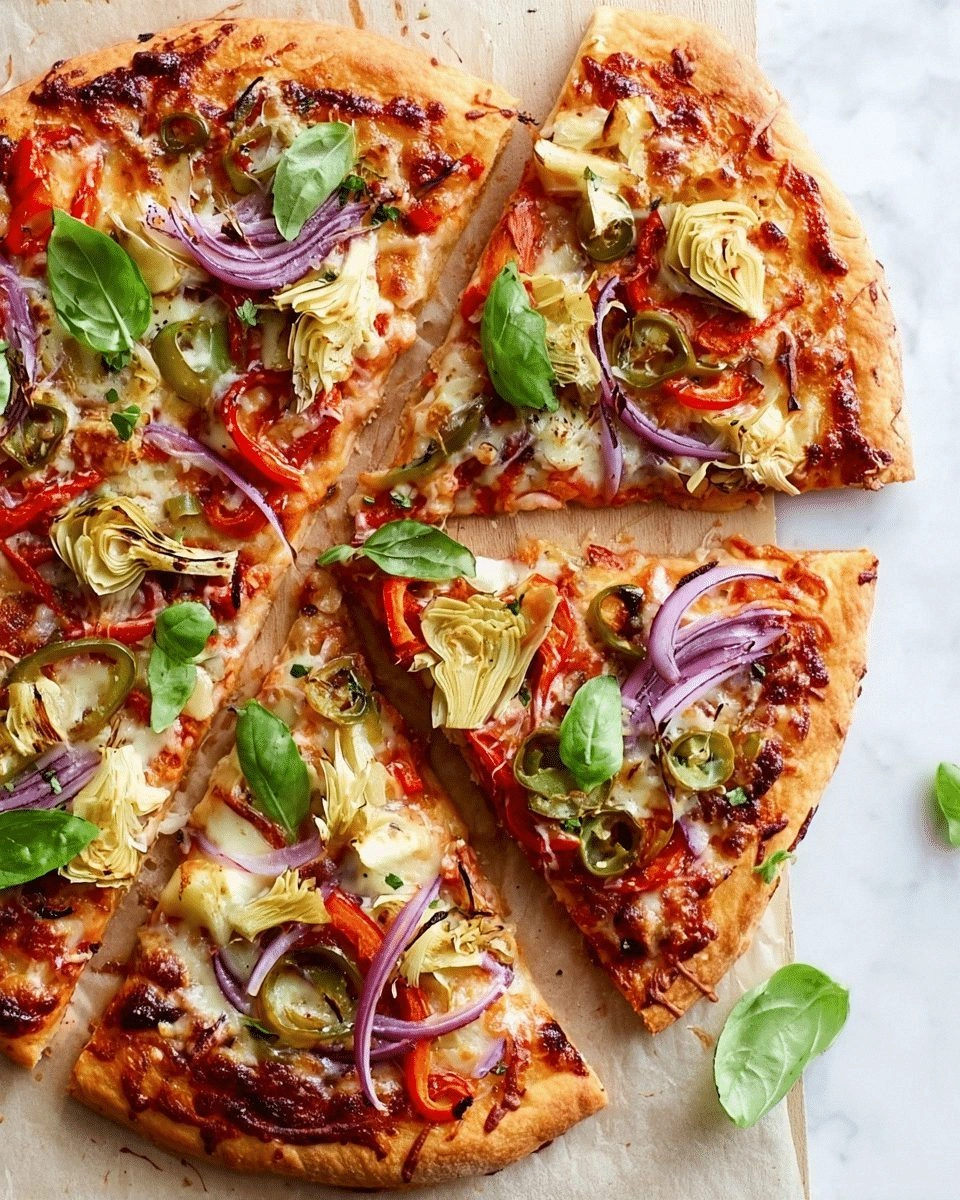
Roasted red peppers and artichoke hearts bring a surprising depth of flavor. The peppers, thinly sliced, add a smoky sweetness that pairs with the tomato base, while the artichokes lend a subtle earthiness and a tender bite. If you’re not a fan of artichokes, replace them with sun‑dried tomatoes or roasted zucchini for a similar bite. Remember, the key is to pat the peppers dry before slicing to avoid excess moisture.
The Final Flourish
Red onion slices, jalapeño strips, and fresh basil are the finishing touches that elevate the pizza from good to unforgettable. The thinly sliced red onion adds a sweet crunch, while the jalapeño introduces a gentle heat that lingers on the palate. A drizzle of extra‑virgin olive oil before baking adds shine and a silky finish. Finish with a handful of basil leaves after baking to preserve their bright color and fresh aroma.
Everything's prepped? Good. Let's get into the real action.
The Method — Step by Step
- Preheat the Oven: Place a pizza stone or steel on the middle rack and heat to 475°F (245°C) for at least 30 minutes. The stone needs to be hot enough to create a blistered crust that’s both chewy and crisp. While the stone heats, roll out the dough on a lightly floured surface to your desired thickness—ideally about ¼ inch. Let the dough rest for 5 minutes before adding toppings; this prevents it from shrinking during baking. The aroma of warm dough will start to mingle with the tomato sauce, teasing your senses.
- Prepare the Toppings: Thinly slice the red onion and jalapeño, pat the roasted red peppers dry, and quarter the artichoke hearts. Drizzle a small amount of olive oil over the peppers to enhance their natural sweetness. Place the onion, pepper, and artichoke on a parchment sheet and set aside. This step ensures each ingredient retains its distinct flavor profile and doesn’t become mushy.
- Spread the Sauce: Using a spoon, spread the ⅔ cup of pizza sauce evenly over the rolled dough, leaving a ½ inch border around the edges. The sauce should coat the dough like a velvet blanket, not pool. This layer forms the base flavor, so apply it with confidence. If the sauce feels too thick, thin it with a splash of water or tomato juice.
- Add the Cheeses: Sprinkle the mozzarella, Asiago, and pecorino cheeses over the sauce in a harmonious swirl. The mozzarella provides the melt, Asiago adds sharpness, and pecorino brings a salty finish. Ensure the cheeses are evenly distributed to avoid any dry spots. The cheese mixture should look like a golden, bubbling sea once the pizza starts to bake.
- Layer the Veggies: Arrange the prepared vegetables on top of the cheese—first the roasted red peppers, then the artichoke hearts, followed by the red onion and jalapeño. This layering technique ensures each bite has a balanced mix of textures. The onions add crunch, the peppers add sweetness, and the artichokes provide a subtle earthiness. This is the moment of truth: the pizza is ready to transform into a culinary masterpiece.
- Bake the Pizza: Slide the pizza onto the preheated stone or steel. Bake for 12–15 minutes, or until the crust edges are golden brown and the cheese is bubbly. Watch the cheese pull apart; that’s the sign of a perfect bake. The crust should feel firm on the bottom but still slightly springy when pressed.
- Finish with Basil: Remove the pizza from the oven and immediately scatter fresh basil leaves over the top. The heat will wilt the basil slightly, releasing its fragrance without losing its bright green color. A drizzle of olive oil can add a glossy finish and a subtle nutty aroma.
- Serve Immediately: Slice while hot, and serve with a side of extra sauce or a light salad. The first bite should feel like a warm hug, with the crust, cheese, and veggies melding into a symphony of flavors. Enjoy the moment—this pizza is a celebration of simple, quality ingredients.
That's it—you did it. But hold on, I've got a few more tricks that'll take this to another level. The next section will give you insider tips that even seasoned pizza makers swear by.
Insider Tricks for Flawless Results
The Temperature Rule Nobody Follows
Many cooks bake pizza at a lower temperature, hoping to avoid a burnt crust. I’ve discovered that a high heat—475°F (245°C)—is essential for a crisp base and a bubbly cheese layer. The stone or steel must be preheated for at least 30 minutes to ensure the crust starts cooking immediately upon contact. If you’re using a conventional oven, place the stone on the lowest rack to mimic a wood‑fired environment. The result is a crust that’s crunchy on the outside and tender on the inside.
Why Your Nose Knows Best
Before you lift the pizza from the oven, pause and inhale deeply. The aroma of melted cheese, roasted peppers, and a hint of basil will tell you if the pizza is ready. A strong, savory scent means the cheese is bubbling and the crust is golden. If the smell feels off or too mild, let it bake a minute longer. Your nose is the best judge of doneness—trust it.
The 5‑Minute Rest That Changes Everything
After baking, let the pizza rest on a cooling rack for 5 minutes. This brief pause allows the cheese to set, preventing it from sliding off when you cut. It also gives the crust a chance to firm up slightly, making each slice easier to handle. Skipping this step can result in a gooey mess that’s difficult to serve.
Use a Pizza Peel for Easy Transfer
A wooden or silicone pizza peel is a game‑changer when working with a hot stone. Sprinkle a little cornmeal or flour on the peel to prevent sticking. Slide the pizza onto the peel, then quickly transfer it to the stone. If you don’t have a peel, a large baking sheet works, but you’ll need to be careful to avoid burns.
Keep Your Dough Fresh
If you’re making dough a day ahead, store it in a lightly oiled container in the fridge. This stops the yeast from over‑fermenting and preserves the dough’s airy texture. When ready to bake, bring the dough to room temperature for 30 minutes before rolling. The dough will be more pliable and less likely to tear.
Add a Splash of Water When Reheating
If you’re reheating leftovers, place a small cup of water in the oven and bake the pizza for 5 minutes. The steam keeps the crust from drying out and restores the cheese’s meltiness. This trick works best on a pizza stone, but a baking sheet will also do the job.
With these tricks, you’re not just cooking—you’re mastering the art of pizza. Every bite will be a testament to your culinary skill.
Creative Twists and Variations
This recipe is a playground. Here are some of my favorite ways to switch things up:
Mediterranean Melt
Swap the roasted peppers for sun‑dried tomatoes and add Kalamata olives. Use feta cheese instead of mozzarella for a tangy twist. This version feels like a stroll through a sun‑kissed Greek village.
Spicy Sriracha Surprise
Drizzle sriracha over the sauce before baking and sprinkle chili flakes on top. Replace the jalapeño with a sliced pepperoncini for an extra kick. The heat will linger long after the pizza is finished.
Pesto & Goat Cheese Delight
Spread a thin layer of basil pesto over the dough and sprinkle goat cheese cubes. Add roasted cherry tomatoes for a burst of sweetness. This combination offers a creamy, herbaceous flavor profile.
Autumn Harvest
Use roasted butternut squash cubes and a dash of sage. Add a sprinkle of gorgonzola for a sharp contrast. The warm spices will evoke cozy, fall evenings.
Vegan Supreme
Replace all cheeses with a dairy‑free blend that melts well. Use a vegan pizza sauce and finish with fresh spinach. This version is cruelty‑free yet still satisfies every craving.
Breakfast Bonanza
Top the pizza with a fried egg and a sprinkle of chives. Use a light sauce or even a drizzle of maple syrup for a sweet‑savory combo. This pizza is perfect for brunch or a late‑night snack.
Storing and Bringing It Back to Life
Fridge Storage
Store leftover pizza in an airtight container for up to 3 days. The crust will stay soft, and the cheeses will maintain their flavor. Avoid stacking slices; place a paper towel between them to absorb excess moisture.
Freezer Friendly
Wrap individual slices in parchment paper and place them in a freezer bag. Freeze for up to 2 months. When ready to eat, thaw overnight in the fridge or microwave on a low setting.
Best Reheating Method
Reheat on a preheated pizza stone at 400°F (205°C) for 5–7 minutes. If you’re using a skillet, cover with a lid to trap steam and keep the crust crisp. A splash of water in the oven can help restore moisture to the cheese.