Now, if you’re ready to move from the kitchen disaster zone to a place of culinary triumph, let me walk you through every single step. By the end, you’ll wonder how you ever made it any other way. And trust me, I dare you to taste this and not go back for seconds.
What Makes This Version Stand Out
- Flavor Depth: The slow caramelization releases a natural sweetness that pairs perfectly with the sharpness of Parmesan and the subtle acidity of white wine.
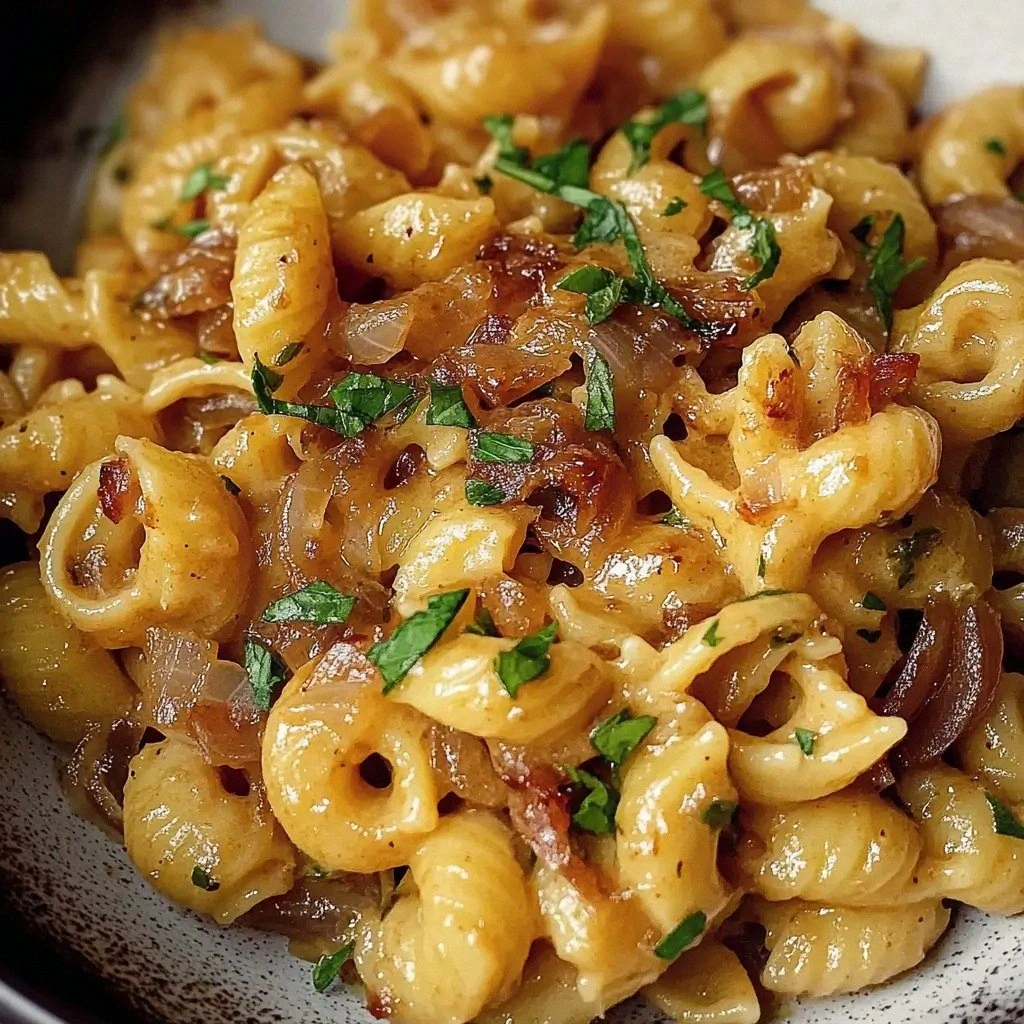
- Texture Contrast: The onions develop a silky, almost buttery interior while the edges become crisp and caramelized, adding a delightful crunch.
- Ingredient Harmony: Each component—onions, butter, olive oil, garlic, thyme, wine, pasta water, cheese, and cream—contributes a unique layer that builds a cohesive sauce.
- Versatility: The dish can be served as a main course or a side, and it adapts effortlessly to vegetarian or vegan diets with simple swaps.
- Crowd‑Pleaser: Its comforting, savory profile makes it a hit at family gatherings, potlucks, or a quick week‑night dinner.
- Make‑Ahead Friendly: The sauce can be prepared a day ahead; reheating with a splash of pasta water restores its silky texture.
- Time‑Efficient: While the onions caramelize slowly, you can simultaneously cook the pasta, saving valuable kitchen time.
- Visual Appeal: The golden-brown onions and glossy sauce create an irresistible look that elevates any plate.
Inside the Ingredient List
The Flavor Base
Onions are the star of this dish, and choosing the right type—yellow or sweet—sets the stage for a deep, caramelized flavor. Thinly slicing them from pole to pole ensures uniform cooking and maximizes the surface area for browning. If you’re short on time, a food processor can do the slicing quickly, but be careful not to overprocess into a paste.
The Texture Crew
Butter and olive oil work in tandem to create a sauce that is both rich and safe from burning. The butter provides a luscious, velvety base, while the olive oil’s higher smoke point keeps the onions from scorching during the long caramelization period. A small pinch of salt during the sautéing stage helps draw out moisture, accelerating the caramelization process.
The Unexpected Star
A splash of dry white wine—about a quarter cup—adds a bright, acidic note that cuts through the sweetness of the onions. If wine is not your thing, a splash of vegetable broth works just as well, though it won’t give the same depth of flavor. The wine also helps deglaze the pan, lifting the browned bits that hold a ton of flavor.
The Final Flourish
Parmesan or Pecorino Romano cheese, combined with a touch of heavy cream or half-and-half, creates a silky sauce that clings to every strand of pasta. The pasta water, rich in starch, helps bind the sauce, giving it that coveted glossy finish. Fresh parsley adds a pop of color and a subtle herbal brightness that rounds off the dish.
The Method — Step by Step
-
Begin by peeling the onions and slicing them thinly from pole to pole. The thinness ensures even caramelization and a uniform texture. As you slice, you’ll notice a sweet scent begin to rise—an early indicator that the onions are ready to transform. Keep the slices in a bowl; they’ll be the canvas for the sauce.
-
Heat a large, heavy‑bottomed skillet over medium heat. Add the two tablespoons of unsalted butter followed by two tablespoons of olive oil. The butter will melt into a golden pool, while the olive oil prevents any scorching. Once the butter foams slightly, you’re ready to introduce the onions.
-
Drop the sliced onions into the skillet, sprinkle with one teaspoon of kosher salt, and stir to coat them in the butter‑oil mixture. Reduce the heat to low and let the onions cook slowly, stirring every few minutes. You’ll hear a gentle sizzle, and the onions will slowly turn translucent before they begin to brown.
Kitchen Hack: If you want a deeper caramel color, sprinkle a pinch of sea salt over the onions mid‑sauté; the salt helps draw out moisture and intensifies browning. -
When the onions reach a light golden stage, add the minced garlic and one teaspoon of dried thyme. Cook for an additional minute, allowing the garlic to release its aroma without burning. The thyme will infuse the onions with a subtle herbal note that balances the sweetness. Keep the heat low to prevent the garlic from turning bitter.
-
Deglaze the pan with a quarter cup of dry white wine. Tilt the skillet to loosen the browned bits from the bottom, and let the wine reduce by half. This step is critical; it lifts the savory flavors trapped in the pan and adds acidity to the sauce. Watch the liquid evaporate—once it’s reduced, the onions will be ready to absorb the wine’s brightness.
Watch Out: Don’t let the wine burn; keep the heat low and stir constantly to avoid a bitter finish. -
While the onions finish caramelizing, bring a large pot of salted water to a rolling boil. Add one pound of your chosen long pasta—spaghetti, linguine, fettuccine, or bucatini—and cook until al dente. Reserve about one to one and a half cups of the starchy pasta water before draining. The pasta water will be the secret to a silky, cohesive sauce.
-
Return the skillet to a gentle simmer and add the drained pasta. Toss to coat the noodles in the onion‑wine mixture, then pour in the reserved pasta water. Stir in half a cup of grated Parmesan (or Pecorino) and a third of a cup of heavy cream. The cheese melts into a velvety sauce, while the cream adds richness. Keep the heat low to allow the sauce to thicken without boiling.
Kitchen Hack: If the sauce seems too thick, add a splash of pasta water; if too thin, let it simmer a bit longer to reduce. -
Season the dish with half a teaspoon of freshly ground black pepper and a pinch of red pepper flakes for a subtle kick. Give the sauce a final stir, and let it cook for another minute so the flavors meld together. The sauce should coat each strand of pasta like velvet, with a glossy sheen that invites a forkful.
-
Remove the skillet from heat and sprinkle fresh chopped parsley over the top. The parsley adds a burst of color and a fresh herbal note that cuts through the richness. Serve immediately, topping each plate with an extra sprinkle of cheese if desired. The dish is now ready to be devoured.
-
That’s it—your caramelized onion pasta is complete. But hold on, I’ve got a few more tricks that will elevate this dish to an entirely new level. Stay with me here; the next section will give you insider knowledge that turns a good meal into a culinary masterpiece.
Insider Tricks for Flawless Results
The Temperature Rule Nobody Follows
Cooking onions on too high a heat is a common mistake that leads to bitterness. Keep the heat low and let the onions cook slowly; the Maillard reaction requires a gentle, steady temperature to develop depth without burning. I once tried a high‑heat method and ended up with a burnt, acrid taste—an experience that taught me the value of patience.
Why Your Nose Knows Best
Your sense of smell is the ultimate gauge for caramelization. As the onions slowly brown, the aroma shifts from sweet to nutty and then to a rich, buttery scent. If the onions start to smell sour, they’re overcooked. Trust your nose, and you’ll avoid that dreaded burnt onion flavor.
The 5‑Minute Rest That Changes Everything
After draining the pasta, let it sit in the colander for 30 seconds before adding it to the skillet. This brief pause allows the noodles to cool slightly, preventing them from steaming and becoming mushy. It also gives the sauce a chance to thicken just enough to cling to the pasta.
The Pasta Water Trick
The starchy water you reserve from boiling the pasta is a game‑changer. It acts as a binder, turning a watery sauce into a glossy, silky coating. If the sauce feels too thick, add a splash of pasta water; if too thin, let it reduce further. This simple step ensures a professional finish.
The Final Touch of Freshness
A handful of fresh parsley, added just before serving, brings a bright, herbal note that balances the richness of the sauce. You can also sprinkle a few cracked peppercorns for a subtle peppery bite. These finishing touches elevate the dish from ordinary to extraordinary.
Creative Twists and Variations
Smoky Chipotle Twist
Swap the white wine for a splash of chipotle‑in‑adobo sauce and add a pinch of smoked paprika. The result is a smoky, slightly spicy sauce that pairs beautifully with the sweet onions. This variation is perfect for those who love a bit of heat and a deeper flavor profile.
Sun‑Dried Tomato Boost
Stir in a handful of chopped sun‑dried tomatoes during the final sauce stage. The tomatoes add a burst of umami and a chewy texture that contrasts nicely with the silky pasta. This version is great for a Mediterranean‑inspired meal.
Nutty Pesto Fusion
Blend a small cup of basil pesto into the sauce instead of the cream. The pesto infuses the dish with fresh herb flavor while keeping it creamy. This twist works well for a quick, plant‑based dinner that feels indulgent.
Vegan Cream Alternative
Replace the heavy cream with a splash of coconut milk or a vegan cream substitute. The dish remains rich and creamy, but with a subtle coconut undertone that adds a new dimension. This version is ideal for those who are lactose‑intolerant or simply enjoy a dairy‑free option.
Bacon‑Lovers’ Edition
Add crisped bacon pieces at the end for a salty, smoky crunch. The bacon’s fat also enriches the sauce, giving it a luxurious mouthfeel. This variation transforms the dish into a hearty, indulgent comfort meal.
Storing and Bringing It Back to Life
Fridge Storage
Place the finished pasta in an airtight container and refrigerate for up to 3 days. The sauce may thicken slightly as it cools; when reheating, add a splash of pasta water or a teaspoon of olive oil to restore its silky texture. The dish stays fresh and flavorful, making it a convenient make‑ahead option.
Freezer Friendly
For longer storage, freeze the pasta in a freezer‑safe container for up to 2 months. Thaw overnight in the refrigerator, then reheat gently on the stove with a splash of water. The sauce will regain its original consistency, and the onions will remain tender.
Best Reheating Method
Reheat the pasta over low heat, stirring frequently to prevent sticking. Adding a small amount of water or broth helps the sauce loosen, ensuring it clings to the noodles just like when it was first served. Finish with a sprinkle of fresh parsley for a burst of color.