Remember the night I tried to turn a humble grocery‑store package of broccoli and beef into a dinner that would impress my roommates? The skillet was a battlefield of burnt edges, soggy florets, and a sauce that tasted like it had been left out too long. I stared at the mess, feeling the sting of culinary disappointment, and vowed that next time I’d bring the dish to a different level—slow‑cooked, tender, and bursting with umami.
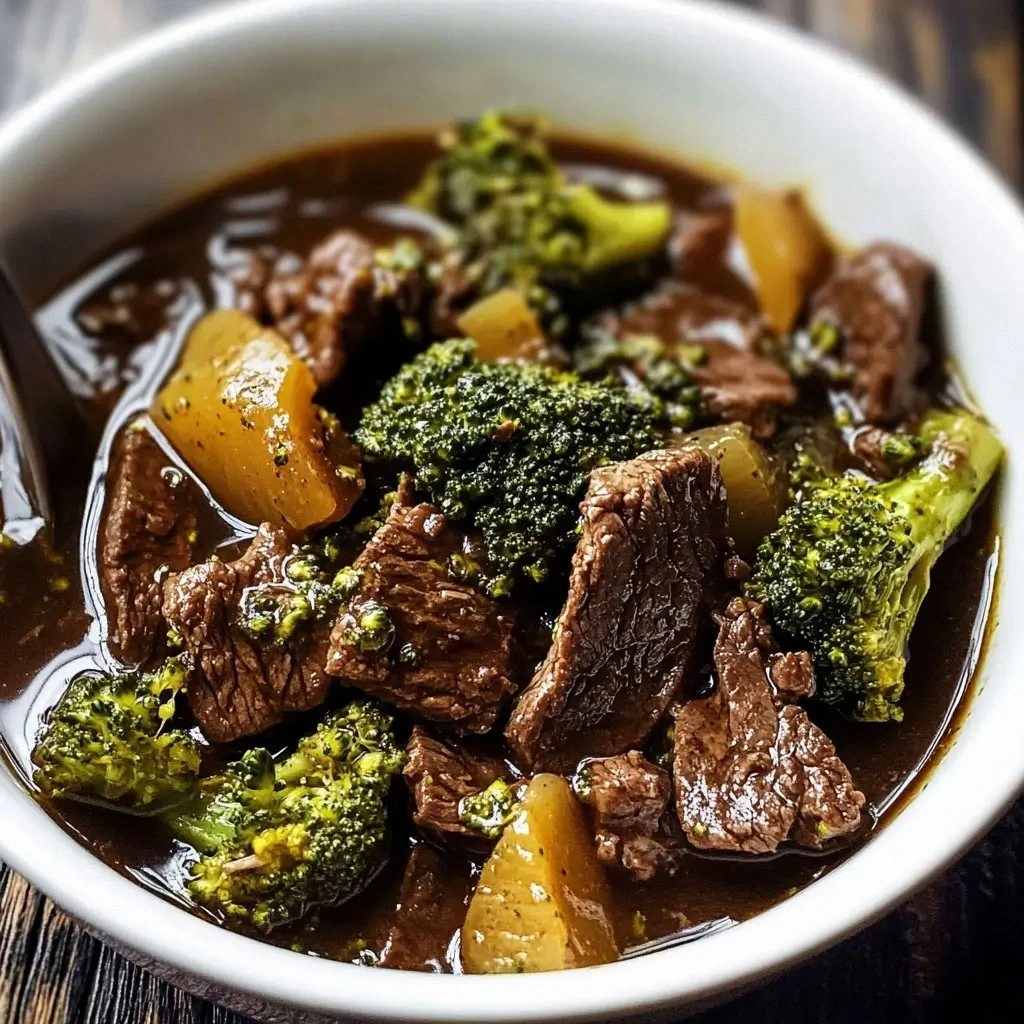
Picture this: a pot on the stove, the aroma of garlic and ginger mingling with the sweet, salty whisper of soy sauce, and the gentle hiss of broth bubbling. The sound of broccoli turning from green to a deep, glossy jade is music to a cook’s ears. When you finally taste it, the beef is melt‑in‑your‑mouth tender, the sauce clings to each floret like velvet, and the whole thing is a comforting hug in a bowl.
What makes this version a game‑changer is not just the slow cooker’s magic—it’s the precise layering of flavors, the use of oyster sauce for depth, and a touch of sesame oil that gives that final, nutty finish. I’ve experimented with dozens of “broccoli beef” recipes, and most of them fall short: either the beef is overcooked, the broccoli turns mushy, or the sauce is too thin. Here, every element is calibrated for balance, texture, and that wow factor that makes people ask, “What’s in that?”
And there’s a twist you won’t see in the typical recipe books—an unexpected splash of toasted sesame oil that turns a simple dish into a gourmet experience. I dare you to taste this and not go back for seconds. Let me walk you through every single step—by the end, you’ll wonder how you ever made it any other way.
What Makes This Version Stand Out
- Flavor: The sauce is a harmonious blend of soy, oyster, and a hint of sweetness that coats each bite, leaving a lingering umami that’s hard to forget. The balance of saltiness and sweetness is achieved with precision, ensuring no single ingredient overpowers the others.
- Texture: Slow‑cooking turns the beef into a succulent, melt‑in‑your‑mouth masterpiece while keeping the broccoli crisp‑tender. The sauce thickens just enough to cling to the florets without becoming a syrupy glaze.
- Convenience: All you need to do is assemble the ingredients, set the slow cooker, and let it work its magic. No constant stirring or watchful eye required—perfect for busy evenings.
- Versatility: This recipe adapts to whatever you have on hand. Swap in different vegetables or adjust the spice level, and the dish remains delicious.
- Make‑ahead Potential: The dish keeps well in the fridge for up to three days and reheats beautifully, making it a reliable go‑to for meal prep.
- Crowd‑pleaser: The familiar flavors of beef and broccoli are elevated to a new height, making it a favorite at family dinners and potlucks alike.
- Ingredient Quality: Using fresh, high‑quality beef and crisp broccoli ensures each bite is vibrant and flavorful.
- Low Effort, High Reward: The combination of a slow cooker and a few quick prep steps delivers maximum flavor with minimal hands‑on time.
Alright, let's break down exactly what goes into this masterpiece...
Inside the Ingredient List
The Flavor Base
Soy sauce is the backbone of this dish, providing a salty, savory foundation that permeates every bite. It also reacts with the sugar to create a subtle caramelization during the slow‑cooking process. If you’re watching sodium, opt for low‑sodium soy sauce and adjust the salt later. The key is to let the sauce meld with the beef so the flavor is distributed evenly. A small splash of water can help thin the sauce if it becomes too thick.
Oyster sauce adds depth and a touch of sweetness that balances the saltiness of soy. It’s a pantry staple that brings a silky texture to the sauce, making it cling to the broccoli without becoming heavy. If you’re vegan, a mushroom‑based sauce can be a decent substitute, though the flavor profile will shift slightly. The amount of oyster sauce should be enough to give a noticeable umami kick without overpowering the other flavors. Remember, a little goes a long way—start with a tablespoon and taste before adding more.
Brown sugar is the sweet counterpoint that caramelizes slightly during the slow cook, giving the sauce a glossy sheen. It also helps in balancing the savory notes and creates a pleasant mouthfeel. If you prefer a less sweet dish, reduce the amount by a quarter or replace it with a sugar alternative. The sugar should dissolve completely; if it’s clumpy, stir vigorously at the beginning. Once the sugar is incorporated, the sauce will thicken as the liquid evaporates.
The Texture Crew
Broccoli florets are the star vegetable—choose fresh, firm heads for the best bite. Cut them into uniform pieces so they cook evenly and avoid a mushy texture. A quick blanch before adding to the slow cooker can help preserve color and firmness. If you prefer a softer bite, add the broccoli later in the cooking cycle to prevent over‑softening. The florets absorb the sauce, turning them into a flavorful, tender companion to the beef.
Beef, sliced thinly against the grain, is the protein that carries the sauce and delivers that satisfying chew. Use a cut like sirloin or flank for a balance of flavor and tenderness. Thin slices reduce cooking time and ensure the meat stays juicy. Marinating the beef briefly in soy sauce and cornstarch helps tenderize and adds a subtle coating that keeps the meat from drying out. The beef should be browned lightly before slow cooking to develop a deeper flavor.
Cornstarch, combined with a little water, is the secret to thickening the sauce without making it gloopy. It also gives the sauce a silky finish that clings to the broccoli. The ratio of cornstarch to water should be 1:1 by volume to create a smooth slurry. Stir the slurry into the slow cooker at the end of the cooking cycle, allowing it to thicken in just a few minutes. If the sauce is too thick, add a splash of broth or water to achieve your desired consistency.
The Unexpected Star
Sesame oil adds a nutty aroma that elevates the dish from ordinary to extraordinary. A small amount—just a teaspoon—can transform the flavor profile, adding depth and a subtle, toasty finish. Use toasted sesame oil for a richer taste; if you can’t find it, a light drizzle of regular sesame oil will suffice. The oil should be added at the end of cooking to preserve its delicate flavor. This final splash is often the difference between a good dish and a memorable one.
Garlic and ginger are the aromatic foundation that gives the sauce its unmistakable East Asian character. Mince them finely so they distribute evenly throughout the dish. The garlic should be slightly caramelized before adding the liquid to release its full flavor. Ginger adds a bright, peppery note that cuts through the richness of the beef. Together, they create a harmonious base that underpins every other ingredient.
Red pepper flakes bring a subtle heat that can be adjusted to taste. They add a visual pop of color and a gentle warmth that complements the savory sauce. If you’re heat‑averse, simply omit them or use a pinch of chili powder instead. The heat should be balanced so it enhances rather than overwhelms the dish. A touch of spice can make the dish feel fresh and lively.
The Final Flourish
Beef broth or water is the liquid that carries the flavors together and creates the sauce’s body. Use a low‑sodium broth to keep control over the salt level. The liquid should be enough to cover the beef and broccoli, but not so much that the dish becomes soupy. Adding a splash of broth at the end can help loosen the sauce if it thickens too much. The broth also adds a subtle depth that enhances the overall richness.
Salt and pepper to taste are essential for seasoning the dish just right. Because the sauce is already salty, start with a light hand and adjust at the end. Pepper adds a mild heat that complements the garlic and ginger. A pinch of black pepper can give the dish a subtle kick without dominating the flavor profile. Remember, seasoning is an art—taste as you go and tweak accordingly.
Green onions, optional as a garnish, add a fresh, crisp contrast to the tender beef and broccoli. Thinly sliced, they provide a bright, oniony note that lifts the dish. Sprinkle them over the finished dish just before serving to keep their crunch. They also add a splash of color that makes the dish visually appealing. If you’re not a fan of green onions, you can replace them with fresh cilantro or a squeeze of lime for a different twist.
Everything's prepped? Good. Let's get into the real action...
The Method — Step by Step
- First, heat a tablespoon of vegetable oil in a skillet over medium‑high heat. Add the thinly sliced beef, searing it quickly until it’s just browned on the edges—this step locks in flavor and gives the meat a beautiful color. Don’t overcrowd the pan; work in batches if needed. While the beef is searing, set aside a small bowl for the cornstarch slurry. This quick browning is the secret to a deeper, richer taste.
- Transfer the seared beef to the slow cooker. Next, add the minced garlic, ginger, and red pepper flakes, allowing them to steam together for a minute. This releases the aromatics and gives the sauce a fragrant base. The slow cooker will keep the heat steady, ensuring the flavors meld without burning. At this point, the beef is ready to absorb the sauce.
- Pour in the soy sauce, oyster sauce, brown sugar, and beef broth. Stir gently to combine, making sure the sugar dissolves completely. The mixture should bubble lightly, indicating the sauces are mixing well. Keep the pot covered and set the slow cooker to low for 4–5 hours, or to high for 2–3 hours. This long, low heat will render the beef tender while the flavors deepen.
- About 30 minutes before serving, add the broccoli florets to the slow cooker. Toss them so they’re coated with the sauce, ensuring even cooking. The broccoli will steam in the sauce, maintaining its bright green color and crisp‑tender texture. If you prefer softer broccoli, add it earlier; if you love crunch, add it later. This step is crucial for achieving the perfect bite.
- Stir in the cornstarch slurry, whisking quickly to avoid clumps. The sauce should start to thicken, becoming glossy and clingy. Keep the pot covered and let it cook for an additional 10–15 minutes, checking that the sauce has thickened to your liking. If it’s still too thin, add a little more slurry or let it simmer uncovered for a bit.
- Once the sauce has thickened, drizzle the sesame oil over the dish. Gently stir to distribute the nutty aroma throughout. The sesame oil should be added at the very end to preserve its delicate flavor and aroma. This final touch elevates the dish from good to unforgettable. The aroma will fill your kitchen and make your mouth water.
- Taste the dish and season with salt and pepper to your preference. Adjust the sweetness or saltiness if needed—remember, the sauce is already salty, so be cautious. If the sauce is too thick, add a splash of water or broth to loosen it. The goal is a balanced, flavorful sauce that coats each bite without overwhelming.
- Serve the beef and broccoli over steamed rice or noodles, and garnish with sliced green onions if desired. The rice will soak up the savory sauce, making every bite a delight. If you prefer a low‑carb option, serve it over cauliflower rice for a lighter twist. This dish is versatile enough to pair with any side you love.
- Let the dish sit for a minute before serving—this allows the flavors to settle and the sauce to thicken slightly. The brief rest also gives the broccoli a chance to cool just enough to maintain its bright color. When you take the first bite, the beef should be melt‑in‑your‑mouth, the broccoli crisp, and the sauce perfectly balanced. This moment is pure culinary bliss.
- Enjoy your masterpiece and savor the satisfaction of a dish that’s both comforting and elegant. Share it with friends and family, and watch their faces light up with delight. Keep a photo of this dish for your next cooking blog post—your followers will love the story behind the flavor. Remember, the key to this recipe’s success lies in the slow, steady cooking and the precise balance of flavors.
That's it — you did it. But hold on, I've got a few more tricks that'll take this to another level...
Insider Tricks for Flawless Results
The Temperature Rule Nobody Follows
Many people cook the beef at a high temperature, which can cause it to toughen. I always set the slow cooker to low for 4–5 hours; this allows the collagen to break down slowly, resulting in melt‑in‑your‑mouth tenderness. If you’re in a hurry, set it to high but never exceed 3 hours. Keep the lid on to maintain steady heat and avoid moisture loss. This small tweak can make the difference between a good dish and a great one.
Why Your Nose Knows Best
When the sauce starts to thicken, you’ll notice a caramelized aroma rising. That’s your cue to add the cornstarch slurry. The scent tells you the beef is ready to absorb the sauce fully. Trust your nose—if it smells sweet and savory, you’re in the right place. This sensory checkpoint ensures the dish is perfectly balanced.
The 5-Minute Rest That Changes Everything
After the slow cooker finishes, let the dish rest for 5 minutes before serving. This short pause allows the sauce to settle and the flavors to meld. The beef will be even more tender, and the broccoli will keep its bright color. This step is often overlooked, but it adds a professional touch. Your guests will notice the difference.
Sautéing the Aromatics First
Sautéing garlic and ginger before adding them to the slow cooker releases their essential oils, amplifying the dish’s aroma. This simple step elevates the overall flavor profile. If you skip it, the dish will still be good, but it won’t have that depth. Use a small amount of oil to avoid sticking. This technique is a quick win for flavor lovers.
The Secret to Perfect Broccoli
Adding broccoli too early can make it mushy. I add it in the last 30 minutes of cooking to preserve its crunch. If you prefer a softer texture, add it earlier—just be sure to monitor the liquid level. The broccoli’s bright green color will be a visual treat. This timing trick keeps the dish looking and tasting fresh.
Creative Twists and Variations
This recipe is a playground. Here are some of my favorite ways to switch things up:
Spicy Korean Fusion
Swap the red pepper flakes for gochujang and add a splash of rice vinegar. The dish gains a tangy, spicy kick that pairs well with rice. The gochujang’s sweetness balances the heat, creating a harmonious flavor profile. Serve over steamed jasmine rice for an authentic feel. This version is a crowd‑pleaser at parties.
Creamy Coconut Twist
Replace half the beef broth with coconut milk and add a pinch of turmeric for color. The result is a silky sauce that’s rich and slightly sweet. The coconut pairs beautifully with the savory beef and broccoli. Serve over cauliflower rice for a low‑carb option. This variation feels like a tropical getaway.
Vegetarian Powerhouse
Use sliced tempeh or firm tofu instead of beef for a protein‑rich, plant‑based dish. Marinate the protein in soy sauce and cornstarch to achieve a similar texture. The tofu will absorb the sauce just as the beef does. Add extra mushrooms for umami depth. This version is perfect for vegetarian gatherings.
Low‑Sodium Edition
Use low‑sodium soy sauce, reduce the oyster sauce, and skip the salt entirely. Taste as you go and adjust with pepper or a splash of lemon juice. This keeps the dish light while preserving flavor. It’s ideal for those watching sodium intake. The result is a fresh, bright dish that still satisfies.
Breakfast‑Style Broccoli Beef
Serve the dish over scrambled eggs or a fluffy quinoa bowl. The savory sauce complements the protein‑rich eggs perfectly. Add a sprinkle of cheese for extra richness. This makes for a hearty, satisfying breakfast that’s far from ordinary. Your morning will never be the same.
Asian Noodle Bowl
Swap rice for soba or udon noodles for a comforting bowl. Toss the noodles in the sauce and top with sliced green onions and sesame seeds. The noodles absorb the sauce, creating a harmonious bite. Serve with a side of pickled ginger for contrast. This variation is a quick, satisfying meal.
Storing and Bringing It Back to Life
Fridge Storage
Cool the dish completely before transferring it to an airtight container. Store in the refrigerator for up to three days. The flavors continue to develop, making each bite even more delicious. When reheating, add a splash of water to maintain moisture. This method preserves the sauce’s silkiness.
Freezer Friendly
Divide the dish into single‑serving portions and wrap tightly with plastic wrap. Freeze for up to two months. Thaw overnight in the refrigerator before reheating. Use a microwave or stovetop to gently warm, stirring occasionally. The texture remains tender, and the sauce stays flavorful.
Best Reheating Method
Reheat the dish on the stovetop over medium heat, adding a splash of water or broth to loosen the sauce. Stir gently to ensure even heating. The sauce should be warm and glossy, not hot enough to burn. Avoid microwaving in large batches to preserve texture. This technique restores the dish to its original glory.