I still remember the night I accidentally created the most addictive casserole known to mankind. It was one of those chaotic Tuesday evenings when the fridge looked like a crime scene — half an onion rolling around, ground beef that needed to be cooked yesterday, and a can of biscuit dough that had been giving me side-eye for weeks. My kids were circling like hungry vultures, my husband was giving me that "what's for dinner" look, and I was this close to ordering pizza for the third time that week. But something magical happened when I started throwing ingredients together like a mad scientist — the smell that wafted from the oven was so intoxicating that my neighbor actually knocked on my door to ask what I was making. That first bite? Pure nostalgic bliss wrapped in a gooey, cheesy hug that somehow managed to taste like childhood summers and cozy winter nights all at once.
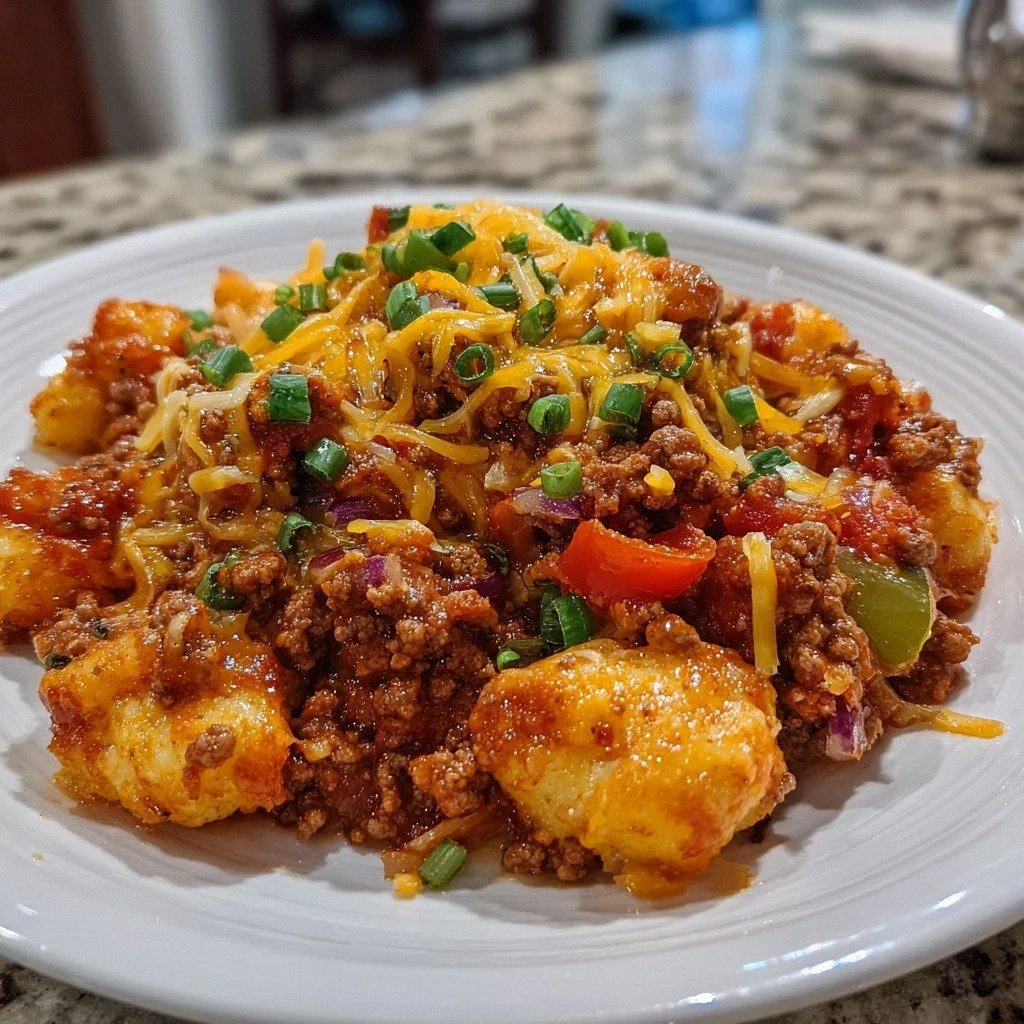
Here's the thing about most Sloppy Joe casseroles — they're either soupy disasters that taste like cafeteria mystery meat or dry, bland bricks that even hot sauce can't save. I've tested seventeen different versions (yes, I counted) and they all missed the mark in spectacular fashion. Some were too sweet, making my teeth ache like I'd bitten into a candy bar. Others were so spicy that my youngest declared war on dinner. But this version? This is the Goldilocks of casseroles — perfectly balanced with that tangy-sweet sauce that coats every nook and cranny, crispy edges that shatter like thin ice, and a cheesy blanket that stretches into the most Instagram-worthy cheese pulls you've ever seen.
What makes this recipe absolutely genius is how it takes everything you love about classic Sloppy Joes — that messy, saucy, finger-licking goodness — and transforms it into a civilized, fork-friendly casserole that somehow tastes even better than the original. The secret lies in layering flavors like you're building a flavor skyscraper, starting with properly browned beef that gets the Maillard treatment, building a sauce that's thick enough to stay put but saucy enough to earn its Sloppy Joe name, and topping it with buttery, golden dough that soaks up all those incredible juices while staying crispy on top. Trust me, once you try this method, you'll never go back to the messy sandwich version again.
Let me walk you through every single step — by the end, you'll wonder how you ever made it any other way.
What Makes This Version Stand Out
Flavor Bomb: We're not just browning beef here — we're creating a fond so deep and rich that it could make a grown chef weep. The combination of tomato paste caramelization with the sweet-tangy ketchup base creates layers of umami that most recipes completely miss. Add in that hit of Worcestershire and mustard, and suddenly you've got a sauce that tastes like it's been simmering for hours when it's really been about twelve minutes.
Texture Paradise: While other casseroles turn into mushy messes, this one delivers three distinct textures in every bite. The bottom layer stays saucy and cohesive, the middle gets that perfect chew from the peppers and onions, and the top bakes into golden, buttery perfection with cheese that melts into every crevice. It's like having your cake and eating it too, except it's casserole and you'll want seconds.
Weeknight Wizard: From fridge to table in 45 minutes flat, this recipe respects your time without tasting like a rush job. Everything happens in one skillet and one baking dish, which means minimal cleanup and maximum family time. Plus, most of the ingredients are probably lurking in your pantry right now, making this the ultimate pantry-clearing champion.
Crowd Psychology: I've served this to picky toddlers, skeptical teenagers, and food-snobby adults — they all lick their plates clean. There's something about that familiar Sloppy Joe flavor profile that triggers happy food memories, while the casserole format makes it feel special enough for company. It's comfort food elevated without being pretentious.
Ingredient Integrity: Every component pulls its weight here. The bell peppers aren't just for color — they add natural sweetness and body to the sauce. The garlic isn't an afterthought — it's the aromatic backbone that makes everything sing. Even that seemingly random tablespoon of brown sugar serves a crucial role in balancing the acidity and helping everything caramelize properly.
Make-Ahead Magic: This casserole is the meal-prep hero you didn't know you needed. Assemble it completely, cover tightly, and refrigerate for up to three days. When you're ready to bake, just add ten minutes to the cooking time and you've got dinner that tastes like you spent all day on it. It also freezes beautifully for up to three months, making it perfect for new parents, sick friends, or future-you who doesn't feel like cooking.
The Cheese Factor: We're using sharp cheddar here because it has enough personality to stand up to the bold sauce while melting into that perfect gooey consistency. Mild cheddar disappears into oblivion, while extra-sharp can overpower everything. Regular sharp cheddar hits that sweet spot that makes everyone happy.
Inside the Ingredient List
The Flavor Base
Ground beef is the star here, and not just any ground beef — you want 80/20 for the perfect balance of flavor and juiciness. Too lean and your casserole tastes like cardboard, too fatty and you're swimming in grease. I learned this the hard way after trying to be "healthy" with 93/7 and ending up with a dry, sad mess that even my dog turned his nose up at. When you brown the beef properly — and I mean really let it sit undisturbed until it develops that gorgeous crust — you're building the foundation of incredible flavor that'll carry through the entire dish. If beef isn't your thing, ground turkey works but add an extra tablespoon of oil to compensate for the leanness.
Onions are the unsung heroes of this casserole, providing natural sweetness and depth that powder just can't replicate. Dice them small so they melt into the sauce rather than standing out like awkward chunks. Yellow onions are my go-to because they strike the right balance of sweet and savory, but white onions work if that's what you have. The key is cooking them until they're translucent and starting to turn golden at the edges — that's when their natural sugars develop and they stop tasting sharp and raw. Skip the onion at your peril; I've done it when I was feeling lazy and the whole casserole tasted flat and one-dimensional.
The Texture Crew
Bell peppers bring more than just pretty color to this party — they add a subtle crunch and fresh sweetness that prevents the casserole from feeling too heavy and monotonous. I like using a mix of red and green for both flavor complexity and visual appeal, but any color works. Dice them the same size as your onions so they cook evenly and integrate seamlessly into the sauce. Undercook them slightly since they'll continue softening in the oven, giving you that perfect tender-crisp texture. If you're feeding pepper-haters, you can substitute diced carrots or even mushrooms, but you'll lose that classic Sloppy Joe character that makes this casserole so nostalgic.
Garlic is where most recipes go wrong — they add it too early and it burns, or too late and it stays raw and harsh. The sweet spot is adding it after your onions and peppers have softened, cooking just until it becomes fragrant. Fresh garlic makes a huge difference here; the powdered stuff tastes dusty and flat in comparison. Mince it finely so it distributes evenly throughout the sauce, and don't be tempted to use that jarred pre-minced stuff — it has a weird acidic taste that'll throw off your whole flavor balance. Three cloves might seem like a lot, but trust me, in a dish this bold, you need that garlic punch.
The Unexpected Star
Tomato paste is the secret weapon that transforms ordinary ground beef into something restaurant-worthy. Don't just dump it in — cook it until it darkens and starts to stick to the pan, creating those caramelized bits that deglaze into pure flavor gold. This step takes your sauce from tasting like ketchup to tasting like something that's been simmering for hours. The concentrated tomato flavor provides umami depth and helps thicken the sauce so it doesn't turn your casserole into soup. If you only have tomato sauce, you can substitute but you'll need to cook it down longer and add less ketchup to compensate for the extra liquid.
Worcestershire sauce is the umami bomb that makes people ask "what's in this?" in the best possible way. Just a couple dashes add layers of complexity — tangy, savory, slightly sweet — that make the difference between homemade and restaurant quality. It's like adding a secret ingredient that nobody can quite identify but everyone knows makes it special. Don't skip this or try to substitute with soy sauce; they're not the same animal. If you're in a pinch, a combination of soy sauce and lemon juice can work, but it won't have that same mysterious depth.
The Final Flourish
Buttery biscuit or crescent roll dough creates that golden crown that makes this casserole absolutely irresistible. The dough bakes up crispy on top while soaking up all those flavorful juices underneath, creating a texture that's part dumpling, part crust, part magic. Brush it with melted butter before baking for that gorgeous color and extra richness. If you're feeling fancy, sprinkle some everything bagel seasoning or just coarse salt on top for a bakery-style finish. Crescent rolls give you a more seamless top, while biscuit dough creates those nooks and crannies that catch all the cheese — both are delicious, so pick your texture adventure.
Sharp cheddar cheese is non-negotiable here — it's what takes this from good to absolutely crave-worthy. Pre-shredded cheese contains cellulose that prevents smooth melting, so grate your own for that Instagram-worthy cheese pull. Add it in two stages: some mixed into the beef for richness throughout, and the rest sprinkled on top for that golden, bubbly crust. The contrast between the melted cheese inside and the slightly crispy edges on top creates textural harmony that'll have you sneaking bites straight from the pan. If you must substitute, Monterey Jack works but lacks that sharp bite that balances the sweet sauce.
Shopping Smart
When selecting ground beef, look for bright red color with small flecks of white fat evenly distributed throughout. Avoid packages with brown or gray spots — that's oxidation, not aging for flavor. If possible, buy from a butcher who grinds fresh daily rather than pre-packaged tubes that could be weeks old. The best ground beef comes from chuck roast, which has the perfect fat ratio and rich flavor that makes this casserole sing. If your store only has lean options, ask them to grind some chuck for you — most butchers are happy to do it, and the flavor difference is absolutely worth the extra two minutes.
The Method — Step by Step
- Preheat your oven to 375°F (190°C) and position a rack in the middle. This temperature is crucial — too hot and your topping burns before the inside heats through, too cool and you don't get those crispy edges that make this casserole legendary. While the oven heats, grab your largest skillet and heat it over medium-high. You want it hot enough that a drop of water dances across the surface, but not so hot that it smokes. This is where most people go wrong — they start with a lukewarm pan and wonder why their beef turns gray and sad instead of beautifully browned.
- Brown the ground beef in batches if necessary — overcrowding is the enemy of proper browning. Spread the beef in an even layer and resist the urge to stir for a full three minutes. Let it develop that gorgeous brown crust that adds incredible depth to your casserole. Break it up into bite-sized pieces, but don't go too small — you want some texture, not beef dust. Once it's about 80% browned, remove it to a plate using a slotted spoon, leaving the rendered fat behind. This two-step method ensures maximum flavor without swimming in grease.
- Lower the heat to medium and add the diced onions and peppers to the same skillet. The vegetables will deglaze the pan, lifting up all those caramelized bits (fond) that are pure flavor gold. Cook them slowly until they're soft and starting to turn golden at the edges — this takes about 5-7 minutes and creates the aromatic base that makes your kitchen smell like heaven. If they start browning too quickly, add a splash of water to slow things down. Season with a pinch of salt now to help draw out moisture and concentrate flavors.
- Add the minced garlic and cook for just 30 seconds, stirring constantly. Garlic burns faster than your attention span during a boring meeting, and burnt garlic turns bitter and ruins everything. You want it fragrant but not browned — as soon as you can smell that garlicky aroma wafting up, it's time to move on. If you've got the heat too high and it starts browning immediately, don't panic — just move quickly to the next step and the tomato paste will protect it.
- Add the tomato paste and cook, stirring constantly, for 2-3 minutes until it darkens to a deep brick red. This is the step that separates amateur hour from restaurant-quality results. The paste will start to stick and caramelize — that's exactly what you want. Keep scraping the bottom with your spatula to prevent burning, but let it get good and browned. The transformation from bright red to deep mahogany concentrates the tomato flavor and adds incredible complexity to your sauce.
- Return the beef to the pan along with ketchup, Worcestershire, mustard, brown sugar, salt, and pepper. Stir everything together and let it simmer for about 5 minutes until the sauce thickens and coats the beef beautifully. The sauce should be thick enough that you can draw your spatula through it and see the bottom of the pan for a second before it flows back together. If it's too thin, keep simmering; too thick, add a splash of water. Taste and adjust — it should be tangy, sweet, and savory all at once.
- Transfer the beef mixture to a lightly greased 9x13 baking dish and spread it in an even layer. Don't press it down too firmly — you want some nooks and crannies for the topping to sink into. Let it cool for 5 minutes while you prep the topping; this prevents the dough from melting into the hot beef and creating a soggy mess. If you're making ahead, this is where you can cover and refrigerate for up to three days, or freeze for up to three months.
- Roll out your biscuit or crescent dough on a lightly floured surface. If using biscuits, gently press them together to form a rough rectangle about 1/4-inch thick. For crescent rolls, pinch the seams together so you have one solid sheet. Carefully lift the dough and place it over the beef, tucking the edges down slightly. Don't worry about perfection — rustic looks homemade and tastes better anyway. Cut a few small slits in the top to let steam escape and prevent the dough from puffing up like a balloon.
- Brush the top generously with melted butter — this is what creates that gorgeous golden color and adds incredible richness. Sprinkle with a little coarse salt if you're feeling fancy, or some everything bagel seasoning for extra flavor. Slide it into the oven and bake for 20-25 minutes until the crust is deep golden brown and the filling is bubbling up around the edges. Your kitchen will start smelling absolutely incredible around minute 15 — that's when everyone starts wandering in asking when dinner will be ready.
- Remove from the oven and let it rest for 10 minutes before serving. I know, I know — you're starving and it smells amazing, but this rest time is crucial. It allows the sauce to thicken slightly so you get clean squares instead of a sloppy mess (well, a controlled sloppy mess). Plus, molten cheese lava is nobody's friend. Use this time to set the table, grab some sour cream or extra ketchup for serving, and pour yourself a well-deserved beverage because you just created something magical.
That's it — you did it. But hold on, I've got a few more tricks that'll take this to another level...
Insider Tricks for Flawless Results
The Temperature Rule Nobody Follows
Here's a game-changer that'll make you look like a culinary genius: let your beef come to room temperature before cooking. Cold beef straight from the fridge hits the hot pan and immediately starts steaming instead of searing, giving you that gray, sad texture we all dread. Just 15 minutes on the counter while you prep your vegetables makes the difference between properly browned beef and rubbery disappointment. This simple step ensures even cooking and maximizes that Maillard reaction that creates incredible flavor compounds. Your beef will brown faster, more evenly, and develop deeper flavor than you thought possible from humble ground meat.
Why Your Nose Knows Best
After making this casserole more times than I care to admit, I've learned that your nose is the most reliable kitchen timer you own. When the onions and peppers are perfectly softened, they'll smell sweet and aromatic, not sharp and sulfurous. When your tomato paste is properly caramelized, it'll smell rich and slightly sweet, not like raw tomatoes. And when your casserole is perfectly baked, you'll smell butter and toasted bread before you ever open the oven. Trust these aromatic cues more than the clock — ovens vary, pans vary, but your sense of smell is remarkably consistent once you learn what to look for.
The 5-Minute Rest That Changes Everything
Patience isn't just a virtue in life — it's the secret weapon of casserole mastery. After pulling this beauty from the oven, walk away for five full minutes. Set a timer if you have to, because those minutes feel like hours when you're hungry. During this rest, the sauce thickens and the cheese sets slightly, transforming your casserole from a molten mess into perfect, square portions that hold their shape on the plate. The flavors also have time to meld and harmonize, so that first bite tastes like everything came together in perfect sync rather than individual ingredients competing for attention.
The Cheese Distribution Secret
Want restaurant-quality cheese pulls and even melting throughout? Mix half your cheese directly into the hot beef mixture before topping with dough. The residual heat melts it into every bite, creating pockets of cheesy goodness throughout. Then save the other half for the top, where it gets golden and slightly crispy. This two-stage approach ensures maximum cheese impact without overwhelming the other flavors. It's like having your cake and eating it too, except it's cheese and you're going to want to put it on everything now.
Creative Twists and Variations
This recipe is a playground. Here are some of my favorite ways to switch things up:
The Tex-Mex Mashup
Replace the bell peppers with poblano and jalapeño, swap the ketchup for enchilada sauce, add a teaspoon of chili powder and cumin, and use pepper jack cheese instead of cheddar. Top with crushed tortilla chips instead of dough for a crunchy, spicy version that'll make your taste buds dance. Serve with sour cream and fresh cilantro for a casserole that tastes like your favorite Mexican restaurant had a baby with comfort food. The smoky heat from the poblanos pairs perfectly with the sweet enchilada sauce base.
The Breakfast-for-Dinner Edition
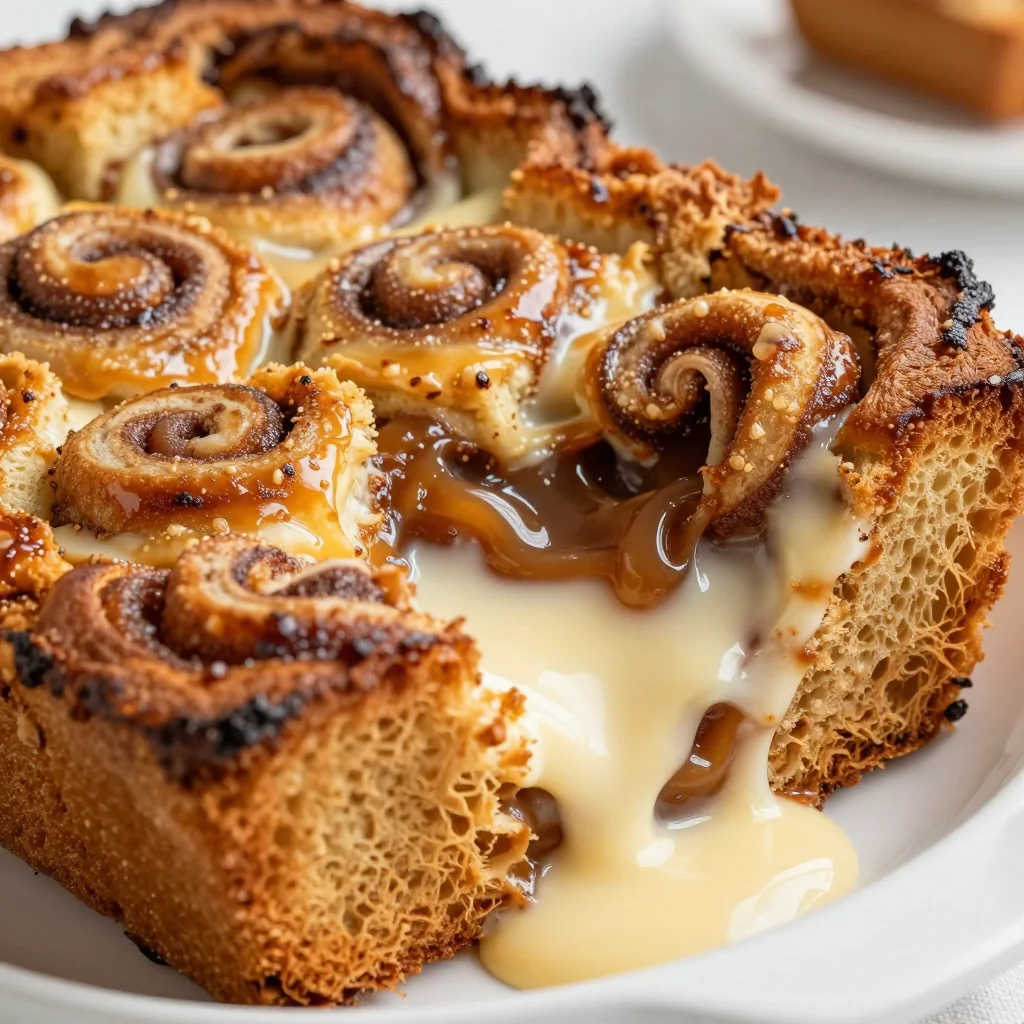
Add a tablespoon of maple syrup to the sauce, swap the biscuit dough for refrigerated cinnamon roll dough (trust me on this one), and serve it with a fried egg on top. The sweet-savory combination is breakfast magic, but substantial enough for dinner. The cinnamon in the dough creates this incredible sweet-savory thing that shouldn't work but absolutely does. My kids go crazy for this version, especially when we call it "breakfast surprise" and pretend we're being rebellious eating breakfast at night.
The Loaded Potato Take
Mix in a cup of frozen hash browns with the beef, swap the biscuit topping for refrigerated mashed potatoes (or make your own), and load it up with bacon bits and green onions. It's like shepherd's pie and Sloppy Joe had a delicious baby. The potatoes on top get golden and crispy while the hash browns inside add texture and help soak up all that incredible sauce. Top with extra cheese in the last five minutes for a loaded potato experience that'll ruin you for regular shepherd's pie forever.
The Italian Stallion
Use Italian sausage instead of ground beef, add a teaspoon of Italian seasoning, swap the ketchup for marinara, and use mozzarella instead of cheddar. Top with garlic bread dough and sprinkle with parmesan for a casserole that tastes like your favorite Italian sub. The fennel in the sausage pairs beautifully with the sweet marinara, creating a flavor profile that's familiar but excitingly different. Serve with a side of garlic knots for the full Italian-American experience that'll have everyone asking for the recipe.
The Greek Goddess
Add a teaspoon of oregano, use diced tomatoes instead of ketchup, crumble in some feta with the cheddar, and mix in some chopped spinach. Top with phyllo dough brushed with butter for a Mediterranean twist that's surprisingly addictive. The salty feta and earthy oregano transform the familiar into something exotic, while the phyllo creates shatteringly crisp layers that make this feel fancy enough for company. Even people who claim they don't like Greek food devour this version and ask for seconds.
The Low-Carb Game Changer
For my keto friends, skip the dough entirely and top with a mixture of shredded cheese, almond flour, and butter that bakes into a crispy cheese crust. Use sugar-free ketchup and skip the brown sugar, adding a touch of stevia instead. The almond flour helps create structure while keeping carbs low, and the cheese crust gets incredibly crispy and golden. It's not exactly the same as the original, but it's close enough that you won't feel deprived, and the flavor is so good that even carb-eaters will happily dig in.
Storing and Bringing It Back to Life
Fridge Storage
Let the casserole cool completely before covering with foil or transferring to an airtight container. It'll keep in the fridge for up to 4 days, though honestly, it never lasts that long in my house. The key is making sure it's completely cool before refrigerating — hot casserole plus cold fridge equals condensation, which equals soggy topping. Store individual portions in microwave-safe containers for easy grab-and-go lunches that'll make your coworkers jealous. The flavors actually improve overnight as everything melds together, making leftovers something to look forward to rather than endure.
Freezer Friendly
This casserole freezes beautifully either before or after baking. For unbaked, assemble everything except the dough topping, wrap tightly in plastic wrap then foil, and freeze for up to 3 months. When ready to bake, thaw overnight in the fridge, add fresh dough topping, and bake as directed, adding 10-15 minutes to account for the cold filling. For already-baked portions, cool completely, wrap individual servings, and freeze for up to 2 months. Thaw overnight and reheat in the oven for best results — the microwave works but you'll lose that crispy topping that makes this casserole special.
Best Reheating Method
Skip the microwave unless you're desperate — it turns the topping rubbery and the filling unevenly hot. Instead, reheat in a 350°F oven for 15-20 minutes until heated through. Cover with foil for the first 10 minutes to prevent over-browning, then uncover for the last bit to crisp up the top. If you're reheating a single portion, a toaster oven works perfectly and takes half the time. Add a tiny splash of water before reheating — it creates steam that brings everything back to life without drying it out. For an extra crispy top, turn on the broiler for the last 2 minutes, but watch it like a hawk.