Picture this: I’m standing in a cramped kitchen, the air thick with the scent of soy sauce and garlic, when my phone buzzes with a message from my friend: “You’ve got to try the new soy‑sauce chicken I heard about—promise it’s a game changer.” I stared at the empty fridge, then at the stack of bone‑in chicken thighs that had been sitting there for weeks. The idea of turning that humble cut into something that could make the whole house smell like a restaurant seemed almost too good to be true. I was ready for a kitchen experiment, a culinary dare, and I promised myself I’d document every sizzling moment for you, my fellow food adventurer.
I pulled the thighs out, their skin glistening with a faint sheen of fat that promised crispness. The moment I dropped them into the pan, the sizzle was like a drumbeat announcing a feast. The aroma of soy sauce and dark soy sauce mingled with the warm, earthy scent of ginger and star anise, creating a bouquet that made my mouth water in anticipation. The sound of the pan was a low, comforting hum, and the heat radiated through the countertop, turning my kitchen into a small, fragrant arena. I could already taste the caramelized edges that would form, the tender meat that would soak up every drop of sauce. This was the beginning of something special.
I’ve tried countless chicken recipes—some that over‑cooked the meat into rubbery strands, others that left the skin soggy and unappetizing. What makes a soy‑sauce chicken stand out is that delicate balance between savory umami, sweet caramelization, and aromatic spices. The trick is to let the sauce reduce slowly, allowing the flavors to weave together like a well‑told story. I’ve discovered that the right blend of star anise and bay leaves adds a subtle, almost mystical depth that sets this dish apart from the usual. The sauce’s glossy finish clings to each bone‑in thigh, making every bite a burst of flavor that lingers on the palate. It’s the kind of dish that turns an ordinary dinner into an unforgettable experience.
I dare you to taste this and not go back for seconds. The first bite is a revelation—juicy chicken coated in a sweet‑savory glaze that feels like a velvet hug. The aroma alone will have your guests asking for the recipe before you even finish cooking. The texture is a contrast of tender meat and a slightly caramelized crust that shatters like thin ice when you bite. I’ll be honest—by the time the last thigh was plated, I had already eaten half the batch before anyone else even got a chance to try it. The moment you taste it, you’ll wonder why you ever settled for bland, over‑cooked chicken. This is hands down the best version you’ll ever make at home.
Picture yourself pulling this out of the oven, the whole kitchen smelling incredible, and the table already set with steaming rice and crisp green onions. The anticipation builds as the sauce thickens, the colors deepening to a rich mahogany that glistens under the kitchen lights. You can almost hear the quiet chatter of your guests as they line up for the first bite, their eyes widening with delight. The dish feels like a comforting hug from a kitchen legend, and you’ll find yourself replaying the moment in your mind long after the meal is over. Let me walk you through every single step—by the end, you’ll wonder how you ever made it any other way.
What Makes This Version Stand Out
- Flavor Depth: The combination of soy sauce, dark soy sauce, and cooking wine creates a layered umami profile that’s richer than any single sauce alone.
- Texture Contrast: The bone‑in thighs develop a caramelized skin that crisps to a satisfying snap while the inside stays melt‑in‑your‑mouth tender.
- Simple Method: No fancy equipment—just a pan and a pot of rice cooker magic, making it accessible for every kitchen.
- Ingredient Quality: Using high‑grade soy sauce and fresh aromatics elevates the dish from good to unforgettable.
- Crowd‑Pleaser: The savory glaze and aromatic spices make it a guaranteed hit at family dinners or casual get‑togethers.
- Make‑Ahead Friendly: The sauce can be prepared in advance and reheated without losing its silky texture.
- Versatility: Add a splash of sesame oil or a pinch of chili flakes to tweak the flavor profile to your taste.
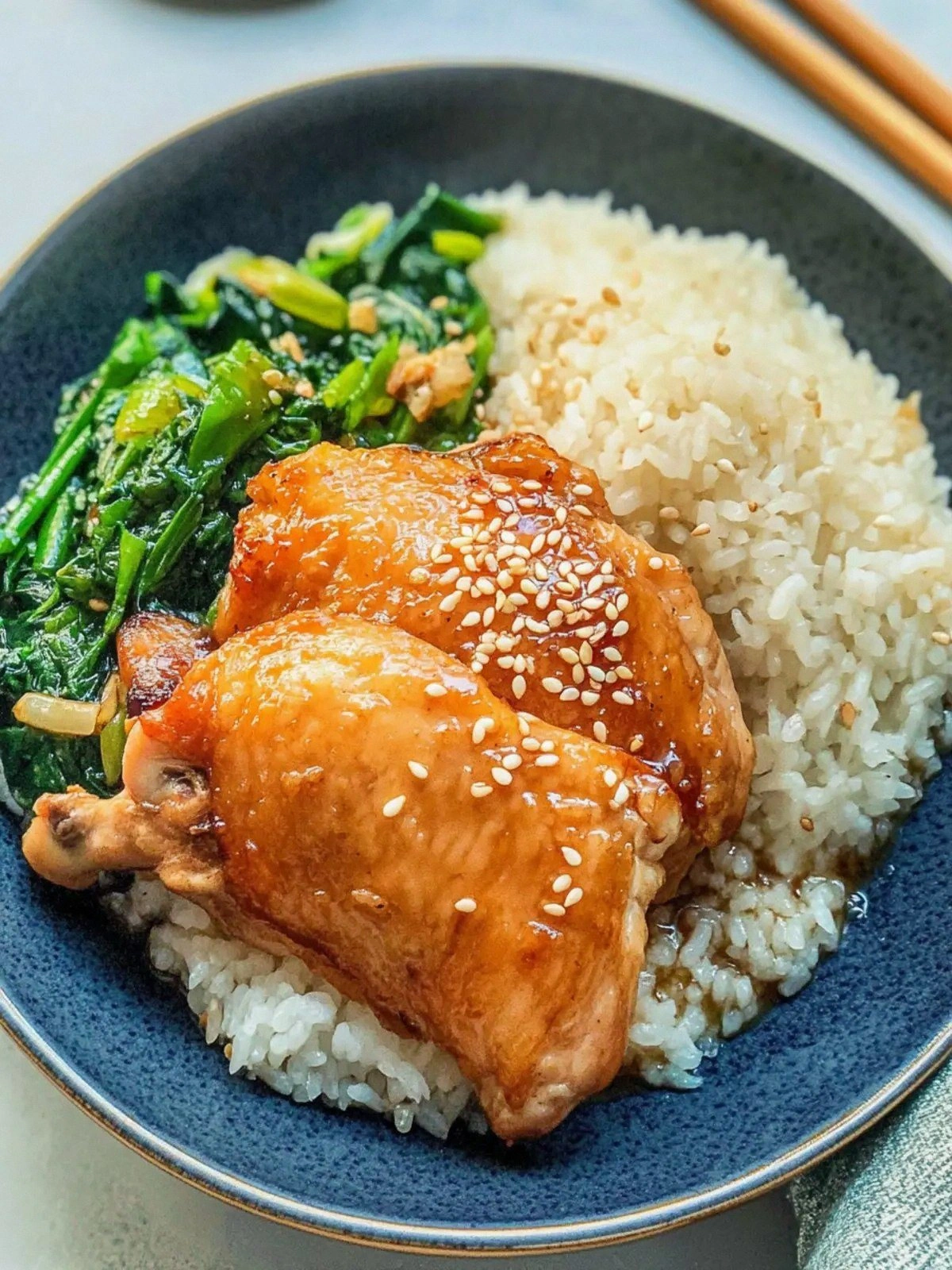
- Visual Appeal: The glossy glaze coats the thighs like velvet, making the dish as beautiful to look at as it is to eat.
Inside the Ingredient List
The Flavor Base
The 1/2 cup of soy sauce is the backbone of this dish, delivering a salty, umami punch that awakens the taste buds. The dark soy sauce, a quarter cup, adds depth and a subtle sweetness that balances the saltiness. Cooking wine, another quarter cup, introduces a fruity undertone that complements the savory notes. Together, these liquids create a sauce that’s both complex and harmonious. If you skip any of them, the dish loses a layer of flavor, becoming flat and one‑dimensional. A good rule of thumb: always use the dark soy sauce to avoid a bright, overly sweet finish.
The Aromatic Crew
Star anise and bay leaves are the unsung heroes that infuse the sauce with a warm, fragrant aroma reminiscent of distant markets. The ginger adds a fresh, peppery bite that cuts through the richness of the soy sauces. Garlic cloves bring a sharp, savory note that enhances the overall depth. Together, these aromatics create a fragrant tapestry that surrounds the chicken. If you omit them, the sauce will still taste good, but it will lack the subtle complexity that makes this dish memorable. When selecting these ingredients, look for bright, unblemished pieces for maximum flavor.
The Sweetness Factor
Two tablespoons of sugar might seem small, but it’s the key to caramelization. The sugar dissolves into the sauce, forming a glossy glaze that clings to the chicken. It also helps balance the saltiness of the soy sauces, creating a rounded flavor profile. Skipping the sugar will leave the sauce too sharp and less complex. If you’re watching your sugar intake, you can replace it with honey or a sugar substitute, but the texture may change slightly. The sugar’s role is not just sweetening; it’s also a binder that brings everything together.
The Final Flourish
The hot water and water help achieve the perfect sauce consistency. The hot water reduces the sauce to a silky glaze, while the cold water helps set the final texture. Green onions add a bright, fresh finish that cuts through the richness. They also provide a subtle crunch when you bite into them. If you prefer a milder onion flavor, use only the white part of the scallion. The combination of hot and cold water is essential for the sauce’s glossy appearance and smooth mouthfeel.
Everything's prepped? Good. Let's get into the real action.
The Method — Step by Step
- First, heat a large skillet over medium‑high heat. As the pan warms, add a splash of oil and let it shimmer. Once the oil is hot, place the bone‑in chicken thighs skin‑side down. Watch the sizzle; it should be a steady, pleasant crackle. The skin will start to brown within a few minutes, developing a golden crust. This is the moment of truth—if the skin doesn’t crisp, the flavor will suffer.
- Flip the thighs after 4–5 minutes and let the other side cook for 3 minutes. This ensures even caramelization. While the chicken browns, start preparing the sauce base. In a small bowl, whisk together soy sauce, dark soy sauce, cooking wine, sugar, and a pinch of salt. The mixture should be smooth and free of clumps. Pour it into the skillet, coating the chicken evenly. The sauce will begin to bubble, releasing a fragrant aroma that signals the dish is on the right track.
- Add the aromatics—star anise, bay leaves, sliced ginger, and minced garlic—to the pan. The ginger’s warmth and garlic’s sharpness will infuse the sauce. Let the mixture simmer for 2 minutes, allowing the flavors to meld. The aromatics should release a fragrant perfume that permeates the kitchen. Stir occasionally to prevent sticking. This step is crucial for building the dish’s complex flavor profile.
- Pour in the hot water, then reduce the heat to low. The water helps thin the sauce just enough to coat the chicken without making it too watery. Let the mixture simmer gently for 15 minutes, uncovered, to reduce and thicken. The sauce should develop a glossy sheen and a slightly syrupy consistency. Check the chicken’s internal temperature; it should reach 165°F (74°C) for safe consumption. This slow reduction locks in the savory flavors.
- Halfway through the simmer, add the cold water to the pan. This step helps set the sauce’s final texture and gives it a silky finish. The sudden temperature drop causes the sauce to thicken further, creating that glossy glaze that clings to the chicken. Stir gently to combine. The sauce should look like a smooth, amber liquid that coats the thighs beautifully. This technique is a secret to achieving that restaurant‑level glaze.
- When the sauce has thickened to your liking, sprinkle the green onions over the top. Their bright green color provides a fresh contrast to the deep amber sauce. They also add a subtle crunch that elevates the dish’s texture. Gently stir to distribute the onions evenly. The final dish should look vibrant, with a glossy glaze and a pop of green. This finishing touch makes the dish as beautiful as it is delicious.
- Transfer the chicken and sauce to a heat‑proof bowl or a rice cooker. If using a rice cooker, set it to “keep warm” to maintain the sauce’s consistency. The chicken should be tender and the sauce should be thick and glossy. Let it rest for 5 minutes before serving; this allows the flavors to meld fully. The rest period also ensures the sauce doesn’t run off the chicken when you cut into it.
- Serve the chicken over steamed rice, spooning extra sauce over the top. The rice soaks up the savory glaze, creating a harmonious balance of flavors. Garnish with a few extra green onion slivers if desired. The dish should feel comforting and indulgent, yet balanced. As you take the first bite, the flavors should dance—sweet, salty, umami, and aromatic notes all working together. Enjoy the moment, knowing you’ve created a dish that feels like a warm hug.
That's it—you did it. But hold on, I've got a few more tricks that'll take this to another level. These insider tips will help you avoid common pitfalls, tweak the flavor profile, and elevate the presentation. Let's dive into the details that can transform a good dish into a great one.
Insider Tricks for Flawless Results
The Temperature Rule Nobody Follows
Many cooks keep the heat too high, resulting in burnt edges and under‑cooked centers. The trick is to start with medium‑high heat for searing, then lower to medium or low for simmering. This ensures the chicken cooks evenly and the sauce reduces without scorching. I once tried a high‑heat simmer and ended up with a bitter sauce—don’t make the same mistake. Keep a close eye on the sauce’s color; once it turns amber, it’s time to reduce the heat. Consistency is key to a silky, glossy finish.
Why Your Nose Knows Best
When the sauce is reducing, trust your nose to judge doneness. A sweet, caramelized aroma indicates the sugar has fully integrated. If the scent leans too sharp, you’re still too early. The smell should be inviting, almost like a warm hug. This sensory cue is far more reliable than a timer, especially when you’re juggling other tasks. By listening to the aroma, you’ll avoid over‑reduction and preserve the sauce’s silky texture.
The 5‑Minute Rest That Changes Everything
After you remove the chicken from heat, let it rest for five minutes. This short pause allows the juices to redistribute, keeping the meat moist. It also gives the sauce a chance to thicken slightly as it cools. I once skipped this step, and the chicken tasted dry and the sauce runny. The rest period is a small but crucial part of the process that ensures every bite is succulent. Trust me, the extra five minutes are worth the extra moisture.
Add a Splash of Sesame Oil for Depth
A few drops of toasted sesame oil at the end of cooking adds a nutty aroma that complements the soy base. The oil should be added after the sauce has thickened to avoid burning. It also gives the glaze a subtle sheen, enhancing visual appeal. If you’re vegan or prefer a lighter finish, replace with toasted almond oil. The result is a richer, more complex flavor profile that elevates the dish.
Use a Rice Cooker for Effortless Warmth
Once the chicken and sauce are ready, transfer them to a rice cooker and set it to “keep warm.” The rice cooker maintains a gentle heat, keeping the sauce from thickening too much. I’ve found that this method keeps the chicken tender and the glaze silky. If you don’t have a rice cooker, a low‑heat oven at 200°F works as a good alternative. The key is to avoid high heat that can dry out the meat.
Keep the Skewers Clean
If you’re plating the dish on skewers or a wooden board, wipe the surface before placing the chicken. This prevents the sauce from spreading too thin and keeps the presentation clean. A simple paper towel wipe works wonders. It also ensures that the sauce’s glossy glaze remains concentrated on the thighs, making each bite a burst of flavor. A neat presentation is the final touch that elevates the dish from good to memorable.
Creative Twists and Variations
This recipe is a playground. Here are some of my favorite ways to switch things up:
Spicy Szechuan Kick
Add a tablespoon of Szechuan peppercorns and a dash of chili oil to the sauce. The peppercorns provide a numbing heat, while the chili oil adds a smoky depth. Serve with a sprinkle of toasted sesame seeds for crunch. This variation turns the dish into a fiery, aromatic delight that pairs well with plain rice or a cold cucumber salad.
Citrus Brightness
Replace half the soy sauce with orange or lime juice for a bright, citrusy twist. The acidity cuts through the richness, creating a balanced flavor profile. Add a handful of fresh cilantro for an herbal finish. This version works beautifully for a summer dinner, offering a refreshing contrast to the savory base.
Herb‑Infused Glaze
Incorporate fresh thyme or rosemary into the sauce during the simmer. The herbs lend a fragrant, earthy note that complements the soy base. Use a small sprig of rosemary for an aromatic burst. This herbaceous twist is perfect for a cozy, autumnal meal.
Miso‑Marinated Chicken
Blend a tablespoon of white miso paste into the soy sauce mixture before cooking. The miso adds a creamy, umami depth that enriches the glaze. Pair this variation with steamed bok choy or sautéed greens for a balanced plate. The miso brings a Japanese flair that elevates the dish’s sophistication.
Sweet and Smoky Barbecue
Add a tablespoon of smoked paprika and a teaspoon of honey to the sauce. The smoked paprika imparts a subtle smokiness, while honey sweetens the glaze. Finish with a drizzle of bourbon or whiskey for an adult twist. This version is a crowd‑pleaser at casual gatherings or backyard barbecues.
Vegetarian Version
Replace the chicken thighs with thick-cut tofu or seitan. Marinate the protein in the soy sauce mixture for at least 30 minutes before cooking. The tofu will absorb the flavors beautifully, creating a hearty, plant‑based main dish. This variation is perfect for a vegetarian dinner that still satisfies the craving for savory, umami‑rich flavors.
Storing and Bringing It Back to Life
Fridge Storage
Store leftovers in an airtight container in the refrigerator for up to 3 days. The sauce will thicken as it cools, but it remains delicious. When reheating, add a splash of water or broth to loosen the glaze. This prevents the sauce from becoming too thick or dry. Keep the chicken pieces separate from the sauce if you prefer to add the glaze fresh each time.
Freezer Friendly
You can freeze the cooked chicken and sauce separately in freezer‑proof bags. They’ll keep for up to 2 months. Thaw overnight in the refrigerator before reheating. Use a gentle heat source like a low‑temperature oven or a saucepan over low heat. The sauce may separate slightly; stir well before serving to restore its silky consistency.
Best Reheating Method
The ideal way to reheat is on a skillet over low heat, adding a splash of water or broth to keep the sauce moist. Alternatively, microwave on low power for 1–2 minutes, stirring halfway through. The key is to avoid high heat, which can dry out the chicken and thicken the sauce excessively. Reheat until the internal temperature reaches 165°F (74°C) for safe consumption. Serve immediately with fresh steamed rice for the best experience.