
Salsa De Frijol Pinto
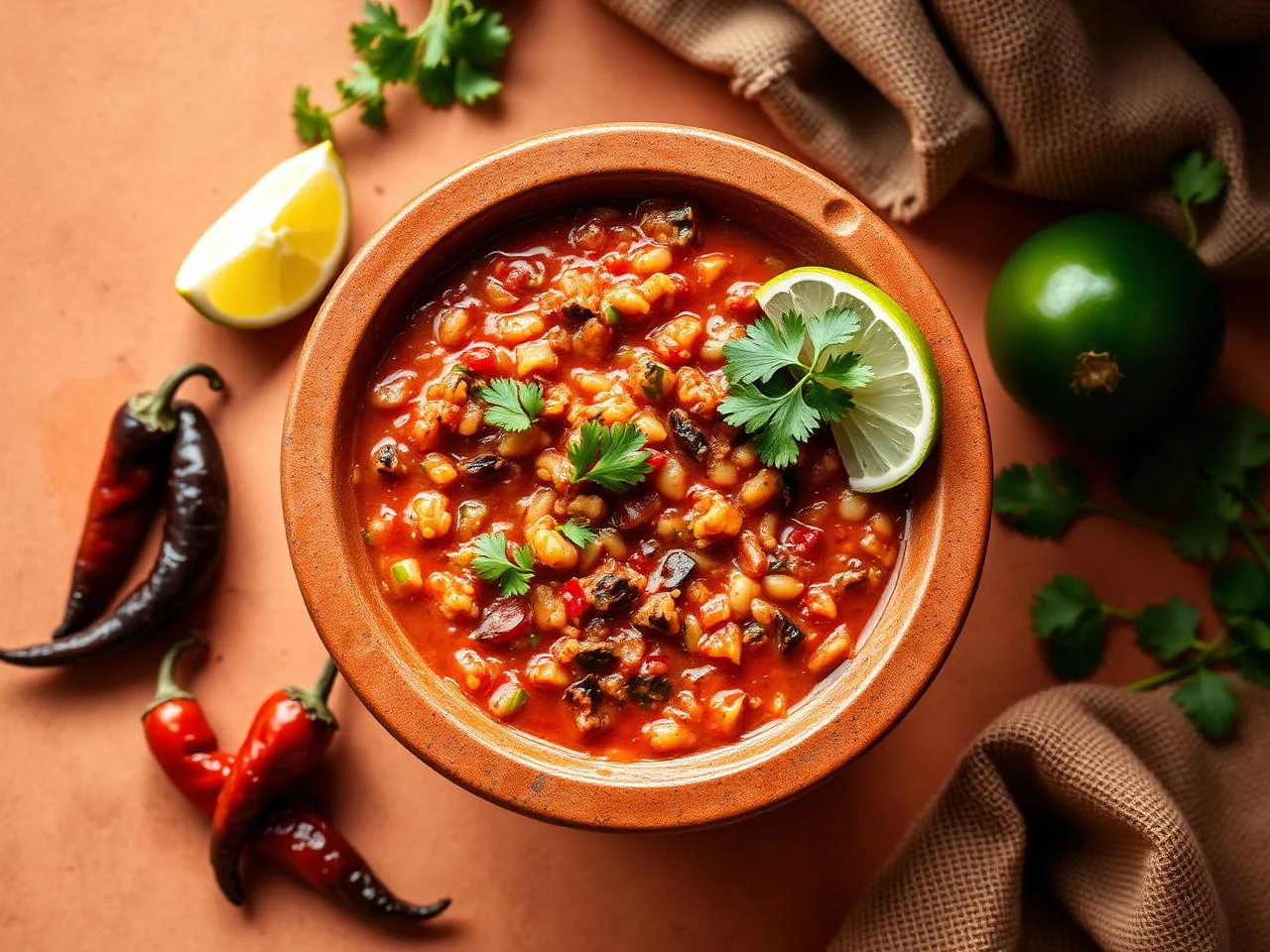
I still remember the first time I tasted my grandmother's Salsa De Frijol Pinto. It was at a family gathering, and the flavors just exploded in my mouth - the smokiness of the toasted chiles, the depth of the pinto beans, and the slight kick of heat from the garlic. From that day on, I was hooked.
As I grew older and began cooking for myself, I realized that Salsa De Frijol Pinto is more than just a delicious condiment - it's a staple of Mexican cuisine, and a testament to the power of slow-cooked, carefully crafted food. In this recipe, I'll show you how to make authentic Salsa De Frijol Pinto, just like my grandmother used to make.
The key to this recipe is the combination of toasted chiles, garlic, and pinto beans. By charring the chiles and garlic on a hot comal or under the broiler, you bring out their natural sweetness and depth of flavor. Then, by blending them with cooked pinto beans, onion, and a squeeze of lime juice, you create a salsa that's both smoky and refreshing.
This recipe is perfect for anyone looking to add a little excitement to their meals. Whether you're using it as a dip for tortilla chips, a topping for tacos or grilled meats, or as a side dish for your favorite Mexican recipes, Salsa De Frijol Pinto is sure to become a new favorite.
Why You’ll Love This Recipe
- Easy to make and requires minimal ingredients
- Perfect for dipping, topping tacos or grilled meats, or as a side dish
- Smoky, slightly spicy flavor adds depth and excitement to any meal
- Can be made ahead and refrigerated for up to a week
- Budget-friendly and uses affordable, accessible ingredients
- Crowd-pleasing and perfect for parties, gatherings, or special occasions
- Versatile and can be used in a variety of dishes, from Mexican to Tex-Mex
Why This Recipe Works
The secret to this recipe lies in the layering of flavors. By toasting the chiles and garlic, you create a deep, smoky flavor that's the foundation of the salsa. Then, by blending them with cooked pinto beans, onion, and a squeeze of lime juice, you add a bright, refreshing note that cuts through the richness of the dish.
The other key element is the texture. By blending the ingredients until they're mostly smooth, you create a salsa that's both creamy and chunky, with a nice balance of flavors and textures.
Finally, the acidity of the lime juice helps to balance out the flavors and prevent the salsa from becoming too rich or overpowering. This is especially important when serving the salsa with rich or fatty foods, like grilled meats or fried tortilla chips.
Ingredients You’ll Need
When it comes to making Salsa De Frijol Pinto, the ingredients are just as important as the technique. You'll need a few key players, including dried arbol chiles, garlic, pinto beans, onion, and lime juice. Look for high-quality, fresh ingredients, and don't be afraid to experiment with different types of chiles or spices to find the flavor you like best.
- 4 dried arbol chilesDried arbol chiles have a bright, slightly smoky flavor and a moderate level of heat. You can find them at most Mexican markets or online. If you can't find arbol chiles, you can substitute in dried guajillo or Anaheim chiles.
- 3 cloves garlic, peeled and choppedGarlic adds a deep, rich flavor to the salsa. Look for firm, fresh cloves with no signs of sprouting or mold.
- 1 cup pinto beans, cooked and drainedPinto beans are the backbone of this salsa, providing a creamy, slightly sweet flavor. You can cook them from scratch or use canned beans as a substitute.
- 1/2 cup chopped onionOnion adds a sweet, caramelized flavor to the salsa. Look for a firm, fresh onion with no signs of mold or sprouting.
- 2 tablespoons lime juiceLime juice adds a bright, refreshing flavor to the salsa. Look for fresh, 100% lime juice with no added sugars or preservatives.
- 1/2 teaspoon ground cuminCumin adds a warm, earthy flavor to the salsa. Look for high-quality, fresh cumin with no signs of staleness or mold.
- 1/2 teaspoon smoked paprikaSmoked paprika adds a deep, smoky flavor to the salsa. Look for high-quality, fresh paprika with no signs of staleness or mold.
- Salt and pepper to tasteSalt and pepper help to balance out the flavors in the salsa. Look for high-quality, fresh salt and pepper with no added preservatives or fillers.
- 2 tablespoons chopped fresh cilantroCilantro adds a fresh, herbal flavor to the salsa. Look for firm, fresh leaves with no signs of mold or wilt.
- 1 jalapeno pepper, seeded and choppedJalapeno peppers add a spicy kick to the salsa. Look for firm, fresh peppers with no signs of mold or rot.
- 2 tablespoons olive oilOlive oil helps to bring the flavors together in the salsa. Look for high-quality, fresh oil with no added preservatives or fillers.
Equipment You’ll Need
How to Make Salsa De Frijol Pinto
- 1Start by toasting the dried arbol chiles on a hot comal or under the broiler until they're fragrant and slightly puffed, about 2-3 minutes per side.
- 2Remove the chiles from the heat and let them cool slightly, then stem and seed them, and tear them into small pieces.
- 3In a blender or food processor, combine the toasted chile pieces, garlic, pinto beans, onion, lime juice, cumin, smoked paprika, salt, and pepper. Blend until the mixture is mostly smooth, with a few chunky pieces remaining.
- 4Heat the olive oil in a large heavy skillet over medium heat. Add the chopped jalapeno pepper and cook, stirring occasionally, until the pepper is softened and slightly caramelized, about 5-7 minutes.
- 5Add the blended salsa mixture to the skillet with the cooked jalapeno pepper, and stir to combine.
- 6Bring the mixture to a simmer and cook, stirring occasionally, until the salsa has thickened slightly and reduced by about half, about 10-15 minutes.
- 7Remove the skillet from the heat and stir in the chopped cilantro. Let the salsa cool to room temperature, then cover and refrigerate for at least 30 minutes to allow the flavors to meld.
- 8Before serving, taste and adjust the seasoning as needed. You can serve the salsa chilled or at room temperature, garnished with additional cilantro or scallions if desired.
- 9To make the salsa more spicy, you can add in more jalapeno peppers or use hotter peppers like habaneros or ghost peppers.
- 10To make the salsa less spicy, you can use just one jalapeno pepper or omit the seeds and membranes, which contain most of the heat.
- 11To make the salsa ahead, you can prepare the ingredients and store them in separate containers in the refrigerator for up to a day. Then, simply combine the ingredients and cook the salsa as directed.
- 12To freeze the salsa, you can transfer it to an airtight container or freezer bag and store it in the freezer for up to 3 months. Simply thaw the salsa in the refrigerator or at room temperature when you're ready to serve it.
Expert Tips
- Use high-quality, fresh ingredients to get the best flavor out of your salsa.
- Don't over-blend the salsa, as this can make it too smooth and lose its texture.
- Adjust the level of heat in the salsa to your taste by using more or fewer jalapeno peppers.
- Let the salsa cool to room temperature before refrigerating it, as this will help the flavors to meld and the salsa to thicken.
- Experiment with different types of chiles or spices to find the flavor you like best.
- Consider making a double batch of the salsa and freezing it for later use.
- Serve the salsa with tortilla chips, tacos, grilled meats, or vegetables for a delicious and easy snack or meal.
- Use the salsa as a topping for grilled meats, fish, or vegetables for added flavor and moisture.
Common Mistakes to Avoid
- Using low-quality or stale ingredients, which can affect the flavor and texture of the salsa.
- Over-blending the salsa, which can make it too smooth and lose its texture.
- Not adjusting the level of heat in the salsa to your taste, which can make it too spicy or not spicy enough.
- Not letting the salsa cool to room temperature before refrigerating it, which can affect the texture and flavor.
- Not experimenting with different types of chiles or spices, which can limit the flavor possibilities of the salsa.
- Not making a double batch of the salsa and freezing it for later use, which can be a convenient and time-saving option.
Variations and Substitutions
- Using different types of chiles, such as guajillo or Anaheim chiles, to change the flavor and heat level of the salsa.
- Adding other ingredients, such as diced tomatoes or mango, to the salsa for added flavor and texture.
- Using different types of beans, such as black beans or kidney beans, to change the flavor and texture of the salsa.
- Adding a splash of vinegar, such as apple cider vinegar or balsamic vinegar, to the salsa for added brightness and flavor.
- Using different types of citrus, such as lemon or orange, to change the flavor and acidity of the salsa.
- Adding a sprinkle of cheese, such as queso fresco or feta, to the salsa for added flavor and texture.
- Using the salsa as a topping for grilled meats, fish, or vegetables for added flavor and moisture.
What to Serve With Salsa De Frijol Pinto
Salsa De Frijol Pinto is a versatile condiment that can be used in a variety of dishes, from Mexican to Tex-Mex. You can serve it with tortilla chips, tacos, grilled meats, or vegetables for a delicious and easy snack or meal.
Consider using the salsa as a topping for grilled meats, fish, or vegetables for added flavor and moisture. You can also use it as a dip for vegetables, such as carrots or cucumbers, or as a sauce for tacos or grilled meats.
Make-Ahead, Storage, Freezing and Reheating
To store the salsa, simply transfer it to an airtight container and refrigerate it for up to a week. You can also freeze the salsa for up to 3 months, and thaw it in the refrigerator or at room temperature when you're ready to serve it.
When freezing the salsa, consider dividing it into smaller portions, such as ice cube trays or freezer bags, to make it easier to thaw and use only what you need. You can also label the containers with the date and contents, so you can easily keep track of how long they've been stored.
To reheat the salsa, simply thaw it in the refrigerator or at room temperature, and then heat it in a saucepan over low heat, stirring occasionally, until it's warmed through. You can also reheat it in the microwave, stirring every 30 seconds, until it's warmed through.
When reheating the salsa, be careful not to overheat it, as this can affect the texture and flavor. Simply heat it until it's warmed through, and then serve it immediately.
Frequently Asked Questions
What type of chiles should I use for this recipe?
You can use dried arbol chiles, guajillo chiles, or Anaheim chiles for this recipe. Each type of chile will give the salsa a slightly different flavor and heat level.
Can I use canned beans instead of cooking pinto beans from scratch?
Yes, you can use canned beans as a substitute for cooked pinto beans. Simply drain and rinse the canned beans, and then use them in place of the cooked pinto beans in the recipe.
How spicy is this salsa?
The level of heat in this salsa will depend on the type of chiles you use and the amount of jalapeno pepper you add. If you prefer a milder salsa, you can use just one jalapeno pepper or omit the seeds and membranes, which contain most of the heat.
Can I make this salsa ahead of time?
Yes, you can make this salsa ahead of time and store it in the refrigerator for up to a week or freeze it for up to 3 months. Simply thaw the salsa in the refrigerator or at room temperature when you're ready to serve it.
What can I serve this salsa with?
You can serve this salsa with tortilla chips, tacos, grilled meats, or vegetables for a delicious and easy snack or meal. You can also use it as a topping for grilled meats, fish, or vegetables for added flavor and moisture.
Can I customize this recipe to suit my tastes?
Yes, you can customize this recipe to suit your tastes by using different types of chiles, adding other ingredients, or adjusting the level of heat. Feel free to experiment and find the flavor you like best.
How do I store this salsa?
To store the salsa, simply transfer it to an airtight container and refrigerate it for up to a week. You can also freeze the salsa for up to 3 months, and thaw it in the refrigerator or at room temperature when you're ready to serve it.
Can I freeze this salsa?
Yes, you can freeze this salsa for up to 3 months. Simply transfer it to an airtight container or freezer bag, and store it in the freezer. When you're ready to serve it, simply thaw the salsa in the refrigerator or at room temperature.
Ingredients
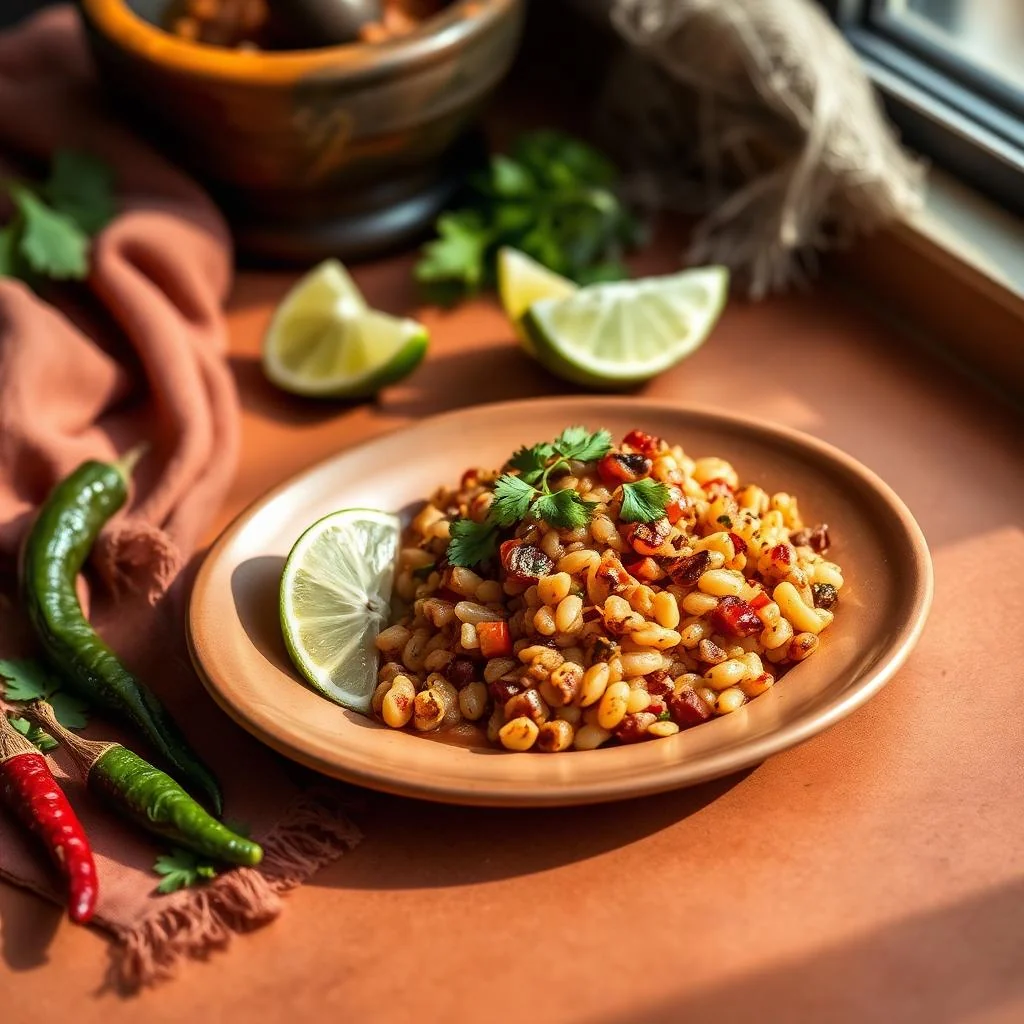
- 4 dried arbol chiles
- 3 cloves garlic, peeled and chopped
- 1 cup pinto beans, cooked and drained
- 1/2 cup chopped onion
- 2 tablespoons lime juice
- 1/2 teaspoon ground cumin
- 1/2 teaspoon smoked paprika
- Salt and pepper to taste
- 2 tablespoons chopped fresh cilantro
- 1 jalapeno pepper, seeded and chopped
- 2 tablespoons olive oil
Instructions
- Start by toasting the dried arbol chiles on a hot comal or under the broiler until they're fragrant and slightly puffed, about 2-3 minutes per side.
- Remove the chiles from the heat and let them cool slightly, then stem and seed them, and tear them into small pieces.
- In a blender or food processor, combine the toasted chile pieces, garlic, pinto beans, onion, lime juice, cumin, smoked paprika, salt, and pepper. Blend until the mixture is mostly smooth, with a few chunky pieces remaining.
- Heat the olive oil in a large heavy skillet over medium heat. Add the chopped jalapeno pepper and cook, stirring occasionally, until the pepper is softened and slightly caramelized, about 5-7 minutes.
- Add the blended salsa mixture to the skillet with the cooked jalapeno pepper, and stir to combine.
- Bring the mixture to a simmer and cook, stirring occasionally, until the salsa has thickened slightly and reduced by about half, about 10-15 minutes.
- Remove the skillet from the heat and stir in the chopped cilantro. Let the salsa cool to room temperature, then cover and refrigerate for at least 30 minutes to allow the flavors to meld.
- Before serving, taste and adjust the seasoning as needed. You can serve the salsa chilled or at room temperature, garnished with additional cilantro or scallions if desired.
- To make the salsa more spicy, you can add in more jalapeno peppers or use hotter peppers like habaneros or ghost peppers.
- To make the salsa less spicy, you can use just one jalapeno pepper or omit the seeds and membranes, which contain most of the heat.
- To make the salsa ahead, you can prepare the ingredients and store them in separate containers in the refrigerator for up to a day. Then, simply combine the ingredients and cook the salsa as directed.
- To freeze the salsa, you can transfer it to an airtight container or freezer bag and store it in the freezer for up to 3 months. Simply thaw the salsa in the refrigerator or at room temperature when you're ready to serve it.