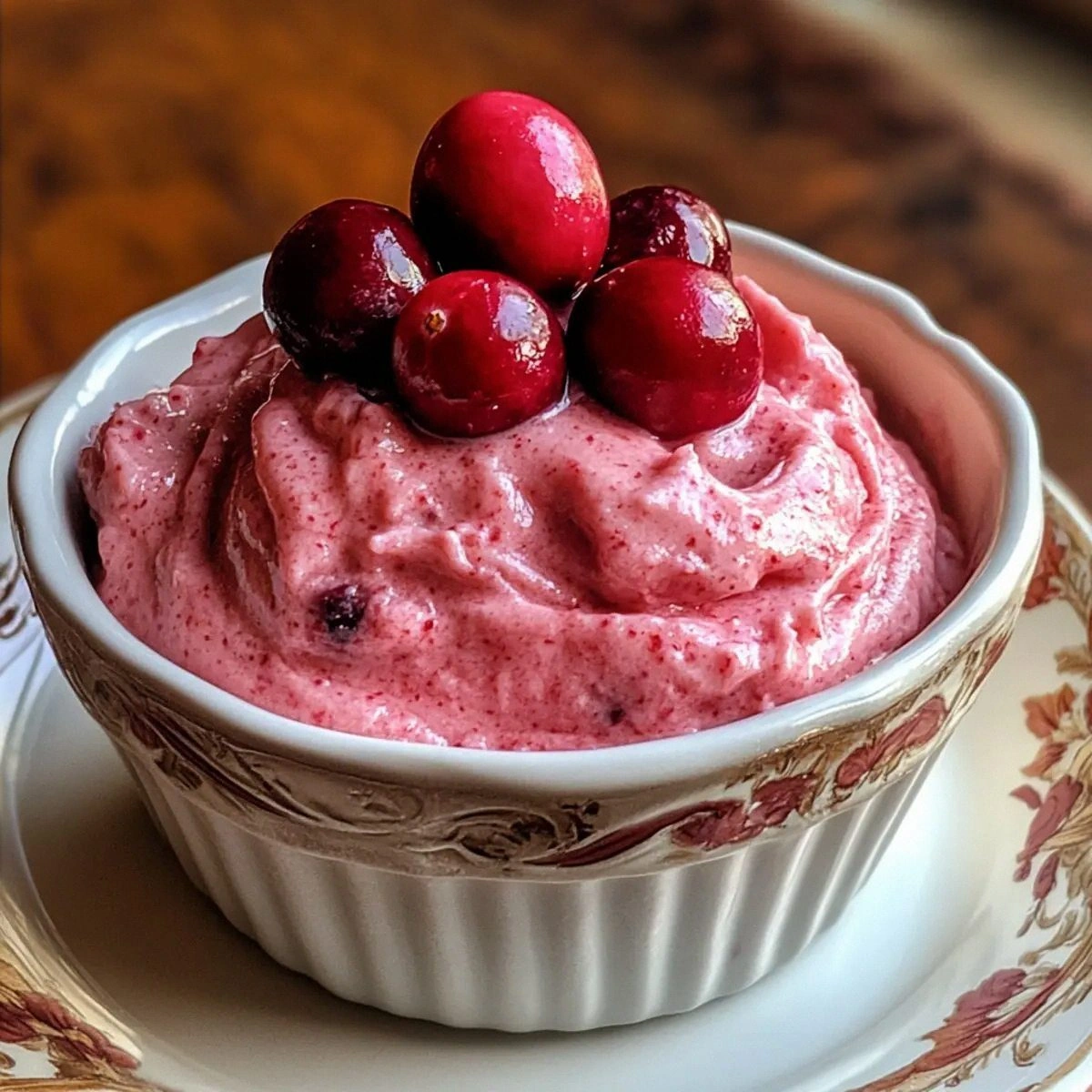
I was standing in my kitchen, half‑heartedly scrolling through a dozen holiday recipe blogs, when my roommate tossed a dare at me: “Make something that’ll make the whole house smell like a Christmas market, but don’t use any of the usual cinnamon‑laden spreads.” I laughed, grabbed a bag of dried cranberries, and thought, “Why not turn these tangy gems into a butter that’s sweet, buttery, and a little bit rebellious?” The result? A spread that coats a warm biscuit like velvet and makes a simple toast feel like a celebration. I’ll be honest — I ate half the batch before anyone else got a chance to try it, and that’s the first confession you need to hear before we dive in.
Picture this: the kitchen is alive with the gentle pop of butter melting in a saucepan, the citrusy perfume of orange juice swirling with the tart pop of cranberries, and a faint whisper of powdered sugar dusting the air like fresh snow. The sound of the spatula scraping the bottom of the pan is a rhythmic reminder that something delicious is coming together. Your fingertips feel the buttery warmth, the orange juice slick against the wood, and the anticipation builds faster than a kid waiting for the oven timer. When the mixture finally comes together, it looks like a glossy, ruby‑red dream that’s begging to be spread, dolloped, and devoured.
What makes this version stand out from the endless sea of cranberry butters out there? First, the orange juice isn’t just a splash of liquid; it’s a flavor catalyst that lifts the cranberries from merely tart to bright, almost floral. Second, we use a full cup of unsalted butter, giving the spread a silkiness that’s impossible to achieve with margarine or low‑fat alternatives. Most recipes skimp on the sugar, leaving a gritty texture, but we fold in confectioners’ sugar until it disappears, creating a melt‑in‑your‑mouth consistency that’s pure decadence. And finally, the method is so straightforward that even a kitchen novice can pull it off without a single panic moment.
Now, I’m not going to spoil the biggest surprise just yet — there’s a secret step involving a quick reduction of the orange juice that concentrates its flavor without adding extra liquid. This little trick is the game‑changer that turns an ordinary spread into a masterpiece that will have you daring your friends to taste it and not go back for seconds. Let me walk you through every single step — by the end, you’ll wonder how you ever made it any other way.
What Makes This Version Stand Out
- Flavor Explosion: The combination of dried cranberries and fresh orange juice creates a sweet‑tart harmony that dances on the palate like a holiday parade.
- Silky Texture: Using a whole cup of unsalted butter and confectioners’ sugar gives the butter a smoothness that spreads effortlessly without tearing the bread.
- Simplicity: Only four ingredients, five steps, and you’re done – perfect for a last‑minute gathering or a lazy Sunday brunch.
- Unique Twist: The orange juice reduction concentrates flavor without making the butter watery, a secret most recipes overlook.
- Crowd‑Pleaser: Even the most skeptical palate can’t resist the bright, buttery finish; it’s practically a guaranteed applause at any gathering.
- Ingredient Quality: We insist on real dried cranberries (no juice‑filled pretenders) and high‑quality unsalted butter for the cleanest taste.
- Make‑Ahead Potential: This butter keeps beautifully in the fridge for up to two weeks, meaning you can prep it ahead of the big day.
- Versatility: Spread it on toast, swirl it into oatmeal, or use it as a glaze for roasted carrots – the possibilities are endless.
Inside the Ingredient List
The Flavor Base
The dried cranberries are the heart of this butter. Their concentrated sweetness and subtle chew give the spread that unmistakable bite you love in a holiday treat. If you skip them, you’ll lose the signature tartness, and the butter will taste like plain orange‑infused butter – still good, but nowhere near the same character. For a slightly different profile, try swapping half of the cranberries for chopped dried cherries; the result is a deeper, richer red hue and a hint of almond‑like depth.
The Citrus Spark
Half a cup of orange juice does more than add liquid; it brightens the entire flavor spectrum. Freshly squeezed juice is ideal because it brings natural oils from the zest, which mingle with the butter’s fat to create that buttery‑citrus perfume. If you’re out of fresh oranges, a high‑quality store‑bought juice works, but avoid those with added sugar – they’ll make the butter overly sweet and muddy the balance. A pro tip: zest a teaspoon of orange peel into the butter before adding the juice for an extra punch.
The Texture Crew
Unsalted butter is the canvas on which all flavors paint. Its natural creaminess allows the sugar to dissolve completely, ensuring a smooth, spreadable finish. Using salted butter would introduce an unpredictable salty note that could clash with the orange’s acidity. If you need a dairy‑free version, try a high‑fat coconut cream, but expect a subtle coconut flavor to shine through.
The Final Flourish
Confectioners’ sugar is the silent hero that turns this mixture from gritty to silk. Its fine texture blends seamlessly with the butter, eliminating any grainy feel you might get with granulated sugar. Skipping it or using a coarser sweetener will leave a noticeable crunch, ruining the buttery dream. For a less sweet version, reduce the sugar to ¾ cup; the butter will still be luscious, just a touch more tart.
Everything's prepped? Good. Let's get into the real action…
The Method — Step by Step
Start by chopping the dried cranberries into roughly ¼‑inch pieces. This size ensures they’ll soften quickly when they meet the butter, but still retain a pleasant chew. Toss the pieces into a small saucepan with the orange juice, then bring to a gentle simmer over medium‑low heat. You’ll hear a faint hiss as the juice starts to reduce – that’s the moment the flavor concentration begins.
Kitchen Hack: Keep the lid slightly ajar while simmering; this lets steam escape and speeds up the reduction without burning the sugars.While the cranberries are softening, slice the unsalted butter into cubes and set it on the counter to reach room temperature. This step is crucial – cold butter will seize when it meets the hot liquid, creating a grainy texture that no amount of whisking can fix. Once the butter is pliable, place it in a separate heat‑proof bowl.
When the orange‑cranberry mixture has reduced by about half (you’ll notice it thickens and the scent becomes intensely citrusy), remove the pan from heat. Let it cool for a minute, then pour it over the softened butter cubes. This is the moment of truth: the butter should melt into the liquid, forming a glossy emulsion.
Watch Out: If the mixture looks curdled, lower the heat and whisk vigorously; the butter will re‑emulsify.Grab a hand‑held mixer or a sturdy whisk and begin beating the butter‑orange blend on low speed. As it starts to come together, increase to medium speed and watch the mixture turn from a chunky paste to a smooth, glossy butter. This process should take about 2‑3 minutes; you’ll know it’s ready when the edges pull away from the sides of the bowl and the surface looks velvety.
Now, sift the confectioners’ sugar over the butter mixture to avoid any lumps. Sprinkle it slowly while the mixer is on low, then crank the speed up to medium‑high. The sugar will dissolve instantly, and the butter will become light, almost airy – think of a cloud that you can spread on toast.
Kitchen Hack: If you notice any grainy pockets, add a teaspoon of warm water and continue mixing; the water will dissolve the remaining sugar crystals.Taste the butter now – it should be sweet, tangy, and buttery all at once. If you crave a brighter citrus punch, add a splash more orange juice (no more than a tablespoon). If it’s too tart for your liking, blend in an extra tablespoon of confectioners’ sugar. Remember, this is your canvas, so feel free to adjust until it sings.
Transfer the finished cranberry butter into a small airtight container. Smooth the top with a spatula, then seal tightly. Let it sit at room temperature for 10 minutes to let the flavors meld, then pop it into the fridge. The butter will firm up but remain spreadable – a perfect consistency for any use.
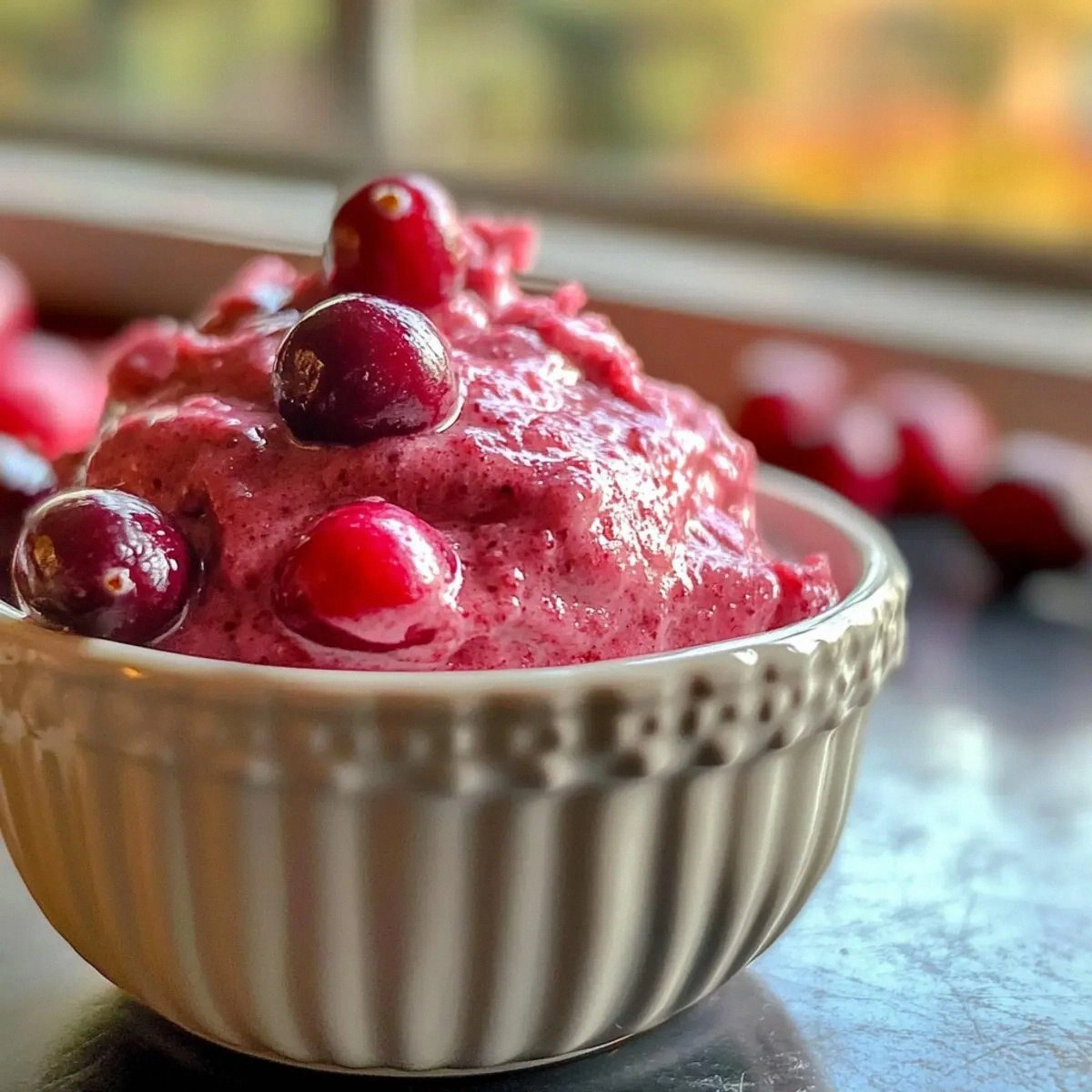
Finally, serve the butter alongside warm biscuits, toasted baguette slices, or even a dollop on top of vanilla ice cream. The moment you spread it, the room will fill with that orange‑cranberry aroma, and you’ll hear the collective gasp of delighted diners. I dare you to taste this and not go back for seconds.
That's it — you did it. But hold on, I've got a few more tricks that'll take this to another level…
Insider Tricks for Flawless Results
The Temperature Rule Nobody Follows
Never, ever add cold butter straight into a hot liquid. The temperature shock causes the fat to seize, leading to a grainy texture that no amount of whisking can fix. Instead, let the butter sit out for at least 30 minutes before you start, or gently warm it in a microwave for 10‑second bursts. This simple step guarantees a silky emulsion every single time.
Why Your Nose Knows Best
Your sense of smell is the ultimate indicator of when the orange‑cranberry reduction is ready. When the mixture shifts from a sharp citrus tang to a deeper, caramel‑like aroma, you’ve reached the perfect reduction point. Trust that nose cue more than the clock – it’s a sensory shortcut that even seasoned chefs swear by.
The 5‑Minute Rest That Changes Everything
After mixing, let the butter rest uncovered for five minutes before sealing the container. This short pause allows the butter crystals to align, resulting in a smoother spread that holds its shape on warm toast. I once skipped this step and ended up with a butter that melted too quickly, turning my toast into a soggy mess – lesson learned.
The Citrus Zest Boost
A pinch of freshly grated orange zest added at the very end adds a burst of aroma that elevates the butter from good to unforgettable. The zest’s essential oils cling to the butter’s fat, creating a lingering fragrance that stays on the palate long after the bite.
The Secret Sweetness Balance
If you prefer a less sweet spread, substitute half of the confectioners’ sugar with a touch of powdered honey. The honey adds a floral nuance while keeping the texture smooth. This swap is perfect for those who love a hint of natural sweetness without the overt sugary punch.
Creative Twists and Variations
This recipe is a playground. Here are some of my favorite ways to switch things up:
Spiced Autumn Version
Add a teaspoon of ground cinnamon and a pinch of nutmeg to the butter while it’s mixing. The warm spices complement the cranberry’s tartness and turn the spread into a perfect fall accompaniment for pumpkin pancakes.
Chocolate Lover’s Dream
Stir in 2 tablespoons of melted dark chocolate after the butter is smooth. The chocolate adds richness and a subtle bitterness that balances the sweet‑tart base, making it ideal for spreading on croissants.
Herbal Freshness
Fold in a tablespoon of finely chopped fresh rosemary or thyme. The herb’s piney notes add a sophisticated edge, perfect for serving alongside roasted turkey or grilled chicken.
Nutty Crunch
Mix in ¼ cup of toasted, finely chopped pecans or walnuts after the butter is fully blended. The nuts introduce a satisfying crunch and a buttery depth that pairs wonderfully with the cranberry’s brightness.
Vegan Delight
Swap the unsalted butter for an equal amount of high‑fat coconut cream and use agave syrup in place of confectioners’ sugar. The result is a dairy‑free spread that still delivers that creamy, sweet‑tart experience.
Storing and Bringing It Back to Life
Fridge Storage
Transfer the butter to an airtight glass jar and keep it in the refrigerator. It will stay fresh for up to two weeks. For best spreadability, let it sit at room temperature for 10 minutes before using.
Freezer Friendly
If you want to keep it longer, portion the butter into silicone ice‑cube trays, freeze, then transfer the cubes to a zip‑top bag. Frozen butter lasts for three months and can be thawed in the fridge overnight. A quick tip: add a tiny splash of orange juice to each cube before freezing; it helps retain the citrus zing after thawing.
Best Reheating Method
When you’re ready to use a frozen or chilled block, place it in a small saucepan over low heat, adding a teaspoon of water. The water creates gentle steam that revives the butter’s silkiness without melting it into a greasy puddle. Stir constantly until the butter is smooth again, then spread away.