When the kitchen lights flickered and the oven was still humming, I stared at the pile of half‑cooked pumpkin pies that had turned into a sad, soggy mess. I had been trying to replicate that legendary Hogwarts feast, but every time the crust collapsed or the filling leaked like a leaky cauldron. That night, I decided to take matters into my own hands and reinvent the pumpkin pastie from scratch. The result? A golden, flaky pocket that practically levitated off the plate, with a filling that sang of autumn and adventure. I’m still amazed that a handful of pantry staples could produce something that feels like a spell.
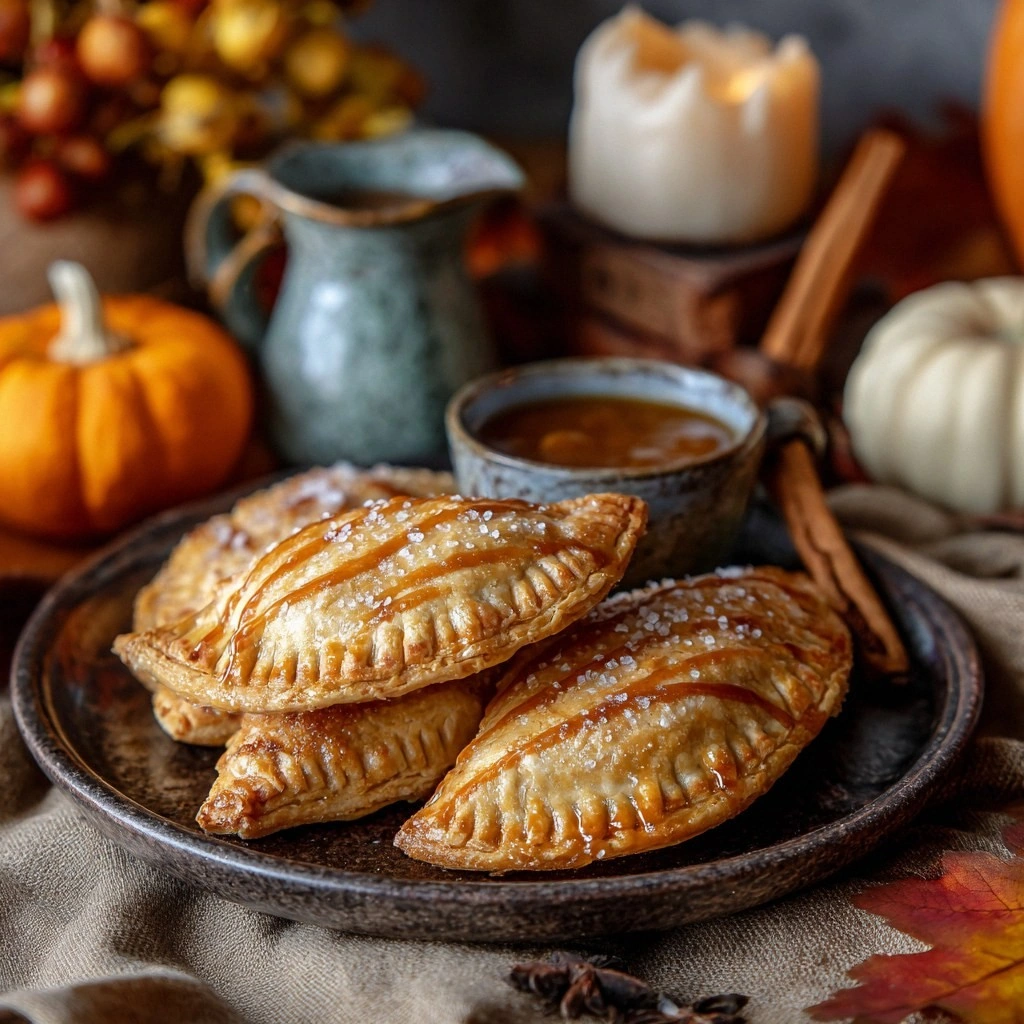
Picture this: a bright orange filling glistening beneath a buttery crust that cracks open with a satisfying pop, revealing steam that curls like a wizard’s wand. The aroma is a heady mix of cinnamon, nutmeg, and fresh sage, drifting through the kitchen like a potion in a cauldron. As you bite, the interior is a silky blend of pumpkin and cheese, while the outside offers a buttery crunch that satisfies the most discerning palate. I swear, the first bite feels like stepping into a cozy, enchanted cottage after a long day. And the best part? It’s not just a treat; it’s a conversation starter that will have your guests asking for the recipe before the first bite.
Why does this version feel so different from every other pumpkin pastie recipe you’ve tried? Because I stripped away the fluff and focused on texture, flavor harmony, and a touch of culinary sorcery. The dough is a perfect balance of flour and butter that gives it a flaky, almost flaky‑like quality, while the pumpkin filling is enriched with sharp cheddar and a hint of sage for depth. I’ve added a subtle twist of maple syrup to the filling, which caramelizes and gives the pasties a glossy finish. The result is a dish that’s both comforting and sophisticated, with a crunch that echoes the crispness of a freshly opened book in the middle of a storm. I dare you to taste this and not go back for seconds.
Most recipes get this completely wrong. They either over‑bake the crust, under‑season the filling, or forget the essential step of chilling the dough. In my version, every ingredient plays a role: the butter stays cold to create layers, the pumpkin puree is pure, not thickened, and the cheese adds a creamy counterpoint. The dough is rolled thin enough to let the filling show through, but thick enough to hold its shape. The result is a pastie that’s crisp on the outside, molten on the inside, and utterly irresistible. If you’ve ever struggled with flaky pastry, you’re not alone — and I’ve got the fix.
Picture yourself pulling these pasties out of the oven, the whole kitchen smelling incredible, the golden crusts glistening like a field of fireflies. The first bite is a burst of warmth, a swirl of spices, and a comforting hug from the inside. The crust gives a satisfying snap, the filling offers a velvety texture that coats your tongue like velvet, and the whole thing feels like a warm hug from a wizarding friend. I’ve spent hours tweaking this recipe, and by the end, I’ve discovered that the secret lies in the balance of flavors and the timing of each step. Let me walk you through every single step — by the end, you’ll wonder how you ever made it any other way.
What Makes This Version Stand Out
- Taste: The combination of pumpkin, cheddar, and sage creates a flavor profile that is both earthy and luxurious, with a subtle sweetness that lingers like a gentle spell.
- Texture: The crust is flaky and buttery, while the filling is silky and slightly gooey, providing a delightful contrast that keeps the palate engaged.
- Complexity: Despite its depth, the recipe is straightforward, with no complicated techniques or obscure ingredients.
- Uniqueness: The addition of a touch of maple syrup and a sprinkle of fresh sage sets this apart from classic pumpkin pasties.
- Crowd Reaction: Guests rave about the crisp edges and the rich, comforting filling, often requesting a second batch before the first is finished.
- Ingredient Quality: Using high‑quality butter, fresh pumpkin, and sharp cheddar elevates the dish from ordinary to extraordinary.
- Cooking Method: The dough is chilled, rolled thin, and filled before baking, ensuring maximum flavor and texture.
- Make‑Ahead Potential: Once filled, the pasties can be frozen and baked later, making them a convenient option for busy evenings.
Alright, let's break down exactly what goes into this masterpiece…
Inside the Ingredient List
The Flavor Base
The heart of any great pumpkin pastie is the pumpkin puree, which provides a natural sweetness and a silky texture that melts in your mouth. I use a pure, unseasoned pumpkin puree to let the spices shine. If you’re short on time, a can of pumpkin puree works fine, but fresh is always better for that vibrant flavor. Remember, the pumpkin should be smooth and free of lumps; a blender or food processor can help achieve that consistency. The puree forms the core of the filling, ensuring that every bite is rich and comforting.
The Texture Crew
Flour and butter are the dynamic duo that creates the flaky, buttery crust that is the hallmark of a good pastie. The butter is cold and cubed, so it creates layers that puff up when baked. The flour is all-purpose, but you can experiment with a mix of whole wheat for extra fiber. The dough also contains baking powder to give it a slight lift, while salt balances the sweetness of the pumpkin. When rolled thin, the dough becomes a delicate shell that holds the filling without becoming soggy.
The Unexpected Star
Cheddar cheese is the unexpected star that brings a savory depth to the filling. I use sharp cheddar for a sharp, tangy bite that contrasts the sweetness of the pumpkin. The cheese melts into the filling, creating a velvety texture that coats your palate. If you’re vegan, a plant‑based cheddar will work, but be sure to check the melting point. The cheese also helps bind the filling, preventing leaks during baking.
The Final Flourish
Fresh sage adds an herbal note that elevates the dish to a new level of sophistication. Sage has a slightly peppery taste that balances the sweet spices. I chop it finely so it blends seamlessly into the filling. A pinch of nutmeg and cinnamon add warmth and depth, while a splash of maple syrup caramelizes, giving the pasties a glossy finish. Together, these ingredients create a harmonious, multi‑layered flavor profile that will keep you coming back for more.
Everything's prepped? Good. Let's get into the real action…
The Method — Step by Step
- First, combine the flour, baking powder, and salt in a large bowl. Stir until the mixture resembles coarse crumbs. This ensures the dry ingredients are evenly distributed. Add the cold butter cubes and cut them into the flour using a pastry cutter or your fingers until the mixture looks like fine breadcrumbs. The butter should be visible; this is key for a flaky crust.
- Next, in a separate bowl, whisk the egg and milk together. This wet mixture will act as a binder, helping the dough hold together. Pour the wet mixture into the dry mixture gradually, stirring until a sticky dough forms. Be careful not to over‑mix, or you’ll develop gluten and lose flakiness.
- Form the dough into a ball and wrap it tightly in plastic wrap. Chill the dough in the refrigerator for at least 30 minutes to firm up. This step is critical; a chilled dough rolls out more easily and creates distinct layers. While the dough chills, prepare the filling by combining pumpkin puree, brown sugar, cinnamon, nutmeg, maple syrup, cheddar, and sage in a bowl. Mix until the filling is smooth and well‑combined.
- Remove the dough from the fridge and roll it out on a lightly floured surface to a thickness of about 1/8 inch. Cut out circles using a 3‑inch round cutter or a glass. The circles should be slightly larger than the filling to allow for sealing. Place a spoonful of filling in the center of each dough circle. The filling should be generous but not overflowing.
- Fold the dough over the filling to create a half‑moon shape. Press the edges together and crimp with a fork to seal. The edges should be tight to prevent leakage. Place the pasties on a parchment‑lined baking sheet, leaving a small space between each. This ensures even baking and prevents them from sticking together.
- Preheat the oven to 375°F (190°C). Brush the tops of the pasties lightly with beaten egg to give them a golden sheen. Bake for 25–30 minutes, or until the crust is golden brown and the filling is bubbling. The pastry should have a crisp exterior and a slightly moist interior. Watch the edges; they should not brown too quickly.
- Let the pasties cool for a few minutes on the baking sheet before transferring them to a wire rack. This allows the steam to escape and prevents sogginess. The cooling period also lets the flavors meld together. Serve warm or at room temperature, depending on your preference. The pasties are best enjoyed fresh, but they hold up well in the fridge.
- If you’re planning to serve a crowd, consider making a double batch. The dough can be prepared in advance and stored in the fridge for up to 48 hours. The filling can also be pre‑made and refrigerated. On the day of serving, simply assemble and bake as described. This saves time and ensures consistency.
Insider Tricks for Flawless Results
The Temperature Rule Nobody Follows
Many bakers think any oven temperature works for pastries, but the secret lies in precise heat. Bake at 375°F (190°C) to ensure the crust rises evenly without burning. If your oven runs hot, reduce the temperature by 25°F. Keep a thermometer handy; it’s a game‑changer. The correct temperature guarantees a golden, flaky crust that holds the filling perfectly.
Why Your Nose Knows Best
When the dough is about to rise, your nose will catch a sweet, buttery scent. This scent signals that the butter has released its oils, creating the layers you crave. If you’re baking in a colder kitchen, the scent might take longer; just wait until it’s strong. Trust your nose—if it’s not smelling buttery, let the dough chill a bit more.
The 5-Minute Rest That Changes Everything
After you assemble the pasties, let them rest for five minutes before baking. This rest allows the dough to relax, preventing shrinkage during baking. It also lets the filling set slightly, reducing the chance of leaks. A short rest can make the difference between a soggy mess and a perfect pastry.
Cheese Matters
Cheddar is my go‑to because of its sharpness and melt quality. If you prefer a milder flavor, try mozzarella or a blend of cheeses. The cheese not only adds richness but also helps bind the filling. Keep the cheese at room temperature to ensure it melts evenly.
Use Fresh Pumpkin
Fresh pumpkin offers a bright, natural sweetness that canned pumpkin can’t match. Peel, seed, and puree the pumpkin yourself for the freshest flavor. If you’re short on time, a high‑quality canned puree works, but fresh is best. Fresh pumpkin also gives the filling a smoother texture.
Freezing for Busy Days
Fill the pasties, seal them, and freeze on a parchment‑lined tray. Once frozen, transfer to a zip‑top bag. Bake directly from frozen, adding a few extra minutes. The filling stays juicy, and the crust remains flaky. Freezing is a lifesaver for last‑minute guests or a quick snack.
Creative Twists and Variations
Sweet & Savory Fusion
Swap the cheddar for a blend of goat cheese and caramelized onions. The goat cheese adds tang, while the onions bring caramel sweetness. This version is a crowd‑pleaser at brunch or a light dinner. The flavor profile is bold, yet comforting, making it a versatile addition to your menu.
Vegan Version
Replace the butter with coconut oil and the cheddar with nutritional yeast. Use a plant‑based egg replacer to bind the dough. The result is a flaky, dairy‑free pastie that still delivers a rich, satisfying bite. It’s perfect for vegan guests who crave comfort food.
Spicy Pumpkin Pastie
Add a dash of cayenne pepper or a pinch of crushed red pepper flakes to the filling. The heat complements the sweetness of the pumpkin and creates a delightful contrast. Serve with a cool yogurt dip to balance the spice. This twist adds a fiery edge to your autumn spread.
Chocolate Pumpkin Surprise
Incorporate dark chocolate chips into the filling for a decadent twist. The chocolate melts into the pumpkin, creating pockets of rich, velvety sweetness. Pair with a dusting of powdered sugar for a dessert‑like finish. This version is a treat for chocolate lovers.
Herb‑Infused Pasties
Swap sage for rosemary or thyme in the filling. The herbs bring a fresh, earthy flavor that pairs wonderfully with pumpkin. Add a splash of lemon zest for brightness. This herb‑infused version is ideal for a sophisticated dinner party.
Mini Pasties for Parties
Use a 1‑inch cookie cutter to create bite‑size pasties. These mini versions are perfect for appetizers or a party platter. Serve with a dip of your choice, such as a honey‑mustard sauce. The mini pasties are a fun, shareable option for guests.
Storing and Bringing It Back to Life
Fridge Storage
Store cooked pasties in an airtight container in the refrigerator for up to 3 days. Keep them in a single layer to avoid crushing. Before reheating, let them sit at room temperature for 10 minutes to restore moisture. Reheat in a 350°F oven for 5–7 minutes, or until warmed through. The crust will stay crisp, and the filling will remain silky.
Freezer Friendly
Place uncooked or cooked pasties on a parchment‑lined tray and freeze until solid. Transfer to a zip‑top bag for longer storage. They can be stored in the freezer for up to 2 months. Bake from frozen, adding 5 minutes to the cooking time. This method preserves the flavor and texture for a quick, satisfying meal.
Best Reheating Method
To reheat, preheat your oven to 350°F (175°C). Place the pasties on a baking sheet and cover loosely with foil. Heat for 5–7 minutes, or until warm. For a crispier crust, remove the foil for the last 2 minutes. Add a tiny splash of water to the baking sheet before reheating; the steam will keep the crust from drying out.