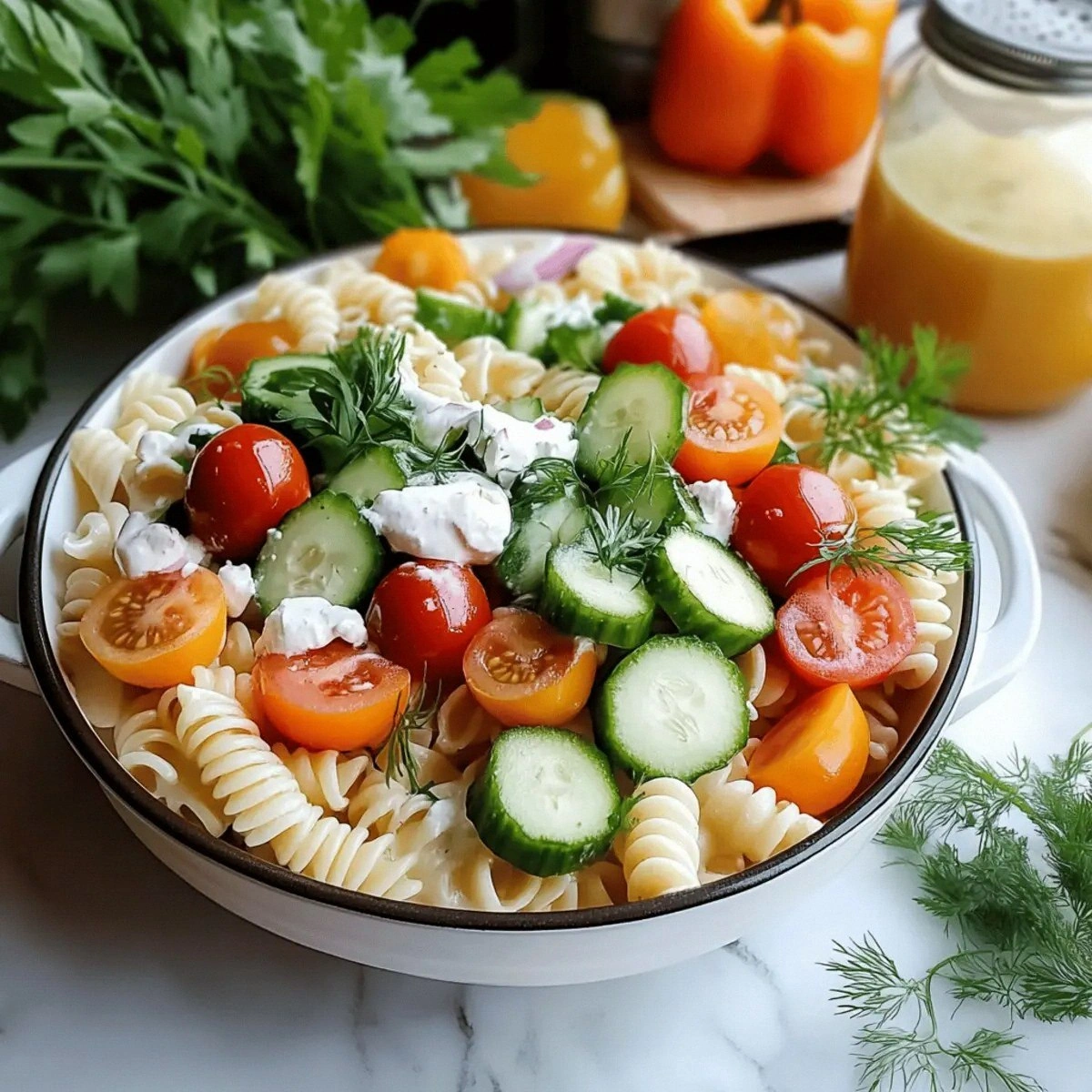
Let me confess something right up front: I once brought a sad, soggy pasta salad to a neighborhood potluck and watched in horror as guests took polite bites before quietly abandoning their plates behind the hydrangeas. That mortifying moment sent me on a six-month obsessive quest to create the ultimate layered pasta salad — one that would stay crisp for hours, look like edible confetti, and taste so good that people would actually ask for the recipe instead of hiding it under napkins. After twenty-three iterations, three emergency grocery runs, and one unfortunate incident involving a food processor at 2 AM, I finally cracked the code.
The breakthrough came when I stopped thinking of pasta salad as a gloomy afterthought and started treating it like a carefully engineered tower of textures and colors. Picture this: al dente spirals wearing a light, tangy coat that refuses to wilt, vegetables so fresh they snap between your teeth, and cheese that stays perky instead of turning into rubbery cubes. Each forkful delivers a different combination — maybe a sweet burst of tomato against briny olive, or cool cucumber playing off sharp red onion — so your taste buds never get bored.
What makes this version different? Instead of drowning everything in a heavy mayo bath, we build layers of flavor and color that stay distinct until the moment you dive in. The dressing clings like a silk scarf rather than suffocating like a winter coat. The vegetables stay bright and crunchy because we treat them right from the start. And the whole thing comes together faster than you can say "potluck panic attack."
I dare you to taste this and not go back for seconds. I've seen self-proclaimed salad haters hover by the bowl, claiming they're "just keeping an eye on it," while their forks sneak in again and again. Stay with me here — this is worth it. Let me walk you through every single step — by the end, you'll wonder how you ever made it any other way.
What Makes This Version Stand Out
Color-Blocked Brilliance: Instead of everything turning into a monochrome mush, each ingredient keeps its personality. Ruby tomatoes stay ruby, emerald peppers stay emerald, and the whole thing looks like a stained-glass window you can eat.
Crunch That Lasts: Most recipes get this completely wrong — they toss everything together and wonder why it turns soggy. We layer strategically so the sturdy vegetables protect the delicate ones, keeping that satisfying snap for hours.
Dressing That Knows Its Place: Instead of a gloopy coating that weighs everything down, our tangy Italian-mayo hybrid glides on lightly and stays put. It flavors without smothering, like a good friend who gives advice but never lectures.
Make-Ahead Magic: This is hands down the best version you'll ever make at home because it actually tastes better after a few hours in the fridge. The flavors mingle, the pasta absorbs just enough dressing, and you don't have to stress about timing.
Crowd-Pleasing Flexibility: Vegetarians love it as-is, kids pick out their favorites without complaint, and adults keep discovering new flavor combinations. It's the Switzerland of side dishes — everyone agrees on it.
Leftover Superpowers: I'll be honest — I ate half the batch before anyone else got to try it. The remaining portion somehow tastes even better the next day, transforming sad desk lunches into something worth anticipating.
Ingredient Integrity: Each component stays true to itself instead of dissolving into anonymous salad filler. You taste the sweet pop of corn, the peppery bite of onion, the creamy comfort of cheese — no disappearing acts here.
Alright, let's break down exactly what goes into this masterpiece...
Inside the Ingredient List
The Flavor Base
The pasta isn't just filler — it's the canvas that carries everything else. I use rotini or fusilli because those spirals catch dressing like tiny flavor trampolines. Cook them until they still have a firm backbone; mushy pasta is where pasta salad dreams go to die. Salt the water aggressively — this is your only chance to season the pasta itself. Once drained, rinse under cold water to stop cooking and rinse off excess starch that would otherwise glue everything together.
Italian dressing brings the zing that keeps this salad from feeling heavy. Don't grab the watery generic stuff — look for one with visible herbs floating like tiny green confetti. The vinegar in the dressing acts like culinary WD-40, keeping all the components from sticking together in a clump. If you're feeling fancy, whisk your own with olive oil, red wine vinegar, oregano, and a whisper of garlic.
Mayonnaise might seem counterintuitive in a "light" salad, but hear me out: a modest amount gives that creamy coating that makes each bite feel indulgent without turning into a mayo bomb. The trick is using just enough to marry the Italian dressing into a silky coating that clings instead of puddling. Think of mayo as the social director that helps all the other flavors mingle properly.
The Texture Crew
Cherry tomatoes are the jewels of this operation — sweet bursts that explode between your teeth. Buy them still attached to the vine if possible; they last longer and taste like actual tomatoes instead of red water balloons. Cut them in half so their juices can mingle with the dressing, but not so small that they disappear into the mix.
Cucumbers bring the cool crunch that makes this salad refreshing instead of just filling. English cucumbers work best because their seeds are small and their skin is tender — no peeling required. Slice them into half-moons about a quarter-inch thick; any thinner and they go floppy, any thicker and they hog too much real estate.
Green bell pepper adds that grassy snap and a color that stays vibrant. Look for peppers with taut, glossy skin and a weight that feels substantial for their size. Dice them small enough to distribute evenly but large enough to keep their crunch — think the size of your thumbnail.
The Unexpected Star
Red onion provides the sharp counterpoint that keeps this salad from becoming a one-note crunchy vehicle. Slice it paper-thin and give it a quick five-minute soak in ice water to take away the harsh bite while keeping the color and crunch. You're left with purple ribbons that look gorgeous and taste like onion's sophisticated cousin.
Black olives bring a briny depth that makes everything else taste more like itself. Buy them whole and slice them yourself — pre-sliced ones taste like tin cans and have the texture of rubber erasers. Look for olives in brine rather than oil for this application.
Fresh parsley is the green confetti that makes the whole bowl look alive and awake. Don't skip it or substitute dried — dried parsley tastes like hay and looks like green sawdust. Chop it just before adding so it stays bright and perky.
The Final Flourish
Mozzarella cheese adds creamy pockets of mild richness that balance the acid and crunch. Shred it yourself from a fresh ball — pre-shredded cheese comes coated in cellulose that prevents it from melting smoothly in your mouth. The shreds should be small enough to distribute but large enough to stay distinct.
White vinegar might seem redundant with Italian dressing already in play, but this tiny addition brightens everything and keeps the vegetables tasting like themselves. It's the difference between a salad that tastes good and one that makes your mouth sing.
Sugar isn't about making this sweet — it's about balancing the acid and bringing out the natural sweetness in the tomatoes and peppers. Just a whisper does the job; you shouldn't taste sugar, you should just notice that everything tastes more like itself.
Everything's prepped? Good. Let's get into the real action...
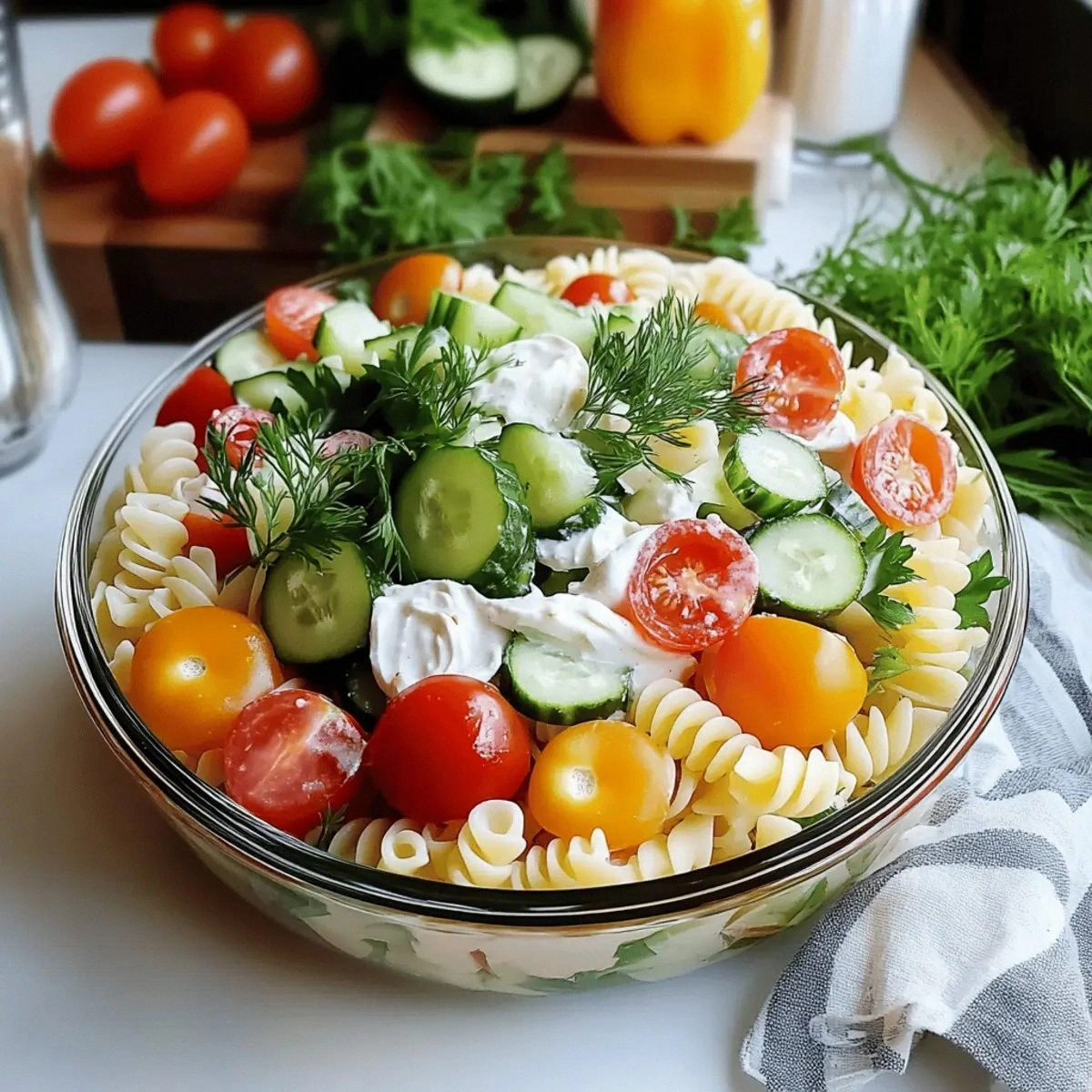
The Method — Step by Step
- Start by bringing a large pot of water to a rolling boil — I'm talking enthusiastic bubbles that look like they're dancing. Salt it until it tastes like the ocean; this is your only chance to season the pasta from the inside out. Add your pasta and cook for one minute less than the package suggests for al dente. The pasta will absorb dressing later, so you want it firm enough to stay toothsome. Drain in a colander and immediately rinse under cold water until the pasta feels cool to the touch, tossing gently to rinse off excess starch.
- While the pasta cooks, whisk together your dressing base in a bowl large enough to eventually hold all the salad components. Combine the Italian dressing, mayonnaise, white vinegar, sugar, salt, and pepper. Whisk until it looks like a cohesive sauce rather than separate ingredients glaring at each other. The sugar should dissolve completely — give it a taste and adjust; it should be tangy with just enough sweetness to balance. Set this in the fridge while you prep vegetables so it's properly chilled when the hot pasta arrives.
- Now for the vegetable prep — and this next part? Pure magic. Halve your cherry tomatoes and place them cut-side up on a paper towel-lined plate. Sprinkle with a pinch of salt and let them sit for ten minutes. The salt draws out excess water that would otherwise dilute your dressing into a sad puddle. Pat them dry before adding to the salad — you'll be amazed how much liquid they release.
- Slice your cucumber into uniform half-moons about a quarter-inch thick. Consistency matters here because you want every bite to have the perfect cucumber-to-pasta ratio. If your cucumber has tough seeds, scoop them out with a spoon — nobody wants to bite into a watery seed pocket. Place the slices in a single layer on paper towels and lightly salt them; this draws out moisture and keeps them crisp.
- Dice your bell pepper into pieces roughly the size of your thumbnail — small enough to distribute evenly but large enough to keep their satisfying crunch. Remove the white ribs inside the pepper; they taste bitter and look like plastic. The pepper should be bright green and snap when you bend it — if it's rubbery, your salad will taste like refrigerator.
- Slice your red onion paper-thin using a sharp knife or mandoline. Fill a small bowl with ice water and submerge the onion slices for five minutes. This takes away the harsh bite while keeping the color and crunch. Drain well and pat dry — wet onion will make your dressing separate and look curdled.
- Slice your olives into rounds about an eighth-inch thick. Don't buy pre-sliced olives — they taste like the can they came in and have the texture of pencil erasers. Fresh-sliced olives have a meaty richness that makes the whole salad taste more expensive than it is. Add them to your growing pile of prepped vegetables.
- Chop your parsley just before adding — chopped parsley starts to oxidize and turn black within minutes. You want bright green flecks, not sad black confetti. Remove the thick stems but keep the tender ones; they add flavor without the fibrous texture. A rough chop is fine — you're not making pesto here.
- Okay, ready for the game-changer? Instead of tossing everything together like a maniac, we're going to layer strategically. Start by adding your cooled pasta to the chilled dressing bowl. Toss until every spiral is lightly coated — the pasta should glisten, not swim. Add your vegetables in order of sturdiness: bell peppers and onions first, then cucumbers, tomatoes, and olives. Top with cheese and parsley. Cover and refrigerate for at least two hours before serving.
- When you're ready to serve, toss everything together gently but thoroughly. The dressing should coat every ingredient without pooling at the bottom. If it looks dry, add a tablespoon of milk or pasta water — the starch helps everything come together. Taste and adjust seasoning; cold food needs more salt than you think. Serve immediately and watch people go back for thirds.
That's it — you did it. But hold on, I've got a few more tricks that'll take this to another level...
Insider Tricks for Flawless Results
The Temperature Rule Nobody Follows
Cold ingredients plus cold dressing equals a salad that stays crisp for hours. If you add warm pasta to room-temperature vegetables, everything steams and wilts. I keep my mixing bowl in the freezer for ten minutes before starting, and I refrigerate the dressing while prepping vegetables. The contrast when cold dressing hits slightly warm pasta creates a silky emulsion that clings instead of sliding off.
A friend tried skipping this step once — let's just say it didn't end well. Her salad turned into a tepid, weepy mess that tasted like it had been sitting in a car trunk. Temperature discipline is what separates restaurant-quality salads from the sad stuff at grocery store buffets.
Why Your Nose Knows Best
Before adding anything to the bowl, give it a sniff. Tomatoes should smell like a summer garden, not refrigerator air. Cucumbers should smell fresh and green, not bitter. If your vegetables don't smell like anything, they won't taste like anything either. This is why farmers market produce makes such a difference — it actually has flavor to begin with.
I learned this from an Italian grandmother who could tell if basil was worth buying from across the produce section. She taught me that aromatics are flavor previews, and if the preview is boring, the main feature will disappoint.
The 5-Minute Rest That Changes Everything
After you toss everything together, let the salad sit for exactly five minutes before serving. This brief rest allows the dressing to penetrate just the surface of the pasta and vegetables, creating flavor harmony without soggy collapse. It's like letting a steak rest — the difference between good and transcendent happens in those quiet minutes.
Set a timer and resist the urge to serve immediately. During this window, the salt distributes evenly, the acid mellows slightly, and everything comes into perfect balance. Picture yourself pulling this out of the fridge, the whole kitchen smelling fresh and bright, knowing that in five minutes you'll witness pure magic.
Creative Twists and Variations
This recipe is a playground. Here are some of my favorite ways to switch things up:
Mediterranean Sunset
Swap the mozzarella for crumbled feta, add kalamata olives instead of black, and throw in some artichoke hearts. Use oregano instead of parsley and add a squeeze of lemon juice. This version transports you to a Greek island taverna where old men play backgammon and the sea sparkles in the distance.
Spicy Southwest
Replace Italian dressing with a mix of ranch and chipotle sauce, add roasted corn and black beans, swap bell pepper for poblano, and use pepper jack instead of mozzarella. Top with fresh cilantro and a squeeze of lime. It's like a fiesta in a bowl, with just enough heat to keep things interesting.
Caprese Dream
Use fresh mozzarella pearls, add halved grape tomatoes, fresh basil instead of parsley, and drizzle with balsamic reduction. The colors stay red, white, and green like the Italian flag, and every bite tastes like summer in Tuscany. Even people who claim to hate salad will demolish this version.
Everything Bagel Brunch
Add everything bagel seasoning, swap Italian dressing for a mix of cream cheese and ranch, use cherry tomatoes and red onion, but add capers and smoked salmon pieces. It's like your favorite Sunday morning bagel, deconstructed and ready to feed a crowd. Brunch hosts swear this keeps guests lingering for hours.
Asian Crunch
Use sesame-ginger dressing instead of Italian, add edamame and water chestnuts, swap parsley for cilantro and green onion, and top with toasted sesame seeds. The crunch factor goes through the roof, and the umami depth makes it impossible to stop eating. It's the salad equivalent of that addictive Asian slaw everyone fights over.
Autumn Harvest
Add roasted butternut squash cubes, use dried cranberries instead of tomatoes, swap parsley for sage, and add toasted pecans. The sweet-savory combination tastes like Thanksgiving in a bowl, and the colors look like fall foliage. This version converts even the most devoted pasta salad skeptics.
Storing and Bringing It Back to Life
Fridge Storage
This salad keeps beautifully for up to four days in an airtight container, but here's the key: store the cheese separately and add it just before serving. The vegetables stay crisp because we pre-salted them to remove excess moisture. Press plastic wrap directly against the surface before sealing the lid — this prevents the top layer from drying out and developing that sad refrigerator skin.
If you've ever struggled with storing pasta salad, you're not alone — and I've got the fix. The dressing continues to penetrate as it sits, so Day 2 often tastes better than fresh. Just give it a gentle toss and maybe add a splash of milk if it seems dry.
Freezer Friendly
Here's where most recipes get this completely wrong — you can't freeze this salad as-is without everything turning into mush. But you can freeze components: cooked pasta tossed with a little oil, diced vegetables (except tomatoes), and the dressing. Store them separately in freezer bags, then thaw overnight and assemble fresh. It's like having salad emergency kits ready for unexpected guests.
The texture won't be quite as crisp as fresh, but it's infinitely better than store-bought. Add a handful of fresh herbs at the end to brighten everything back up.
Best Reheating Method
Okay, ready for the game-changer? You don't reheat pasta salad — you refresh it. Add a tiny splash of water before serving day-old salad, then toss vigorously. The water reactivates the dressing and brings everything back to life. Add a tablespoon of fresh dressing or a squeeze of lemon to brighten flavors that have mellowed in the fridge.
And now the fun part: if your salad has been sitting for days and the vegetables have lost their snap, transform it into a pasta salad frittata. Beat some eggs, mix in the salad, and bake until set. It's like giving leftovers a glamorous second act.