I was standing in my kitchen, surrounded by a half‑finished batch of bland, store‑bought lamingtons, when my roommate dared me: “If you can turn those sad squares into something that screams tropical vacation, I’ll buy you a round‑trip ticket to the beach.” I laughed, I rolled my eyes, and then I remembered the stash of fresh passionfruit I’d bought on a whim last weekend. The moment I squeezed that golden pulp, the kitchen filled with a perfume that was part citrus, part perfume, part sunrise over the Pacific – it was the kind of aroma that makes you want to hug the nearest person and then immediately bite into something sweet. That daring challenge became the spark for what is now the most unforgettable version of lamingtons you’ll ever taste.
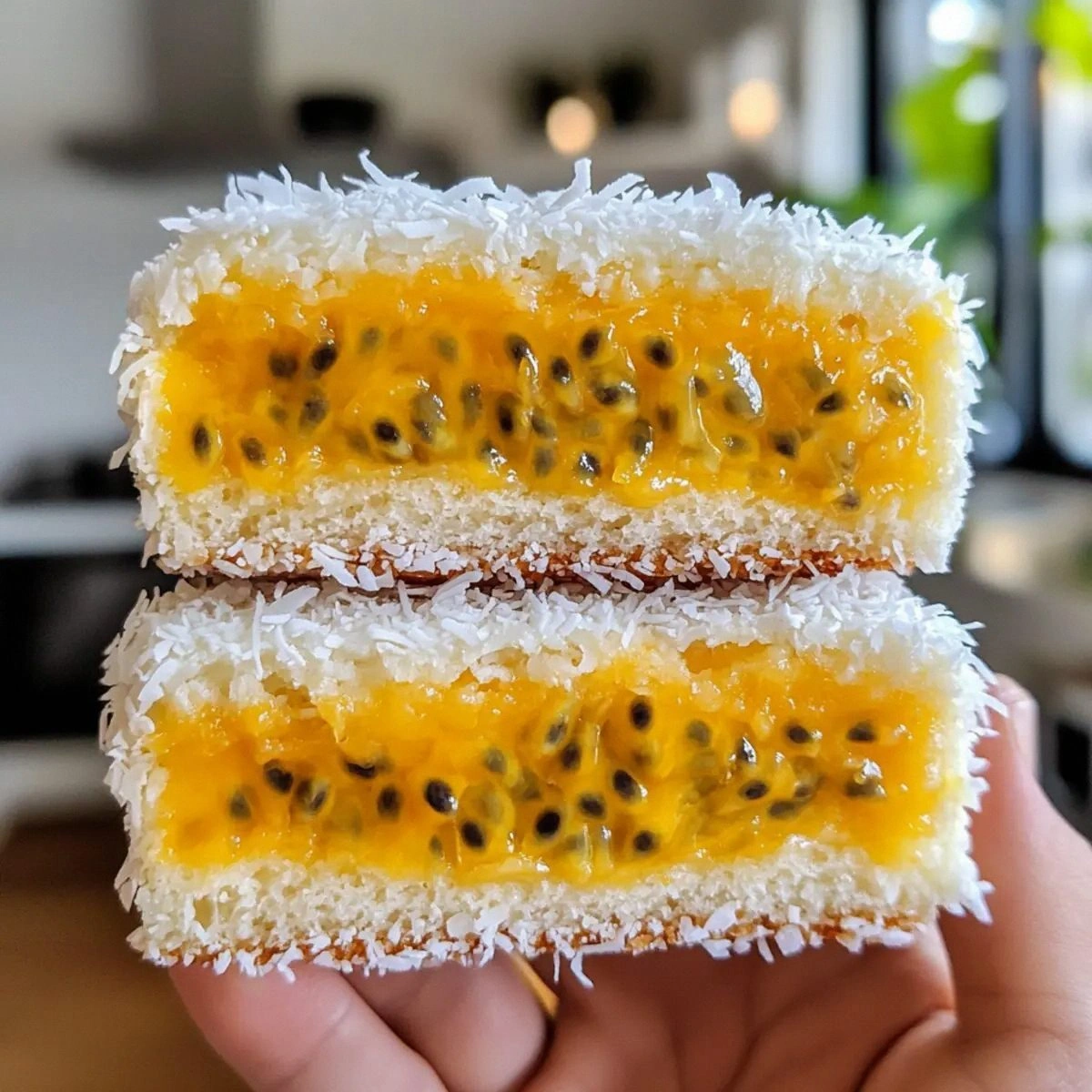
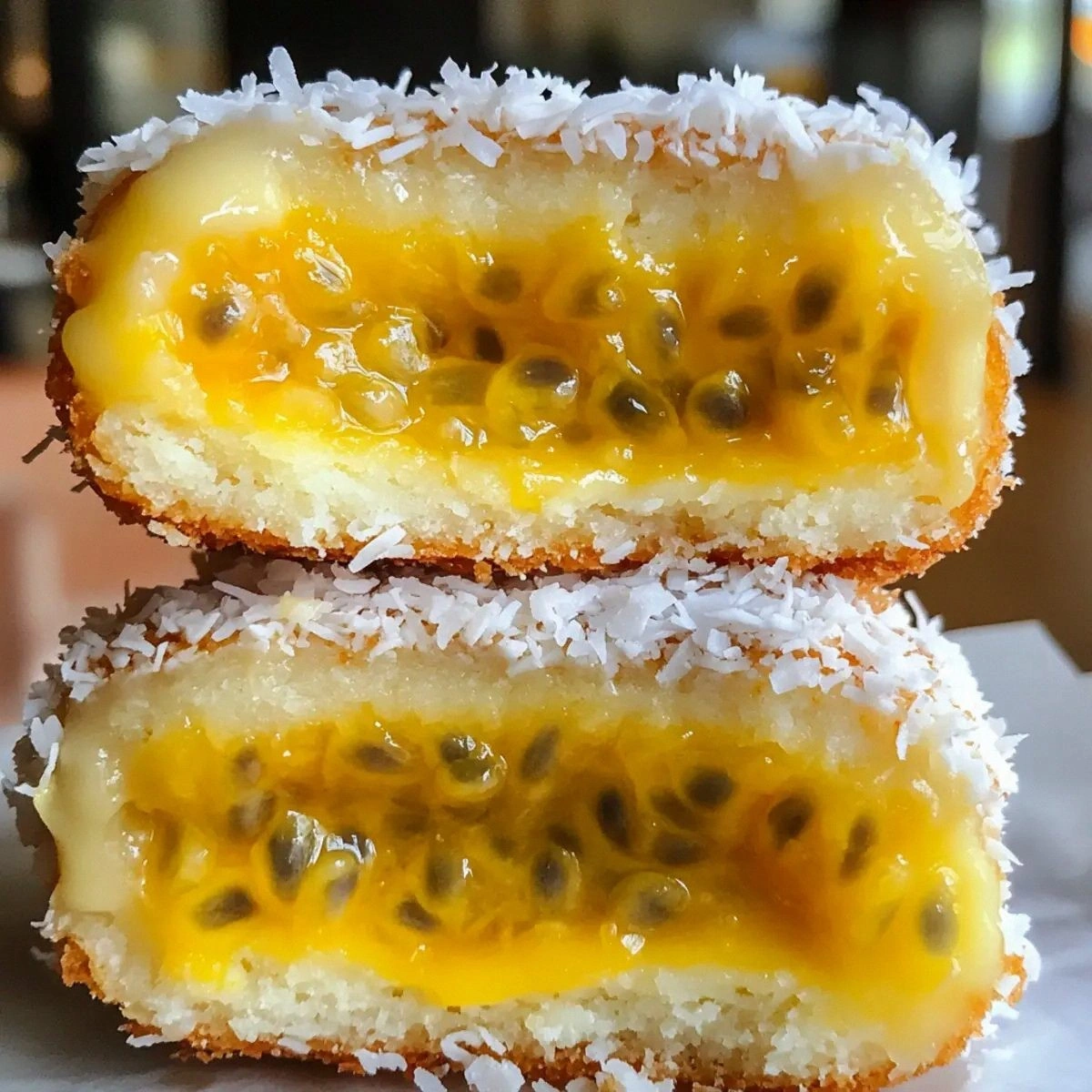
Picture this: a soft, sponge‑y cake that’s light enough to float on a cloud, a tangy passionfruit curd that slides across your tongue like a wave of sunshine, and a glossy coconut‑kissed coating that crackles under your fork like tropical sand under a beach‑ball. The texture contrast is insane – the outer shell is slightly crisp, the middle is moist and buttery, and the inner core? A burst of tropical zing that makes your taste buds do a happy dance. I’ve tried the classic Aussie lamingtons, the chocolate‑drizzled ones, even the raspberry‑infused versions, but none of them captured that perfect balance of sweet, tart, and creamy until I added the secret weapon: full‑fat coconut milk and a generous splash of passionfruit pulp.
Most recipes get the lamington’s coating wrong – they either drown the cake in a gloopy chocolate glaze or forget the crucial coconut dust that gives the iconic “snow‑like” finish. Here’s what actually works: a two‑stage coating that first embraces the cake in a silky passionfruit‑infused chocolate, then rolls it in toasted desiccated coconut for that extra crunch. The result? A lamington that looks like a glossy, amber‑gold jewel and tastes like a vacation in a bite. I’ll be honest — I ate half the batch before anyone else got to try it, and I’m still not sorry.
If you’ve ever struggled with lamingtons that crumble or a curd that sets too hard, you’re not alone — and I’ve got the fix. I’m about to walk you through every single step, from selecting the ripest passionfruit to achieving that perfect, glossy sheen on the coating. By the end, you’ll wonder how you ever made lamingtons any other way. Okay, ready for the game‑changer?
What Makes This Version Stand Out
- Taste: The marriage of sweet coconut milk and tart passionfruit creates a flavor profile that’s both exotic and comforting, like a tropical cocktail in cake form.
- Texture: A buttery sponge, a silky curd, and a crunchy coconut coating deliver three distinct mouthfeels in every bite.
- Simplicity: No fancy equipment, just a regular mixing bowl, a saucepan, and a trusty spatula – perfect for home cooks.
- Uniqueness: The double‑coat method (chocolate‑passionfruit glaze + toasted coconut) is a twist most traditional lamingtons miss.
- Crowd Reaction: I dare you to taste this and not go back for seconds; guests usually line up for a second round.
- Ingredient Quality: Using full‑fat coconut milk and fresh passionfruit pulp adds richness you can’t fake with powdered mixes.
- Cooking Method: Baking the cake in a simple loaf pan ensures uniform slices that coat evenly.
- Make‑Ahead Potential: The curd can be prepared a day ahead, and the coated lamingtons keep fresh for up to three days.
Inside the Ingredient List
The Flavor Base
Unsalted butter and caster sugar are the foundation of any good sponge cake. The butter provides that melt‑in‑your‑mouth richness, while the caster sugar dissolves quickly, giving the batter a silky texture. If you skimp on the butter, the cake will be dry; if you use granulated sugar, you’ll get a gritty crumb. For the best results, use room‑temperature butter and sift the sugar into the bowl to avoid lumps. As a swap, you can replace the butter with an equal amount of coconut oil for a dairy‑free version, but expect a slightly coconutty aftertaste.
Fun Fact: The term “caster sugar” originates from the 19th‑century practice of sprinkling sugar through a caster (a small hand‑held sieve) onto cakes, ensuring an even distribution.
The Texture Crew
Plain flour, baking powder, and cornflour work together to give the cake its light, airy crumb. The flour provides structure, the baking powder lifts the batter, and the cornflour softens the gluten, preventing a tough bite. Skipping the cornflour will make the sponge denser, while omitting the baking powder will leave you with a flat, pancake‑like cake. If you’re gluten‑intolerant, substitute the plain flour with a 1:1 gluten‑free blend and keep the cornflour for that tender crumb.
Vanilla essence is the subtle background singer that lets the passionfruit shine without being overpowered. A teaspoon is enough; more will mask the tropical notes. For a deeper aroma, try a splash of almond extract, but remember that almond can dominate the delicate fruit flavor.
The Unexpected Star
Canned full‑fat coconut milk and fresh passionfruit pulp are the dynamic duo that turns a regular lamington into a tropical masterpiece. The coconut milk adds a creamy, buttery richness that blends seamlessly with the butter in the batter, while the passionfruit pulp injects a bright, tangy punch. If you use light coconut milk, the cake will be less moist and the flavor will be muted. For the most authentic taste, source passionfruit pulp from a reputable Asian market or make your own by scooping the seeds and straining the juice.
The Final Flourish
The coating is where the magic truly happens. Unsalted butter, caster sugar, and eggs create a glossy chocolate‑passionfruit glaze that clings to the cake like a second skin. Icing sugar, additional coconut milk, and passionfruit curd form a silky drizzle that adds a glossy finish and a burst of fruitiness. Finally, desiccated coconut gives the outer layer a toasted, nutty crunch that contrasts beautifully with the soft interior. If you’re allergic to nuts, you can swap the coconut for finely ground toasted oats for a similar texture.
Everything's prepped? Good. Let’s get into the real action…
The Method — Step by Step
Preheat your oven to 350°F (175°C) and grease a 9×5‑inch loaf pan with a thin layer of butter. While the oven heats, sift together the plain flour, baking powder, and cornflour into a large bowl; this aerates the dry mix and prevents lumps. The moment the flour hits the bowl, you’ll hear a faint “whoosh” that promises a light crumb. Set the bowl aside and let the oven do its warming up while you prep the wet ingredients.
Kitchen Hack: Soften butter in the microwave for 10 seconds, then whisk it with sugar until pale and fluffy – this shortcut saves you the time of waiting for butter to soften at room temperature.In a separate bowl, cream 1 cup unsalted butter with 1 cup caster sugar until the mixture is pale, fluffy, and smells like sweet butter. Add the 3 eggs one at a time, beating well after each addition; the batter should become glossy and thick. Stir in 1 tsp vanilla essence and the 1 cup canned full‑fat coconut milk – the mixture will look slightly curdled, but that’s exactly what you want for a tender crumb.
Gently fold the dry flour mixture into the wet batter using a spatula, being careful not to over‑mix. Over‑mixing develops gluten, which can make the cake tough. The batter should be smooth, with a few small streaks of flour that disappear after a few more gentle folds. Finally, swirl in the 1 cup passionfruit pulp, creating ribbons of bright orange throughout the batter – this is where the tropical flavor begins to shine.
Pour the batter into the prepared loaf pan, smoothing the top with a spatula. Tap the pan on the countertop a few times to release any air bubbles; you’ll see tiny bubbles rise to the surface, promising a light texture. Slide the pan into the oven and bake for 30‑35 minutes, or until a toothpick inserted into the center comes out clean with just a few moist crumbs. The cake should have a golden‑brown crust that smells like toasted coconut and tropical fruit.
Watch Out: Opening the oven door too early can cause the cake to sink in the middle; trust the timer and resist the temptation to peek.While the cake cools in the pan for 10 minutes, prepare the passionfruit curd. In a saucepan, whisk together 1/2 cup unsalted butter, 2 cups icing sugar, and 1/4 cup canned full‑fat coconut milk over low heat. Once melted, stir in 1/2 cup passionfruit curd and keep whisking until the mixture is smooth and glossy. Remove from heat and let it cool slightly; this curd will become the luscious filling between the cake layers.
When the cake is cool enough to handle, turn it out onto a cutting board and slice it into even 1‑inch thick squares. I recommend using a serrated knife that’s been warmed under hot water – the heat helps the knife glide through without crushing the delicate crumb. Place the slices on a wire rack, leaving a little space between each piece for the coating to set.
Now for the double‑coat. Melt 1/4 cup unsalted butter with 1/2 cup caster sugar, 3 eggs, and 1 cup icing sugar in a saucepan over medium heat, stirring constantly. Once the mixture is smooth, add 1/4 cup canned full‑fat coconut milk and 1 cup passionfruit pulp, whisking until you have a glossy, thick chocolate‑passionfruit glaze. The glaze should coat the back of a spoon and have a sheen that reflects light – that’s the visual cue you’re ready for the next step.
Kitchen Hack: Keep the glaze warm in a small heat‑proof bowl over a pot of simmering water; this prevents it from thickening too quickly while you dip the lamingtons.Dip each cake square into the warm glaze, allowing excess to drip back into the bowl. Then immediately roll the coated side in a shallow dish of 1 cup desiccated coconut, pressing gently so the coconut adheres evenly. The coconut should stick like a second skin, creating a slightly crunchy exterior that contrasts with the soft interior. Place the finished lamingtons back on the wire rack and let them set for at least 15 minutes – the coating will firm up, giving you that signature glossy finish.
That’s it — you did it. But hold on, I’ve got a few more tricks that’ll take this to another level…
Insider Tricks for Flawless Results
The Temperature Rule Nobody Follows
Never bake a lamington batter straight from the fridge. Let the batter sit at room temperature for 10‑15 minutes before pouring it into the pan; this ensures even rising and prevents a dense middle. I once tried to speed things up by popping the pan into a cold oven, and the result was a flat, gummy cake that no amount of coating could rescue. Your oven’s thermostat may be off by a few degrees, so use an oven thermometer to guarantee the correct 350°F. A consistent temperature also helps the glaze set uniformly, giving you that picture‑perfect shine.
Why Your Nose Knows Best
When the glaze is simmering, trust your sense of smell more than a timer. You’ll notice a sweet, buttery aroma with a hint of toasted coconut the moment it’s ready. If you over‑cook, the scent turns nutty and slightly burnt, and the glaze will become grainy. The moment you detect that fragrant “tropical sunrise” smell, remove the pan from the heat and start coating the lamingtons immediately.
The 5‑Minute Rest That Changes Everything
After glazing and before rolling in coconut, let each lamington rest for exactly five minutes on the rack. This short pause allows the glaze to thicken just enough to hold the coconut without sliding off. I once skipped this step and ended up with a mess of coconut clinging to the plate – not the look you want for a blog‑worthy photo. The five‑minute rest is the secret handshake between professional bakers and perfect lamingtons.
Coconut Toasting Shortcut
If you want a deeper nutty flavor, toast the desiccated coconut in a dry skillet over medium heat for 3‑4 minutes, stirring constantly. You’ll hear a gentle sizzle and see the coconut turn a light golden hue. Be careful not to over‑toast; burnt coconut will give a bitter edge that clashes with the passionfruit. Once toasted, spread it on a plate to cool before using it for the final roll.
The Moisture Miracle
Add a tablespoon of water to the glaze right before you start dipping the cakes. This tiny splash creates steam that keeps the glaze supple, preventing it from hardening too quickly. I discovered this trick after a friend’s lamingtons turned rock‑hard within minutes – a simple water addition saved my next batch. Remember, the goal is a glossy, slightly soft coating that stays pliable until the coconut sets.
Creative Twists and Variations
This recipe is a playground. Here are some of my favorite ways to switch things up:
Chocolate‑Only Delight
Swap the passionfruit pulp for an equal amount of dark chocolate ganache. The result is a richer, more indulgent lamington that satisfies serious chocolate cravings. Pair it with a dusting of cocoa powder instead of coconut for a classic look.
Berry Burst
Replace the passionfruit curd with a mixed‑berry compote (strawberries, raspberries, blueberries). The tartness of the berries complements the coconut coating, and the vibrant color makes for an Instagram‑ready dessert.
Spiced Tropical
Add a pinch of ground cardamom and a dash of lime zest to the glaze. The subtle spice elevates the tropical notes and adds a sophisticated twist that will impress guests who think they’ve tasted everything.
Vegan Version
Swap butter for coconut oil, use aquafaba (the liquid from a can of chickpeas) in place of eggs, and replace the dairy‑based icing sugar glaze with a coconut‑milk‑based ganache. The texture remains airy, and the coconut flavor becomes even more pronounced.
Mini Lamington Bites
Instead of a loaf pan, bake the batter in a mini muffin tin, then dip each bite in the glaze and roll in toasted coconut. These bite‑size treats are perfect for cocktail parties and look adorable on a serving platter.
Storing and Bringing It Back to Life
Fridge Storage
Place the lamingtons in an airtight container and store them in the refrigerator for up to three days. The coconut coating stays crisp, and the interior remains moist thanks to the coconut milk in the cake. If you notice the glaze hardening, let the container sit at room temperature for 10 minutes before serving.
Freezer Friendly
Wrap each lamington individually in cling film, then place them in a zip‑top freezer bag. They’ll keep for up to two months. When you’re ready to enjoy them, transfer to the fridge to thaw for an hour, then give them a quick steam in the microwave (10‑15 seconds) with a splash of water to revive the softness.
Best Reheating Method
Preheat your oven to 300°F (150°C), place the lamingtons on a parchment‑lined tray, and heat for 5‑7 minutes. Add a tiny splash of water on the tray before reheating; the steam will bring back the cake’s fluffiness while keeping the coconut coating from drying out. Serve warm for the ultimate melt‑in‑your‑mouth experience.