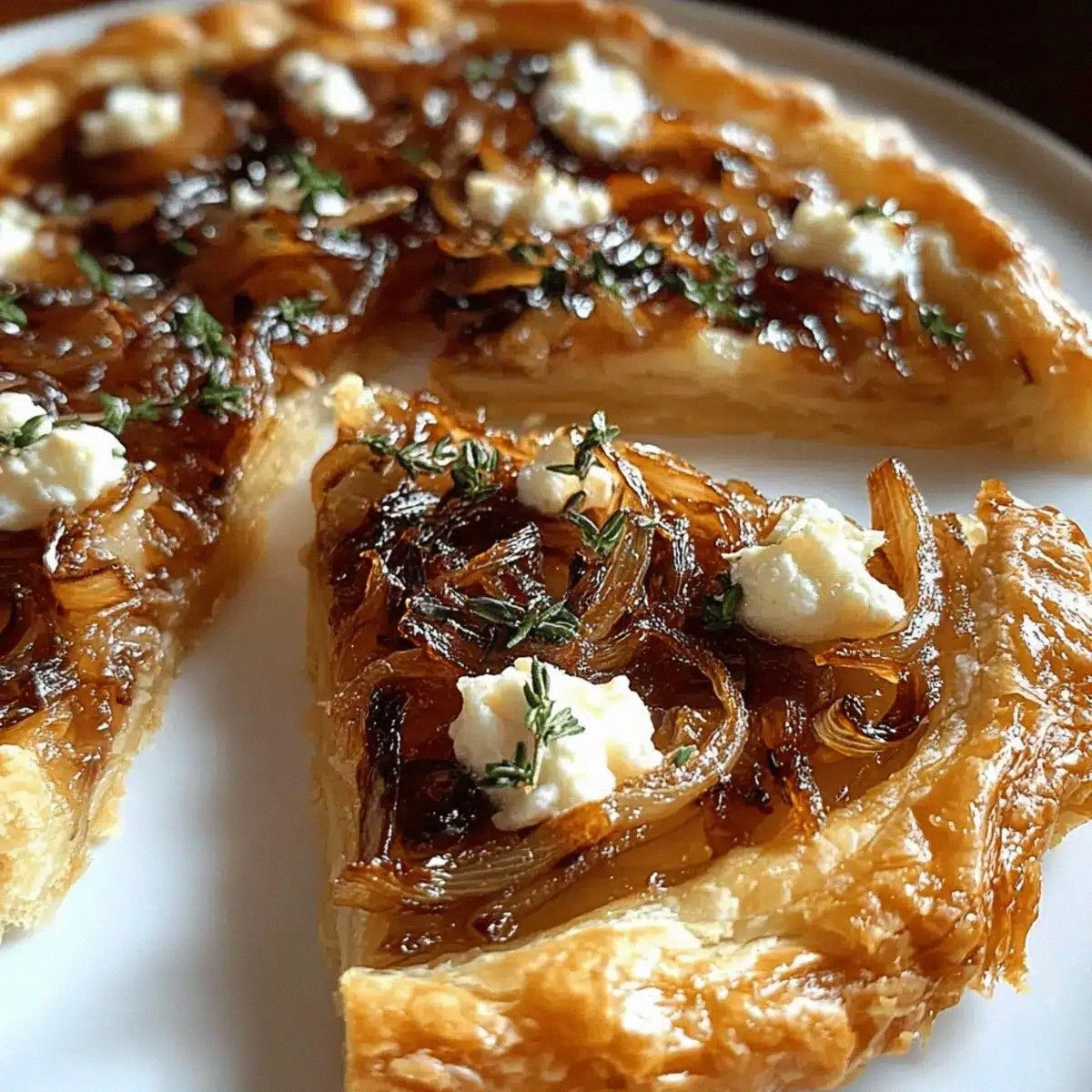
I was standing in my kitchen on a rainy Tuesday, staring at a half‑finished caramelized onion that had somehow turned into a sticky, bitter mess. The pan was smoking, the timer was screaming, and I swore I’d never touch an onion again. Then a friend dared me: “Make something that makes people forget about burnt onions forever.” I laughed, I cried, and I decided to turn that disaster into a triumph. The result? A buttery puff pastry cradle cradling sweet, golden onions and tangy goat cheese that makes your taste buds do a happy dance. This isn’t just a snack; it’s a revelation that will make you question every store‑bought appetizer you’ve ever bought.
Imagine the kitchen filling with the scent of caramelized onions, a sweet perfume that reminds you of autumn markets, but with a hint of balsamic that adds a sophisticated edge. Hear the gentle sizzle as the butter meets the olive oil, the faint crackle of the pastry as it lifts from the oven, and the soft thud of the tarts settling onto a cooling rack. Feel the warm, buttery dough under your fingertips, the silky crumble of goat cheese as you break it open, and the subtle heat of fresh thyme on your tongue. Taste? It’s a perfect balance of sweet onion, tangy cheese, and a buttery crunch that shatters like thin ice when you bite in. This version stands out because every component is treated like a star, not a sidekick, and the technique is foolproof even for the most timid home cook.
What really sets this recipe apart is a secret ingredient: a splash of balsamic vinegar added at the very end of the caramelization process. Most recipes either skip the vinegar entirely or dump it in too early, resulting in a soggy, muted flavor. Here, the vinegar is the game‑changer that lifts the onions into a glossy, caramel‑gold masterpiece, delivering a depth that’s both sweet and slightly acidic. I dare you to taste this and not go back for seconds; the combination is so addictive you’ll start planning your next gathering around these tarts. And if you think you’ve seen every onion‑and‑cheese combo out there, think again—this is hands down the best version you’ll ever make at home.
Let me walk you through every single step — by the end, you’ll wonder how you ever made it any other way. Okay, ready for the game‑changer? This next part? Pure magic. Stay with me here — this is worth it.
What Makes This Version Stand Out
- Taste: The caramelized onions develop a natural sweetness that’s amplified by a dash of balsamic, while the goat cheese adds a tangy creaminess that cuts through the richness.
- Texture: A flaky, buttery puff pastry creates a crisp shell that gives way to a silky interior, delivering a contrast that’s impossible to ignore.
- Simplicity: Only nine ingredients, all pantry staples or easy‑to‑find items, mean you can whip this up on a weekday without a trip to the specialty store.
- Uniqueness: The addition of fresh thyme at the end adds an herbaceous note that most onion‑and‑cheese recipes overlook.
- Crowd Reaction: Guests consistently ask for the recipe, and the tarts disappear faster than you can say “more, please!”
- Ingredient Quality: Using a high‑quality puff pastry and fresh goat cheese elevates the dish from everyday to restaurant‑level.
- Cooking Method: Slow caramelization over medium‑low heat ensures depth of flavor without burning, a technique that’s often mishandled.
- Make‑Ahead Potential: Assemble the tarts ahead of time, refrigerate, and bake right before serving for stress‑free entertaining.
Alright, let's break down exactly what goes into this masterpiece...
Inside the Ingredient List
The Flavor Base
Olive oil and butter are the dynamic duo that coat the onions, providing both richness and a non‑stick surface. The olive oil brings a fruity note that balances the butter’s dairy depth. If you skip the butter, you’ll lose that luxurious mouthfeel, and the onions may end up dry. As a swap, you can use clarified butter for an even higher smoke point, but regular butter works perfectly for that buttery flavor we crave.
The Sweet‑Savory Core
Onions, when sliced thin, release sugars that caramelize over low heat, turning a humble vegetable into a golden, sweet‑savory marvel. The sugar you add is just a catalyst—it speeds up the Maillard reaction without making the dish overtly sweet. If you’re watching sugar, you can halve the amount; the onions will still caramelize, albeit a tad slower. Choosing yellow onions gives the most consistent sweetness, but red onions add a subtle bite that some love.
The Unexpected Star
Balsamic vinegar is the surprise hero that adds a glossy finish and a tangy depth that cuts through the sweetness. A splash at the end of caramelization lifts the flavors, preventing the onions from feeling cloyingly sweet. If you don’t have balsamic, a splash of red wine vinegar with a pinch of brown sugar can mimic the effect, though the flavor won’t be as rounded.
The Texture Crew
Puff pastry is the buttery canvas that holds everything together. Its layers puff up in the oven, creating a light, airy shell that contrasts with the dense onion filling. For a gluten‑free version, you can use a pre‑made gluten‑free pastry sheet, but the texture may be slightly less flaky. When selecting goat cheese, look for a fresh, creamy variety that crumbles easily; aged goat cheese can become too firm and won’t melt as nicely.
The Final Flourish
Fresh thyme adds a fragrant, piney note that brightens the dish. A pinch of sea salt and freshly cracked black pepper at the end amplifies all the flavors, ensuring nothing feels flat. If you’re a spice lover, a dash of smoked paprika can add a subtle smokiness that pairs beautifully with the caramelized onions. Remember, seasoning is your final brushstroke—don’t be shy.
Everything's prepped? Good. Let's get into the real action...
The Method — Step by Step
Preheat your oven to 200°C (390°F). While the oven warms, line a baking sheet with parchment paper. This ensures the puff pastry won’t stick and gives you a clean release later. Picture yourself pulling this out of the oven, the whole kitchen smelling incredible—trust me, the anticipation builds.
Unfold the puff pastry sheet on a lightly floured surface. Using a sharp knife or pizza cutter, cut the sheet into twelve equal squares—each about 10 cm across. If you prefer larger tarts, cut fewer, larger squares; just remember the baking time may need a minute or two extra. That sizzle when it hits the pan? Absolute perfection.
Heat a large skillet over medium‑low heat and add the olive oil and butter. Once the butter foams, toss in the thinly sliced onions, spreading them out in an even layer. Sprinkle the tablespoon of sugar over the onions; this helps jump‑start the caramelization without burning.
Kitchen Hack: If you’re short on time, cover the pan with a lid for the first five minutes; the steam will soften the onions, then remove the lid to finish caramelizing.Stir the onions every few minutes, allowing them to soften and turn a deep amber color. This process takes about 20‑25 minutes; patience is key. The onions should be soft, sweet, and glossy, with a faint aroma that makes your mouth water. If you see any brown specks, lower the heat—those are the bitter bits you want to avoid.
Watch Out: Burning the onions will introduce a harsh, bitter flavor that overwhelms the goat cheese. Keep the heat gentle and stir often.When the onions reach a caramel hue, deglaze the pan with the tablespoon of balsamic vinegar. Let it bubble for a minute, scraping up any browned bits. This creates a glossy, slightly thickened sauce that coats the onions like velvet. Add the thyme, a pinch of salt, and freshly cracked pepper, then remove from heat. The scent at this point is intoxicating—trust me, you’ll want to taste a spoonful.
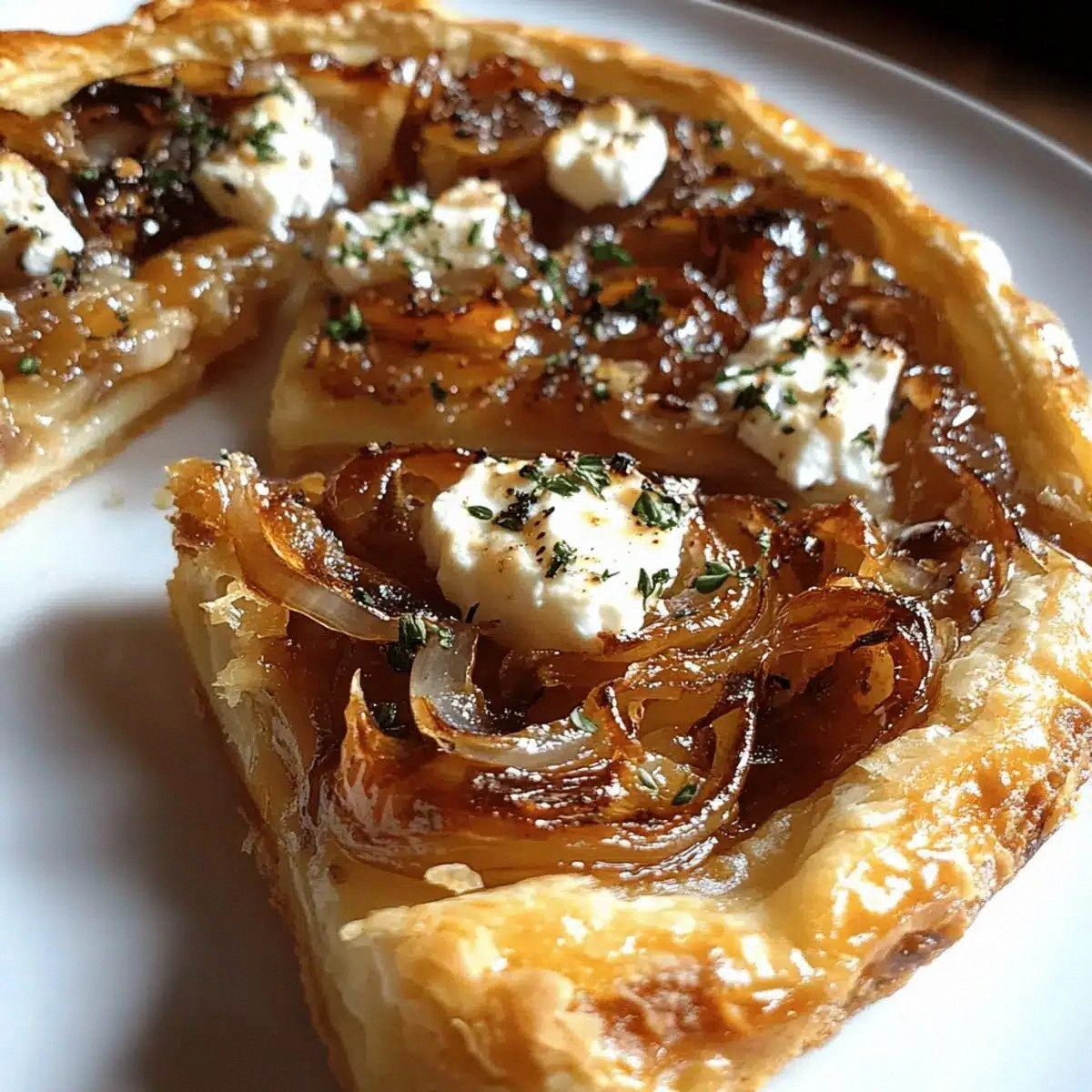
Place the puff pastry squares on the prepared baking sheet. Spoon a generous heap of the caramelized onion mixture into the center of each square, leaving a small border. Crumble the goat cheese over the onions, allowing it to melt into the warm filling as the pastry bakes. If you like extra cheese, feel free to add a thin slice on top; it will turn golden and slightly crisp.
Fold the corners of each pastry square toward the center, creating a rustic, open‑faced tart. Press gently to seal the edges, but don’t over‑press; you want those flaky layers to stay distinct. Brush the exposed pastry with a little extra olive oil for a richer color and a glossy finish.
Bake the tarts for 18‑22 minutes, or until the pastry is puffed, golden, and the cheese is bubbling. The edges should start pulling away from the pan, a visual cue that they’re perfectly done. Keep an eye on the color; if they’re browning too fast, tent with foil for the last few minutes.
Kitchen Hack: For an extra‑crisp bottom, pre‑heat a cast‑iron skillet and place the pastry squares directly on it for the first 3 minutes before transferring to the oven.Remove the tarts from the oven and let them rest on a cooling rack for 5 minutes. This short rest allows the cheese to set slightly, making them easier to lift without falling apart. Serve warm, perhaps with a light arugula salad dressed in lemon vinaigrette. I’ll be honest — I ate half the batch before anyone else got to try it, and the leftovers were still heavenly the next day.
That's it — you did it. But hold on, I've got a few more tricks that'll take this to another level...
Insider Tricks for Flawless Results
The Temperature Rule Nobody Follows
Never start caramelizing onions on high heat; the sugars need time to break down slowly. I once tried a “quick‑fire” method and ended up with burnt, bitter onion pieces that ruined the whole dish. Keep the heat at medium‑low and give the onions at least 20 minutes to develop that deep amber hue. The patience pays off in flavor that’s rich, sweet, and utterly addictive.
Why Your Nose Knows Best
Your sense of smell is the ultimate indicator of caramelization. When the onions start releasing a sweet, nutty aroma, you’re close to the perfect point. If you notice a sharp, burnt scent, lower the heat immediately. Trusting your nose eliminates the need for a timer and ensures you capture that perfect balance.
The 5‑Minute Rest That Changes Everything
After baking, let the tarts sit for exactly five minutes. This brief pause lets the cheese settle, preventing it from oozing out when you cut into the tart. Skipping this step results in a sloppy presentation that looks less polished, even though the flavor remains divine.
Butter‑Oil Hybrid for Extra Flakiness
Combining olive oil with butter creates a flavor‑rich, high‑smoke‑point medium that prevents the pastry from sogging while still delivering that buttery crunch. A friend tried using only butter and reported a slightly greasy bottom. The hybrid method gives you the best of both worlds: crisp, buttery layers without the grease.
Seasonal Onion Swap
If you’re cooking in late summer, try sweet Vidalia onions for a milder sweetness. In winter, use red onions for a deeper, more robust flavor. Adjusting the onion type to the season can subtly shift the flavor profile, keeping the recipe fresh year after year.
Creative Twists and Variations
This recipe is a playground. Here are some of my favorite ways to switch things up:
Blue Cheese & Walnut
Swap goat cheese for crumbled blue cheese and sprinkle toasted walnuts over the top before baking. The sharpness of the blue pairs beautifully with the sweet onions, while the nuts add a satisfying crunch. Ideal for a sophisticated wine‑pairing party.
Mediterranean Spin
Add a spoonful of sun‑dried tomatoes to the onion mixture and replace thyme with oregano. Finish with feta cheese instead of goat. This version brings bright, salty notes that echo a Greek mezze platter.
Spicy Kick
Stir a pinch of red pepper flakes into the onions while they caramelize, and use a pepper jack cheese blend. The heat cuts through the sweetness, creating a bold flavor contrast perfect for game‑day gatherings.
Sweet‑And‑Savory Breakfast
Top the tart with a poached egg after baking and drizzle a little honey over the onions. The runny yolk adds richness, while the honey amplifies the caramel notes for a brunch‑worthy treat.
Vegan Version
Replace butter with vegan margarine, use a plant‑based puff pastry, and swap goat cheese for a creamy cashew‑based cheese. The flavor profile shifts slightly but remains indulgent, proving that you don’t need dairy to enjoy decadence.
Storing and Bringing It Back to Life
Fridge Storage
Place cooled tarts in an airtight container and store for up to three days. The pastry may lose a bit of its crispness, but reheating restores the crunch. Add a tiny splash of water before reheating to create steam that revives the flaky layers.
Freezer Friendly
Freeze the assembled, uncooked tarts on a parchment‑lined tray. Once solid, transfer to a zip‑top bag and store for up to two months. When ready to bake, add an extra minute to the cooking time and bake straight from frozen.
Best Reheating Method
Reheat in a pre‑heated 180°C (350°F) oven for 8‑10 minutes, or until the pastry is crisp again and the cheese is melty. Avoid microwaving, as it makes the pastry soggy. A quick broil for the last minute adds a golden finish that looks restaurant‑ready.