Picture this: a Sunday afternoon, the kitchen clock ticking toward lunch, and my phone buzzing with a frantic text from a friend: “I’m craving something that screams Mediterranean, but I can’t decide between pasta or chicken. Drop a recipe before I’m stuck in the pantry.” I stared at the fridge, my mind racing through a thousand possibilities, and then a sudden, delicious idea burst forth—Greek chicken with lemon and feta. The aroma of fresh lemon, the sharp tang of feta, and the scent of oregano dancing in the air promised a flavor explosion that could turn a bland weeknight into a culinary celebration.
As I prepped the ingredients, the kitchen filled with the bright, citrusy perfume of lemon juice that cut through the rich olive oil, and the subtle earthiness of dried oregano that seemed to whisper stories from the Aegean Sea. The chicken breasts, glistening with a thin sheen of olive oil, looked like golden canvases ready for a masterstroke. The sound of garlic cloves being minced was a rhythmic percussion, a cue that the cooking orchestra was about to begin. The anticipation built until the first sizzle when the chicken hit the hot skillet, releasing a savory crackle that sent a shiver of excitement down my spine.
What makes this version stand out? It’s not just the ingredients—though each one is chosen with care—but the technique that lets the flavors mingle like a well‑conducted symphony. The balance of acidity from lemon juice against the creamy tang of feta creates a harmony that lingers on the palate. The use of fresh herbs, rather than dried, infuses the dish with a vibrancy that dried herbs can’t match. The quick sear locks in juices, ensuring the chicken stays moist and tender, while the gentle simmer with feta allows the cheese to melt into a silky, golden coating that clings to every bite. And the final flourish of fresh dill adds a subtle, almost minty brightness that lifts the entire dish.
I dare you to taste this and not go back for seconds. That first bite is a burst of citrus, a whisper of oregano, and a creamy, salty finish that makes you wonder why you ever settled for plain grilled chicken. If you’ve ever struggled with making Greek chicken that isn’t dry or bland, you’re not alone—and I’ve got the fix. Picture yourself pulling this out of the oven, the whole kitchen smelling incredible, and the family lining up for seconds. Let me walk you through every single step—by the end, you’ll wonder how you ever made it any other way.
What Makes This Version Stand Out
- Taste: The marriage of sharp lemon, salty feta, and aromatic herbs creates a flavor profile that is both bright and comforting. The acidity cuts through the richness, leaving a clean finish that lingers.
- Texture: A crisp golden crust on the chicken gives way to a juicy interior, while the feta melts into a silky coating that clings to each bite without overpowering.
- Simplicity: With just a handful of pantry staples and a few fresh herbs, you can achieve a restaurant‑level dish in under an hour.
- Uniqueness: The twist of fresh dill and the subtle use of thyme set this recipe apart from the usual oregano‑only Greek chicken.
- Crowd Reaction: Friends rave about the “perfect balance of sweet, salty, and savory,” making it a hit at gatherings.
- Ingredient Quality: Fresh, high‑quality ingredients are key—think farm‑fresh chicken, extra‑virgin olive oil, and real feta for authentic flavor.
- Cooking Method: A quick sear followed by a gentle simmer ensures the chicken stays moist and the feta melts into a luscious glaze.
- Make‑Ahead Potential: Marinate the chicken a few hours ahead for deeper flavor, and reheat gently to preserve the feta’s creamy texture.
Alright, let’s break down exactly what goes into this masterpiece…
Inside the Ingredient List
The Flavor Base
The olive oil and lemon juice form the foundational sauce that coats the chicken, delivering a bright, citrusy tang that balances the savory depth of the meat. Olive oil not only prevents sticking but also carries the aromatic herbs throughout the dish. The lemon juice, freshly squeezed, adds a natural acidity that brightens every bite and prevents the chicken from becoming too fatty. If you skip this base, the dish will feel flat and the feta’s richness will dominate without a counterpoint.
The Texture Crew
Chicken breasts are the star, chosen for their lean, tender quality. When seared to a golden brown, they develop a caramelized crust that locks in juices, ensuring the interior stays moist. The feta cheese is a game‑changer—its crumbly texture melts into a velvety coating that clings to each piece. The fresh herbs (parsley and dill) add a burst of green that brightens the overall texture, while the garlic provides a subtle crunch when it’s still in small, finely minced pieces.
The Unexpected Star
Fresh dill, often overlooked in Greek recipes, brings a subtle, almost minty brightness that lifts the dish. Its delicate flavor contrasts nicely with the sharpness of lemon and the saltiness of feta, creating a layered taste experience. If you’re a dill skeptic, try adding it to a side of roasted potatoes instead—it’s a winning combination.
The Final Flourish
Lemon wedges aren’t just for garnish; they’re a practical tool for adjusting acidity on the fly. Squeezing a wedge over the finished dish can brighten the flavors if you feel the feta has become too mellow. The parsley and dill provide a fresh, herbaceous finish that keeps the dish from feeling heavy. Together, these elements create a harmonious balance that feels both indulgent and wholesome.
Everything’s prepped? Good. Let’s get into the real action…
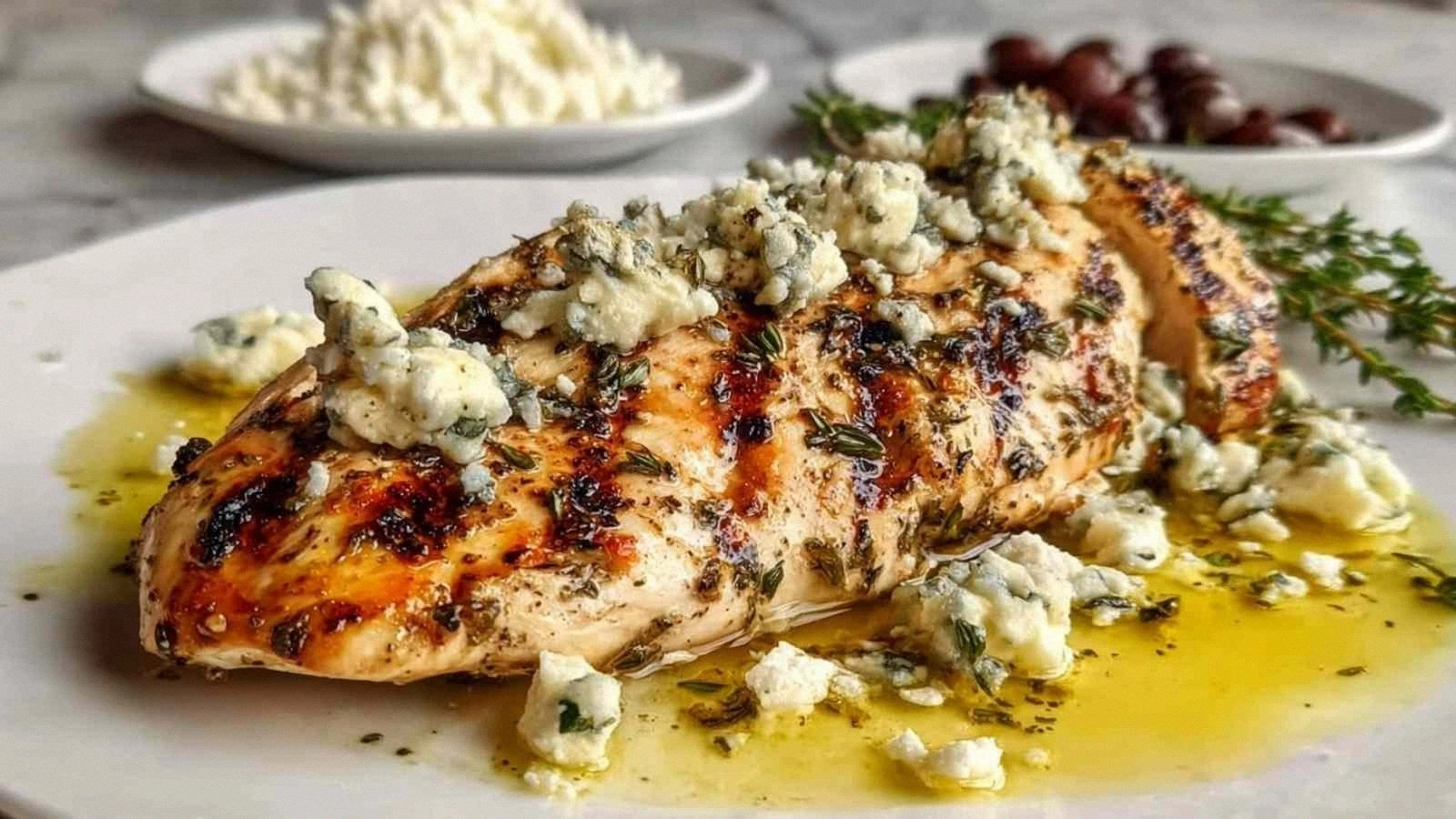
The Method — Step by Step
- Marinate the Chicken: In a large bowl, whisk together olive oil, lemon juice, minced garlic, oregano, thyme, salt, and pepper. Gently toss the chicken breasts until fully coated, then cover and refrigerate for at least 30 minutes (or up to 4 hours for deeper flavor). This step ensures the meat absorbs the bright, aromatic flavors before cooking.
- Heat the Skillet: Place a large, heavy‑bottom skillet over medium‑high heat. Add a splash of olive oil and let it shimmer. When the oil is hot, add the chicken breasts skin side down. You should hear a satisfying sizzle—this is the moment of truth.
- Sear the Chicken: Cook the breasts for 4–5 minutes on each side, or until a golden crust forms and the internal temperature reaches 165°F (74°C). Avoid moving them too often; let the crust develop fully for maximum flavor.
- Reduce the Heat: Once seared, lower the heat to medium. Add the remaining lemon juice, a splash of water if the pan feels dry, and the crumbled feta on top of the chicken.
- Simmer: Cover the skillet with a lid and let the chicken simmer for 8–10 minutes. The feta will melt into a silky coating, and the lemon will reduce slightly, intensifying its brightness. The chicken will finish cooking gently, staying tender.
- Finish with Herbs: Remove the lid, sprinkle fresh parsley and dill over the top, and give the dish a gentle stir to distribute the herbs evenly. The aroma will shift to a fresh, green note that balances the richness.
- Plate and Garnish: Transfer the chicken to a serving platter, arrange lemon wedges around it, and drizzle any remaining pan sauce over the top. The bright citrus and creamy feta create a visual and flavor contrast that’s impossible to ignore.
- Serve Immediately: Greek chicken is best enjoyed hot, right out of the skillet. Pair it with a side of roasted potatoes, a crisp salad, or a bowl of fluffy rice to soak up the sauce.
- Optional Extra: For an extra layer of flavor, sprinkle a pinch of smoked paprika over the chicken before serving. The subtle smokiness will complement the feta and lemon beautifully.
- Enjoy! Dig in and savor the harmonious blend of citrus, herbs, and creamy feta. Don’t be surprised if you’re tempted to ask for seconds—this dish is a crowd‑pleaser.
Insider Tricks for Flawless Results
The Temperature Rule Nobody Follows
Many cooks think that high heat is always best, but the key to juicy Greek chicken is a two‑step temperature approach: sear at medium‑high to lock in juices, then finish at medium to allow the feta to melt evenly without scorching the pan. I once tried cooking the entire dish at high heat, and the feta burned, leaving a bitter aftertaste. Keeping the heat moderate preserves the delicate flavors and ensures a consistent golden crust.
Why Your Nose Knows Best
When the chicken finishes simmering, the aroma of lemon and feta should be unmistakably bright and inviting. If the smell feels flat or overly oily, it’s a sign that the sauce hasn’t reduced enough. Trust your nose—if it’s singing, the dish is ready.
The 5‑Minute Rest That Changes Everything
After removing the chicken from the skillet, let it rest for five minutes. This resting period allows the juices to redistribute, keeping the meat moist and tender. I’ve seen people cut into the chicken immediately, and the result is dry, uneven texture. A short rest makes the difference between a good dish and a great one.
Use Fresh Herbs Over Dried
Fresh herbs release their oils and flavors more quickly than dried. If you only have dried, use twice the amount, but be aware that the flavor will still be less vibrant. Fresh herbs add a pop of color and a burst of freshness that dried herbs can’t match.
Keep the Feta at Room Temperature
Feta that’s been in the fridge for too long can become too hard to melt properly. Let it sit at room temperature for 10 minutes before adding it to the pan. This small step ensures a smooth, creamy coating.
Creative Twists and Variations
This recipe is a playground. Here are some of my favorite ways to switch things up:
Greek Chicken with Pesto
Swap the oregano and thyme for a handful of fresh basil and a drizzle of basil pesto. The result is a green, herbaceous dish that still honors the Greek roots. Serve it over zucchini noodles for a low‑carb option.
Spicy Lemon Feta Chicken
Add a pinch of crushed red pepper flakes to the marination. The subtle heat contrasts beautifully with the citrus and feta, creating a dish that’s both bright and bold.
Chicken with Tomato and Olives
Introduce diced tomatoes and Kalamata olives during the simmering phase. The acidity of the tomatoes complements the lemon, while the olives add a briny depth that elevates the dish.
Herb‑Crusted Chicken
Instead of marinating, coat the chicken in a mixture of chopped parsley, dill, oregano, and a touch of grated Parmesan. Then sear and finish as usual for a crispy, herb‑infused crust.
Chicken Skewers with Lemon‑Feta Glaze
Thread chicken pieces onto skewers, grill until charred, then brush with the lemon‑feta glaze. This version is perfect for summer barbecues.
Chicken with Greek Yogurt Sauce
Replace the feta with a sauce made from Greek yogurt, lemon zest, and dill. The creamy yogurt keeps the dish light while delivering a tangy punch.
Storing and Bringing It Back to Life
Fridge Storage
Store leftover chicken in an airtight container in the refrigerator for up to 3 days. The feta’s creamy texture will hold up well, and the lemon will keep the dish bright. When reheating, cover the dish to maintain moisture.
Freezer Friendly
Wrap the chicken tightly in foil and place it in a freezer bag. It will stay good for up to 2 months. Thaw overnight in the refrigerator before reheating.
Best Reheating Method
Reheat in a skillet over medium heat, adding a splash of water or broth to create steam. This prevents the feta from drying out. A tiny splash of water before reheating steams the dish back to perfection, keeping the chicken juicy and the sauce silky.