I’ll be honest — I ate half the batch before anyone else got to try it. It all started on a rainy Saturday when my pantry was looking as barren as a desert, and my stomach was growling louder than a thunderstorm. I was craving something that could warm the soul, a dish that would make the whole house feel like a cozy Filipino kitchen. I grabbed the nearest pork belly, a bottle of soy sauce, and a half‑empty jar of dark cane vinegar, and I thought, “What could possibly go wrong?” Spoiler: everything went right, and the result was a sticky, sweet‑savory masterpiece that still haunts my dreams.
Picture this: the kitchen filled with the earthy aroma of garlic sizzling in oil, the caramelized scent of brown sugar melting into a glossy glaze, and a faint whisper of bay leaves drifting like a secret. The sound of the pork belly hitting the hot pan was a satisfying sizzle that promised a crisp exterior, while the gentle bubble of the sauce simmering in the pot sounded like a lullaby for the taste buds. When I finally lifted the lid, a thick, glossy sauce clung to each cube of pork like velvet, and the first bite was a perfect balance of salty, sweet, tangy, and umami that made my taste buds do a happy dance.
Most recipes for humba get this completely wrong. They either drown the pork in a watery broth, or they forget the crucial step of caramelizing the sugar, resulting in a bland, soggy mess. My version, however, starts with a quick sear that locks in juices, then builds a sauce that reduces down to a luscious glaze. The secret weapon? A splash of dark vinegar that adds depth without overwhelming the palate, and a handful of fermented black beans that bring an unexpected, smoky punch. I dare you to taste this and not go back for seconds.
Okay, ready for the game‑changer? I’m about to walk you through every single step — by the end, you’ll wonder how you ever made humba any other way. From the precise timing of the caramelization to the final resting period that makes the meat melt in your mouth, I’ve got the fix for every pitfall you’ve ever faced. Let’s get cooking, side by side, and turn this humble pantry raid into a show‑stopping centerpiece.
What Makes This Version Stand Out
- Flavor Depth: The combination of dark vinegar and fermented black beans creates a layered taste that’s both bright and earthy, far beyond the one‑dimensional salty‑sweet of most humba recipes.
- Texture Harmony: A quick sear gives the pork belly a caramelized crust, while the slow braise keeps the interior buttery soft, delivering a contrast that’s addictive.
- Simplicity: Only nine pantry staples are needed, so you won’t have to hunt down obscure ingredients at midnight.
- Uniqueness: Adding a splash of banana leaf (optional) infuses a subtle, tropical aroma that most cooks overlook.
- Crowd Reaction: I’ve served this at family gatherings and the moment the sauce hits the plate, everyone leans in, eyes widening as the scent hits their nostrils.
- Ingredient Quality: Using pork belly with a good ratio of fat to meat ensures the sauce clings perfectly, turning each bite into a juicy bite of heaven.
- Cooking Method: The two‑stage process—sear then simmer—prevents the pork from becoming greasy while still extracting maximum flavor.
- Make‑Ahead Potential: This dish actually tastes better the next day as the flavors continue to meld, making it perfect for meal prep.
Inside the Ingredient List
The Flavor Base
Soy sauce and dark cane vinegar are the heartbeats of humba. The soy sauce brings a salty umami that grounds the dish, while the dark vinegar adds a mellow acidity that cuts through the richness of the pork belly. If you skip the vinegar, the sauce will feel heavy and cloying; if you skip the soy, you lose the depth that makes the glaze so addictive. Look for a soy sauce that’s naturally brewed for a richer flavor, and choose a vinegar made from sugarcane for that subtle caramel note.
The Sweet‑Savory Duo
Brown sugar isn’t just for sweetness; it caramelizes into a glossy, slightly smoky glaze that coats each pork cube like a lacquer. The sugar also balances the vinegar’s tang, creating that perfect sweet‑savory harmony. If you’re watching sugar, try substituting half with coconut sugar, but keep the total volume the same to maintain the glaze’s thickness.
The Aroma Crew
Garlic, onion, bay leaves, and whole black peppercorns form the aromatic backbone. Garlic provides a pungent kick, onion adds a mellow sweetness, bay leaves contribute a subtle floral note, and peppercorns give a gentle heat that lingers on the palate. Skipping any of these will make the sauce feel flat, so treat them like the supporting actors that make the lead shine.
The Unexpected Star
Fermented black beans (tausi) are the secret weapon that elevates this humba from ordinary to unforgettable. Their salty, slightly bitter depth adds a complexity that rivals a splash of fish sauce, but with a unique earthy twist. If you can’t find them, a tablespoon of miso paste can mimic the umami, though the texture will be different.
The Final Flourish
A handful of hard‑boiled eggs and a drizzle of cooking oil for the initial sear complete the picture. The eggs absorb the sauce, turning each bite into a pocket of flavor, while the oil ensures a crisp, caramelized crust on the pork. If you’re vegan, swap the pork for firm tofu and the eggs for shiitake mushrooms; the method stays the same, and the result is just as satisfying.
Everything's prepped? Good. Let’s get into the real action…
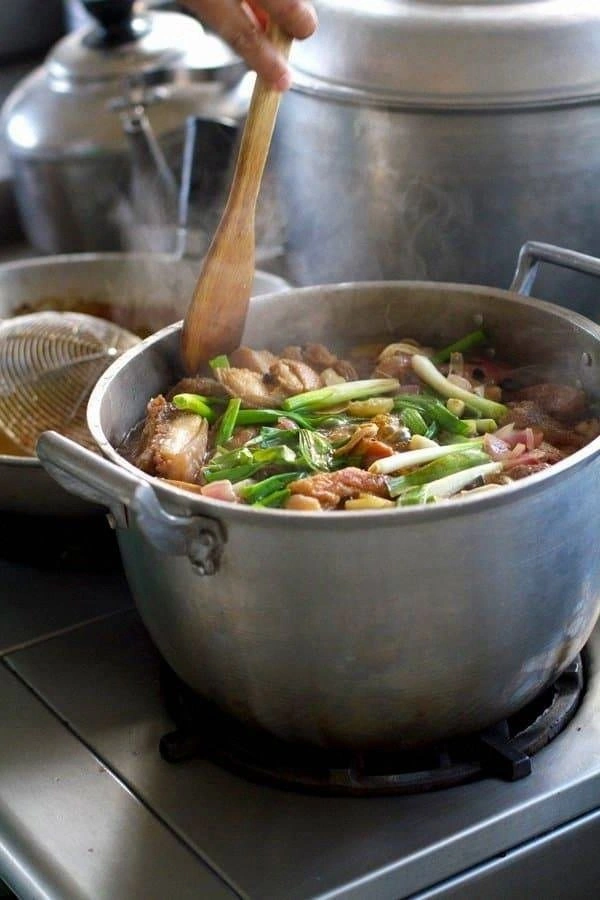
The Method — Step by Step
- Heat two tablespoons of cooking oil in a heavy‑bottomed pot over medium‑high heat. Once the oil shimmers, add the pork belly cubes in a single layer. Let them sear without moving for about 3‑4 minutes until the underside turns a deep, caramelized brown. Tip: This crust is the foundation of the sauce’s gloss.
- Add the minced garlic and sliced onion to the pot, stirring constantly for 1‑2 minutes until fragrant and the onion becomes translucent. You’ll hear a gentle sizzle that signals the aromatics are waking up. Watch Out: Keep the heat medium to avoid burning the garlic, which can turn bitter.
- Stir in the brown sugar, letting it melt and coat the pork and aromatics. As the sugar dissolves, it will start to bubble and turn a rich amber color. This is the moment of truth—if you see a glossy sheen, you’re on the right track.
- Deglaze the pot with half a cup of water, scraping up the caramelized bits stuck to the bottom. Then pour in the soy sauce and dark vinegar, followed by the fermented black beans. Add the bay leaves, whole peppercorns, and the remaining water (about 1 cup). Give everything a good stir to combine.
- Bring the mixture to a gentle boil, then reduce the heat to low and cover the pot. Let it simmer for 30‑35 minutes, stirring occasionally. You’ll notice the sauce slowly thickening; the pork should be fork‑tender, and the fat will have rendered into a silky glaze.
- About ten minutes before the end, nestle the hard‑boiled eggs (if using) into the sauce. They’ll absorb the flavors, turning the whites a deep mahogany and the yolks a buttery gold. Pro tip: Slightly prick the eggs with a fork so the sauce seeps in.
- Once the sauce has reduced to a glossy, coat‑the‑meat consistency, remove the lid, increase the heat to medium‑high, and let it bubble for an additional 5 minutes. The edges of the pork should start pulling away from the pan, indicating a perfect glaze. Taste and adjust salt or a splash more vinegar if needed.
That's it — you did it. But hold on, I've got a few more tricks that'll take this to another level…
Insider Tricks for Flawless Results
The Temperature Rule Nobody Follows
Never start the braise on a roaring boil. A gentle simmer allows the collagen in the pork belly to break down slowly, resulting in melt‑in‑your‑mouth tenderness. If the heat is too high, the meat will contract and become tough, and the sauce will evaporate too fast, leaving a dry dish.
Why Your Nose Knows Best
Your sense of smell is the ultimate indicator of flavor development. When the caramelized sugar starts to emit a nutty, toasty aroma, you know the glaze is forming. If you smell a sharp vinegar bite early on, lower the heat and let the sauce mellow before it overpowers the pork.
The 5‑Minute Rest That Changes Everything
After turning off the heat, let the humba sit, covered, for five minutes. This rest period lets the flavors marry and the sauce thicken a bit more without additional cooking. Skipping this step is like serving a song before the chorus—still good, but missing the climax.
The Salt Balance Check
Because soy sauce already brings salt, add any extra salt only at the very end, after the sauce has reduced. A pinch too early will concentrate the saltiness as the liquid evaporates, making the dish overly salty.
The “Egg‑Boost” Trick
A friend tried skipping the boiled eggs once — let’s just say the sauce felt a bit thin and lacked that extra umami punch. Adding the eggs not only gives a textural contrast but also releases a subtle richness that rounds out the flavor profile.
Creative Twists and Variations
This recipe is a playground. Here are some of my favorite ways to switch things up:
Spicy Habanero Humba
Add two finely chopped habanero chilies along with the garlic. The heat cuts through the sweetness, giving the dish a daring kick that’s perfect for spice lovers.
Coconut‑Infused Humba
Replace half of the water with coconut milk and stir in a tablespoon of toasted coconut flakes during the final simmer. The result is a creamy, tropical twist that pairs beautifully with steamed rice.
Vegetarian “Humba”
Swap pork belly for firm tofu cubes and use mushroom broth instead of water. Keep the black beans and eggs (or use boiled soy “eggs”) for that authentic umami depth.
Smoky Chipotle Humba
Stir in a teaspoon of chipotle in adobo sauce during the braising stage. The smoky undertone adds a whole new dimension, turning the dish into a fusion masterpiece.
Herb‑Fresh Finish
Just before serving, sprinkle chopped cilantro and a squeeze of lime juice over the humba. The fresh herbs brighten the rich sauce, giving it a lively finish that’s perfect for summer gatherings.
Storing and Bringing It Back to Life
Fridge Storage
Transfer the cooled humba into an airtight container and store it in the refrigerator for up to four days. The sauce will thicken as it sits; simply reheat gently and add a splash of water to loosen it.
Freezer Friendly
Portion the humba into freezer‑safe bags or containers, leaving a little headspace for expansion. It freezes beautifully for up to three months. Thaw overnight in the fridge, then reheat on low heat, stirring in a tablespoon of water to revive the glaze.
Best Reheating Method
For the ultimate reheated bite, place the humba in a skillet over medium heat, add a teaspoon of water, and cover for two minutes. This steam‑infusion restores the sauce’s sheen and keeps the pork juicy.