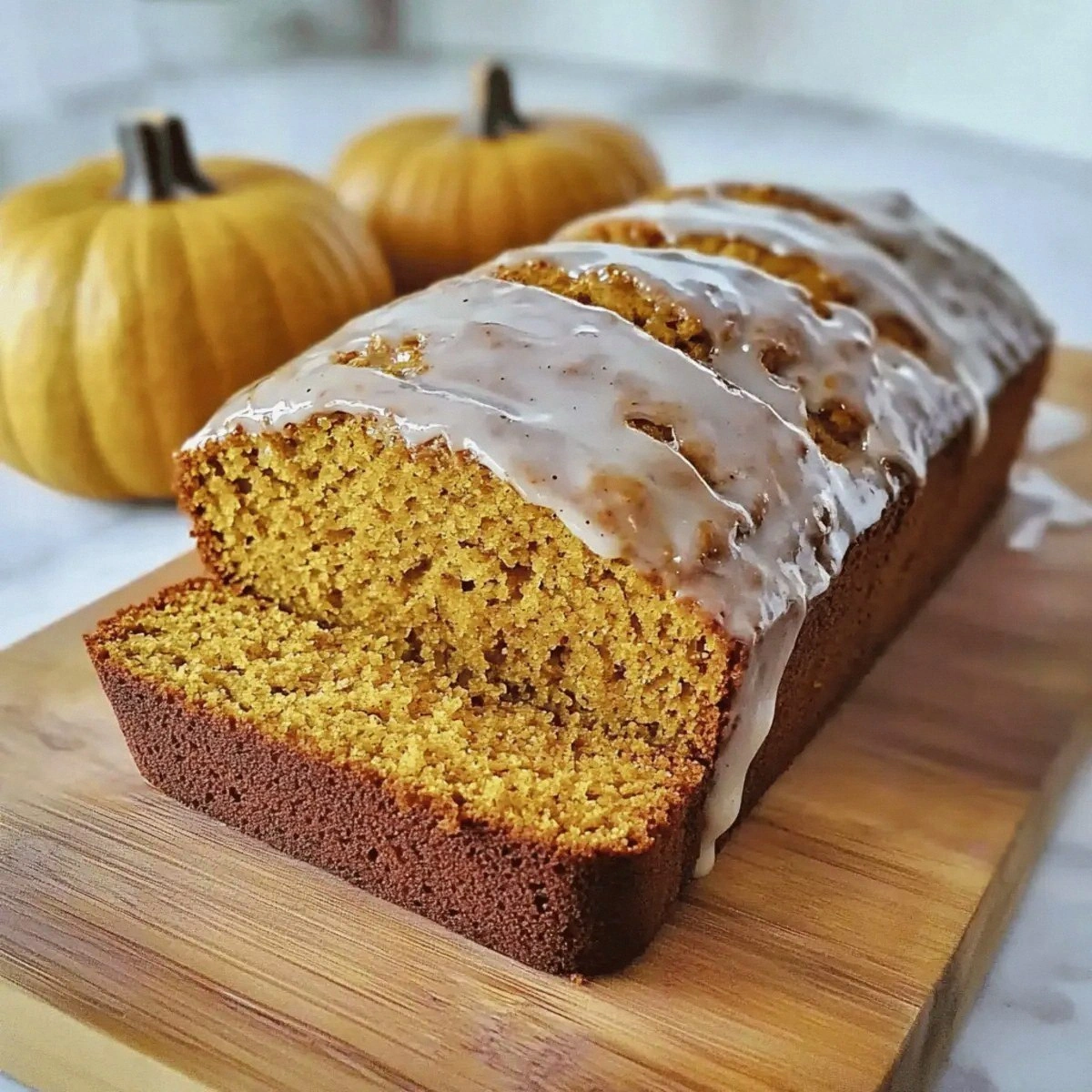
Picture this: a cramped kitchen, the scent of autumn drifting in through an open window, and a frantic scramble to rescue a ruined pumpkin pie that went flat and sad. I was halfway through my pie, the crust collapsed, the filling looked like a sad puddle of orange mush, and the oven was already cooling. I stared at the mess, then at the pantry, and realized I could turn that disaster into something divine with just a few tweaks and a dash of confidence. That moment sparked the birth of the Effortless Baked Pumpkin Puddi—a silky, spiced custard that feels like a warm hug in a cup, yet requires almost no elbow grease.
The first bite is a sensory fireworks show: the rich, earthy sweetness of pumpkin mingles with the aromatic swirl of cinnamon, nutmeg, and ginger, while the creamy base coats the palate like velvet. The texture is a paradoxical blend of custard-like smoothness and a slight, satisfying bite from the flour’s subtle chew. The aroma rises from the oven, a comforting blend that makes the whole house feel like a cozy cabin. The sound of the first spoonful—soft, almost whispering—confirms that the pudding has achieved the perfect consistency.
What makes this version stand out? I’ve taken the classic pumpkin pudding formula and injected it with modern simplicity: no special equipment, no overcomplicated steps, and a flavor profile that elevates pumpkin from humble dessert to headline act. The pudding is forgiving, forgiving to the novice and rewarding to the seasoned cook. I dare you to taste this and not go back for seconds. I’ve stripped away the fluff, kept the core, and added a secret ingredient that will make you question every other pumpkin recipe you’ve tried.
If you’ve ever stared at a bowl of pumpkin puree and felt stuck, this is the recipe that will change the game. The next section will break down why this pudding is a game-changer, and then we’ll dive into the ingredient science that makes it so irresistible. Stay with me—this is worth it.
What Makes This Version Stand Out
- Flavor: The pumpkin puree is the star, but the combination of vanilla, cinnamon, nutmeg, and ginger creates a symphony that feels both familiar and novel.
- Texture: A silky custard with a gentle bite from the flour, achieved by whisking the eggs into the pumpkin before baking.
- Simplicity: No whisk, no stand mixer, no fancy pans—just a bowl, a whisk, and a standard oven.
- Time: Prep in 15 minutes, bake for 30, and you have a dessert that feels like a labor of love.
- Make‑ahead: The pudding can be assembled ahead of time, refrigerated, and baked right before serving.
- Versatility: Works as a dessert, a side for a savory main, or a comforting breakfast on a chilly morning.
- Ingredient Quality: Uses pantry staples that you likely already own, yet the quality of each ingredient is elevated by careful selection.
- Audience: Everyone from kids who love sweet pumpkin treats to adults craving a nostalgic fall dessert will find it irresistible.
Alright, let's break down exactly what goes into this masterpiece...
Inside the Ingredient List
The Flavor Base
Pumpkin puree is the heart of the pudding, delivering that unmistakable autumn flavor. It’s the medium that carries the spices and the milk, turning them into a cohesive, creamy mixture. Skipping it would leave you with a bland, dairy‑heavy custard that feels like a missed opportunity. For the best flavor, choose a puree that’s smooth and free of lumps; a slightly sweeter variety works well if you’re aiming for a dessert rather than a savory side.
The Texture Crew
Milk, eggs, and flour form the trio that gives the pudding its body. Milk adds richness and helps the custard set; eggs bind everything together, providing structure; and flour thickens the mixture just enough to keep it from becoming runny. If you’re dairy‑free, swap the milk for almond or coconut milk—just ensure it’s unsweetened so you can control the sweetness. Eggs can be substituted with a flaxseed meal mix (1 tablespoon flaxseed meal + 3 tablespoons water) if you need a vegan version, but the texture will be slightly different.
The Unexpected Star
Spices are the secret weapons that elevate pumpkin from a simple vegetable to a flavor powerhouse. Vanilla extract offers warmth, while cinnamon, nutmeg, and ginger contribute depth and subtle heat. Together, they create a fragrant, layered taste that dances on the tongue. If you prefer a more intense spice kick, add a pinch of cayenne or a splash of bourbon; just be careful not to overpower the pumpkin.
The Final Flourish
Salt is the unsung hero that balances sweetness and enhances the overall flavor profile. Even a tiny pinch can make a huge difference, turning the pudding from ordinary to extraordinary. If you’re watching sodium, use sea salt sparingly or a low‑sodium alternative. The final flourish—your choice of topping—can transform the pudding into a showstopper. Think toasted pecans, whipped cream, or a drizzle of maple syrup.
Everything's prepped? Good. Let's get into the real action...
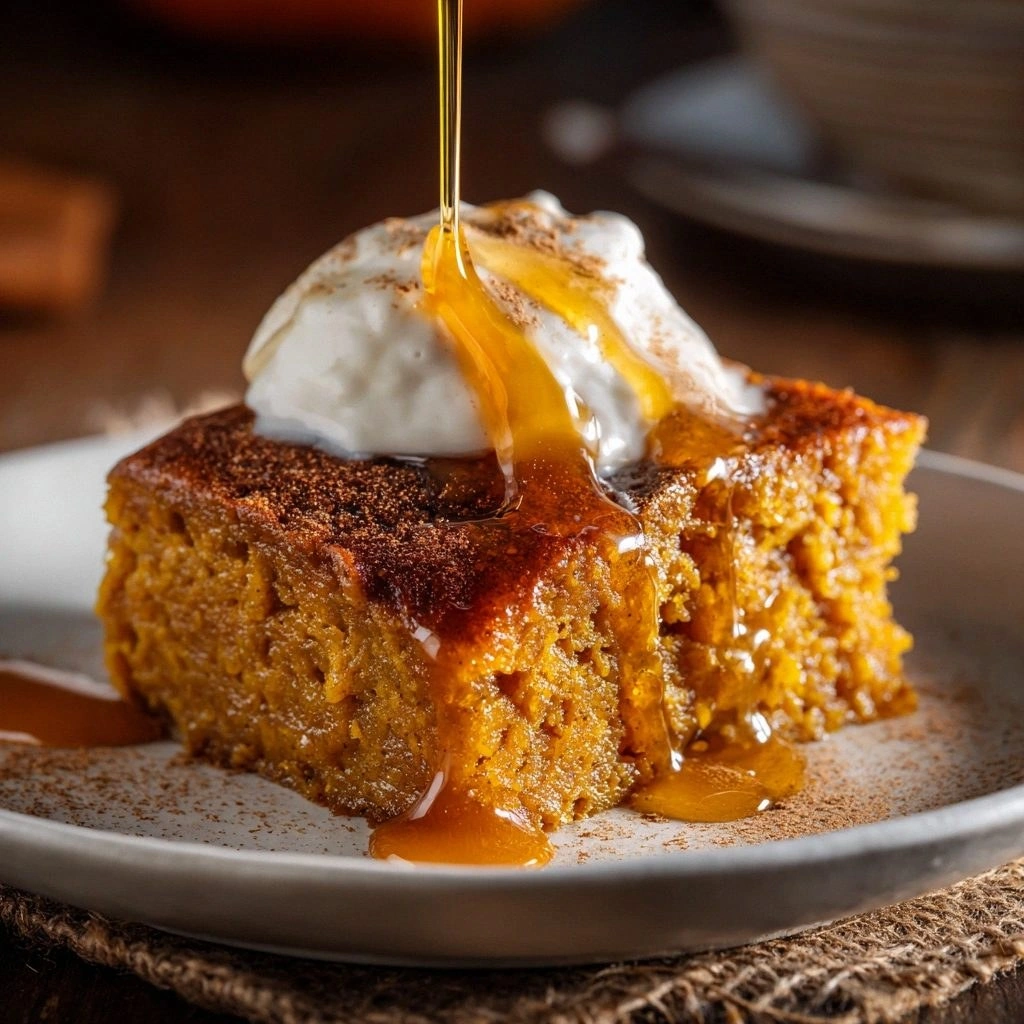
The Method — Step by Step
- Preheat the oven and prep the dish. Set your oven to 350°F (175°C) and grease a 9-inch square baking dish with butter or non‑stick spray. The oven’s steady heat is crucial for even cooking; I always set it a few minutes before starting to ensure it’s at the right temperature when the batter goes in. A well‑lined pan prevents sticking and makes cleanup a breeze. Once the dish is ready, let’s move on to the batter.
- Whisk the dry ingredients. In a medium bowl, combine 1 cup all‑purpose flour, 1 tsp ground cinnamon, ½ tsp ground nutmeg, ½ tsp ground ginger, and a pinch of salt. Whisk them together so the spices are evenly distributed. This step ensures that the spices don’t clump and that every spoonful has the same flavor punch. It also pre‑emptively thins the flour, preventing lumps in the final batter.
- Blend the wet ingredients. In a separate bowl, whisk 2 cups pumpkin puree, 2 cups milk, 1 cup sugar, 3 eggs, and 1 tsp vanilla extract until the mixture is smooth and glossy. The eggs should be fully incorporated; if you see any streaks, give it a quick whisk again. This wet mixture will become the custard base, so the smoother it is, the better the final texture.
- Combine wet and dry. Pour the wet mixture into the dry mixture gradually, whisking constantly to avoid lumps. Think of this as a gentle dance—each stir brings the batter closer to silky perfection. Once blended, the batter should be thick yet pourable. This is the moment of truth; the batter must be smooth or the pudding will have an uneven mouthfeel.
- Pour into the dish. Transfer the batter into the greased baking dish. Use a spatula to spread it evenly, ensuring a uniform thickness. The batter should be about 1½ inches deep; too thin and it will crack, too thick and it will take longer to set. Now, let the batter settle—this is a good time to double‑check the oven temperature.
- Bake until set. Place the dish in the preheated oven and bake for 30 minutes, or until the top is golden brown and a toothpick inserted into the center comes out clean. The edges should pull slightly from the dish, indicating that the custard has set. The smell will become toasty, filling the kitchen with a comforting aroma. Don’t rush this step; the pudding needs time to develop its structure.
- Cool before serving. Remove the dish from the oven and let the pudding cool on a wire rack for 10 minutes. This brief rest allows the custard to firm up, making it easier to slice or scoop. If you’re in a hurry, you can serve it warm, but the pudding’s texture will be softer and less custardy.
- Finish with toppings. Sprinkle toasted pecans, a dollop of whipped cream, or a drizzle of maple syrup over the top. The crunchy nuts contrast beautifully with the creamy base, while the maple adds a sweet, caramelized finish. If you prefer a lighter option, add a few fresh berries or a dusting of powdered sugar.
- Serve and enjoy. Slice the pudding into squares or scoop into bowls, and enjoy the silky, spiced goodness. The pudding is best served warm, but it also holds up nicely at room temperature. I dare you to taste this and not go back for seconds. If you’re a fan of pumpkin, this is hands down the best version you'll ever make at home.
That's it — you did it. But hold on, I've got a few more tricks that'll take this to another level...
Insider Tricks for Flawless Results
The Temperature Rule Nobody Follows
Many bakers set the oven to a high temperature and then lower it after the first 10 minutes. I keep it constant at 350°F (175°C) throughout the bake. This steady heat allows the custard to set evenly without the risk of the top burning while the center remains undercooked. Consistency is key to a silky finish.
Why Your Nose Knows Best
During the last 5 minutes of baking, pause and inhale. The aroma should shift from raw pumpkin to a warm, caramelized scent. If it still smells like raw spices, give it a few more minutes. Your nose is the best judge of doneness, far better than a timer alone.
The 5-Minute Rest That Changes Everything
After removing the pudding from the oven, let it rest on a wire rack for exactly five minutes before slicing. This brief period allows the custard to set fully, making it easier to cut clean slices and preventing it from sliding off the pan. It also gives the flavors a chance to marry, resulting in a more cohesive taste.
Keep It Moist
If you’re baking in a hotter climate, the pudding can dry out. Add a splash of milk to the batter before baking, or cover the dish with foil during the last 10 minutes to retain moisture. A moist pudding feels like a hug, while a dry one feels like a disappointment.
Use a Glass Baking Dish for Even Heat
Glass pans conduct heat more evenly than metal, resulting in a uniformly cooked pudding. I’ve found that a glass dish also gives a beautiful, glossy finish on the top. Just be sure to use a non‑stick spray or butter to prevent sticking.
Creative Twists and Variations
This recipe is a playground. Here are some of my favorite ways to switch things up:
Pumpkin Cheesecake Layer
Fold ½ cup of cream cheese into the batter after whisking the wet ingredients. The result is a rich, tangy pumpkin cheesecake that still bakes into a custard. This variation is perfect for a dessert that feels indulgent yet still showcases pumpkin.
Spiced Coconut Cream
Replace the milk with coconut milk and add 1 tsp of grated fresh ginger. The coconut gives a tropical twist, while the ginger adds a fresh zing. Serve it with toasted coconut flakes for extra texture.
Maple‑Infused Pumpkin
Drizzle 2 tbsp of pure maple syrup into the batter before baking. The maple sweetens the pudding naturally and gives it a deep amber color. Top with a sprinkle of sea salt for a sweet‑savory contrast.
Vegan Pumpkin Pudding
Replace the eggs with flaxseed meal (1 tbsp + 3 tbsp water) and the milk with oat milk. This version is dairy‑free, egg‑free, and still retains the silky texture. It’s a great option for plant‑based diners.
Chocolate Pumpkin Surprise
Stir in ½ cup of cocoa powder into the batter for a chocolate‑pumpkin fusion. The chocolate adds richness and a deeper flavor profile, making it a crowd‑pleaser at holiday parties.
Nutty Crunch
Top the finished pudding with toasted walnuts or pecans for crunch. The nuts add a nutty aroma and a satisfying bite that contrasts with the smooth custard. Sprinkle a pinch of cinnamon on top for an extra pop.
Storing and Bringing It Back to Life
Fridge Storage
Cool the pudding completely, then cover it tightly with plastic wrap or a lid. Store in the refrigerator for up to 3 days. The custard will firm up, making it easier to slice. When ready to serve, let it sit at room temperature for 10 minutes to soften slightly.
Freezer Friendly
Divide the pudding into individual portions and wrap each in parchment paper, then place in a freezer bag. Freeze for up to 2 months. To thaw, leave in the fridge overnight. Reheat in a microwave for 30-45 seconds, stirring halfway through, or warm on the stovetop over low heat.
Best Reheating Method
For the best texture, reheat the pudding in a double boiler. Add a splash of milk to keep it moist and stir until warmed through. This gentle heat prevents the custard from becoming rubbery and preserves its silky finish.