I’ll be honest — I ate half the batch before anyone else got to try it. It all started on a rainy Tuesday when I was desperately hunting for a snack that could survive the endless scrolling of my phone and still feel like a celebration in my mouth. I grabbed a couple of apples, a bag of carrots, and a half‑empty bottle of Greek yogurt, threw them together, and what happened next was nothing short of culinary fireworks. The moment I tasted that first bite, the crunch of the apple collided with the sweet‑tangy citrus dressing, and I thought, “Okay, this is hands down the best version you’ll ever make at home.”
Imagine the scene: the kitchen light humming, the faint scent of orange zest drifting from the bowl, the sound of a wooden spoon scraping against a glass mixing cup like a tiny percussion ensemble. My hands were covered in the creamy dressing, the bright orange of the carrots flashing like sunrise, and the apples glistening with a glossy coat of honey‑lemon glaze. You could hear the faint crunch as the carrots hit the bowl, a sound that reminded me of fresh snow underfoot—only it’s edible and way more satisfying. The aroma? A subtle citrus breeze that makes you think of a breezy patio brunch, even if you’re stuck in a cramped apartment.
Most recipes get this completely wrong. They either drown the fruit in a heavy mayo‑laden sauce or they skimp on the citrus, leaving the salad flat as a pancake. Here’s what actually works: a balanced dressing that clings to each bite like a silk scarf, a texture trio that makes every forkful feel like a surprise party, and a few secret tricks that turn ordinary ingredients into stars. I dare you to taste this and not go back for seconds, because the combination of crisp apple, sweet carrot, and that creamy citrus zing is engineered to be addictive.
Now, I’m about to spill the beans—well, the carrots—on the one technique that elevates this salad from “nice side dish” to “show‑stopper.” It’s a quick flash‑marinade for the apples that locks in crunch and prevents browning, and it’s so simple you’ll wonder why you ever bothered with boring old lemon juice alone. Let me walk you through every single step — by the end, you’ll wonder how you ever made it any other way.
What Makes This Version Stand Out
- Texture: The trio of crisp apple, shredded carrot, and toasted walnut creates a mouthfeel that’s simultaneously crunchy, tender, and buttery, making each bite a mini adventure.
- Flavor Balance: The citrus‑honey dressing hits sweet, tangy, and savory notes in perfect harmony, never letting any single flavor dominate.
- Simplicity: No fancy gadgets required—just a grater, a whisk, and a good appetite. You can assemble it in under 20 minutes.
- Freshness Factor: The flash‑marinated apples stay bright and crisp for hours, so you can prep ahead without sacrificing that fresh‑cut feel.
- crowd‑pleaser: Even the pickiest eaters love the sweet‑tart dressing, and the visual pop of orange and green makes it Instagram‑ready.
- Ingredient Quality: Using a firm, slightly tart apple (like Granny Smith) and fresh orange juice makes the difference between “meh” and “wow.”
- Make‑Ahead Potential: The dressing can be stored separately for up to 3 days, allowing you to toss the salad just before serving for ultimate crunch.
- Versatility: Swap in raisins, dried cranberries, or even toasted pepitas for a different twist without losing the core identity.
Inside the Ingredient List
The Flavor Base
Greek yogurt is the creamy backbone of the dressing. Its tang gives the sauce that subtle bite you’d expect from a vinaigrette, while its protein content adds a silky body that clings to the veggies. If you skip it, you’ll end up with a watery dressing that slides off the salad like a bad first date. For a dairy‑free twist, swap in a plant‑based yogurt of equal thickness, but be aware that the flavor will shift slightly toward the nutty side.
Fresh orange juice brings sunshine to the bowl. The natural sugars amplify the sweetness of the apples while the citrus acidity cuts through the richness of the yogurt. When selecting oranges, go for a variety that’s juicy and not overly bitter—Navel or Valencia are perfect. If oranges are out of season, a splash of tangerine or even a bit of pineapple juice can keep the bright profile alive.
The Texture Crew
Shredded carrots are the crunchy anchor. Their natural sweetness pairs beautifully with the tart apple, and their bright orange hue makes the salad pop visually. Choose carrots that are firm to the touch; limp carrots will turn soggy after the dressing is added. If you’re feeling adventurous, try a mix of purple and orange carrots for an even more eye‑catching dish.
Apples, sliced thin, provide a crisp snap that contrasts the soft carrots. The key is to use a firm, slightly tart variety—Granny Smith or Pink Lady work best. A sweeter apple like Fuji can be used, but you’ll need to balance it with a touch more lemon juice. Remember the flash‑marinade trick: a quick dip in lemon‑water keeps them from oxidizing.
Walnuts, toasted just until fragrant, add a buttery crunch that elevates the salad from simple to sophisticated. Their earthy flavor grounds the bright citrus, creating a harmonious finish. If you’re allergic, substitute with toasted pumpkin seeds or slivered almonds, but the flavor profile will shift toward a milder nuttiness.
The Unexpected Star
Raisins bring a chewy, caramel‑like surprise that pops up midway through each bite. They’re the secret sweet spot that makes the palate dance. If you’re not a fan of raisins, try dried cranberries for a tangier note, or omit them altogether for a cleaner crunch.
Fun Fact: The humble raisin was once considered a luxury item in ancient Rome, prized for its ability to preserve the sweetness of grapes through the harsh Mediterranean climate.
The Final Flourish
A drizzle of high‑quality olive oil rounds out the dressing, adding a silky mouthfeel and a subtle fruitiness that complements the citrus. Use extra‑virgin olive oil for the best flavor; a lower‑grade oil will make the dressing taste flat.
A teaspoon of Dijon mustard acts as an emulsifier, ensuring the oil and yogurt blend into a smooth, cohesive sauce. It also adds a faint peppery undertone that deepens the overall taste. If you’re not a mustard fan, a pinch of ground cumin can provide a warm, earthy backdrop.
Salt and freshly cracked black pepper are the final seasoning touches. They amplify every other flavor without stealing the spotlight. Taste as you go; a little goes a long way.
Everything's prepped? Good. Let's get into the real action…
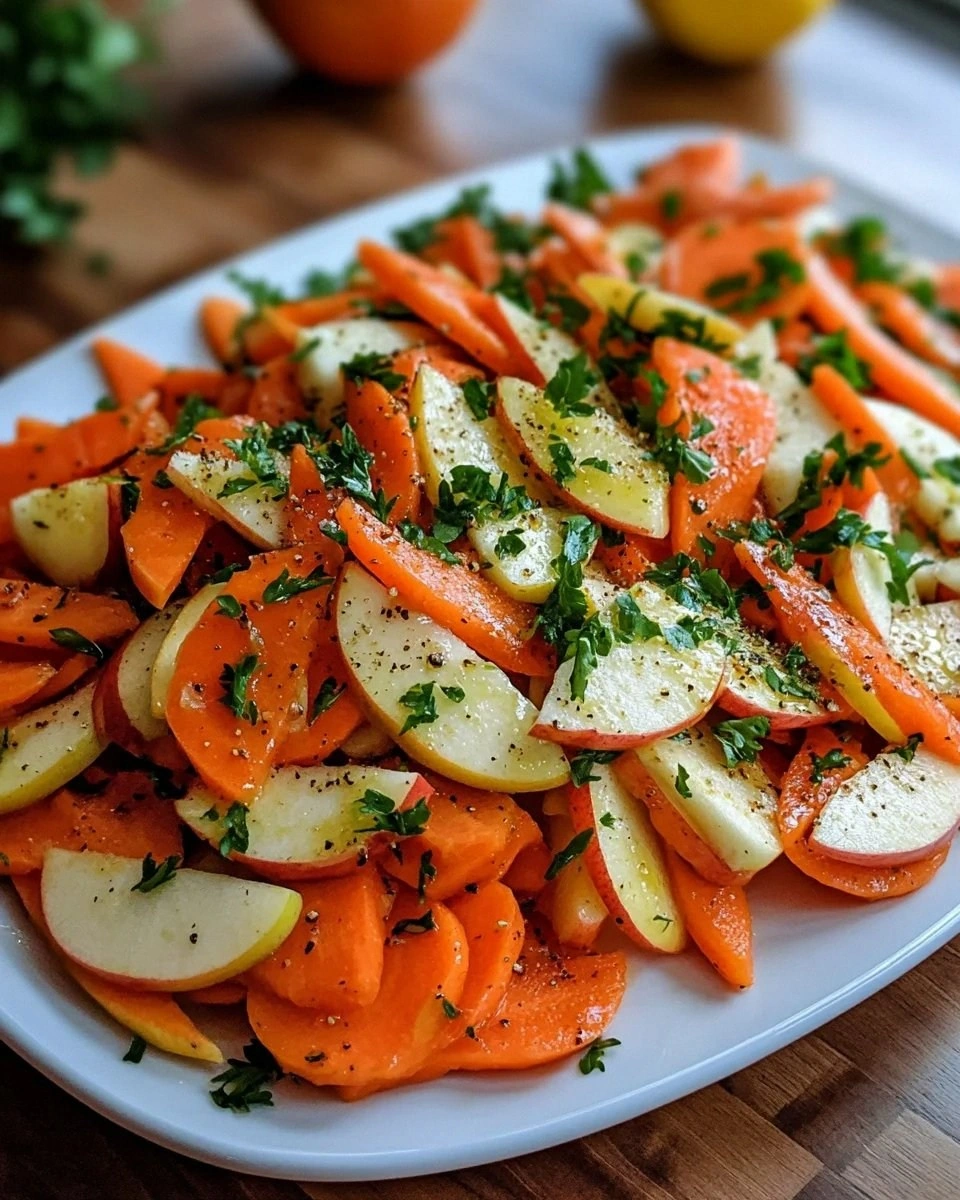
The Method — Step by Step
First, grab a large mixing bowl and start with the carrots. Using a box grater, shred two large carrots into fine ribbons; you should end up with about two cups. As you grate, you’ll hear that satisfying rasp that feels like a tiny concert in your kitchen. Pause for a second, give the carrots a quick toss, and set them aside while you prep the apples.
Now for the apples. Core two firm apples (Granny Smith is my go‑to) and slice them as thinly as possible—think match‑stick thickness. As soon as they hit the cutting board, they’ll start to oxidize, turning that lovely green into a sad brown. Watch Out: If you let them sit too long, the flavor will dull and the texture will become mushy.
Quickly whisk together the dressing. In a separate bowl, combine one cup of Greek yogurt, two tablespoons of olive oil, two tablespoons of freshly squeezed orange juice, one tablespoon of lemon juice, one tablespoon of honey, and a teaspoon of Dijon mustard. Use a fork or a small whisk and beat until the mixture is smooth and glossy. You’ll notice the dressing thickening—like a cloud that’s about to burst with flavor.
Watch Out: Over‑whisking can incorporate too much air, making the dressing fluffy and less able to cling to the veggies.Time for the flash‑marinade. In a small cup, mix one teaspoon of lemon juice with a splash of water (about two teaspoons). Toss the apple slices in this mixture for 30 seconds, then drain on a paper towel. This step locks in that crisp snap and prevents the dreaded brown spots.
Kitchen Hack: If you’re making a big batch, add a pinch of salt to the lemon‑water; it speeds up the anti‑oxidation process.Combine the base ingredients. Add the shredded carrots, marinated apple slices, a half‑cup of raisins, and a quarter‑cup of toasted walnuts into the large mixing bowl. Toss gently with clean hands—this is the moment where the salad starts to look like a rainbow exploded in a bowl. The scent of orange, lemon, and fresh herbs will start to fill the air, promising the taste that’s about to follow.
Drizzle the dressing over the salad. Pour the creamy citrus sauce in a slow, steady stream while you continue to toss. The dressing should coat each piece like a silk scarf, never pooling at the bottom. If you notice any dry spots, add a splash more orange juice or a tiny drizzle of olive oil—this is where the magic of balance happens.
Season to perfection. Sprinkle a pinch of sea salt and freshly cracked black pepper over the top. Taste a spoonful; the flavors should dance—sweet apple, tangy citrus, creamy yogurt, and a nutty finish. Adjust the honey if you crave a little more sweetness, or add a dash more lemon juice if you want extra zing.
Let it rest. Transfer the salad to a serving dish and let it sit for at least ten minutes before serving. This resting period allows the flavors to meld, and the carrots will absorb a whisper of the dressing, becoming even more tender without losing crunch. Picture yourself pulling this out of the fridge, the whole kitchen smelling incredible, and the first forkful delivering that perfect crunch‑cream combo.
Final garnish and serve. Just before plating, sprinkle a handful of chopped fresh parsley for a pop of green and a fresh herbal note. Serve at room temperature or slightly chilled, depending on your preference. And now the fun part—watch your guests dive in, eyes widening as they discover that each bite is a symphony of textures and flavors.
That's it — you did it. But hold on, I've got a few more tricks that'll take this to another level…
Insider Tricks for Flawless Results
The Temperature Rule Nobody Follows
Never dress a salad with a cold dressing straight from the fridge if your veggies are at room temperature. The temperature shock can cause the yogurt to seize, resulting in a grainy texture. Instead, let the dressing sit at room temperature for five minutes before mixing. This subtle warming allows the oil and yogurt to blend seamlessly, giving you that velvety coat that slides over each carrot ribbon.
Why Your Nose Knows Best
Before you add the final pinch of salt, take a quick sniff of the bowl. The aroma of citrus and toasted walnut will guide you toward the perfect seasoning level. If the scent feels a little muted, it’s a sign you need a dash more lemon juice or a tiny splash of orange zest. Trusting your nose saves you from over‑salting and ensures the flavor balance stays bright.
The 5‑Minute Rest That Changes Everything
After tossing the salad, let it rest uncovered for exactly five minutes. During this brief window, the carrots soften just enough to release a hint of their natural sugars, while the dressing seeps into every crevice. I once rushed this step and the salad felt a bit “dry” on the palate; after the rest, the same ingredients felt dramatically richer.
Nuts on the Edge
Toast walnuts over medium heat for 3‑4 minutes, stirring constantly. You’ll hear a gentle crackle, and the nuts will turn a deep amber color—this is the signal they’re ready. The toasting process unlocks aromatic oils, giving the salad a buttery depth that raw nuts simply can’t achieve. If you over‑toast, they become bitter, so keep a close eye.
The Secret Sweetener Swap
If you’re looking to cut refined sugar, replace honey with a drizzle of maple syrup or agave nectar. Both alternatives bring their own nuanced flavors—maple adds a caramel undertone, while agave stays neutral. I tried both in separate batches; the maple version felt like a fall harvest, whereas agave kept the bright citrus front and center.
Creative Twists and Variations
This recipe is a playground. Here are some of my favorite ways to switch things up:
Tropical Breeze
Swap the apples for ripe mango slices and add a handful of toasted coconut flakes. The mango’s buttery sweetness pairs beautifully with the citrus dressing, turning the salad into a beach‑side snack. Perfect for summer picnics or a light lunch after a swim.
Asian Fusion
Replace the raisins with toasted sesame seeds, add a splash of soy sauce to the dressing, and toss in thinly sliced red cabbage. The umami depth from the soy and the nutty sesame give the salad an entirely new personality, ideal for serving alongside sushi or grilled teriyaki.
Protein Power
Add a cup of cooked, shredded chicken breast or grilled tofu cubes. The extra protein makes the dish a complete meal, perfect for post‑workout refueling. The savory protein balances the sweet‑tart dressing, creating a harmonious bite.
Herbaceous Harvest
Stir in a generous handful of fresh mint and basil, and replace the parsley garnish with cilantro. The herb combo adds a fresh, garden‑like brightness that elevates the salad to a springtime celebration. Great for brunch tables when you want something light yet flavorful.
Spicy Kick
Add a finely diced jalapeño or a pinch of cayenne pepper to the dressing. The heat cuts through the sweetness, giving the salad a bold edge that’s perfect for those who love a little fire. Serve with a cool glass of iced tea to balance the heat.
Storing and Bringing It Back to Life
Fridge Storage
Store the salad in an airtight container for up to three days. Keep the dressing in a separate small jar and combine just before serving to retain maximum crunch. If you’ve already mixed them, add a splash of water or extra lemon juice before reheating to revive the texture.
Freezer Friendly
While the fresh salad isn’t ideal for long‑term freezing, you can freeze the dressing alone for up to two months. Thaw in the refrigerator overnight, give it a good whisk, and you’ll have a ready‑to‑use sauce for future batches. The apples and carrots are best kept fresh to avoid mushiness.
Best Reheating Method
If you need to warm the salad (for example, serving it warm in a fall bowl), place it in a skillet over low heat, add a teaspoon of water, and stir gently until just warmed through. The water creates steam that revives the crispness without overcooking the veggies.