I remember the night I stared at a half‑roasted eggplant on my kitchen counter, its skin blistering like a sun‑burnt canvas, and thought, “This is a disaster.” The smell of charred vegetables wafted through the air, mingling with the faint aroma of soy sauce I’d left in a jar on the shelf. I was in a bind: my friends were coming over for a quick dinner, and I had nothing but an eggplant and a stubborn craving for something crispy yet tender. I pulled out my trusty air fryer, because, let’s face it, no one can resist the promise of a golden crunch without the guilt of a deep‑fried mess.
Picture this: you slice the eggplant into thick, even rounds, the flesh looking like a pale, almost translucent moon. You toss it in a bowl of water to keep it from browning, then coat it in a silky slurry of cornstarch and water, letting each slice cling like a secret. As it slides into the air fryer basket, you hear that satisfying hiss—like a small volcano erupting, releasing steam and a promise of crispness. The air fryer’s rapid circulation turns the outside into a golden armor while the inside stays silky, almost like a cloud of steam. When you pull the basket out, the slices are a masterpiece of texture, with edges that crackle like thin ice when you bite into them.
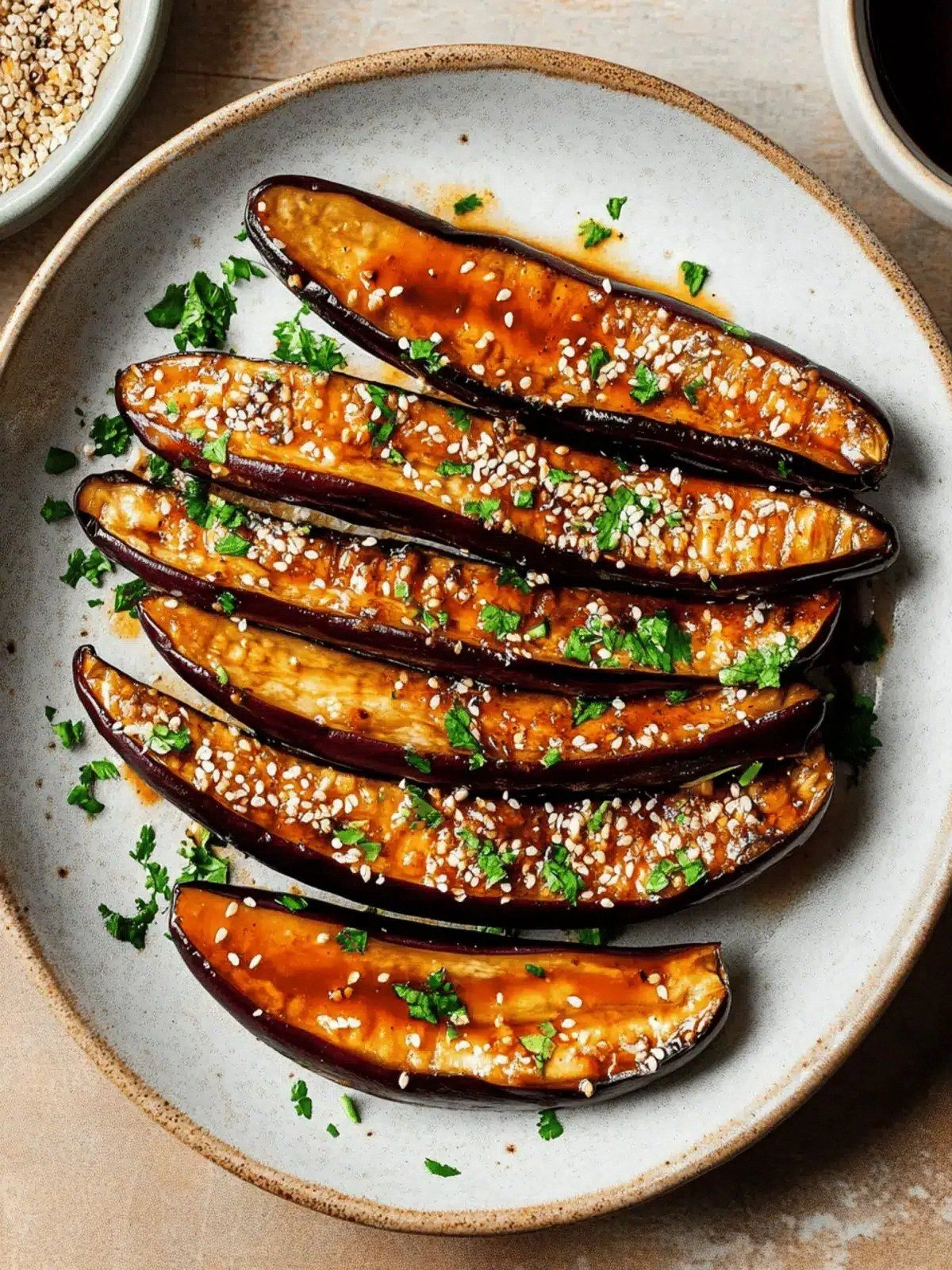
What makes this version stand out is not just the crunch; it’s the sauce that follows, a miso‑gochugaru glaze that coats the eggplant like velvet, adding depth, heat, and umami that lingers on the palate. The secret lies in the balance: a splash of soy sauce for saltiness, a touch of sugar to caramelize, and miso for savory complexity. I dare you to taste this and not go back for seconds because the flavors mingle in a way that feels like a well‑orchestrated symphony. Most recipes get this completely wrong by over‑seasoning or under‑cooking the eggplant, but here every bite is a revelation. Picture yourself pulling this out of the air fryer, the whole kitchen smelling incredible, and realizing you’ve just invented your new go‑to comfort dish.
If you’ve ever struggled with getting eggplant to crisp up properly, you’re not alone—and I’ve got the fix. The key is the cornstarch slurry that forms a protective barrier, preventing the eggplant from absorbing too much oil and turning soggy. Another twist is the miso‑gochugaru sauce that adds a sweet, smoky punch without overpowering the subtle eggplant flavor. The result is a dish that feels both indulgent and healthy, a perfect balance for a quick weeknight dinner or a crowd‑pleasing appetizer. Let me walk you through every single step — by the end, you’ll wonder how you ever made it any other way.
What Makes This Version Stand Out
- Texture: The air fryer creates a crispy crust while keeping the interior tender, a contrast that satisfies both the crunch lovers and the soft‑tissue aficionados.
- Flavor Depth: The miso‑gochugaru glaze layers umami, heat, and a subtle sweetness that elevates the humble eggplant into a gourmet experience.
- Speed: From prep to plating, the entire process takes less than 45 minutes, making it a perfect quick‑fire dinner.
- Health Conscious: With minimal oil and a high protein miso base, this dish stays lean without sacrificing taste.
- Versatility: It serves as a main, a side, or an appetizer, adapting to any menu with ease.
- Make‑Ahead Friendly: The coated eggplant can be air‑fried ahead of time and reheated without losing crunch.
Alright, let’s break down exactly what goes into this masterpiece, and trust me, each component is a star in its own right.
The Flavor Base
The flavor base starts with a simple yet powerful blend of soy sauce, miso, sugar, and gochugaru. Soy sauce provides the essential saltiness, while miso adds a deep umami that’s almost chocolatey in its richness. The sugar caramelizes during the air frying, giving the sauce a glossy finish that glides over each slice. Gochugaru, the Korean chili flakes, injects a gentle heat that lingers on the tongue, balancing the sweetness without overwhelming the dish.
If you’re averse to the heat, reduce the gochugaru to half a tablespoon or swap it for a milder pepper like paprika. The miso’s umami can also be replaced with a vegan fish sauce for a briny twist. Remember, the sauce is the soul of this dish; don’t skimp on it, because a thin, bland coating will make even the crispest eggplant feel flat.
The Texture Crew
Cornstarch is the unsung hero that gives the coating its crunch. When mixed with water, it forms a light, airy batter that adheres to the eggplant and, once fried, turns into a golden shell. The key is to keep the slurry thin enough to coat evenly but thick enough to hold the coating during cooking. If you find the coating too runny, add a splash more cornstarch; if too thick, thin it with a teaspoon of water.
The olive oil is a subtle but essential component. It prevents the coating from sticking to the air fryer basket and adds a hint of fruity richness. Use a high‑smoke‑point oil like avocado or light olive oil to keep the flavor bright. If you’re strictly vegan, a neutral oil such as grapeseed works just as well.
The Unexpected Star
The garlic is minced into fine pieces, releasing its aromatic oils without overwhelming the dish. The garlic’s warmth complements the miso’s earthiness, creating a layered flavor profile. For a more pronounced garlic bite, you can lightly sauté the minced garlic in olive oil before adding it to the sauce. Alternatively, a pinch of garlic powder can be added for a subtler note.
The sea salt is the final seasoning that brings all the elements together. It’s added at the end of the cooking process to ensure the coating remains crisp and the flavors don’t get lost in the heat. If you prefer kosher salt, it works just as well, but be mindful of the grain size, as it can affect the coating’s texture.
The Final Flourish
To finish, toasted sesame seeds and sliced scallions (or chives) add a nutty crunch and a fresh, oniony brightness. The sesame seeds provide a subtle nutty undertone that pairs beautifully with the miso’s depth, while the scallions add a bright, almost citrusy note that lifts the dish. If you’re vegan, you can substitute scallions with a handful of fresh cilantro for a different aromatic dimension.
Everything’s prepped? Good. Let’s get into the real action, where the magic happens.
The Method — Step by Step
- First, slice the eggplant into 1/2‑inch thick rounds. Rinse them under cold water to remove any surface grit, then pat them dry with a paper towel. This step ensures the coating will stick evenly and the slices won’t steam instead of crisp. I always keep a bowl of ice water ready to keep the slices cool during prep.
- Next, whisk together 1 cup of water and 2 tablespoons of cornstarch until the mixture is smooth and free of lumps. The slurry should be thin enough to coat the surface but thick enough to hold when it hits the hot air fryer. If the mixture looks too runny, add a teaspoon of cornstarch; if too thick, add a splash of water.
- In a separate bowl, combine 2 tablespoons of extra‑virgin olive oil, 2 minced garlic cloves, 3 tablespoons of soy sauce, 1 tablespoon of gochugaru, 1 tablespoon of sugar, and 3 tablespoons of white miso. Whisk until the miso dissolves completely, creating a glossy, fragrant sauce. This sauce will be brushed over the eggplant after air frying.
- Dip each eggplant slice into the cornstarch slurry, letting excess drip off. Then lay them on a wire rack set over a baking sheet to drain for about 5 minutes. This step prevents excess moisture from steaming the slices in the air fryer, ensuring a crisp finish.
- Preheat the air fryer to 200°C (400°F) for 3 minutes. Once hot, place the coated eggplant slices in a single layer in the basket, making sure they don’t overlap. If your air fryer is small, cook in batches to avoid overcrowding.
- Air fry for 10 minutes, then flip each slice and cook for an additional 5–7 minutes until golden brown and crisp. The edges should start pulling away slightly, and the aroma will turn from raw to toasted, indicating perfect caramelization.
- While the eggplant cooks, heat a small saucepan over medium heat and pour in the miso‑gochugaru sauce. Stir constantly until the sauce thickens and becomes glossy, about 3 minutes. The sauce should coat the back of a spoon without dripping.
- Once the eggplant is done, transfer it to a serving bowl and drizzle the thickened sauce over the top. Toss gently to ensure each slice is evenly coated, but be careful not to break the crispy edges.
- Sprinkle 2 tablespoons of toasted sesame seeds over the dish for a nutty crunch and 2 tablespoons of sliced scallions for a fresh, bright finish. These final touches elevate the dish from simple to spectacular.
- Serve immediately while the eggplant is still warm and the coating is at its crispiest. Pair with a side of steamed rice or a crisp salad to balance the richness.
- If you’re preparing ahead, let the dish cool completely, then refrigerate in an airtight container for up to 3 days. When reheating, pop it in the air fryer at 180°C (350°F) for 4–5 minutes to restore crunch.
- For an extra burst of flavor, drizzle a tablespoon of sesame oil over the finished dish before serving. The oil adds a silky sheen and intensifies the sesame seeds’ nuttiness.
Insider Tricks for Flawless Results
The Temperature Rule Nobody Follows
Most people set the air fryer too low, resulting in under‑cooked, soggy slices. The trick is to preheat to 200°C (400°F) and keep the temperature steady. A higher heat ensures the exterior crisps quickly, sealing in moisture. If your air fryer lacks a preheat function, simply run it empty for 3 minutes before adding the eggplant.
Why Your Nose Knows Best
Close your eyes and sniff the air as the eggplant cooks. The moment the aroma shifts from raw to toasted, you’re in the sweet spot. I’ve found that the scent of caramelized sugar in the sauce signals that the glaze has thickened enough to coat without dripping. Trust your nose; it’s the best judge of readiness.
The 5‑Minute Rest That Changes Everything
After air frying, let the eggplant rest on a wire rack for 5 minutes. This pause allows steam to escape, preventing the coating from becoming soggy. It also gives the sauce time to set, creating a glossy, clingy glaze that sticks to the crispy surface.
Use a Non‑Stick Basket for Even Cooking
If your air fryer basket tends to stick, spray it lightly with non‑stick cooking spray before adding the slices. This ensures an even release and keeps the coating from tearing when you flip the eggplant. It also makes cleanup a breeze.
Make‑Ahead and Reheat Like a Pro
Air‑fried eggplant can be stored in the fridge and reheated in the air fryer. Heat at 180°C (350°F) for 4–5 minutes to revive the crispness. Add a splash of water before reheating to keep the slices from drying out; the steam will restore moisture while preserving crunch.
Why Your Friends Will Be Begging for Seconds
The combination of a crunchy exterior, a silky interior, and a sauce that coats like velvet makes this dish impossible to resist. I’ve had friends say they never wanted to finish the plate, and I’ve been caught in the act of snatching a second slice. It’s a guaranteed crowd‑pleaser that turns any gathering into a culinary celebration.
Creative Twists and Variations
This recipe is a playground. Here are some of my favorite ways to switch things up:
Spicy Kimchi Twist
Swap the miso glaze for a kimchi puree, and add a dash of gochujang for extra heat. The fermented tang of kimchi complements the eggplant’s mildness, creating a dish that’s both spicy and savory. Serve with a sprinkle of toasted sesame seeds for crunch.
Herb‑Infused Delight
Add a handful of fresh basil or mint to the sauce for a bright, aromatic finish. The herbs cut through the richness and add a refreshing note, making the dish perfect for a warm summer evening.
Cheesy Vegan Upgrade
After air frying, sprinkle vegan mozzarella over the top and pop it back into the air fryer for 2 minutes until melted. The gooey cheese layer creates a decadent contrast to the crispy eggplant, turning the dish into a hearty main course.
Crunchy Panko Crust
Instead of cornstarch, coat the eggplant in panko breadcrumbs mixed with a touch of nutritional yeast. This gives a lighter, crunchier texture and a cheesy flavor that pairs well with the miso glaze.
Sweet and Savory Glaze
Replace the sugar with maple syrup and add a pinch of cinnamon to the sauce. The sweet, warm spices create a comforting flavor profile that’s perfect for a cozy night in.
Gluten‑Free Version
Use a gluten‑free cornstarch blend or a rice flour coating to keep the dish gluten‑free. The texture remains crisp, and the flavor stays intact, making it a safe choice for those with dietary restrictions.
Storing and Bringing It Back to Life
Fridge Storage
Store the cooled dish in an airtight container in the refrigerator for up to 3 days. The coating may soften slightly, but a quick reheat will restore crunch. Keep the sauce separate if you’re storing a large batch; this prevents the coating from becoming soggy.
Freezer Friendly
Freeze individual slices or the entire dish in a freezer‑safe bag for up to 2 months. Thaw in the refrigerator overnight and reheat in the air fryer at 180°C (350°F) for 5 minutes to revive the crispness. Avoid microwaving, as it will steam the coating.
Best Reheating Method
The secret to reheating is to add a splash of water to the air fryer basket before placing the eggplant. The steam will keep the interior moist while the air fryer restores the exterior crunch. If you’re short on time, a quick 2‑minute blast at 200°C (400°F) will do the trick.
So there you have it—an eggplant dish that’s crispy, savory, and utterly addictive. Whether you’re a seasoned chef or a kitchen rookie, these steps and hacks will guide you to a flawless result every time. Now, grab your air fryer, and let the culinary adventure begin.