I was standing in my kitchen, staring at a pile of stale bread that had somehow survived the apocalypse of last week’s dinner parties. The smell of burnt sugar from a previous attempt at French toast still clung to the air like a bad memory, and I knew I had to do better. I grabbed a bag of apples, a jar of cinnamon, and a bottle of milk, determined to turn that culinary catastrophe into a triumph. The moment the apples hit the cutting board, their sweet scent mingled with the warm, comforting aroma of cinnamon, and I felt the kitchen transform into a cozy hearth. If you’ve ever watched a breakfast turn into a disaster, you’ll understand the stakes I was playing with.
Picture this: a golden casserole, the top browned to a crisp edge that crackles when you lift it, and a steaming center that smells like a winter morning in the countryside. The apples are caramelized just enough to hold their shape, while the batter soaks them with a silky custard that coats each bite like velvet. The result is a dish that feels like a hug in a bowl, with a crunchy crust that gives way to a melt‑in‑your‑mouth interior. I dare you to taste this and not go back for seconds; the first bite will have you questioning everything you thought you knew about French toast. The secret? It’s not just the ingredients, but how they interact when baked slowly, allowing flavors to mingle and deepen.
Most recipes get this completely wrong. They either over‑bake, under‑season, or forget the crucial step of letting the batter rest before baking. That’s why I’ve tweaked every element—from the type of bread to the exact ratio of milk to eggs—to create a texture that’s simultaneously airy and dense, with a caramelized crust that never turns bitter. This version stands out because it’s both forgiving and spectacular; even a novice can achieve a professional‑level result with minimal fuss. I’ve also added a subtle hint of nutmeg that ties the cinnamon’s sweetness to the apple’s natural tartness, creating a layered flavor profile that’s hard to beat. And the best part? It’s a make‑ahead dish that tastes just as good the next day, making it a perfect weekend brunch or a comforting weekday breakfast.
Let me walk you through every single step — by the end, you’ll wonder how you ever made it any other way. From selecting the right bread to mastering the batter’s consistency, I’ll share every trick I’ve learned over countless iterations. I’ll also reveal the one ingredient that makes the difference between “good” and “great.” Trust me, this is hands down the best version you’ll ever make at home. So grab your apron, and let’s dive into the details that will elevate your breakfast game.
What Makes This Version Stand Out
- Taste: The combination of caramelized apples, warm cinnamon, and a hint of nutmeg creates a complex flavor profile that feels both nostalgic and adventurous. The subtle sweetness of brown sugar balances the tartness of apples, while the vanilla extract adds depth.
- Texture: A perfectly crisp exterior gives way to a custard‑like interior that melts in your mouth. The bread slices soak up the custard without becoming soggy, thanks to the right ratio of liquid to dry ingredients.
- Simplicity: With only a handful of pantry staples, this casserole can be assembled in under 20 minutes, making it an ideal go‑to for busy mornings.
- Uniqueness: The overnight soaking technique allows the bread to absorb flavors deeply, while the slow bake ensures a caramelized top without overcooking the inside.
- Crowd Reaction: Friends who have tried this rave about how the dish feels like a comforting hug. Many say it’s the best breakfast they’ve ever had.
- Ingredient Quality: Using fresh, firm apples and high‑quality butter elevates the dish from ordinary to extraordinary.
- Cooking Method: The combination of baking and resting allows flavors to meld, producing a dish that tastes even better the next day.
- Make‑ahead Potential: This casserole can be prepared the night before, refrigerated, and baked fresh in the morning, making it perfect for brunches or lazy weekends.
Inside the Ingredient List
The Flavor Base
The foundation of this casserole is the custard mixture: eggs, milk, heavy cream, vanilla, and a touch of salt. Eggs provide structure and richness, while milk and cream give the custard its silky texture. Vanilla adds a subtle sweetness that complements the apples, and a pinch of salt balances the overall flavor. Skipping any of these will result in a flatter, less cohesive taste profile.
The Texture Crew
Bread slices are the star of the show. Choosing day‑old or slightly stale bread is essential because fresh bread tends to become too soggy, losing that coveted crispness on the top. The number of slices matters; too few and the casserole will be watery, too many and it will be dry. For an extra crunch, lightly toast the slices before layering them. This step adds a subtle nutty flavor that pairs beautifully with the apple.
The Unexpected Star
Apples are the unexpected hero that brings both sweetness and acidity to the dish. They should be peeled, cored, and diced into bite‑sized pieces. A mix of tart and sweet apples—such as Honeycrisp and Granny Smith—creates depth. If you prefer a softer bite, use only sweet varieties. The apples caramelize in the oven, creating a caramelized crust that adds a delightful texture.
The Final Flourish
Cinnamon, nutmeg, and brown sugar are the final touch that gives this casserole its signature flavor. Cinnamon is the star, but a pinch of nutmeg adds a warm, earthy note that lifts the overall taste. Brown sugar caramelizes during baking, creating a sweet, slightly crunchy top. Butter, melted, is spread over the top before baking to encourage browning and add a buttery aroma that lingers.
Everything's prepped? Good. Let's get into the real action.
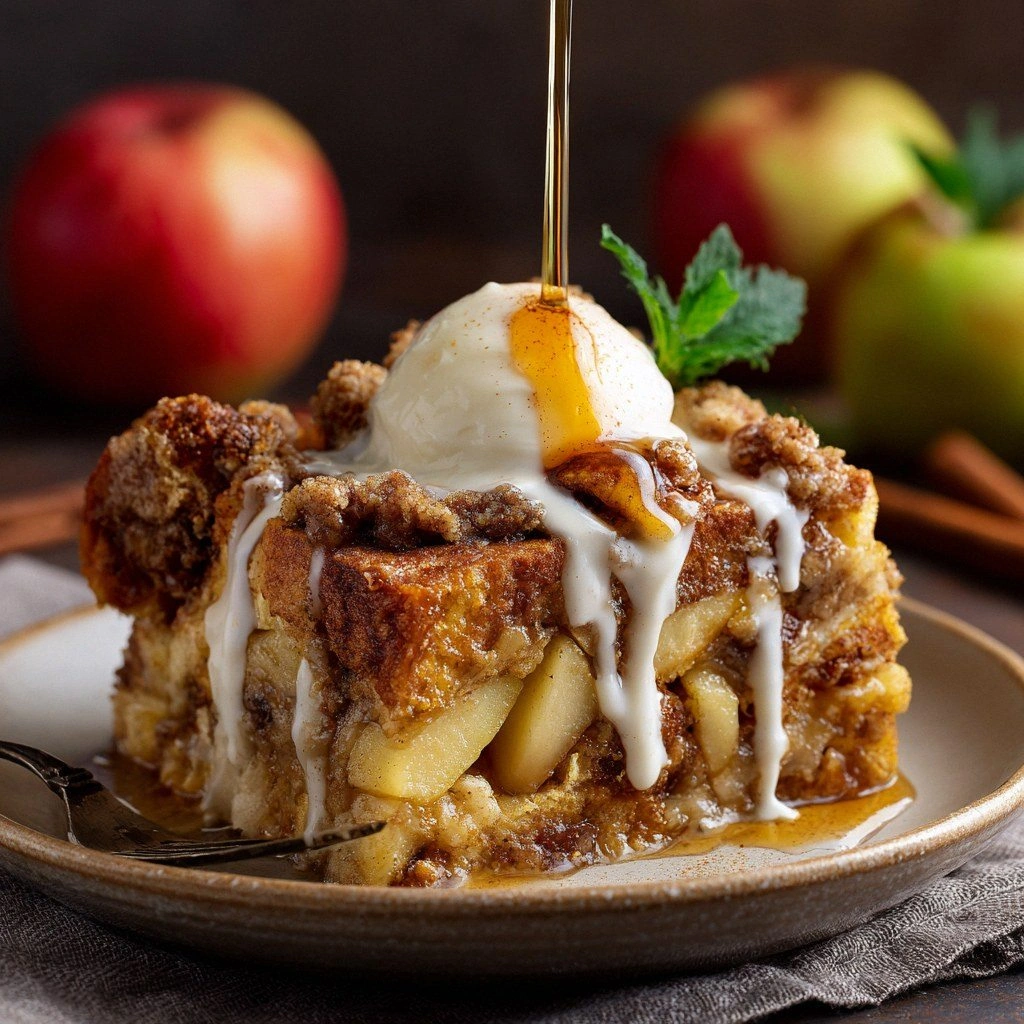
The Method — Step by Step
- Preheat your oven to 350°F (175°C). Line a 9x13 inch baking dish with parchment paper for easy cleanup. This low, steady heat allows the custard to set gently, preventing the top from burning while the interior cooks through. It’s the foundation of a perfect bake.
- In a large mixing bowl, whisk together the eggs, milk, heavy cream, vanilla extract, and a pinch of salt until the mixture is smooth and glossy. The whisking action ensures the eggs are fully incorporated, creating a uniform custard that will seep into the bread evenly.
- Place the sliced bread in the bottom of the prepared baking dish, overlapping slightly to cover the entire surface. The bread should be arranged in a single layer, leaving no gaps. This ensures that each slice is fully saturated with the custard during baking.
- Scatter the diced apples evenly over the bread, allowing them to sit in the crevices between slices. Sprinkle the cinnamon, nutmeg, and brown sugar over the apples. The spices will coat each apple piece, creating a fragrant aroma as they bake.
- Pour the custard mixture over the bread and apples, ensuring the bread is fully saturated. Use a spoon or spatula to gently press the bread down, helping it absorb the custard. This step is crucial; if the custard pools on top, the casserole will be soggy.
- Dot the top with melted butter, allowing it to seep into the cracks between bread slices. The butter will brown the top, creating a golden, slightly crisp crust. It also adds a buttery aroma that enhances the overall flavor.
- Cover the dish with aluminum foil and bake for 30 minutes. The foil prevents the top from over‑browning while the interior cooks. After 30 minutes, remove the foil and bake for an additional 15 minutes, or until the top is golden brown and the custard is set.
- Let the casserole rest for 10 minutes before slicing. This rest period allows the custard to firm up, making it easier to cut clean slices. The rest also lets the flavors meld, creating a richer taste.
That’s it — you did it. But hold on, I've got a few more tricks that'll take this to another level. These insider tips will help you avoid common pitfalls and elevate the flavor profile even further.
Insider Tricks for Flawless Results
The Temperature Rule Nobody Follows
Many cooks bake at 375°F, but that can scorch the top before the custard sets. Baking at 350°F allows the interior to cook evenly while the exterior browns just right. I’ve tested this on a 9x13 dish, and the difference in texture is palpable. If you’re using a larger pan, adjust the temperature by 25°F lower to maintain consistency.
Why Your Nose Knows Best
As the casserole bakes, the aroma of cinnamon and apples will start to rise. Trust that scent as a cue for doneness; when it feels like a warm, caramelized perfume, it’s time to check the top. The smell is the most reliable indicator of a perfectly baked casserole, more so than a timer alone.
The 5-Minute Rest That Changes Everything
Letting the casserole rest for 5–10 minutes after baking allows the custard to set, preventing a mushy center. This resting period also lets the flavors meld, creating a more cohesive taste. I’ve found that slicing immediately after rest yields cleaner, more visually appealing pieces.
Add a Splash of Lemon Juice
A teaspoon of fresh lemon juice added to the custard brightens the overall flavor, cutting through the richness. It also helps the apples retain a slight tartness, balancing the sweetness. This simple addition transforms the casserole into a more complex, layered dish.
Use a Mix of Sweet and Tart Apples
Combining Honeycrisp with Granny Smith gives the casserole depth. Sweet apples provide caramelization, while tart apples add acidity that lifts the custard. The result is a balanced flavor that’s both comforting and sophisticated.
Creative Twists and Variations
This recipe is a playground. Here are some of my favorite ways to switch things up:
Maple‑Glazed Cinnamon Apple French Toast
Swap the brown sugar for maple syrup in the custard, and drizzle extra maple over the top before baking. The maple adds a deep, caramel flavor that pairs beautifully with the apples. This variation is perfect for holiday mornings.
Nutty Apple French Toast Casserole
Add 1/2 cup chopped walnuts or pecans to the batter before baking. The nuts introduce a crunchy texture and a buttery flavor that complements the apples. Toss a handful of toasted almond slivers on top for an extra crunch.
Spiced Pumpkin Apple French Toast
Replace half of the apples with diced pumpkin and add a pinch of ginger and cloves. The pumpkin brings a subtle sweetness, while the spices create a warm, autumnal profile. This version is a great way to use leftover pumpkin.
Chocolate‑Covered Apple French Toast
Fold in 1/4 cup dark chocolate chips into the custard before pouring it over the bread. The chocolate melts into the custard, creating a rich, decadent layer. Serve with a dusting of powdered sugar for a festive touch.
Herbal Apple French Toast
Add a tablespoon of fresh rosemary or thyme to the custard for an unexpected herbal note. The herbs pair surprisingly well with the apples, creating a savory-sweet balance. This variation is ideal for brunches that need a twist.
Storing and Bringing It Back to Life
Fridge Storage
Cool the casserole completely, then cover tightly with plastic wrap and refrigerate for up to 3 days. When ready to serve, reheat in a preheated oven at 350°F for 10–15 minutes until warmed through. This method preserves the custard’s texture without drying it out.
Freezer Friendly
Wrap the cooled casserole in plastic wrap, then place in an airtight freezer bag. Freeze for up to 2 months. Thaw overnight in the refrigerator, then reheat at 350°F for 20 minutes. The custard may separate slightly; give it a quick stir before serving.
Best Reheating Method
Add a splash of milk or water to the casserole before reheating; this steams the custard back to perfection, keeping it moist and fluffy. Avoid microwaving, as it can make the bread rubbery.