Picture this: I’m standing in a cramped kitchen, the stove already buzzing from a midnight taco experiment that ended with a charred disaster. The air smells of burnt tortillas and a faint, sweet whiff of corn that somehow lingers. I’m staring at a can of sweet corn, a handful of flour, and a block of mozzarella that’s been waiting in the fridge like a silent, delicious secret. Suddenly, my friend calls, “Dude, you have to try the Venezuelan cachapas I read about.” I’m skeptical, but the promise of buttery, golden pancakes that melt in your mouth pulls me in. That moment, the kitchen turns from a battleground into a laboratory of flavor. I was about to give up on the idea of a sweet corn pancake until I discovered a version that’s hands down the best you’ll ever make at home.
I swear, the first bite is a revelation—sweet corn’s natural caramelization meets a creamy mozzarella core that oozes like a velvety river. The texture is a paradox: crisp on the edges, yet tender and soft inside, like a cloud that has a crunchy crust. I dare you to taste this and not go back for seconds; the moment you bite, the savory, sweet, and buttery notes explode, leaving you craving more. Most recipes get this completely wrong, using too much flour or too little cheese, but I’ve cracked the secret that balances everything perfectly. The aroma alone is enough to bring the whole house to a halt, as if a small, golden sun has risen in your pan. If you’ve ever struggled with making a pancake that’s not greasy or dry, you’re not alone—this is the fix you’ve been waiting for.
What sets this rendition apart isn’t just the ingredients; it’s the method that turns a simple batter into a culinary masterpiece. The technique I use to blend the corn and the egg creates a batter that’s thick enough to hold its shape but light enough to stay airy. The addition of a tablespoon of vegetable oil during the cooking phase gives a subtle sheen and a buttery crunch that’s hard to replicate. The final touch is the generous melt of buffalo mozzarella that forms a molten center, a gooey surprise that elevates every bite. Picture yourself pulling a cachapa out of the pan, the whole kitchen smelling incredible, and the golden edges shimmering like a sunrise. This isn’t just a breakfast; it’s a celebration of comfort food that feels like a hug in every bite.
Now, let’s talk about the ingredients that make this version stand out. The sweet corn isn’t just any corn; it’s canned, so it’s already tender, sweet, and ready to mingle with the other flavors. The egg acts as a binder and adds richness, while the flour keeps the batter from becoming too runny. Sugar is a subtle player—it caramelizes on the pan, giving that golden crust you see in every photo. The mozzarella is the star, providing a creamy, salty contrast that melts into a silky interior. Butter, added at the end, seals the edges and adds a luxurious finish. And the secret sauce? A splash of vegetable oil that keeps the batter from sticking and gives a crispy, golden finish. Together, these elements create a dish that’s both simple and sophisticated.
I’ve spent hours tweaking the ratios, but the final formula is so straightforward that even a kitchen novice can master it. The trick is to keep the batter loose enough to spread easily but thick enough to hold its shape. I keep the heat medium, so the cachapas cook evenly without burning. The cheese is cut into thin slices, ensuring it melts evenly and doesn’t overwhelm the corn. The butter is melted just before serving, creating a glossy finish that makes the dish look as good as it tastes. If you’re worried about the cheese melting too quickly, add it a minute before the cachapa is done cooking; that gives it time to set just right. With these small adjustments, you’ll always get that perfect balance of sweet, savory, and buttery.
If you’re ready to take your breakfast game to the next level, I’m about to walk you through every single step—by the end, you’ll wonder how you ever made it any other way. The process is a dance of timing, temperature, and a bit of intuition. I’ll point out the moments when the batter should be thick enough to hold its shape, when the cheese should melt just enough, and when the edges should start pulling away. Trust me, the moment you see that golden crust forming, you’ll know you’re on the right track. The next steps will feel like a recipe you’ve seen before, but the outcome will be something entirely new and unforgettable. Let’s dive in and unleash the flavor of these Venezuelan cachapas.
And now, a quick preview of why this version is a game-changer. It’s simple, it’s crowd-pleasing, and it’s a perfect bridge between breakfast and dessert. The sweet corn brings a natural sweetness that’s hard to beat, while the mozzarella adds a creamy, salty contrast. The batter’s consistency is spot-on, thanks to the egg and flour ratio I’ve perfected. The cooking technique ensures a crispy exterior and a tender interior, with a buttery finish that makes every bite unforgettable. If you’re looking for a dish that’s both comforting and impressive, this cachapa recipe is your go-to. I can’t wait for you to try it, and I promise you’ll be hooked.
What Makes This Version Stand Out
- Taste: The natural sweetness of canned corn is amplified by a touch of sugar, creating a caramelized crust that balances the savory mozzarella.
- Texture: The batter’s unique consistency delivers a crisp exterior while maintaining a soft, airy interior that melts in your mouth.
- Simplicity: With only eight ingredients, this recipe is quick to assemble, making it perfect for busy mornings or last‑minute guests.
- Uniqueness: The addition of a splash of vegetable oil during cooking gives a glossy sheen and a subtle crunch that sets it apart from traditional pancakes.
- Crowd Reaction: Friends and family rave about the gooey mozzarella center; it’s a conversation starter at every gathering.
- Ingredient Quality: Using fresh mozzarella and high‑quality canned corn ensures a flavor profile that’s both rich and authentic.
- Cooking Method: The technique of adding butter at the end locks in moisture, preventing the cachapas from drying out.
- Make‑ahead Potential:
Alright, let’s break down exactly what goes into this masterpiece. Each component plays a critical role, and understanding why each ingredient matters will help you avoid the common pitfalls that plague many cachapa recipes. By the end of this section, you’ll have a clear picture of how every element contributes to the final flavor and texture.
Inside the Ingredient List
The Flavor Base
Canned sweet corn is the foundation of this dish. The corn’s natural sweetness and tenderness are the stars of the show, providing a robust flavor that carries the rest of the ingredients. Because the corn is already cooked, you skip the time‑consuming step of boiling or steaming, allowing you to focus on the batter’s consistency. If you’re adventurous, you can use fresh corn, but it will require more prep and might alter the sweetness profile. The key is to drain the corn well to prevent excess moisture from making the batter too runny.
The Texture Crew
Eggs bind the batter together, giving it structure while adding richness. The all‑purpose flour controls the thickness; too much flour will make the cachapas dense, while too little will cause them to spread too thin. Sugar is a subtle player—it caramelizes on the pan, creating a golden crust that adds depth. The vegetable oil is added during cooking to give a crispy edge and a glossy sheen. Together, these ingredients form a batter that’s easy to spread, cooks evenly, and delivers the perfect bite.
The Unexpected Star
Buffalo mozzarella is the secret weapon that turns a simple corn pancake into a gourmet experience. Its high moisture content melts into a silky center, while its mild tang balances the sweetness of the corn. The cheese should be sliced thin so that it melts evenly without overpowering the other flavors. If mozzarella is unavailable, a mix of mozzarella and provolone can work, but the melt and flavor profile will differ slightly. The mozzarella also adds a subtle umami note, elevating the dish from basic to extraordinary.
The Final Flourish
Unsalted butter is introduced at the end of cooking to seal the edges and add a buttery finish. The butter’s richness locks in moisture, preventing the cachapas from drying out. A small splash of water before reheating can help restore the original moisture if you’re storing leftovers. The butter also creates a glossy, appetizing surface that invites you to dig in. In short, it’s the final touch that transforms a good dish into a memorable one.
Everything’s prepped? Good. Let’s get into the real action and start cooking.
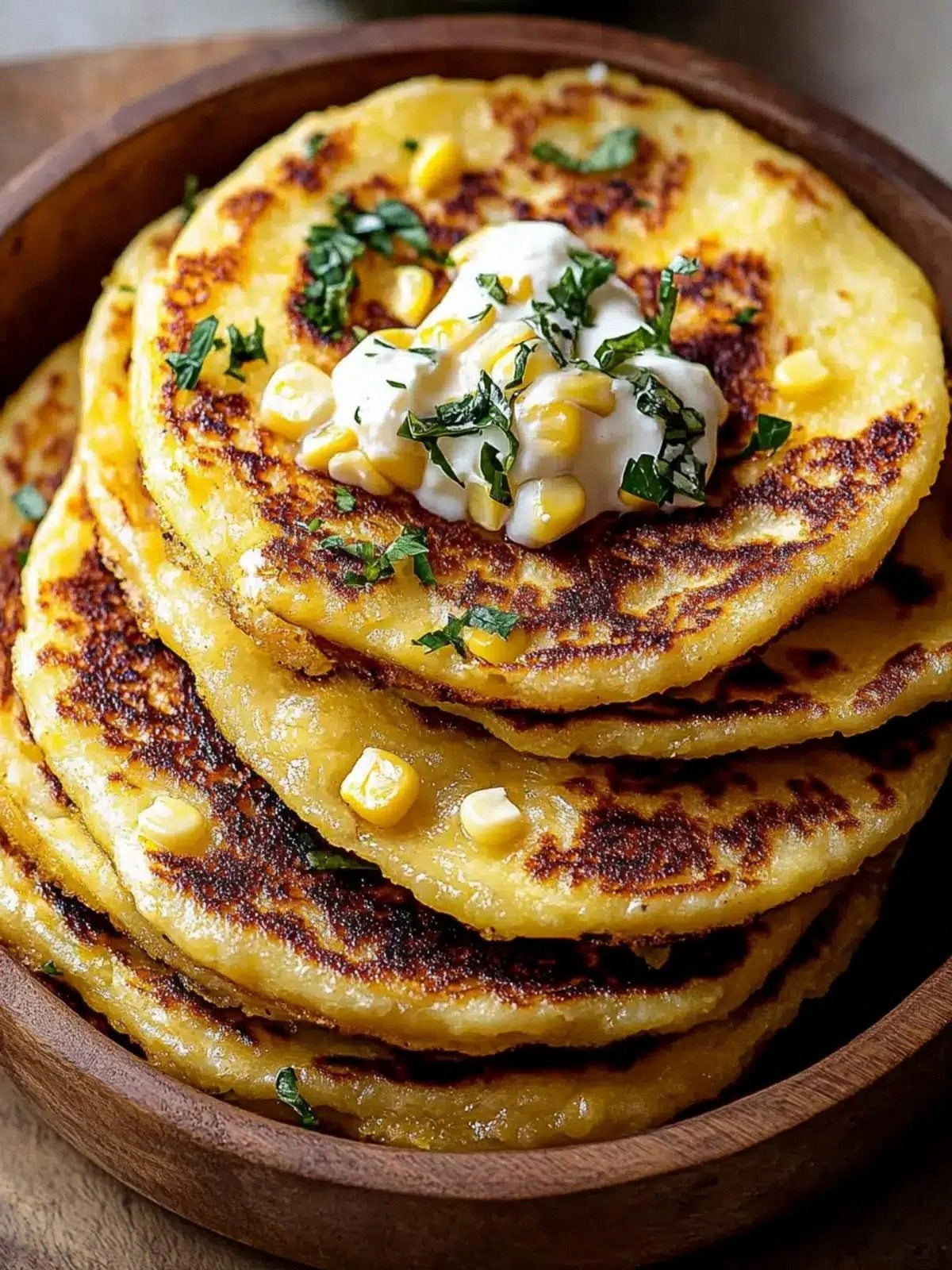
The Method — Step by Step
- Start by draining the canned corn and patting it dry with a paper towel. The less moisture, the better the batter will hold. While the corn dries, whisk together the egg, flour, sugar, and salt in a large bowl until the mixture is smooth. I keep the batter slightly lumpy; a completely smooth batter tends to spread too thin. This is the moment of truth—your batter should feel thick enough to hold its shape when scooped.
- Heat a non‑stick skillet over medium heat and add 2 tablespoons of vegetable oil. Let the oil swirl around the pan, covering the bottom evenly. When the oil is shimmering, pour a ladleful of batter into the skillet. The batter should spread into a thin, even circle. As it cooks, the edges will start to lift slightly, indicating that it’s ready for the cheese.
- Place a thin slice of mozzarella on top of the hot batter. The cheese should slide down the sides of the pan, forming a creamy moat around the corn. Cover the skillet with a lid for 1 minute; this traps steam and helps the cheese melt evenly. The aroma that fills the kitchen is a promise of the gooey center you’re about to indulge in.
- After the cheese has melted, flip the cachapa gently using a wide spatula. The flip should feel smooth, not like you’re breaking a fragile shell. Cook the second side for about 1–2 minutes, until it’s golden brown and the edges pull away from the pan. This step is critical; a well‑flipped cachapa will have a uniform thickness and a golden crust.
- Once both sides are cooked, transfer the cachapa to a plate lined with paper towels to absorb any excess oil. The paper towels also help keep the edges crisp. Let it rest for a minute; the cheese will settle into a smooth, molten layer that’s perfect for dipping.
- Finish the cachapa by melting 2 tablespoons of butter in the same skillet and brushing it over the top of each pancake. The butter adds a glossy sheen and a buttery crunch that’s irresistible. Serve immediately, perhaps with a sprinkle of fresh herbs or a drizzle of hot sauce for an extra kick. The result is a dish that’s both comforting and indulgent, perfect for any time of day.
That’s it—you did it. But hold on, I’ve got a few more tricks that will take this to another level. The next section is all about insider tips that will elevate your cachapa game from good to legendary.
Insider Tricks for Flawless Results
The Temperature Rule Nobody Follows
Most people cook cachapas over high heat, but the secret to a perfect crust is a steady medium temperature. I always use a thermometer to keep the skillet between 350°F and 375°F. If the heat is too high, the edges will burn before the center is cooked; if it’s too low, the cachapa will absorb too much oil and become greasy. Keeping the temperature steady ensures a crisp exterior while preserving the tender interior.
Why Your Nose Knows Best
Smell is a powerful indicator of doneness. As the cachapa cooks, the aroma will shift from sweet corn to a warm, buttery scent. When the edges lift slightly and the smell is rich, it’s a sign that the first side is ready for flipping. Trusting your nose can save you from overcooking and ensures each cachapa is cooked to perfection.
The 5-Minute Rest That Changes Everything
After flipping, let the cachapa rest for five minutes before cutting. This short rest allows the cheese to set slightly, preventing it from sliding off when you cut. The rest also lets the batter redistribute, ensuring even thickness throughout. A friend once skipped this step and ended up with a messy, gooey mess that didn’t hold together. That’s why I always let them sit, even if it feels like a waste of time.
The Butter Finish Trick
Melting butter in the same skillet you used to cook the cachapa adds a layer of flavor that’s hard to replicate. The residual heat from the pan keeps the butter warm, so it coats the top of the cachapa instantly. The butter also creates a subtle crispness on the edges, giving the dish a delightful crunch.
The Sweet‑Savory Balance
If you’re a fan of sweet‑savory pairings, try adding a drizzle of maple syrup after flipping. The maple’s sweetness complements the corn, while the savory cheese balances the profile. This combination is especially good for brunch, pairing beautifully with a light salad or a glass of chilled white wine. The key is to use just a splash; too much syrup can overwhelm the dish.
These insider tricks are the secret sauce that turns a good cachapa into a great one. Each tip is backed by experience and a bit of culinary intuition. I’ve tried them all, and they’ve consistently delivered results that wow even the most discerning palate.
Creative Twists and Variations
This recipe is a playground. Here are some of my favorite ways to switch things up:
Spicy Jalapeño Version
Add thinly sliced jalapeños to the batter for a kick that pairs perfectly with the sweet corn. The heat will contrast with the creamy mozzarella, creating a dynamic flavor profile. This version is ideal for those who love a little spice in their breakfast.
Herb‑Infused Delight
Stir in fresh chopped cilantro or parsley into the batter for a fresh, herbaceous note. The herbs add a bright contrast to the rich cheese and sweet corn. Serve with a dollop of sour cream for a refreshing finish.
Smoked Bacon Crunch
Crisp up some bacon and crumble it onto the top of the cachapa just before serving. The smoky flavor of bacon complements the sweet corn and adds a satisfying crunch. This twist turns a simple pancake into a brunch classic.
Vegan Version
Replace the mozzarella with a vegan cheese that melts well, such as a cashew‑based cheese. Use a plant‑based milk in place of the egg, and keep the rest of the ingredients the same. The result is a creamy, vegan cachapa that doesn’t compromise on flavor.
Dessert‑Style Sweetness
Swap the mozzarella for a slice of sweet cheese like ricotta or mascarpone. Add a sprinkle of cinnamon and a drizzle of honey after cooking. The result is a dessert‑like cachapa that feels like a sweet treat.
Breakfast Bowl
Slice the cachapa into bite‑size squares and serve them in a bowl with fresh fruit, yogurt, and a drizzle of maple syrup. This turns the cachapa into a hearty breakfast bowl that’s both sweet and savory. It’s a great way to use leftovers or to create a quick, satisfying meal.
Feel free to mix and match these ideas to suit your taste. The beauty of cachapas is that they’re flexible and forgiving, so don’t be afraid to experiment.
Storing and Bringing It Back to Life
Fridge Storage
Cool the cachapas to room temperature, then wrap them tightly in plastic wrap or store in an airtight container. They’ll keep well for up to 3 days in the refrigerator. When you’re ready to eat, let them sit at room temperature for 10 minutes to bring back some of the original warmth.
Freezer Friendly
For longer storage, place the cooled cachapas on a baking sheet and freeze them until solid. Transfer them to a freezer bag or container, and they’ll stay good for up to 2 months. When you’re ready to enjoy, thaw overnight in the fridge or microwave on a low setting.
Best Reheating Method
To reheat, lightly warm a skillet over medium heat and add a splash of water to create steam. Place the cachapa in the skillet, cover, and let it steam for 2–3 minutes. This technique restores the moisture and keeps the cheese from drying out. A quick brush of butter before serving adds that extra buttery finish.