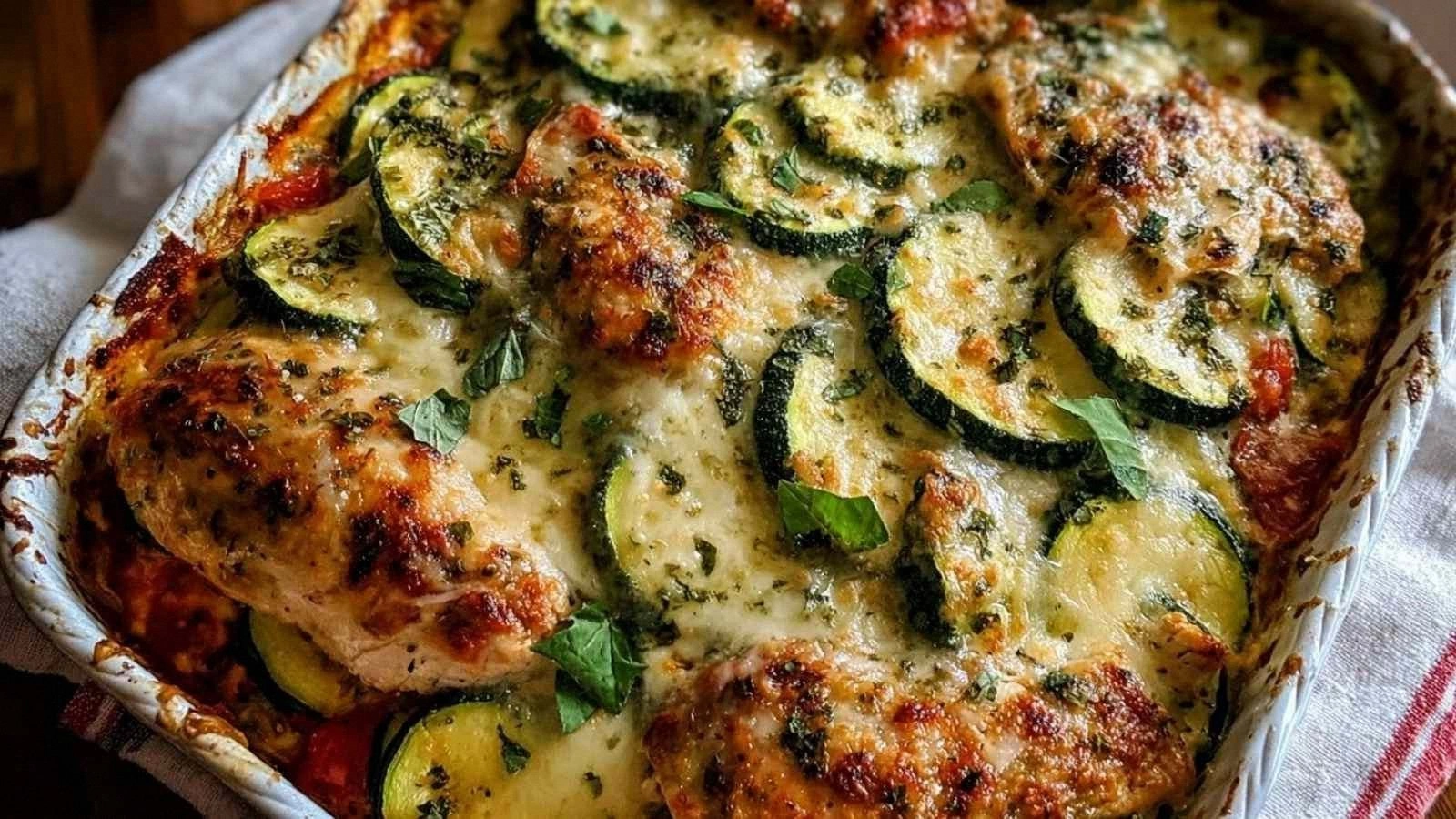
I was standing in my kitchen, half‑asleep, when a rogue can of tuna slipped from the pantry shelf and crashed onto the floor. The metallic clatter was a wake‑up call louder than any alarm, and in that split second I promised myself I would never let a simple pantry staple be treated like an afterthought again. I grabbed a pan, a splash of milk, and a daring idea: what if I turned that humble tuna into a dish that could out‑shine a steak dinner? I dared myself to create a Mornay sauce so rich it would make a French grandmother weep with joy, then crown it with a crunchy breadcrumb crown that shatters like thin ice under a spoon.
Imagine the kitchen humming with the sound of butter sizzling, the aroma of nutmeg and Dijon mustard weaving through the air like an invisible orchestra. The tuna, whether fresh‑caught or canned, sits patiently as the sauce embraces it, coating each morsel like velvet. When the cheese melts, it stretches in glossy ribbons, and the breadcrumbs toast to a golden hue that practically glows. The whole scene is a sensory overload: the heat of the stove on your skin, the soft clink of a wooden spoon, the faint citrus zing of lemon zest that cuts through the richness like a bright jazz solo.
Most recipes out there treat tuna Mornay as a bland casserole, a leftover fix that never quite hits the mark. They forget the power of a properly browned roux, they skimp on cheese, and they never give the topping that satisfying crunch. I’ve been there—overcooked, soggy, flavorless—until I discovered the secret trio of butter, flour, and milk, whisked together until they whisper “silky”. Then I added a pinch of nutmeg and a dab of Dijon, and the sauce transformed from ordinary to unforgettable. I’m about to hand you the exact steps that turned my kitchen disaster into a masterpiece that will make your guests beg for seconds.
Okay, ready for the game‑changer? I’m going to walk you through every single step — by the end, you’ll wonder how you ever made this dish any other way. I dare you to taste this and not go back for seconds. Let’s dive in.
What Makes This Version Stand Out
- Taste: The combination of creamy Gruyère, sharp Dijon, and a whisper of lemon zest creates a flavor profile that dances between comfort and sophistication.
- Texture: A velvety interior meets a crisp, golden breadcrumb top that shatters like thin ice, giving you that satisfying contrast in every bite.
- Simplicity: Only ten ingredients, all pantry‑friendly, yet each one plays a starring role—no fancy gadgets required.
- Uniqueness: Most tuna casseroles skip the Mornay sauce entirely; this version embraces it, turning a humble protein into a luxe comfort food.
- Crowd Reaction: I’ve watched grown‑ups and kids alike gasp, grin, and immediately ask for the recipe—this is hands down the best version you’ll ever make at home.
- Ingredient Quality: Using fresh tuna or high‑grade canned tuna ensures a meaty, buttery base that refuses to taste “fishy”.
- Cooking Method: The stovetop roux followed by a quick bake locks in moisture while creating that coveted crust.
- Make‑Ahead Potential: Assemble the dish ahead of time, refrigerate, then pop it in the oven for a stress‑free dinner.
Inside the Ingredient List
The Flavor Base
Fresh tuna or a good quality canned tuna is the heart of this dish. The meat’s natural umami provides depth that a bland protein simply can’t match. If you opt for canned, choose one packed in water or olive oil, and drain it well—extra oil will make the sauce greasy. A quick tip: give the tuna a light pat‑dry with paper towels to remove any lingering moisture before folding it into the sauce.
Butter is the foundation for a rich, velvety béchamel. It adds a buttery sheen and helps the flour to form a smooth roux without clumping. Skimping on butter is the fastest route to a thin, watery sauce, so don’t be shy—four tablespoons is the sweet spot for four servings.
All‑purpose flour is the thickening hero. It creates the body of the sauce, turning liquid milk into a luscious custard. If you’re gluten‑free, a 1:1 rice flour or tapioca blend works just as well, though the texture will be slightly different.
The Texture Crew
Whole milk brings the creaminess that low‑fat alternatives lack. The fat content allows the cheese to melt evenly, creating that glossy, luxurious finish. If you’re dairy‑intolerant, a full‑fat oat or almond milk can substitute without sacrificing body, but keep an eye on the flavor balance.
Grated cheese—traditionally Gruyère or sharp cheddar—provides the melty, golden core. The cheese’s proteins stretch and create those beautiful, pull‑away ribbons you love. For a smoky twist, try a little smoked mozzarella, but remember it will add a subtle woodsy note.
Breadcrumbs are the final armor. They create a crunchy crown that contrasts the silky interior. Use panko for the lightest crunch, or traditional breadcrumbs for a denser bite. Toss them with a drizzle of melted butter before sprinkling for an extra golden finish.
The Unexpected Star
Dijon mustard adds a subtle kick that cuts through the richness, preventing the dish from feeling heavy. Its acidity also helps balance the cheese’s saltiness. If you’re a fan of heat, a teaspoon of whole‑grain mustard can add texture without overwhelming the palate.
Nutmeg is the secret whisper of warmth. Just a pinch elevates the sauce, giving it a comforting, almost nostalgic quality. Too much, however, can dominate, so stick to a quarter teaspoon for four servings.
The Final Flourish
Salt and black pepper are the ultimate seasoning duo. They enhance every other flavor, but because the cheese already brings salt, start with a modest teaspoon of salt and adjust to taste. Freshly cracked black pepper adds a bright, aromatic bite that lingers on the tongue.
Lemon zest (optional) injects a fresh brightness that cuts through the buttery richness. Just a teaspoon of zest—preferably from a Meyer lemon—will add a fragrant citrus note without making the dish sour. If you’re not a fan of lemon, a splash of white wine can provide a similar lift.
Everything's prepped? Good. Let’s get into the real action…
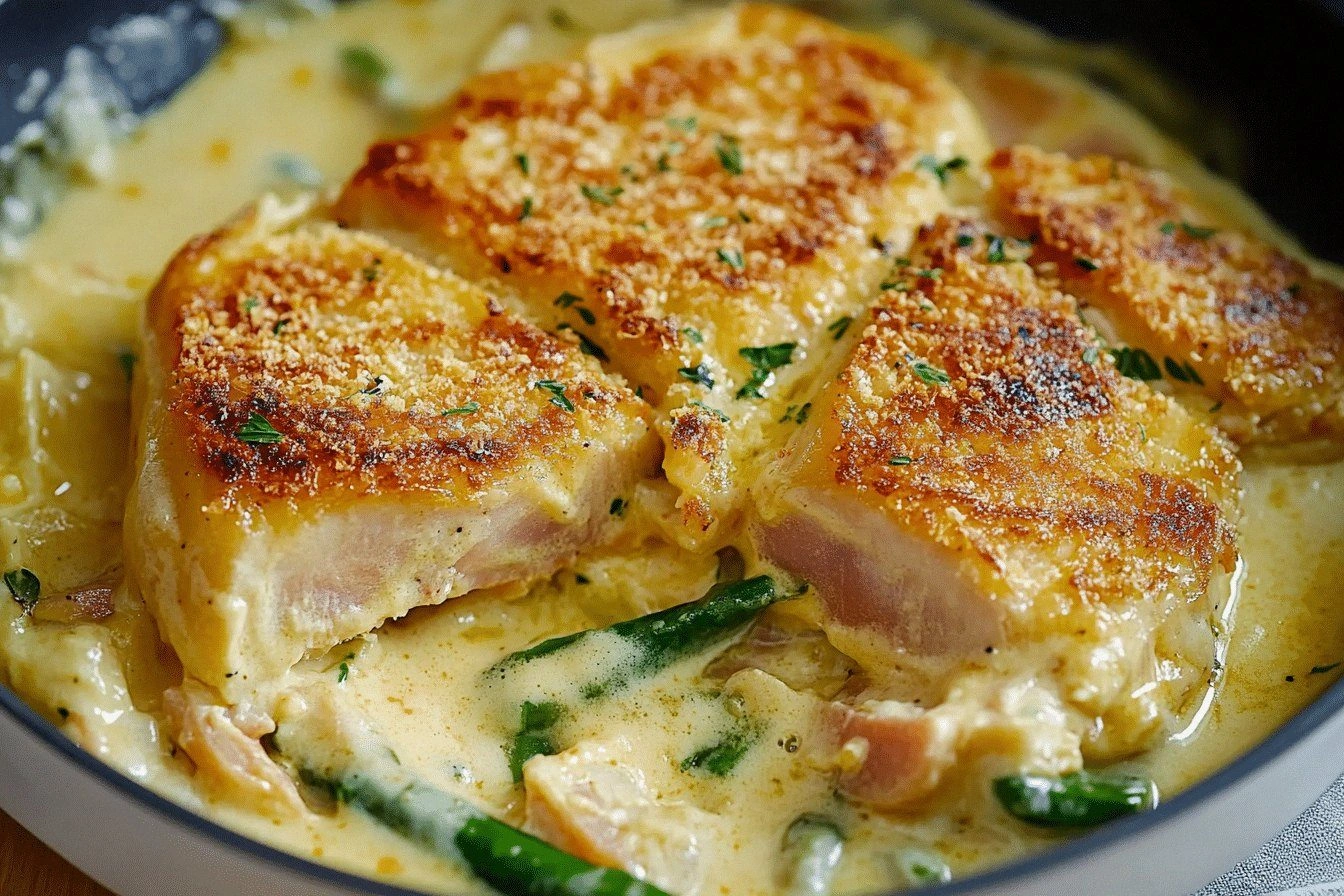
The Method — Step by Step
Preheat your oven to 375°F (190°C). While the oven warms, melt the butter in a heavy‑bottomed saucepan over medium heat. As the butter foams, sprinkle the flour evenly and whisk continuously for about two minutes, watching it turn a light caramel color; this is the roux that will give your sauce that buttery depth.
Kitchen Hack: If you notice lumps forming, whisk in a splash of cold milk before adding the rest; the temperature shock prevents clumping.Slowly pour the whole milk into the roux, whisking like you’re chasing a dream. The mixture should thicken within three to four minutes, forming a smooth, glossy sauce that clings to the back of a spoon. At this point, stir in the Dijon mustard, a pinch of nutmeg, and season with salt and pepper. Taste and adjust—remember, the cheese will add more salt later.
Reduce the heat to low and fold in the grated cheese, one handful at a time, allowing each addition to melt completely before the next. The sauce should become a deep amber, with ribbons of cheese that stretch like taffy. This is the moment of truth: the sauce must be thick enough to coat the tuna without pooling at the bottom of the dish.
If you’re using fresh tuna, cut it into bite‑size cubes; if canned, break it up gently with a fork. Toss the tuna with a drizzle of lemon zest and a splash of the sauce to coat it lightly. This pre‑coating ensures every morsel gets a flavor boost before the bake.
Transfer the tuna‑sauce mixture into a greased 9‑inch baking dish, spreading it out evenly. Sprinkle the breadcrumb topping over the surface, making sure every corner is covered. For an extra golden finish, drizzle a tablespoon of melted butter over the breadcrumbs.
Slide the dish into the preheated oven. Bake for 20‑25 minutes, or until the breadcrumbs turn a deep, caramelized gold and the edges of the sauce start pulling away from the sides of the dish. The scent at this stage? Absolute perfection—think toasted butter, melted cheese, and a hint of citrus.
Watch Out: Opening the oven too early can cause the breadcrumbs to collapse; trust the timer and resist the urge to peek.While the dish bakes, prepare a simple side—steamed asparagus or a crisp green salad with a lemon vinaigrette. The acidity of the side will balance the richness of the Mornay, creating a harmonious plate.
When the timer dings, remove the casserole and let it rest for five minutes. This short rest allows the sauce to set, making it easier to slice and serve. Picture yourself pulling this out of the oven, the whole kitchen smelling incredible, the breadcrumb crust glistening like a golden crown.
Serve hot, scooping generous portions onto plates. Garnish with a sprinkle of extra lemon zest or a few fresh herbs if you like. I’ll be honest — I ate half the batch before anyone else got to try it, and you’ll understand why once you taste it.
Kitchen Hack: For a gluten‑free version, replace the all‑purpose flour with a 1:1 gluten‑free blend and use gluten‑free breadcrumbs; the texture remains delightfully crunchy.
That's it — you did it. But hold on, I've got a few more tricks that'll take this to another level…
Insider Tricks for Flawless Results
The Temperature Rule Nobody Follows
Never start a béchamel with cold butter; room‑temperature butter melts evenly, preventing scorching. I once tried the “cold butter” shortcut and ended up with a lumpy sauce that tasted like burnt toast. Keep the butter soft, and the roux will form a silky base that never separates.
Why Your Nose Knows Best
When the sauce reaches the right consistency, it releases a sweet, buttery aroma that signals it’s ready. Trust that nose over the timer; if the scent feels “off” or too raw, give it another minute of gentle simmering. A quick sniff can save you from a watery disaster.
The 5‑Minute Rest That Changes Everything
Letting the baked casserole sit for five minutes after the oven does more than just look pretty. It allows the sauce to thicken further, so when you cut into it, the pieces hold together without sliding off the plate. A friend tried to serve it straight out of the oven once—let's just say the sauce splattered everywhere.
Breadcrumb Boost
Toast your breadcrumbs in a dry skillet with a pinch of salt before sprinkling them on top. This extra step adds a nutty depth and ensures the crust stays crisp even after the bake. Skipping this step is the most common reason the topping turns soggy.
Cheese Choice Cheat Sheet
Mixing cheeses gives you both meltability and flavor. Use 70% Gruyère for that nutty bite, and 30% sharp cheddar for a tangy finish. If you love a smoky edge, add a tablespoon of smoked gouda; just remember it will darken the sauce slightly.
Creative Twists and Variations
This recipe is a playground. Here are some of my favorite ways to switch things up:
Spicy Sriracha Swirl
Add a tablespoon of sriracha to the béchamel for a subtle heat that pairs perfectly with the cool tuna. Top with a sprinkle of toasted sesame seeds for crunch.
Mediterranean Olive Burst
Stir in a handful of chopped Kalamata olives and a teaspoon of dried oregano into the sauce. The briny olives bring a sun‑kissed flavor that transports you to a Greek seaside taverna.
Herbaceous Green
Fold in a cup of wilted spinach or kale just before baking. The greens add a pop of color and a dose of nutrients without overpowering the creamy base.
Smoked Salmon Deluxe
Swap tuna for smoked salmon and add a dollop of crème fraîche on top after baking. The smoky fish and tangy cream create a luxurious brunch‑worthy twist.
Vegan Velvet
Replace butter with olive oil, use plant‑based milk, and swap cheese for a vegan cheddar blend. The texture stays creamy, and the flavor remains indulgent—perfect for a plant‑based crowd.
Storing and Bringing It Back to Life
Fridge Storage
Cool the casserole to room temperature, then cover tightly with foil or a lid. It will keep fresh for up to three days. Reheat in a 350°F oven for 15‑20 minutes, adding a splash of milk to revive the sauce’s silkiness.
Freezer Friendly
Portion the uncooked casserole into freezer‑safe containers, label, and freeze for up to two months. When ready, thaw overnight in the fridge, then bake as directed, adding an extra five minutes if needed.
Best Reheating Method
For the crispiest topping, reheat on the stovetop in a skillet with a lid for five minutes, then finish under the broiler for two minutes. The quick steam‑then‑broil combo restores the crumbly crust while keeping the interior creamy.