It started with a kitchen catastrophe that still makes me laugh every time I think about it. I was attempting a quick stir‑fry for dinner, but the wok was so hot that the garlic exploded, sending a cloud of charred scent across the kitchen. My friends called it “the great smoke alarm incident,” and I vowed to find a dish that could turn a disaster into a triumph. That vow led me straight into the world of Korean bao, where savory meets sweet in a way that feels like a secret handshake between cultures.
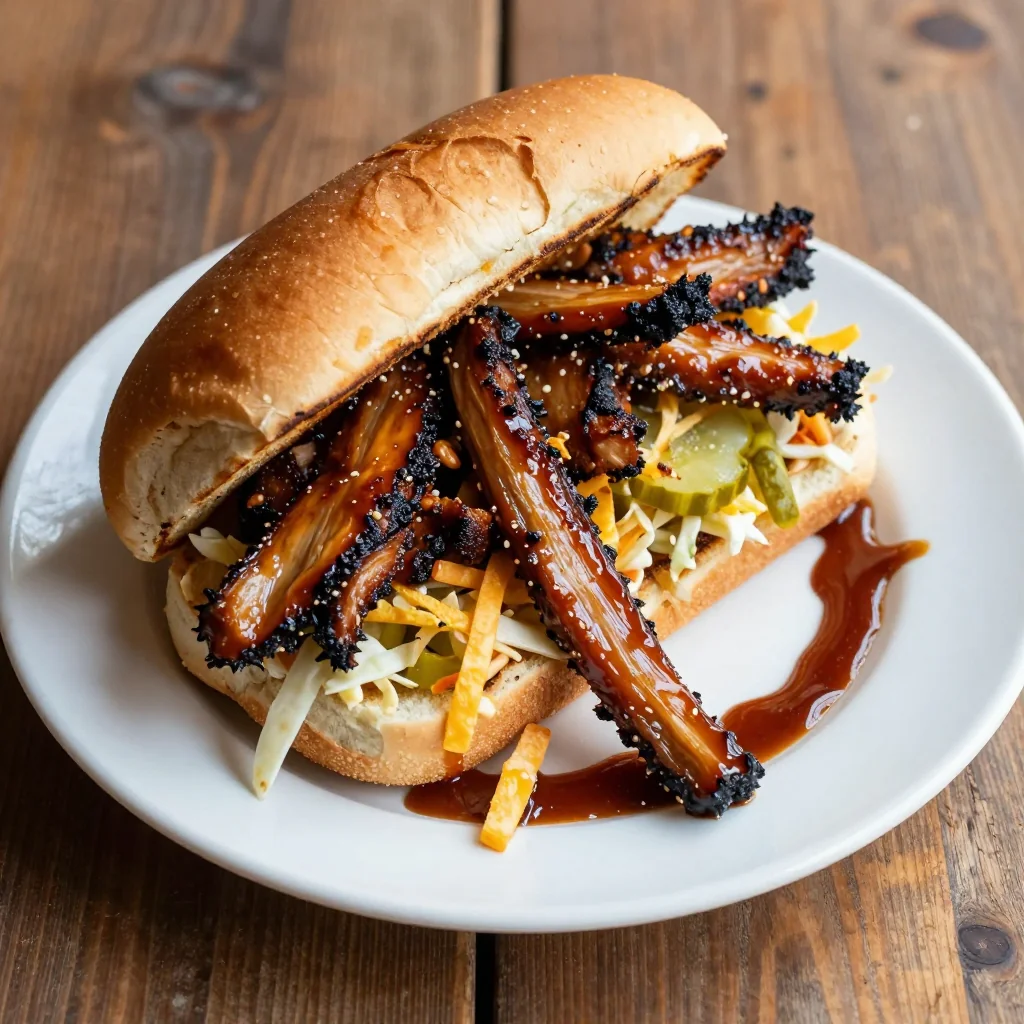
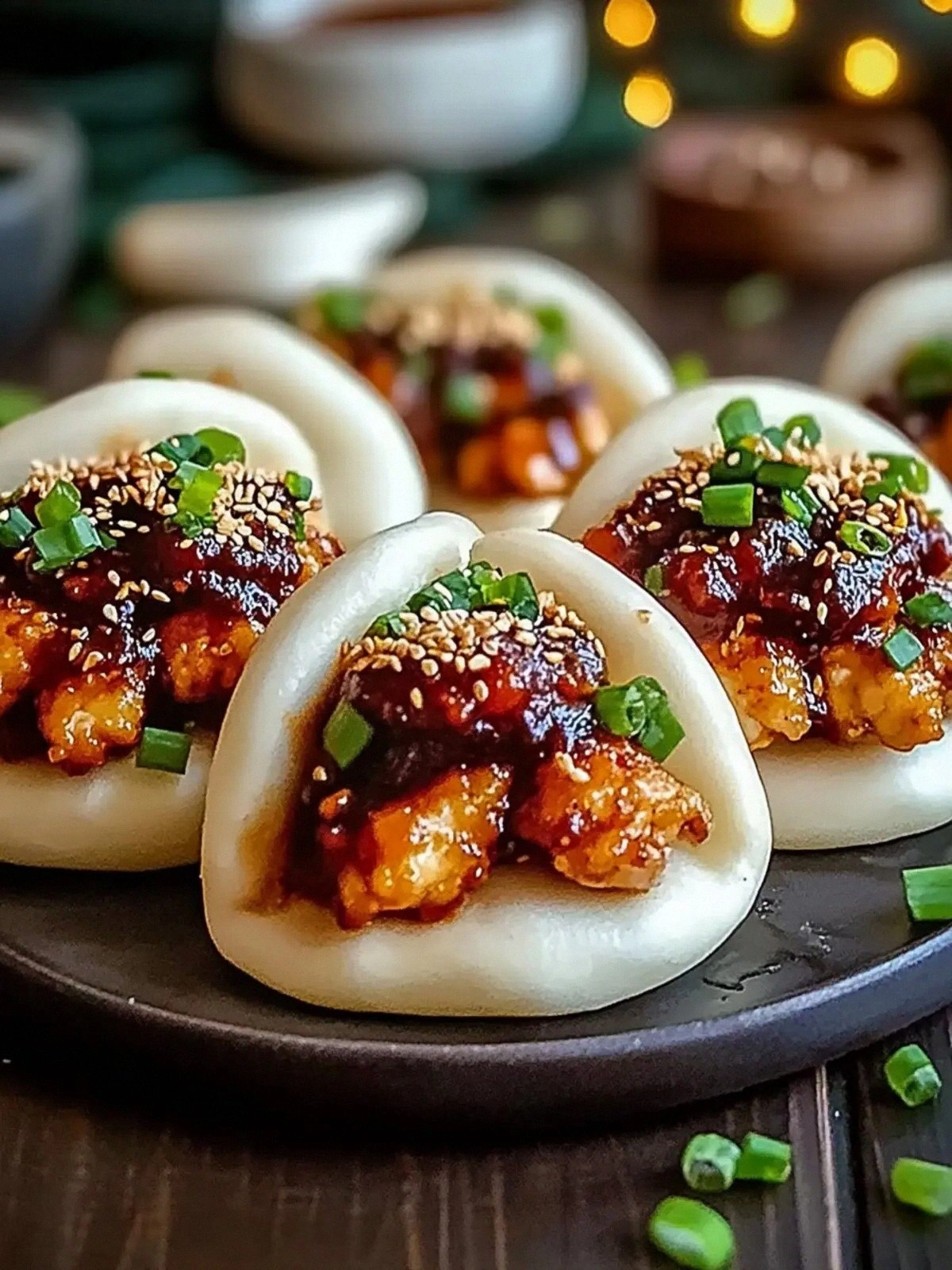
Picture this: a steaming, pillowy bao bun with a burst of umami chicken, the sharp tang of pickled veggies, and a drizzle of honey‑soy glaze that clings to every crumb like a velvet coat. The aroma is an orchestra of toasted sesame, ginger, and garlic, while the sound of the pan sizzling is the percussion that keeps the rhythm. When you take that first bite, the bao’s soft interior gives way to the tender, caramelized chicken, and the crunch of pickles adds a satisfying snap that echoes in your mouth. The combination is a flavor symphony that lingers on your palate, leaving you craving the next bite.
What makes this version stand out from every other recipe you’ve tried is the meticulous balance of sweet, salty, and umami. I didn’t just slap honey and soy together; I infused the sauce with a touch of toasted sesame oil and a whisper of gochujang for a subtle heat that awakens the senses. The chicken isn’t just cooked to perfection; it’s marinated, seared, and then finished in a glaze that gives it a glossy, caramelized sheen. The bao buns are homemade, but if you’re short on time, a high‑quality store‑bought version works wonders, as long as they’re fluffy and lightly toasted.
I dare you to taste this and not go back for seconds. Most people think they can replicate this at home, but the truth is, it’s a game‑changer that rewrites the rulebook on what a bao can be. I’ll be honest — I ate half the batch before anyone else got a chance to try it, and I’m still dreaming about that sticky, savory glaze. Picture yourself pulling this out of the oven, the whole kitchen smelling incredible, and everyone begging for the recipe.
If you've ever struggled with bao, you're not alone, and I've got the fix. The secret lies in the sauce, the timing of the sear, and the way you assemble the bao. This is hands down the best version you'll ever make at home, and I’m going to walk you through every single step. By the end, you’ll wonder how you ever made it any other way.
What Makes This Version Stand Out
- Flavor: The sauce is a silky blend of honey, soy, and toasted sesame that coats the chicken like a velvet ribbon, creating a mouth‑watering glaze that caramelizes beautifully.
- Texture: The bao buns are pillowy yet slightly crisp on the edges, giving a satisfying bite that contrasts with the tender, juicy chicken.
- Simplicity: With just ten ingredients, you can achieve a restaurant‑grade dish without spending hours in the kitchen.
- Uniqueness: The inclusion of pickled vegetables adds a bright, acidic pop that cuts through the richness, while the sesame seeds add a nutty crunch.
- Crowd Appeal: Whether it’s a family dinner or a potluck, this dish gets rave reviews; people keep coming back for seconds.
- Ingredient Quality: Using boneless, skinless chicken thighs gives the dish a deep flavor that stays moist, while the low‑sodium soy sauce keeps the sauce balanced.
- Cooking Method: The sear-and-glaze technique locks in juices and builds a caramelized crust that is both visual and flavor fireworks.
- Make‑Ahead Potential: You can prep the chicken and sauce a day ahead, refrigerate, and assemble just before serving, making it perfect for busy evenings.
Alright, let's break down exactly what goes into this masterpiece...
Inside the Ingredient List
The Flavor Base
The sauce is the heart of this dish, and it starts with low‑sodium soy sauce that provides depth without drowning the other flavors. Honey adds a natural sweetness that caramelizes when heated, giving the chicken a glossy finish. A splash of toasted sesame oil elevates the aroma and gives the sauce a nutty undertone. If you’re craving a bit of heat, a dash of gochujang or a pinch of red pepper flakes can add a subtle kick, but it’s optional.
If you skip the soy sauce, the dish loses its umami backbone, and the glaze will taste flat. Swapping honey for brown sugar works, but the caramelization will be less pronounced, and the glaze will be less glossy. For a dairy‑free alternative, replace the soy sauce with tamari, which has a slightly richer flavor.
The Texture Crew
Chicken thighs are the star of the show because they stay juicy and tender after searing. Boneless, skinless thighs are easy to handle and absorb the sauce beautifully. If you prefer a leaner option, chicken breast can be used, but it will be less forgiving and might dry out if overcooked. The pickled vegetables provide a crisp, acidic counterpoint that cuts through the richness of the glazed chicken.
Skipping the pickled veggies means the bao will be missing that bright, zesty pop that keeps the dish from becoming too sweet. If you don’t have pickled vegetables on hand, you can use fresh cucumber slices tossed with rice vinegar, sugar, and a pinch of salt for an improvised crunch.
The Unexpected Star
Sesame seeds add a subtle nuttiness and a pleasing crunch that contrasts with the soft bao. They also bring a visual pop, making each bite feel more complete. If you’re allergic to sesame, a sprinkle of toasted pumpkin or sunflower seeds can offer a similar texture and flavor profile.
If you omit the sesame seeds, the dish will still taste great, but it will lack that extra layer of depth and visual appeal. The seeds also help balance the sweet glaze, preventing it from feeling too syrupy.
The Final Flourish
Green onions add a fresh, mild onion flavor that lifts the dish. Their bright green color also makes the bao look vibrant and appetizing. If you’re allergic to onions, you can use chives or a small amount of scallion as a substitute. The green onions should be sliced thinly so they distribute evenly across the bao.
Skipping the green onions means the dish will feel a bit flat; the bright, herbal note is what ties the sauce and the bao together. A pinch of toasted sesame oil can also help bridge that gap if you’re short on green onions.
Everything's prepped? Good. Let's get into the real action...
The Method — Step by Step
- Begin by cutting the chicken thighs into bite‑size strips. Season them with a pinch of salt and pepper, then let them rest for 10 minutes while you prep the sauce. The rest allows the flavors to penetrate the meat and keeps the chicken from drying out during cooking. If you’re short on time, you can skip the resting period, but you’ll miss a layer of flavor.
- Whisk together the soy sauce, honey, toasted sesame oil, and a splash of gochujang in a bowl. The ratio should be 1:1 honey to soy sauce to balance sweetness and saltiness. This glaze will coat the chicken and become the star of the bao. If you prefer a sweeter glaze, add a teaspoon of maple syrup.
- Heat 1 tablespoon of vegetable oil in a large skillet over medium‑high heat. Once hot, add the chicken strips in a single layer. Do not overcrowd; you want each piece to sear, not steam. Sear for about 2–3 minutes on each side until the chicken is browned and just cooked through. The sear locks in juices and creates a caramelized crust.
- Pour the glaze over the chicken and let it simmer for 2 minutes. The sauce should thicken and coat the chicken, turning a glossy amber. Keep a close eye; if it starts to burn, reduce the heat slightly. This step is crucial for the flavor; a thin sauce will leave the chicken dry.
- While the chicken rests, toast the bao buns on a hot skillet or in a toaster oven until lightly golden. The buns should be soft inside but have a slight crisp on the outside. If you’re using frozen bao, let them thaw at room temperature for 10 minutes before toasting.
- Open each toasted bao and spread a generous spoonful of the glazed chicken inside. Add a handful of pickled vegetables and a sprinkle of sesame seeds. Finish with a drizzle of the remaining glaze and a few slivers of green onion. The layering of flavors should feel balanced and not overwhelming.
- Fold the bao over and press gently to seal the edges. The bao should hold together without tearing, thanks to the slight crisp on the outside. If you’re making these ahead of time, cover with parchment paper and refrigerate; reheat in a skillet for a minute on each side to restore warmth.
- Serve immediately, perhaps with a side of kimchi or a light cucumber salad to keep the meal refreshing. The combination of sweet, savory, and tangy will have your taste buds dancing. And remember: the first bite is the most important; let the bao’s softness and the chicken’s caramelized glaze take center stage.
That's it — you did it. But hold on, I've got a few more tricks that'll take this to another level...
Insider Tricks for Flawless Results
The Temperature Rule Nobody Follows
Seared chicken is a temperature game. The pan should be hot enough that the chicken sizzles upon contact but not so hot that it burns the outside before the inside cooks. If you’re unsure, drop a tiny splash of water in the pan; if it dances, the heat is right. A good rule of thumb is 375°F (190°C) for a quick sear; this locks in juices and gives a caramelized crust.
Why Your Nose Knows Best
Before you add the glaze, take a moment to sniff the sauce. A balanced glaze should smell slightly sweet, with a hint of soy and sesame. If it smells overwhelmingly sweet or too salty, adjust the proportions. Your nose is a reliable guide to achieving the perfect balance.
The 5-Minute Rest That Changes Everything
After searing the chicken, let it rest for 5 minutes before adding the glaze. This allows the juices to redistribute, ensuring each bite is moist and flavorful. A friend tried skipping this step once, and the chicken ended up dry and chewy. Trust me, the rest is worth the extra five minutes.
The Perfect Bao Toast
Toasting the bao buns brings out a subtle nuttiness and gives them a satisfying snap. Use a skillet over medium heat and press the buns lightly with a spatula; they should be golden on the outside while remaining soft inside. If you’re using frozen bao, let them thaw for 10 minutes at room temperature before toasting.
The Final Glaze Finish
Once the bao is assembled, give it a final drizzle of glaze. This not only adds flavor but also creates a glossy, mouth‑watering finish that makes the dish look as good as it tastes. If you’re making a large batch, keep a small bowl of glaze on hand for a quick touch‑up.
Creative Twists and Variations
This recipe is a playground. Here are some of my favorite ways to switch things up:
Spicy Kimchi Bao
Swap the pickled vegetables for fresh kimchi for a fiery kick. The fermented tang pairs wonderfully with the sweet glaze, and the heat adds depth. This version is perfect for those who love a little spice in their bao.
Thai Basil Chicken Bao
Replace the green onions with fresh Thai basil leaves and add a splash of fish sauce to the glaze. The aromatic basil and umami fish sauce give the dish an exotic twist that feels like a fusion of Thai and Korean flavors.
Miso‑Glazed Chicken Bao
Use a mixture of white miso paste and honey instead of soy sauce for a richer, deeper umami profile. The miso adds a subtle earthiness that complements the chicken’s tenderness. This variation is great for a more sophisticated palate.
Crispy Tofu Bao
For a vegetarian version, replace the chicken with crispy tofu cubes. Marinate the tofu in the glaze before pan‑frying for a crunchy exterior and tender interior. The tofu absorbs the sauce beautifully, making it a delicious alternative.
Apple Cider Glazed Bao
Swap honey for apple cider vinegar and a touch of brown sugar. The apple flavor adds a subtle fruitiness that pairs well with the savory chicken. This twist is especially delightful during the fall season.
Mango Salsa Bao
Top the bao with a fresh mango salsa made from diced mango, red onion, cilantro, and lime juice. The sweet and tart salsa provides a refreshing contrast to the rich glaze and adds a burst of color to the dish.
Storing and Bringing It Back to Life
Fridge Storage
Store the assembled bao in an airtight container for up to 2 days. Keep the glaze separate if you prefer a fresher bite. When ready to eat, reheat in a skillet for 1–2 minutes on each side until warm.
Freezer Friendly
Freeze the bao in a single layer on a baking sheet, then transfer to a freezer bag. They’ll stay good for up to 1 month. Thaw overnight in the fridge, then reheat in a skillet or microwave until heated through.
Best Reheating Method
The best way to bring back the bao’s original texture is to pan‑heat them over medium heat until the buns are crisp on the outside and soft inside. Add a splash of water to the pan and cover for 30 seconds; this steams the bao back to its original fluffiness while keeping the chicken moist.