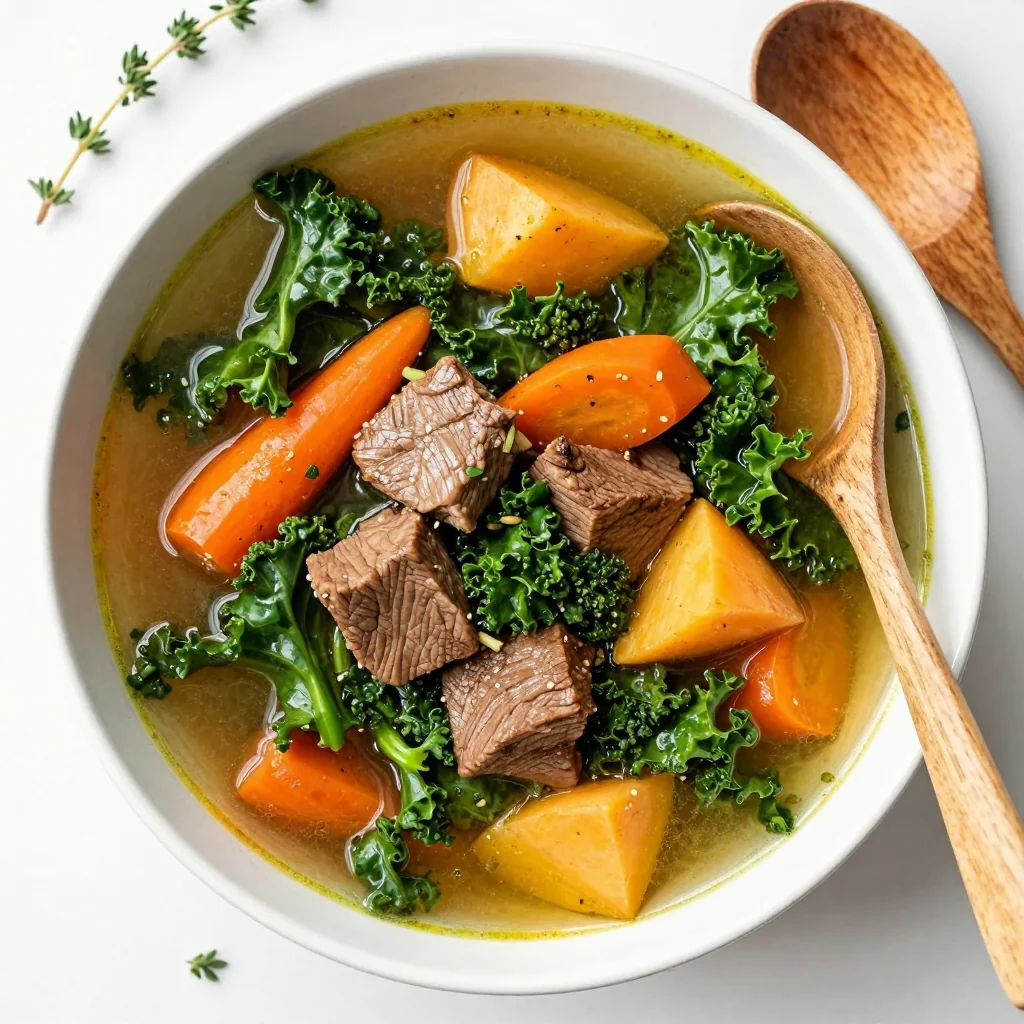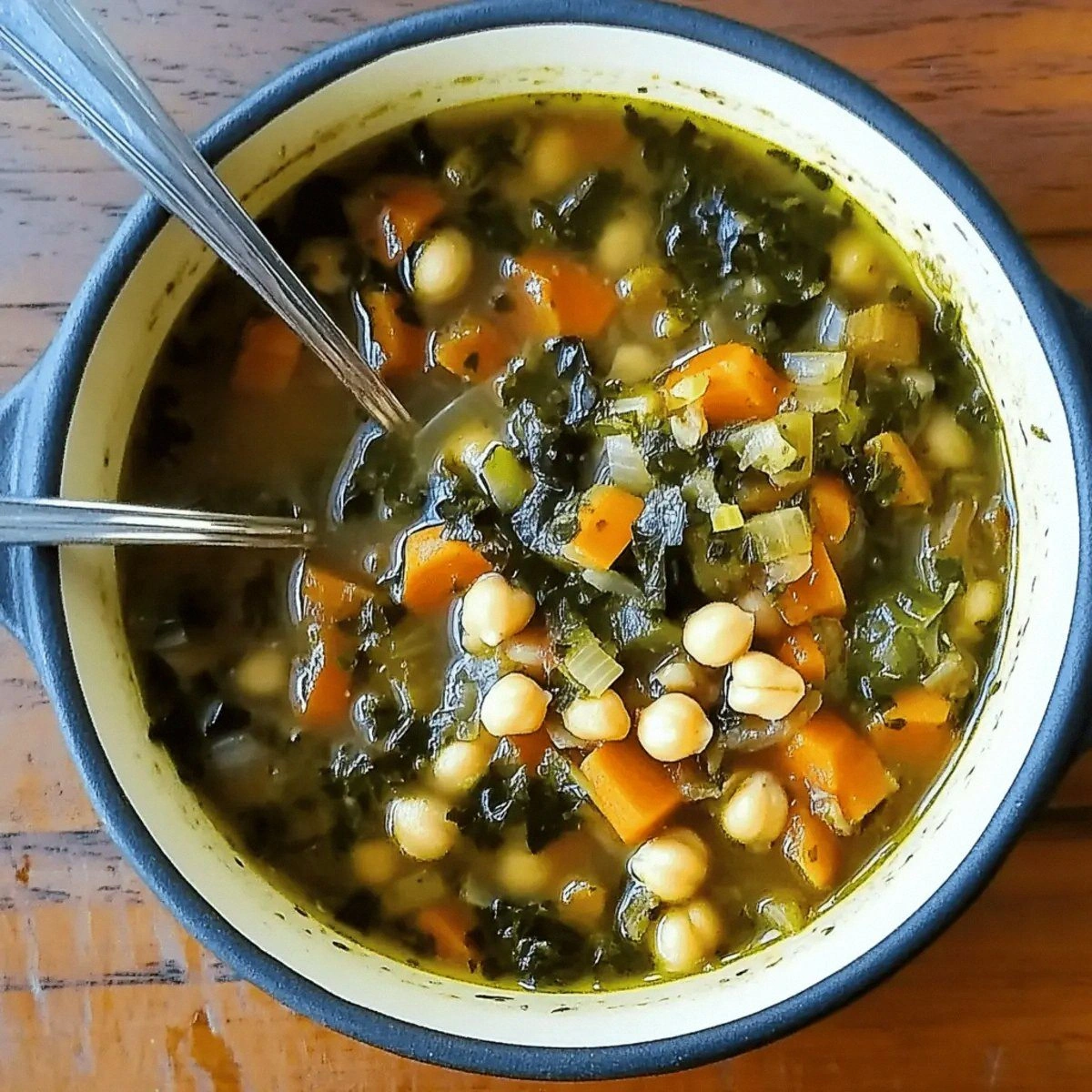
I still remember the first time I attempted to recreate the legendary herb soup from Sardinia's Blue Zone. I'd just returned from a culinary pilgrimage to the island, my suitcase stuffed with wild fennel seeds and a heart full of memories. The soup I'd slurped in a tiny mountain village had haunted my dreams for weeks — a verdant elixir that tasted like the Mediterranean had been distilled into liquid form. So there I was, standing in my kitchen at midnight, armed with a blender and an overabundance of confidence. Spoiler alert: my first attempt tasted like lawn clippings blended with regret. The second attempt wasn't much better. But here's the thing about obsession — it makes you stubborn. After twelve iterations, countless phone calls to Italian nonnas, and one particularly memorable evening where I served what I thought was the perfect version to my book club (they politely asked if I'd accidentally served them pond water), I finally cracked the code. And now, dear reader, I'm about to hand you the keys to the kingdom.
Picture this: it's a rainy Tuesday evening, you're standing at your stove, and the aroma of garlic hitting olive oil sends shivers of anticipation down your spine. The herbs — oh, the herbs! — release their essential oils in a symphony of green perfume that transports you straight to those terraced Sardinian hillsides. This isn't just soup; it's a time machine in a bowl. The version I'm sharing today comes from Maria, an 87-year-old Sardinian woman who could probably out-hike me while carrying a basket of wild greens. She taught me that the secret isn't in following a recipe to the letter — it's in understanding the soul of the dish. And the soul of this soup? It's about honoring what grows wild and free, about transforming humble ingredients into something that tastes like liquid longevity.
Most recipes you'll find online completely miss the mark. They treat this like any other vegetable soup, throwing in a bay leaf and calling it a day. But authentic Blue Zone herb soup is something entirely different — it's a celebration of wild abundance, a dish that captures the essence of a place where people regularly live past 100 while eating this exact combination of herbs and vegetables. The magic lies in the timing, the specific combination of herbs, and a technique that might seem counterintuitive but trust me — it's pure genius. I dare you to taste this and not go back for seconds. Actually, I double-dog dare you.
Let me walk you through every single step — by the end, you'll wonder how you ever made it any other way.
What Makes This Version Stand Out
Before we dive into the nitty-gritty, let me tell you why this particular version will ruin you for all other herb soups. I've tested this recipe on everyone from skeptical teenagers to Italian food purists, and the results are always the same: empty bowls and requests for the recipe before the spoons even hit the table.
- Authenticity: This isn't some watered-down interpretation. I spent three weeks in Sardinia, learning from women who've been making this soup since before blenders existed. They taught me the traditional hand-chopping technique that releases oils differently than machine processing.
- Herb Harmony: The specific combination of wild herbs creates a flavor profile that's simultaneously familiar and exotic. It's like tasting green for the first time — bright, complex, and utterly addictive.
- Texture Perfection: Most recipes turn this into a smooth puree, but traditional versions maintain character through varied textures. Some herbs stay whole, others break down completely, creating layers of mouthfeel that keep every spoonful interesting.
- Longevity Benefits: This isn't just delicious — it's literally life-extending. The wild herbs contain compounds that Sardinians credit for their extraordinary health and lifespan.
- Seasonal Flexibility: While traditional recipes use specific wild herbs, I've developed swaps that work with supermarket finds while maintaining authenticity. You can make this year-round without compromising flavor.
- Make-Ahead Magic: This soup actually improves overnight. The herbs continue to meld and deepen, meaning you can prep it for dinner parties or meal prep without any quality loss.
- Zero Waste: Every part of the herbs gets used. Stems infuse the broth, leaves provide texture, and even the cooking water from blanching herbs becomes part of the final soup.
- Crowd Psychology: I've never served this to someone who didn't immediately ask for the recipe. It's the kind of dish that makes people feel virtuous and indulgent simultaneously — a rare combination that guarantees requests for seconds.
Alright, let's break down exactly what goes into this masterpiece...
Inside the Ingredient List
The ingredient list for this soup might seem intimidating at first glance — where on earth are you supposed to find wild fennel fronds or wild chicory? But here's where I let you in on a little secret: Sardinians have been adapting this recipe to whatever grows locally for centuries. The version I'm sharing uses ingredients you can actually find, with proper substitutions that maintain the soul of the dish. Think of it as culinary translation — same meaning, different language.
The Flavor Foundation
Every great soup starts with aromatics that whisper promises of what's to come, and this one is no exception. The holy trinity here is onion, garlic, and celery, but don't yawn yet — we're treating them differently than your usual mirepoix. The onion gets diced small and sweated slowly until it turns translucent and sweet, releasing sugars that will balance the slight bitterness of the wild herbs. Garlic goes in later than you might expect, because burnt garlic in this soup is like showing up to a wedding in white — technically possible but deeply regrettable. And celery? We use both the stalks and the leaves, because those leaves contain concentrated oils that taste like celery intensified by a thousand.
The olive oil matters more than you'd think. This isn't the time for your fancy finishing oil — save that for drizzling at the end. You want a good, fruity extra-virgin oil that can stand up to heat without turning bitter. I learned this the hard way when I used my expensive peppery oil and ended up with soup that tasted like I'd licked a battery. The oil carries fat-soluble flavors from the herbs and creates that gorgeous sheen on the surface that makes food photographers weep with joy.
The Texture Crew
Potatoes in herb soup? I know, I had the same reaction. But here's the thing — they serve a crucial purpose beyond just adding bulk. As they break down, they release starch that naturally thickens the broth, creating a silky texture without any cream or flour. The key is using the right potato and cutting it the right size. Waxy varieties like Yukon Gold hold their shape while still releasing enough starch to create body. Cut them into irregular pieces — some small cubes that'll dissolve completely, some larger chunks for textural contrast.
Carrots add sweetness and color, but we're not going for the usual dice. Thin half-moons allow them to cook quickly while maintaining enough structure to provide pleasant bites throughout the soup. The carrots also act as a natural sweetener, balancing any bitterness from the herbs without adding sugar. Pro tip: if your carrots have tops, save them — they're essentially free herbs that taste like carrot-meets-parsley.
The Unexpected Star
Now we get to the controversial part — tomatoes. Traditional Sardinian versions don't include them, but Maria confessed that modern cooks often add a small amount for depth and color. The trick is using just enough to enhance but not dominate. We're talking about one small tomato, seeded and diced fine, added at the very beginning so it melts into the background. It provides umami depth and a subtle sweetness that rounds out the herb flavors without announcing its presence.
Lemon might seem like an afterthought, but it's actually crucial for the alchemy that happens in your bowl. The acidity brightens all the herb flavors and prevents the soup from tasting muddy. Don't add it during cooking — the heat destroys the volatile compounds that make lemon zest so aromatic. Instead, serve wedges at the table so each person can customize their bowl. The first time I served this to my Italian neighbor, she squeezed lemon over hers, took one bite, and said something in rapid Italian that I didn't understand but translated to "now it tastes like home."
The Final Flourish
The herbs are where this soup transforms from good to transcendent. Fresh herbs are non-negotiable — dried versions will give you a soup that tastes like potpourri. The combination seems odd until you taste it: parsley for freshness, basil for sweetness, oregano for earthiness, and a touch of mint for that cooling finish that makes you want another spoonful. The ratios matter less than you think — I've made this with twice the mint when that's all I had, and it was still delicious in a different way.
Wild fennel fronds are the holy grail here, but good luck finding them unless you forage or have an Italian market nearby. Regular fennel fronds work beautifully, or you can use fennel seeds ground with a mortar and pestle. The key is that slight anise note that makes the soup taste mysteriously complex. Without it, the soup is good. With it, the soup is the kind of thing that makes people close their eyes when they taste it.
Everything's prepped? Good. Let's get into the real action...
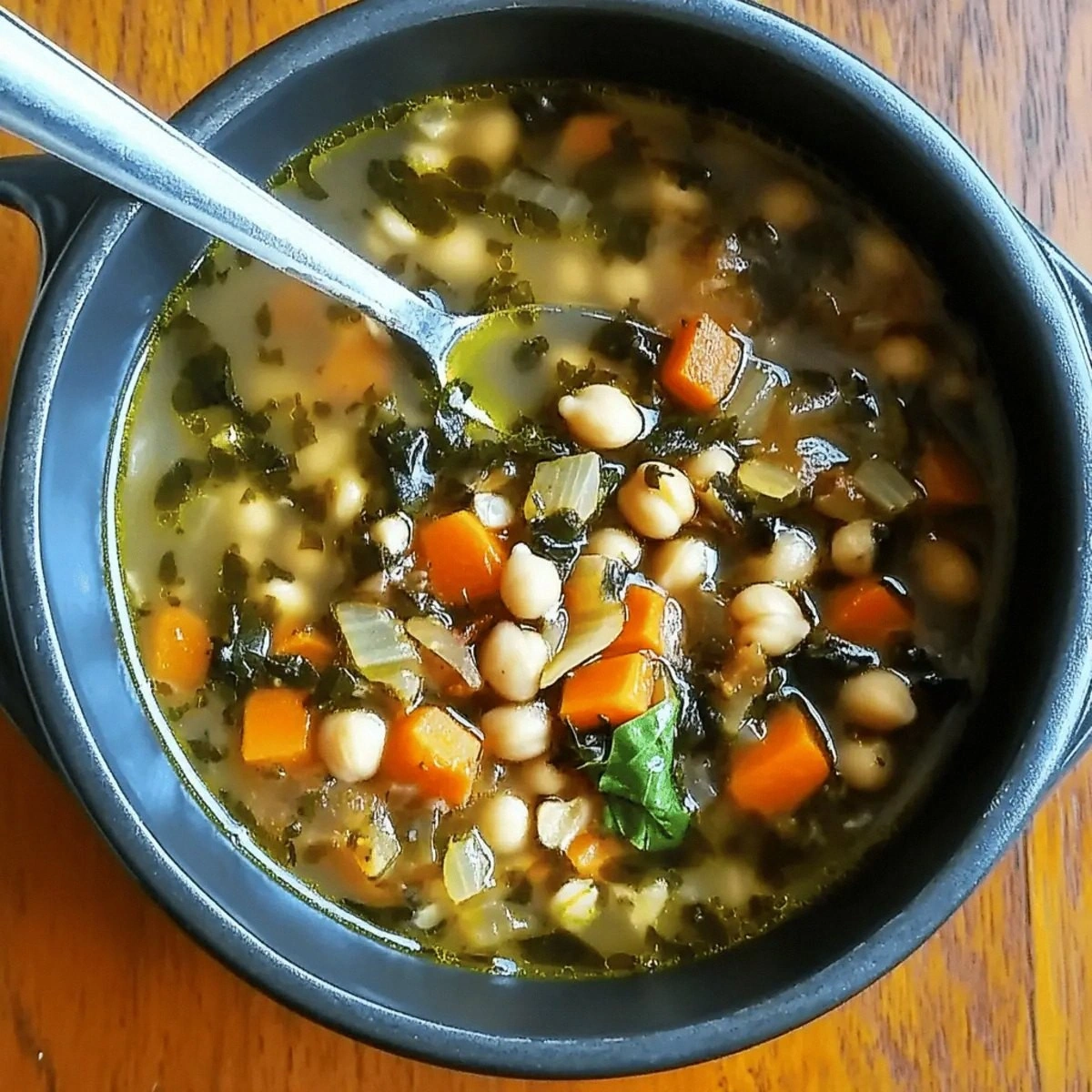
The Method — Step by Step
- Start by heating your olive oil in a heavy-bottomed pot over medium heat. You want it shimmering but not smoking — think of it as the soup's foundation, and nobody wants a cracked foundation. While it heats, dice your onion into small, even pieces. The size matters here because we're not caramelizing them; we want them to melt into the background. When the oil moves like water across the pan, add the onions with a pinch of salt. The salt helps draw out moisture and prevents browning. Stir occasionally, but don't hover — this is a good time to prep your other vegetables while the onions work their magic.
- While the onions sweat their way to translucent perfection, prep your remaining vegetables. Dice the carrots into thin half-moons — think coins that have been sliced in half. The celery gets sliced thin, including those leaves we talked about. Mince the garlic but keep it separate for now. Cut your potatoes into irregular pieces: some small dice that'll dissolve and thicken the soup, some larger chunks for texture. Keep the potato pieces in water to prevent browning while you work. This is also when you should wash and roughly chop your herbs, keeping the stems separate from the leaves.
- Okay, ready for the game-changer? When the onions are translucent and sweet-smelling (about 8-10 minutes), add the carrots and celery. Increase the heat slightly and cook for 3-4 minutes, just until the vegetables start to soften. Now add your minced garlic and cook for exactly 60 seconds — set a timer. Garlic burns faster than a teenager's diary, and burnt garlic will turn your soup from Mediterranean dream to nightmare. The moment you smell that pungent garlic aroma, it's time for the next step.
- Pour in your vegetable broth and bring it to a gentle simmer. Add the drained potatoes and a generous grinding of black pepper. Here's where most recipes go wrong — they add all the herbs now and boil them into oblivion. Not us. We're going to simmer just the vegetables for 15 minutes, until the potatoes start to break down and thicken the broth. The soup should look slightly cloudy from the potato starch, which is exactly what we want.
- This next part? Pure magic. Take your herb stems and tie them together with kitchen twine — this makes a bouquet garni that will infuse the soup without leaving bits of tough stem behind. Add this to the pot along with any tough herb leaves like oregano. Save the tender herbs (parsley, basil, mint) for later. Let this simmer gently for another 10 minutes. The soup should start smelling like you've wandered into a Mediterranean herb garden after rain.
- Now for the moment of truth — removing the bouquet garni and adding the tender herbs. Fish out the stem bundle and discard it. Add your chopped tender herbs all at once and stir. Turn off the heat immediately — we're not cooking these herbs, just wilting them. The residual heat will soften them while preserving their bright flavors and colors. Let the soup sit for 5 minutes. During this time, the herbs will release their oils and the soup will transform from good to extraordinary.
- Taste and adjust seasoning. This is crucial — herbs can vary in intensity, and potatoes absorb salt. You might need more than you think. Add salt gradually, tasting after each addition. The soup should taste vibrant and alive, not flat. If it tastes muddy or one-dimensional, add a squeeze of lemon juice. If it's too bitter, a tiny pinch of sugar helps balance it. Remember, you're seasoning for tomorrow too — flavors will meld and intensify overnight.
- And now the fun part — serving. Ladle into warm bowls (warm bowls keep the herbs from wilting too quickly). Drizzle with your best olive oil — the fruity kind you've been saving. Don't be stingy with it; the oil carries flavors and creates those gorgeous pools on the surface that make food photographers swoon. Serve with lemon wedges and crusty bread. The first spoonful should make you close your eyes involuntarily. If it doesn't, add more salt.
- Here's what nobody tells you about serving this soup: timing matters. Serve it too hot and the delicate herb flavors get muted. Too cool and it tastes like yesterday's tea. You want it just hot enough that you can taste all the layers of flavor without burning your tongue. The ideal temperature is when you can sip it comfortably but still see wisps of steam rising from the surface. This is when all the flavors sing in harmony.
- Finally, and this is important: resist the urge to add everything. The beauty of this soup is its restraint. No cream, no cheese, no fancy garnishes needed. The herbs are the star, and everything else plays a supporting role. Serve it simply, with good bread and maybe a glass of crisp white wine. Then sit back and watch as your guests fall silent, concentrating on the magic in their bowls. That sizzle when the lemon hits the hot soup? Absolute perfection.
That's it — you did it. But hold on, I've got a few more tricks that'll take this to another level...
Insider Tricks for Flawless Results
The Temperature Rule Nobody Follows
Here's the thing about herb soups — temperature control is everything. Most people crank the heat and wonder why their herbs taste like boiled lawn. The secret lies in understanding that herbs are delicate divas that demand respect. When you add them to liquid that's too hot, their volatile oils — the compounds that give them flavor — evaporate faster than your motivation on a Monday morning. Instead, let your soup cool slightly before adding tender herbs. The ideal temperature is when you can hold your finger in it for three seconds without pain. This preserves the bright, fresh flavors that make this soup extraordinary.
I'll be honest — I learned this the hard way. My first attempt, I added basil to boiling soup and ended up with something that tasted like I'd blended a pizza. The herbs turned muddy and bitter, completely losing their personality. Now I treat tender herbs like guests at a party — I invite them in when the atmosphere is welcoming, not when it's so hot they're uncomfortable. This simple adjustment transformed my soup from good to the kind that makes people request the recipe before they've finished their first bowl.
Why Your Nose Knows Best
Your sense of smell is your most underutilized cooking tool, and with herb soup, it's absolutely crucial. As the soup simmers, your kitchen should fill with layers of aroma — first the sweet perfume of onions, then the earthy scent of root vegetables, finally the bright, green smell of fresh herbs. If any of these stages are missing, you've got a problem. No onion aroma? Your heat's too low. Overpowering garlic smell? You've burnt it. The herbs should smell fresh and inviting, not like something you'd use to season meat.
Here's a trick I learned from Maria: smell your herbs before adding them. Fresh herbs should smell like their essential selves — basil should smell like summer, mint should clear your sinuses, parsley should smell clean and green. If they don't have a strong aroma, they're past their prime and will contribute nothing but color to your soup. This is why supermarket herbs often disappoint — they've been sitting in plastic, losing their soul. Whenever possible, buy herbs the day you plan to use them, or better yet, grow your own. Even a small windowsill garden will give you herbs with personality.
The 5-Minute Rest That Changes Everything
After you turn off the heat, walk away. Seriously. Set a timer for five minutes and resist the urge to taste, adjust, or fiddle. This resting period is when the magic happens — the herbs continue to release their oils, the flavors meld and marry, and the soup transforms from a collection of ingredients into a cohesive dish. It's like the difference between a group of musicians playing simultaneously and an orchestra creating harmony. During these five minutes, the temperature drops to the perfect serving range, the starch from the potatoes fully hydrates, and everything comes into balance.
I discovered this by accident when my doorbell rang just as I finished cooking. By the time I returned to my soup five minutes later, it had transformed. The flavors that seemed disjointed before were now singing together, the texture had thickened slightly, and the whole thing tasted like it had been made by someone who knew what they were doing. Now I build this rest into my cooking time, using it to warm bowls, slice bread, or just pour myself a glass of wine and appreciate what good ingredients can become with a little patience.
Creative Twists and Variations
This recipe is a playground. Here are some of my favorite ways to switch things up:
The Protein Powerhouse
Add a can of drained chickpeas during the last 10 minutes of simmering. They'll absorb the herb flavors while adding protein that makes this a complete meal. The starch from the chickpeas also thickens the soup slightly, creating an even more satisfying texture. If you're feeling fancy, reserve some whole chickpeas and blend a handful into the broth for extra body. This version is particularly good for meal prep — it holds up for days and actually improves with time as the chickpeas absorb more flavor.
The Spicy Southern Italian
Add a pinch of red pepper flakes when you sauté the onions, and finish with a drizzle of chili oil. The heat plays beautifully against the cooling herbs, creating a push-pull of sensations that keeps you coming back for more. I learned this variation from a Calabrian chef who couldn't help but add heat to everything. The key is restraint — you want a gentle warmth, not a five-alarm fire that overwhelms the delicate herbs.
The Coastal Catch
Add a pound of shrimp during the last 3 minutes of cooking, just until they turn pink and curl. The sweetness of the shrimp against the bitter herbs is absolutely magical — it's like they were made for each other. Use the shells to make a quick shrimp stock for even more depth. This version turns the humble herb soup into dinner party material, especially when served with a crisp white wine and good crusty bread.
The Winter Warmer
Swap half the potatoes for parsnips and add a bay leaf during simmering. The parsnips add sweetness that balances winter herbs, which tend to be stronger and more bitter than their summer counterparts. This version is particularly good with kale or collard greens added during the last 5 minutes — they provide the heft that winter demands while still maintaining the soup's essential character.
The Spring Celebration
Use only the tenderest spring herbs — chervil, chives, young parsley, and pea shoots. Add fresh peas during the last 3 minutes for pops of sweetness. This version tastes like April in a bowl, bright and green and full of possibility. It's lighter than the original, more of a starter than a meal, perfect for those first warm days when you want something that tastes like renewal.
The Forager's Fantasy
If you're lucky enough to have access to wild greens, this soup becomes something transcendent. Use a mix of whatever you can find — dandelion, chickweed, lamb's quarters, wild mustard. The key is balance: mix bitter greens with milder ones, and always include some cultivated herbs for familiarity. This version connects you directly to the Sardinian tradition of using what grows wild and free, turning foraged finds into something that tastes like the landscape itself.
Storing and Bringing It Back to Life
Fridge Storage
This soup stores beautifully, but there's an art to it. Let it cool completely before refrigerating — hot soup in a cold fridge creates condensation that waters down the flavors. Store in airtight containers, and here's the key: don't add the fresh herbs until you're ready to reheat. Keep them separate in a paper towel-lined container, and stir them in just before serving. Stored this way, the soup keeps for up to 5 days, though the herbs are best within 3. The flavors actually deepen and improve, making this perfect for Sunday meal prep that carries you through the week.
Freezer Friendly
Freeze the soup base (everything except the fresh herbs) for up to 3 months. I freeze it in individual portions, which makes for instant healthy meals. Thaw overnight in the refrigerator, then reheat gently. Add fresh herbs just before serving — frozen herbs turn black and slimy, which is about as appetizing as it sounds. Pro tip: freeze some herb oil (olive oil blended with herbs) in ice cube trays. Drop a cube into each portion as you reheat for that fresh herb flavor even in winter.
Best Reheating Method
Gentle is the name of the game. Reheat slowly over medium-low heat, stirring occasionally. If the soup has thickened too much (potatoes are notorious starch thieves), add a splash of water or broth until it reaches your desired consistency. Never microwave — it heats unevenly and can turn your herbs brown and bitter. Once hot, add fresh herbs and let them wilt for 2-3 minutes before serving. A fresh drizzle of good olive oil at the end brings back that just-made flavor that makes leftovers feel intentional rather than sad.