I burned my first three attempts at Hawaiian garlic shrimp so badly that even my garbage disposal winced. The fourth batch? Pure magic. The kind of magic that makes you close your eyes when you taste it, the kind that has neighbors knocking on your door asking what on earth you're cooking. Here's the truth: most recipes get this iconic North Shore truck-stop classic completely wrong. They either drown the shrimp in soy sauce until it tastes like salty rubber, or they chicken out on the garlic and end up with bland seafood in butter soup. Neither tragedy will happen to you today.
Picture this: it's 7:30 p.m. on a Tuesday, you're still wearing your work badge, and your stomach is staging a protest. Thirty minutes from now you could be plating up restaurant-quality garlic shrimp so fragrant that your cat sits by your feet meowing like you owe it rent money. The sauce will be silky, garlicky, and just spicy enough to make your lips tingle. The shrimp will snap between your teeth like tiny oceanic firecrackers, each bite exploding with butter, citrus, and that impossible umami that makes Hawaiian food feel like a vacation on a plate.
I'm about to show you the technique that flips the script: we bloom the garlic in a one-two punch of butter and olive oil so the cloves turn into savory candy, we coat the shrimp in seasoned flour that fries into the lightest, crunchiest shell, and we finish with a squeeze of lemon so bright it practically needs sunscreen. No gimmicks, no difficult-to-find ingredients, no special equipment beyond a skillet and a dream. Just honest, ridiculously flavorful shrimp that'll ruin takeout for you forever.
Stay with me here—this next part is worth it. I'm also sneaking in the trick that keeps the garlic from turning bitter, the temperature sweet spot that prevents rubbery shrimp, and the plating move that makes it look like you trained on the islands. By the time we're done, you'll have a back-pocket recipe that tastes like you parked your car in a Kahuku lot at sunset, kicked off your slippers, and ordered from the truck with the longest line. Ready for the game-changer?
What Makes This Version Stand Out
- Garlic Avalanche: We're talking eighteen cloves, people. Not a typo. They melt into the butter and create a sweet, nutty paste that clings to each shrimp like edible gold leaf. If you're not a card-carrying vampire, this is your happy place.
- Two-Stage Sear: First we dust the shrimp in smoky paprika flour, then we lay them in ripping-hot fat so they develop a wafer-thin crust that shatters between your teeth while the inside stays ocean-plump. Most recipes skip the flour and rob you of that textural drama.
- Butter-Oil Tag Team: Butter alone burns; oil alone tastes boring. Together they give you the best of both worlds—high smoke point plus that nutty, milky richness that screams "vacation calories don't count."
- One-Pan Speed: From fridge to plate in under twenty minutes, all in a single skillet. That means fewer dishes and more time for you to sit on the porch with a cold drink pretending you're somewhere with palm trees.
- Leftover Magic: Cold next-day shrimp tossed through hot white rice might be even better than the fresh batch. The garlic butter solidifies into tiny flavor crystals that re-melt and seep into every grain. Meal-prep lottery win.
- Crowd Hypnosis: Put a platter of these down at a party and watch grown adults turn into polite piranhas. I've seen people who "don't like seafood" fight over the last shrimp, then ask for the recipe like it's contraband.
Alright, let's break down exactly what goes into this masterpiece...
Inside the Ingredient List
The Flavor Base
Butter and olive oil might seem redundant, but each plays a specific role. The butter carries fat-soluble garlic flavor straight to your taste buds while adding that creamy mouthfeel you remember from the islands. Olive oil raises the smoke point so the milk solids in the butter don't blacken and taste like bitter burnt popcorn. Use a decent unsalted butter—salted butter varies wildly in salinity and will hijack your seasoning. For the oil, any everyday extra-virgin works; save the pricey peppery finishing oil for your salads.
Garlic is the star, not a supporting actor. Those eighteen cloves cook down to a mellow, almost sweet paste that tastes like roasted garlic but takes a fraction of the time. Buy firm, tight heads with no green shoots sprouting; old garlic turns acrid when it hits hot fat. And please, please don't use the pre-minced jarred stuff. It sits in citric acid and will give the dish a metallic aftertaste that no amount of lemon can fix.
The Texture Crew
Prawns or large shrimp—either works as long as they're shell-on. The shell protects the delicate meat from the aggressive heat and adds a briny depth to the sauce. If you can only find peeled shrimp, reduce the cooking time by thirty seconds and add a pinch of shrimp-shell stock powder for that oceanic backbone. Size matters: go for 16–20 count per pound. Anything smaller overcooks before the crust forms; anything larger needs a steak knife and feels cartoonish.
All-purpose flour mixed with smoked paprika creates the lightest, most flavorful coating. The paprika lends color, gentle heat, and a whisper of wood-smoke that teleports you straight to a beachside grill. Rice flour works if you're gluten-free, but add an extra pinch of paprika because rice flour browns paler. Skip the cornstarch; it gives a crunchy shell that tastes chalky once it cools.
The Unexpected Star
A single lemon does triple duty: zest for bright top notes, juice for acidic balance, and spent halves squeezed into the pan at the end to pick up every last bit of garlicky butter. Warm lemon releases more essential oils, so roll it on the counter before cutting. If your lemon tastes flat, microwave it for ten seconds; the heat bursts the vesicles and makes juicing effortless. And don't even think about using bottled lemon juice—it oxidizes and tastes like floor cleaner.
The Final Flourish
White rice is the edible sponge that soaks up the sauce. Long-grain stays fluffy, short-grain turns sticky and comforting—pick your pleasure. Rinse the rice until the water runs clear; excess starch makes the grains clump like kindergarten glue. Replace half the cooking water with coconut milk if you want that subtle tropical sweetness that makes you hum ukulele music. Leftover rice? Even better. Day-old grains fry up separately and add a crispy counterpoint when you mound them under the shrimp.
Everything's prepped? Good. Let's get into the real action...
The Method — Step by Step
- Start your rice first because timing is everything. Combine 2 cups rinsed white rice with 3 cups water and a pinch of salt in a saucepan. Bring to a boil, slap on a lid, drop to low, and set a timer for 15 minutes. Resist the urge to peek; steam is shy and runs away when you lift the lid. When the timer dings, kill the heat and let the rice sit covered—this ten-minute sauna finishes the grains and buys you buffer time to focus on the shrimp.
- While the rice works, prep your aromatics. Peel and thinly slice the garlic cloves; think potato-chip thin rather than paper-thin so they don't dissolve into bitter mush. Pat the shrimp very dry with paper towels—moisture is the enemy of caramelization. In a shallow bowl, whisk flour, paprika, a big pinch of salt, and several grinds of pepper. The mixture should smell like a summer barbecue in powder form.
- Heat a 12-inch stainless or cast-iron skillet over medium-high for 90 seconds. You want it hot enough that a flick of water skitters across the surface like a tiny hovercraft. Add olive oil and 2 tablespoons of butter. When the butter foam subsides and the fat starts to shimmer, you're ready for the garlic. This is the moment of truth—dump in all sliced garlic at once and stir constantly for 45 seconds. You're looking for the cloves to turn translucent and smell like you've wandered into Gilroy during harvest season.
- Scoop out half the garlic with a slotted spoon and reserve it; this prevents bitterness and gives you two layers of garlic flavor. Now dredge the shrimp: toss them in the seasoned flour until each shell is lightly dusted, tap off excess, and lay them in a single layer in the fragrant oil. Do not crowd the pan—if they touch, they steam instead of sear. Work in two batches if necessary, keeping the first batch warm on a plate loosely tented with foil.
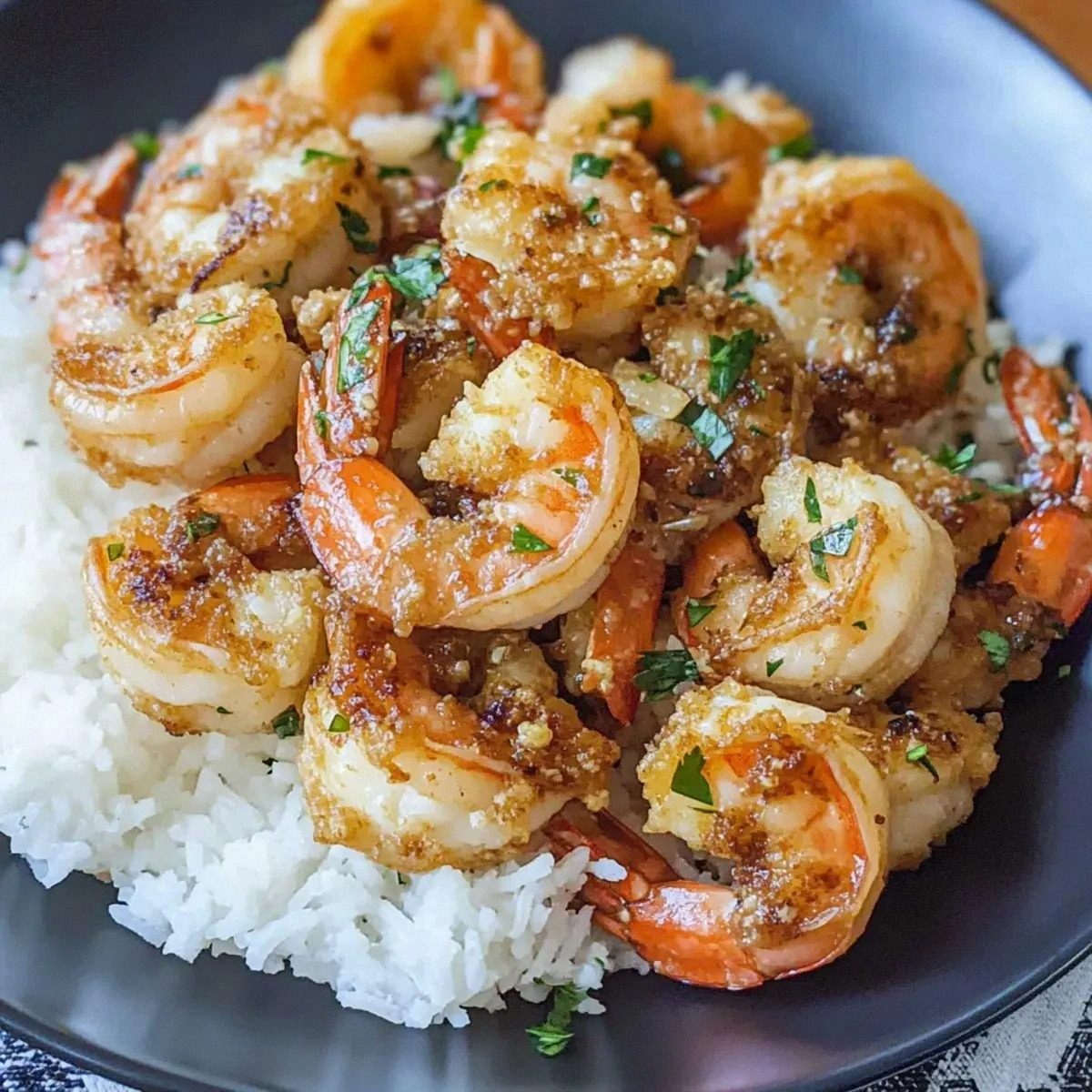
- Cook the shrimp 2 minutes undisturbed. The underside should develop a golden, lacy crust that looks like toasted coconut. Flip each shrimp with tongs, add the remaining 2 tablespoons of butter, and cook another 90 seconds. Total time depends on size—when the flesh turns opaque and the shells blush pink-orange, you're done. Overcooking happens fast; if you're unsure, err on the side of slightly under because carry-over heat finishes them while they rest.
- Return the reserved garlic to the pan, squeeze in the lemon juice, and toss everything for 15 seconds so the sauce emulsifies and coats each crustacean like glossy lacquer. Taste a drop of the sauce—if it needs brightness, add more lemon; if it needs depth, a quick splash of soy or fish sauce works wonders. Kill the heat, scatter rice onto plates, and spoon shrimp plus every last drop of buttery gold over the top. Finish with lemon zest and maybe chopped parsley if you want to look fancy.
That's it—you did it. But hold on, I've got a few more tricks that'll take this to another level...
Insider Tricks for Flawless Results
The Temperature Rule Nobody Follows
Most home cooks chicken out and keep the heat at medium, terrified of scorching garlic. Big mistake. You need medium-high to drive off moisture fast so the flour crisps instead of turning gummy. Think of it like driving stick: you shift gears quickly, then back off once you see color. Start high, drop to medium the second the garlic hits pale gold, and kill the heat entirely when you add lemon juice. Your shrimp will snap, the sauce will gloss, and your smoke alarm stays silent.
Why Your Nose Knows Best
Ignore the clock and trust your olfactory system. When the garlic smells like you've walked into a bakery baking garlic bread, it's ready for shrimp. When the butter smells nutty and the kitchen feels like a movie theater lobby, flip the crustaceans. When the first whiff of sweet citrus hits, pull the pan off the burner. A friend tried skipping this sensory check once—let's just say her shrimp resembled pencil erasers and the fire department paid a visit.
The 5-Minute Rest That Changes Everything
After cooking, let the shrimp lounge in the pan off-heat for five minutes. The carry-over heat finishes the center gently, and the flour absorbs sauce, turning from crunchy to crackly-chewy in the best way. Tent the pan with foil so they stay warm but can breathe; trapping steam makes the coating soggy. During this window, fluff your rice with a fork so each grain stands proud and ready to receive that buttery shower.
Creative Twists and Variations
This recipe is a playground. Here are some of my favorite ways to switch things up:
Spicy Volcano Shrimp
Swap half the paprika for Korean gochugaru or cayenne. Add a tablespoon of sambal oelek when you return the garlic to the pan. The heat blooms in layers—first a gentle tingle, then a back-of-the-throat glow that begs for an ice-cold lager. Finish with sliced scallions and a whisper of toasted sesame oil. If you've ever struggled with one-note spicy food, you're not alone—and I've got the fix.
Coconut Curry Escape
Replace the olive oil with coconut oil and whisk a teaspoon of red curry paste into the flour. Use coconut milk instead of water for the rice, and finish with lime zest plus chopped cilantro. The sauce turns sunset-orange and tastes like a beach party in Phuket. Bonus points for sprinkling toasted coconut flakes on top for crunch.
Smoky Bacon Shorebreak
Render two strips of bacon until crisp, remove, and use the bacon fat plus butter for the garlic. Crumble the bacon over the finished dish. The smoky pork fat mingles with the shellfish in a way that makes you question why surf-and-turf ever went out of style. Future pacing: picture yourself pulling this out of the oven, the whole kitchen smelling like a Hawaiian luau met a Southern brunch.
Miso Butter Upgrade
Stir a tablespoon of white miso into the butter before it hits the pan. Miso adds insane umami depth that makes the garlic taste roasted even when it isn't. It's the secret handshake between land and sea, and it keeps vegetarians happy if you swap tofu for shrimp. Don't tell anyone how easy it is—they'll think you're a wizard.
Citrus Swap Series
Swap lemon for Meyer lemon if you want softer acidity, or blood orange for a berry-like perfume. Lime turns the dish into a margarita-ready version that begs for a salted rim cocktail on the side. Yuzu is outrageous if you can find it—floral, piney, and so addictive you'll be tempted to drink the sauce straight from the pan. I dare you to taste this and not go back for seconds.
Storing and Bringing It Back to Life
Fridge Storage
Cool leftovers within two hours and stash in an airtight container. They'll keep three days, though the coating softens as the flour absorbs sauce. Store shrimp and rice separately if possible; the rice tightens up less when it's not bathing in butter. Add a tiny splash of water before reheating—it steams back to perfection.
Freezer Friendly
Freeze only the shrimp, not the rice. Arrange cooled shrimp in a single layer on a parchment-lined sheet pan, freeze until solid, then transfer to a zip-bag. They'll keep two months. Reheat straight from frozen in a covered skillet with a splash of water over medium-low heat, then boost with a pat of fresh butter and lemon to wake up the flavors.
Best Reheating Method
Skip the microwave unless you enjoy rubber seafood. Instead, warm a skillet over medium, add a teaspoon of water, then the shrimp. Cover for 90 seconds so gentle steam heats them through. Remove the lid, crank heat to high for 30 seconds to re-crisp the coating, and finish with a quick butter gloss. They'll taste 90 percent as good as fresh, which is 100 percent better than takeout.