Picture this: I’m standing in my cramped kitchen, a half‑peeled pineapple on the counter, a bottle of dark rum on the shelf, and a mischievous grin on my face. I’ve been chasing that elusive, caramel‑sweet, tropical crunch for weeks, and today I finally cracked the code. I dared my friends to taste this and not go back for seconds, and they didn’t even come close to saying “I’m full.” That’s the kind of confidence that turns a simple recipe into a kitchen legend.
The first thing that hits you is the aroma—rich, rum‑infused sweetness mingling with the sharp, citrusy perfume of fresh pineapple. It’s the scent that makes the whole room feel like a sun‑kissed beach, even though we’re surrounded by stainless steel. When the first slice hits the hot oil, you hear a satisfying sizzle, a crackle that’s almost music, and the scent of caramelized sugar dances in the air. The sound, the smell, the sight—every sense is pulled into the moment, and you can’t help but feel like a culinary pirate finding buried treasure.
What sets this version apart is not just the ingredients but the technique. I soaked the pineapple slices in rum for thirty minutes, allowing the alcohol to penetrate the fruit’s fibers, turning each bite into a burst of tropical depth. Then I coated them in a dry mix of flour and coconut flakes, creating a crunchy shell that cracks like thin ice when you bite. The final touch? A sprinkle of cinnamon that whispers a subtle warmth, turning the dish into a sensory symphony rather than a simple snack.
Most recipes for fried pineapple get it wrong by frying raw slices that dry out or by using too much sugar that makes the coating soggy. I discovered that the key is to dry the pineapple slices thoroughly before soaking, to let the rum evaporate a bit, and to fry at a steady medium heat. The result is a golden exterior that’s crisp on the outside and juicy on the inside, with a rum‑infused glaze that coats every bite like velvet. I’m talking about a dish that will have your guests asking for the recipe, then begging for a second plate.
If you’re ready to elevate your snack game, let me walk you through every single step. By the end, you’ll wonder how you ever made it any other way. I promise you, this is hands down the best version you’ll ever make at home. And trust me—if you’ve ever struggled with making fried pineapple, you’re not alone. I’ve got the fix, and it’s going to blow your taste buds.
What Makes This Version Stand Out
- Depth of Flavor: The rum soak infuses each slice with a complex, almost smoky sweetness that balances the natural tartness of pineapple. The result is a multi‑layered taste that lingers on the palate.
- Crisp Texture: The combination of flour and coconut flakes creates a coating that crisps up beautifully while maintaining a tender interior.
- Simple Ingredients: No fancy sauces or exotic spices—just a handful of pantry staples, making it accessible for any home cook.
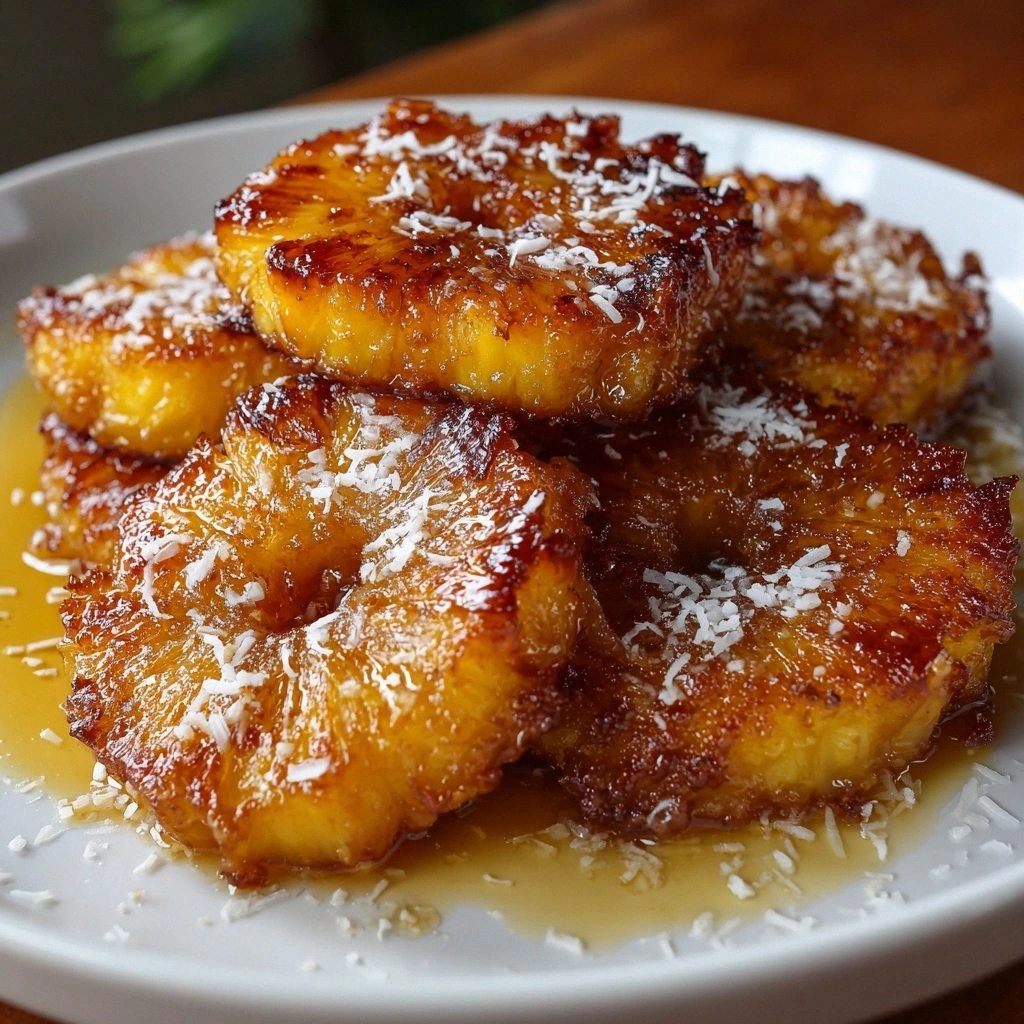
- Instant Crowd‑Pleaser: The visual appeal of the golden, caramelized slices and the aromatic rum scent guarantee instant applause at any gathering.
- Versatile Prep: You can make the batter ahead of time, soak the pineapple in advance, and fry when you’re ready, making it a perfect make‑ahead snack.
- Health‑Friendly Twist: Swap brown sugar for coconut sugar to reduce the glycemic load without compromising flavor.
- Make‑Ahead Potential: The soaked slices can be stored in the refrigerator for up to two days, ready to fry in minutes.
- Unique Presentation: Serve on a bed of fresh mint or drizzle with a lime‑coconut glaze for an extra pop of color and flavor.
Alright, let’s break down exactly what goes into this masterpiece…
Inside the Ingredient List
The Flavor Base
Pineapple is the star of this dish, but not just any pineapple will do. Look for one that’s fragrant, slightly soft to the touch, and free of bruises. A ripe pineapple brings natural sweetness that pairs perfectly with the rum. If you skip this step and use an overripe fruit, you’ll end up with a mushy texture that defeats the crisp coating.
Dark Rum is the secret sauce that turns ordinary fried pineapple into a tropical masterpiece. It adds depth, a hint of caramel, and a subtle smokiness that lingers. If you prefer a milder flavor, you can reduce the amount or use a light rum, but the richness will be noticeably less.
The Texture Crew
Flour creates the foundation of the crispy coating. All‑purpose flour works great, but you can switch to a gluten‑free blend if you’re avoiding gluten. The flour should be sifted to avoid clumps, ensuring an even, light batter. Skipping the flour will leave you with a soggy, uneven crust.
Coconut Flakes add a delightful crunch and a subtle nutty flavor that complements the pineapple’s tropical vibe. Use unsweetened flakes for a more authentic taste; sweetened flakes will make the dish overly sugary. If you omit the coconut, the coating will still be good, but you’ll miss that extra textural dimension.
The Unexpected Star
Brown Sugar caramelizes beautifully, enhancing the sweetness of the pineapple and creating a glossy glaze. You can substitute coconut sugar for a healthier option, but it will change the caramelization slightly. If you skip the sugar, the coating will be dry and lack the caramel finish.
Cinnamon is optional but highly recommended. It adds a warm spice that complements the tropical flavors perfectly, giving the dish a subtle kick. A pinch of cinnamon can elevate the entire flavor profile; without it, the dish feels a bit flat.
The Final Flourish
Oil for frying should have a high smoke point, such as vegetable or canola oil. This ensures the coating crisps without burning and keeps the pineapple juicy inside. Use enough oil to submerge the slices; a shallow pan can cause uneven frying.
If you’re watching your calorie intake, you can opt for a non‑stick skillet and a light spray of oil, but the texture will be slightly different. The key is to keep the oil hot enough that the coating turns golden quickly, preventing the pineapple from absorbing too much oil.
Everything's prepped? Good. Let's get into the real action…
The Method — Step by Step
- Prep the Pineapple: Slice the pineapple into 1/4‑inch thick rings, then cut each ring into wedges. Pat them dry with a clean towel to remove excess moisture; this helps the coating stick. I always double‑check for any bruises that could cause uneven cooking. Once dry, set them aside on a tray.
- Soak in Rum: Place the pineapple wedges in a shallow dish and pour enough dark rum to just cover them. Let them soak for 30 minutes—this is where the flavor magic happens. The alcohol evaporates slightly, leaving a sweet, smoky glaze on the fruit. After soaking, pat the wedges dry again before coating.
- Prepare the Coating: In a shallow bowl, whisk together 2 cups of flour, 1 cup of coconut flakes, 0.75 cup of brown sugar, 0.5 tsp of cinnamon, and a pinch of salt. The mixture should be dry and free of clumps. A small whisk will help distribute the spices evenly.
- Coat the Pineapple: Toss each soaked wedge in the flour mixture until fully coated. Shake off any excess; you want a light, even layer. The coating should cling like a second skin. If you notice clumps, sift the mixture again.
- Heat the Oil: Pour about 1/4 cup of oil into a large skillet and heat it over medium heat. Test the temperature by dropping a pinch of flour; if it sizzles immediately, the oil is ready. Too hot and the coating will burn; too cool and it will become greasy.
- Fry the Wedges: Add the coated pineapple to the hot oil in a single layer, being careful not to overcrowd the pan. Fry for 3–4 minutes on each side, or until golden brown and crisp. The edges will start pulling away, and you’ll hear a satisfying crackle. Flip with tongs to avoid breaking the coating.
- Drain and Rest: Transfer the fried wedges to a paper towel‑lined plate to drain excess oil. Let them rest for 2 minutes; this allows the coating to set and the juices to redistribute.
- Serve Immediately: Garnish with a sprinkle of fresh mint or a squeeze of lime for a bright contrast. Serve hot, while the coating is still crunchy and the pineapple juices are at their peak. The aroma alone will have everyone lining up for a bite.
That’s it—you did it! But hold on, I’ve got a few more tricks that will take this to another level…
Insider Tricks for Flawless Results
The Temperature Rule Nobody Follows
Maintaining a steady oil temperature of about 350°F (175°C) is crucial. If the oil is too hot, the coating will burn before the pineapple cooks through. If it’s too cool, the coating absorbs oil and becomes soggy. Use a thermometer or test with a small piece of batter; it should sizzle gently and rise to the surface within seconds.
Why Your Nose Knows Best
As the pineapple cooks, a sweet, caramelized scent will fill the kitchen. Trust that aroma—it’s a sign the sugars are browning just right. If the smell is faint, the oil isn’t hot enough; if it’s overpoweringly sweet, the sugar is burning.
The 5‑Minute Rest That Changes Everything
Letting the fried wedges rest on a paper towel for two minutes isn’t just about draining oil. It allows the coating to set, creating a crispier texture. A friend once skipped this step and ended up with a soggy bite that made everyone laugh.
The Quick Flip Trick
Use a wide spatula to flip the wedges in one smooth motion. This reduces the chance of breaking the coating. The first flip is the hardest; practice makes perfect.
The Coconut Twist
If you love coconut, sprinkle toasted coconut flakes over the finished dish. The toasting adds a nutty aroma that complements the rum. It’s an easy way to elevate the dish for a special occasion.
Creative Twists and Variations
This recipe is a playground. Here are some of my favorite ways to switch things up:
Spicy Rum‑Infused Pineapple
Add a pinch of cayenne pepper to the coating mix. The heat balances the sweetness, creating a bold flavor profile that’s perfect for summer barbecues.
Citrus‑Coconut Glaze
Drizzle a glaze made from lime juice, honey, and toasted coconut flakes over the fried wedges. The citrus tang cuts through the richness and adds a fresh finish.
Sweet & Savory Skewers
Thread the fried pineapple onto skewers with chunks of pineapple, bell pepper, and shrimp. Grill for an extra char and serve with a garlic‑herb dip.
Mango‑Rum Fusion
Swap half the pineapple for diced mango. The mango adds a sweet, tropical nuance that complements the rum and cinnamon.
Chocolate‑Rum Surprise
Dust the finished wedges with cocoa powder and a drizzle of dark chocolate. The bittersweet chocolate pairs beautifully with the rum, creating a dessert‑like experience.
Almond‑Crunch Variation
Replace coconut flakes with finely chopped toasted almonds. The nutty crunch gives a new texture and a subtle earthiness that pairs well with the tropical flavors.
Storing and Bringing It Back to Life
Fridge Storage
Store the fried pineapple in an airtight container at room temperature for up to 24 hours. Keep the container on a cool, dry shelf; the coating will stay crisp if not exposed to moisture.
Freezer Friendly
For longer storage, freeze the fried wedges in a single layer on a parchment‑lined tray for 2–3 days. Once frozen, transfer to a freezer bag. When ready to serve, reheat in a skillet.
Best Reheating Method
Reheat the frozen or refrigerated wedges in a preheated oven at 350°F (175°C) for 5–7 minutes. Add a tiny splash of water before reheating to steam back to perfection, preventing the coating from drying out.