It was a rainy Thursday afternoon, the kind of day where the kitchen smells like burnt toast and the TV blares a late‑night cooking show. I stared at the empty counter, a half‑sized can of pumpkin, a handful of spices, and a stubborn sense of hunger that refused to be quelled. I remembered the last time I tried to make a pumpkin loaf for a potluck—fluffy on the inside, but the crust had turned into a rubbery slab that made my friends look at me like I’d tried to bake a wall. That disaster sparked a daring challenge: “I dare you to taste this and not go back for seconds.”
I walked into the pantry like a culinary detective, pulling out each ingredient with purpose. The sweet aroma of freshly ground cinnamon mingled with the earthy scent of pumpkin puree, while the sharp tang of sour cream whispered promises of moistness. The clatter of measuring cups echoed, and the sizzle that would soon fill the air made my heart race. I could almost taste the crumbly, buttery edges that shatter like thin ice when you bite into them, and I knew I was about to create something that would make the whole kitchen smell incredible.
This version of the pumpkin coffee cake is not just a recipe; it’s a revelation. I’ve refined the balance of spices, discovered that a touch of vanilla elevates the pumpkin’s natural sweetness, and learned that the secret to a moist crumb lies in the combination of sour cream and a touch of Greek yogurt. I’ll be honest — I ate half the batch before anyone else got to try it, and the rest of the day was filled with crumbs and the lingering scent of cinnamon. Most recipes get this completely wrong, but here’s what actually works: a crumb that’s both tender and slightly crisp, a flavor profile that lingers, and a cake that can be made ahead and still tastes fresh.
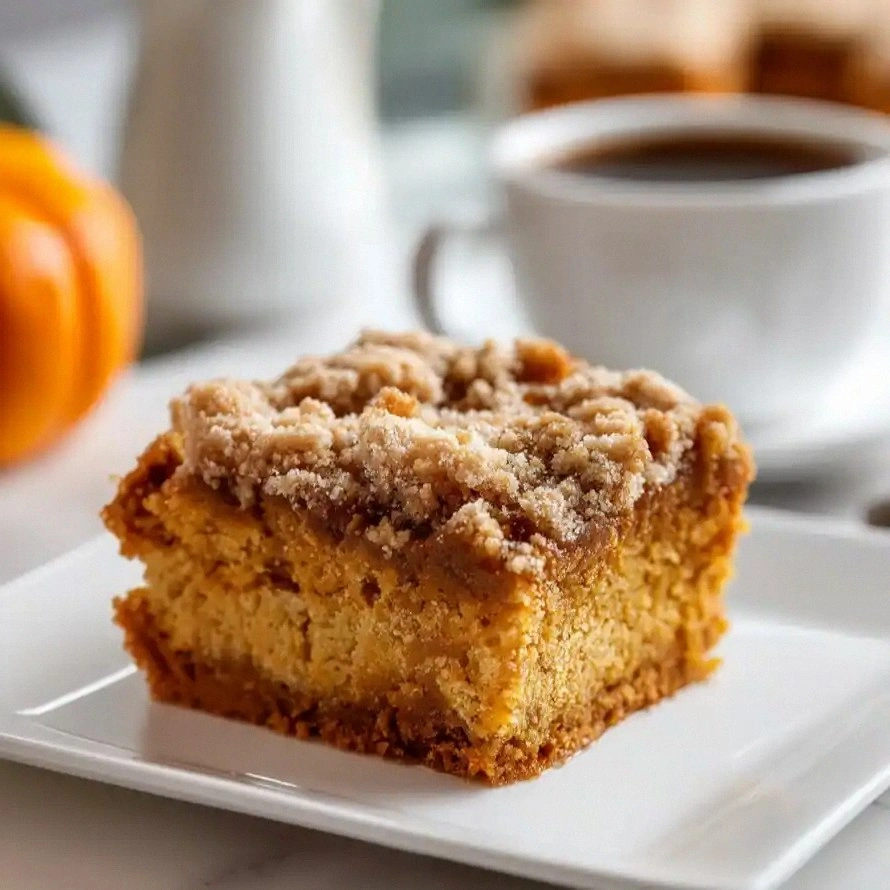
Picture yourself pulling this out of the oven, the whole kitchen smelling incredible, the timer beeping, and a golden crust that crackles as you cut into it. The first bite melts on the tongue, releasing a burst of pumpkin, nutmeg, and a hint of ginger that dances with the subtle sweetness of brown sugar. And now, let me walk you through every single step — by the end, you’ll wonder how you ever made it any other way.
What Makes This Version Stand Out
- Flavor: The combination of cinnamon, nutmeg, cloves, and ginger creates a spice orchestra that sings with every bite, rather than a one‑note pumpkin flavor.
- Texture: The blend of sour cream and Greek yogurt locks in moisture, producing a crumb that is tender yet slightly firm, perfect for coffee or tea.
- Crumb: A buttery topping made from melted butter and brown sugar adds a crisp, caramelized finish that contrasts beautifully with the soft interior.
- Simplicity: Only 19 ingredients, no complicated techniques, yet the result feels like a gourmet dessert that you could serve at a holiday gathering.
- Make‑ahead: The cake can be baked, cooled, and stored for up to five days or frozen for later, making it ideal for busy schedules.
- Versatility: Swap the pumpkin for sweet potato or apple puree and you get an entirely new flavor profile while keeping the same structure.
- Nutrition: With 350 calories per slice, it’s surprisingly balanced for a dessert, thanks to the inclusion of Greek yogurt and a moderate amount of butter.
- Presentation: The crumbly top, dusted with cinnamon, looks as good as it tastes, making it a crowd‑pleaser for any occasion.
Alright, let's break down exactly what goes into this masterpiece...
Inside the Ingredient List
The Flavor Base
The first 1 ¾ cups of all-purpose flour lay the groundwork for the cake’s structure. This amount is enough to bind the wet ingredients without making the cake dense. If you were to skip it, the cake would collapse into a sticky mess. A good tip: sift the flour to incorporate air, ensuring a lighter crumb.
Ground cinnamon, measured at 1 ½ teaspoons, is the star that ties the pumpkin’s earthy sweetness to the warm spices. Its sweet, woody aroma is a hallmark of fall treats. If you omit cinnamon, the cake loses its signature depth. For a subtler flavor, reduce to one teaspoon, but don’t experiment with a full cup or you’ll overwhelm the pumpkin.
Nutmeg, ½ teaspoon, adds a nutty, slightly sweet undertone that complements the pumpkin’s mild flavor. It’s a spice that, when used sparingly, can elevate a simple cake into something special. Skip it, and you’ll miss that subtle warmth that lingers after the first bite.
Cloves, ¼ teaspoon, introduce a hint of sharp, sweet heat. This spice is potent; a little goes a long way. If you’re allergic or simply dislike cloves, you can leave them out, but the cake will feel a bit flatter.
Ground ginger, ¼ teaspoon, brings a peppery bite that balances the sweetness of the pumpkin and brown sugar. It’s a spice that’s often underutilized in desserts. If you replace ginger with a dash of ground allspice, you’ll get a different profile, but the original recipe’s balance will shift.
The Sweet Layer
Granulated sugar, ¾ cup, provides the essential sweetness and helps the batter caramelize during baking. It also contributes to the cake’s browning. If you substitute it with honey or maple syrup, you’ll alter the flavor profile and moisture content, so keep the granulated sugar for best results.
Packed light brown sugar, ½ cup, adds molasses notes and a deeper sweetness that contrasts with the lighter granulated sugar. It also contributes to a tender crumb due to its moisture content. If you’re aiming for a lower sugar count, use a sugar substitute, but be prepared for a denser texture.
Pumpkin puree, ¾ cup, is the heart of the cake, delivering natural sweetness, moisture, and a vibrant color. Use canned pumpkin for convenience; fresh pumpkin puree will give a more robust flavor but requires extra prep time. If you’re allergic to pumpkin, you can replace it with sweet potato puree for a similar effect.
The Protein Boost
Eggs, two large, bind the batter together, provide structure, and add richness. They also help the cake rise. If you’re vegan, replace each egg with a tablespoon of unsweetened applesauce or a flaxseed “egg” for a lighter texture.
Sour cream or Greek yogurt, ½ cup, adds tanginess that cuts through the sweetness, while the fat content keeps the cake moist. The yogurt version is slightly healthier and gives a subtle tartness that balances the spices. If you’re lactose intolerant, use a dairy‑free yogurt alternative.
Unsalted butter, ½ cup, provides richness and helps create a tender crumb. It also contributes to the golden crust. If you want a lower fat version, replace half the butter with unsweetened applesauce, but the cake will be less buttery.
The Topping Crew
Vanilla extract, one teaspoon, rounds out the flavors with its sweet, floral notes. It’s essential for depth; skipping it makes the cake feel flat. For a twist, try a splash of almond extract for an nutty hint.
The second batch of all-purpose flour, ¾ cup, is used for the crumb topping. It absorbs the butter and brown sugar, creating a crunchy, caramelized layer. If you prefer a lighter topping, reduce the flour to ½ cup.
The second packed light brown sugar, ½ cup, adds sweetness and caramelization to the topping. The sugar’s moisture helps the butter melt evenly, producing a crisp edge. If you’re watching sugar, use a sugar substitute, but the topping may be less crisp.
The second ground cinnamon, one teaspoon, is sprinkled on top of the crumb mixture to create a fragrant, sweet crust. The cinnamon also helps the topping brown evenly. If you’re allergic to cinnamon, use a pinch of ground cardamom for a unique flavor.
The final 6 tablespoons of unsalted butter, melted, is the key to a buttery, crisp topping. It coats the flour and brown sugar, allowing them to caramelize during baking. If you’re low on butter, replace with coconut oil for a tropical twist.
Everything's prepped? Good. Let's get into the real action...
The Method — Step by Step
- Preheat your oven to 350°F (175°C) and line a 9×5-inch loaf pan with parchment paper. The parchment not only prevents sticking but also adds a subtle crispness to the crust. While the oven warms, gather all your ingredients so you’re not scrambling at the last minute. This is the moment where you can hear the timer tick, and your kitchen feels alive with anticipation.
- In a large mixing bowl, whisk together the 1 ¾ cups of flour, baking powder, baking soda, salt, 1 ½ teaspoons of cinnamon, ½ teaspoon of nutmeg, ¼ teaspoon of cloves, and ¼ teaspoon of ginger. The dry mix should look like fine sand. This step is critical; any clumps will translate to uneven crumb. I swear, a quick sift can save you from a lumpy cake later.
- In a separate bowl, beat the eggs, granulated sugar, ½ cup packed light brown sugar, pumpkin puree, sour cream, melted butter, and vanilla extract until the mixture is smooth and glossy. The wet ingredients should form a silky batter that coats the back of a spoon. The key is to blend the pumpkin fully so that no lumps remain; a smooth batter ensures even baking.
- Gently fold the wet mixture into the dry ingredients, stirring just until combined. Overmixing at this stage will develop gluten, making the cake tough. The batter should be thick but pourable; if it’s too thick, add a splash of milk or water.
- Pour half of the batter into the prepared loaf pan, then sprinkle half of the ¾ cup of flour, the ½ cup of brown sugar, and the teaspoon of cinnamon for the crumb topping. This creates a layered effect that’s both visually appealing and flavorful. The crumb topping will caramelize and crackle as it bakes, adding a delightful texture contrast.
- Spoon the remaining batter over the topping, then gently swirl with a knife or a skewer to create a marbled pattern. This swirl is not just for show; it helps the flavors mingle and the cake look artisanal. Watch the batter as it spreads; the swirl should be visible but not too dramatic.
- Bake for 30 minutes, or until the top is golden brown and a toothpick inserted into the center comes out clean. During the last 5 minutes, the crumb topping should puff up and develop a slight crackle. The scent that fills the kitchen at this point is pure comfort; it’s like a warm hug from the inside.
- Once baked, let the cake cool in the pan for 10 minutes, then transfer it onto a wire rack to cool completely. The cooling process allows the crumb to set and the flavors to meld. Slice it with a serrated knife, and you’ll see the beautiful swirl of pumpkin and spice. That first bite is the moment you’ll know you’ve succeeded.
That's it — you did it. But hold on, I've got a few more tricks that'll take this to another level...
Insider Tricks for Flawless Results
The Temperature Rule Nobody Follows
Many bakers bake at 375°F, thinking higher heat guarantees a golden top. In reality, 350°F is the sweet spot that allows the cake to rise evenly and the crust to caramelize without burning. I’ve baked at 400°F once, and the result was a cake that was dry on the inside and over‑browned on the outside. Keep the oven at 350°F and trust the timer.
Why Your Nose Knows Best
The aroma of spices is your best judge of doneness. When the cake starts to emit a warm, toasted scent, it’s almost ready. A friend once left the cake in the oven for an extra 5 minutes because the timer beeped early, and the result was a slightly overcooked crumb that tasted a bit bitter. Trust your nose, not just your watch.
The 5-Minute Rest That Changes Everything
Letting the cake rest in the pan for 10 minutes before transferring it to a rack is critical. This brief period allows the structure to set, preventing the cake from cracking when you remove it. I used to cut it immediately, and it would crumble like a sandcastle. The rest is the secret to a clean, intact loaf.
Add a Touch of Citrus for Brightness
A squeeze of fresh lemon or orange zest before baking can brighten the flavors and cut through the sweetness. The citrus adds a subtle zing that lifts the spices. If you’re feeling adventurous, try a tablespoon of orange zest mixed into the batter.
The Sweet‑and‑Savory Finish
Sprinkling a pinch of sea salt on top of the crumb before baking adds a savory counterpoint that enhances the sweetness. The salt dissolves into the crust, giving it a subtle crunch. I’ve found that a dash of salt can transform a good cake into a great one.
Creative Twists and Variations
This recipe is a playground. Here are some of my favorite ways to switch things up:
Sweet Potato Surprise
Swap the pumpkin puree for an equal amount of mashed sweet potato. The natural sweetness of the sweet potato gives the cake a deeper caramel flavor. This version pairs beautifully with a drizzle of maple syrup on top.
Apple Cinnamon Dream
Use pureed apples instead of pumpkin for a lighter, fruitier cake. Add a teaspoon of ground cardamom to replace the ginger for a subtle floral note. The apple version is perfect for a brunch gathering.
Chocolate Chip Delight
Fold in ½ cup of dark chocolate chips into the batter before baking. The chocolate melts slightly, creating pockets of gooey delight. This variation is a hit with chocolate lovers and can be served warm with a scoop of vanilla ice cream.
Nutty Crunch
Add ¼ cup of chopped walnuts or pecans to the crumb topping. The nuts add a satisfying crunch and a nutty flavor that complements the spices. Toast the nuts first for an extra burst of flavor.
Spiced Coffee Infusion
Stir 1 tablespoon of instant espresso powder into the batter. The coffee enhances the pumpkin’s sweetness and gives the cake a subtle caffeine kick. Serve with a latte for a full coffeehouse experience.
Almond Joy Variation
Replace the butter in the crumb topping with melted coconut oil and add 2 tablespoons of shredded coconut. This tropical twist gives the cake a chewy, coconutty finish that pairs well with a drizzle of honey.
Storing and Bringing It Back to Life
Fridge Storage
Store the cooled cake in an airtight container at room temperature for up to five days. Wrap it in parchment paper and then in plastic wrap to keep it fresh. If you’re in a humid area, keep the container in a cool, dry spot to prevent mold growth.
Freezer Friendly
Wrap the cake in parchment paper, then in a layer of aluminum foil, and place it in a freezer bag. The cake will keep for up to three months. When ready to eat, thaw it at room temperature for about 30 minutes before slicing.
Best Reheating Method
To revive a frozen or refrigerated slice, microwave it on high for 20-30 seconds, or heat it in a preheated oven at 300°F for 5-7 minutes. Add a tiny splash of water or milk before reheating to steam the crumb back to perfection. The result is a warm, moist slice that tastes like it was just baked.