Love this? Pin it for later! 📌
Orange-Glazed Roasted Root Vegetables for Cozy Winter Meals
A vibrant, one-pan winter warmer that turns humble roots into a glossy, caramelized show-stopper.
Every January, when the farmers' market looks more like a root-cellar treasure hunt than a produce paradise, I find myself reaching for this recipe. It started eight years ago on a bone-chilling Sunday when my in-laws announced an impromptu visit and my fridge held nothing but a bag of mixed roots, two navel oranges, and a knob of ginger. I roasted, I whisked, I prayed—and out came a sheet-pan masterpiece that had my father-in-law (a self-proclaimed beet skeptic) going back for thirds. Since then, these glossy jewels have graced our table at potlucks, Christmas Eve buffets, and every “I’m-too-tired-to-cook” weeknight. The scent of orange zest mingling with earthy parsnips and thyme has become my edible hygge: proof that winter comfort food can be dazzlingly colorful, nutrient-dense, and still feel like a soft blanket around your shoulders.
Why This Recipe Works
- One-pan wonder: Everything roasts together while you sip cocoa—minimal dishes, maximum flavor.
- Triple-layer orange: Zest, juice, and a final glossy reduction give three hits of citrus without cloying sweetness.
- Texture contrast: High-heat roast plus a last-minute broil create crispy edges and creamy centers.
- Make-ahead friendly: Roast and glaze up to three days ahead; rewarm at 350°F for 10 minutes.
- Vegan & gluten-free: Naturally allergen-friendly, so everyone at the table can dig in.
- Holiday gorgeous: Ruby beets, sunset carrots, and emerald parsley deliver Instagram-ready color.
- Budget-smart: Roots cost pennies per pound, especially when you buy them unwashed and in bulk.
Ingredients You'll Need
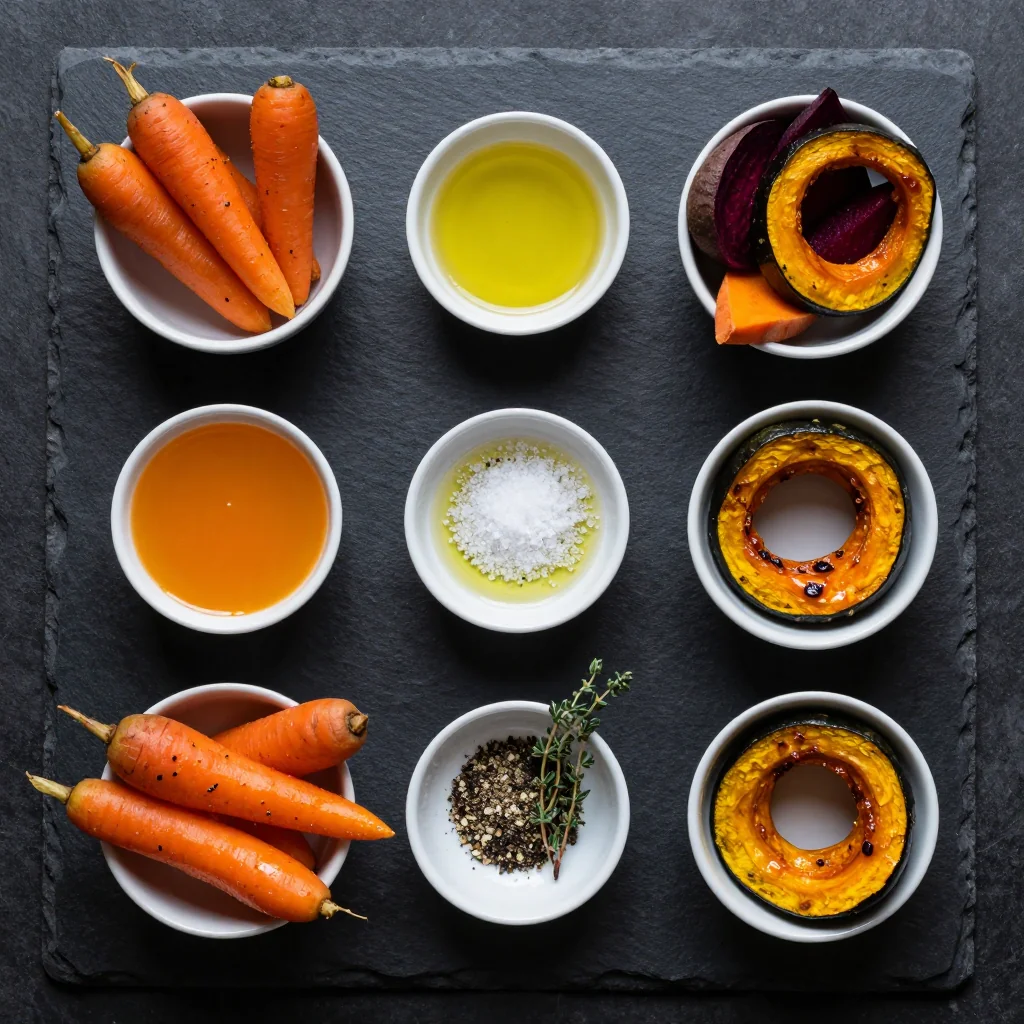
Think of this ingredient list as a winter roots greatest-hits album. Each vegetable brings its own personality—parsnips’ honeyed perfume, beets’ mineral sweetness, carrots’ sunshine snap—while the orange glaze conducts them into harmonious balance.
Beets: Look for firm, golf-ball-sized specimens with taut skin and fresh-looking greens still attached (you can sauté those later). Golden beets bleed less and keep the color palette bright, but Chioggia candy-stripes add retro flair. Avoid spongy or shriveled spots.
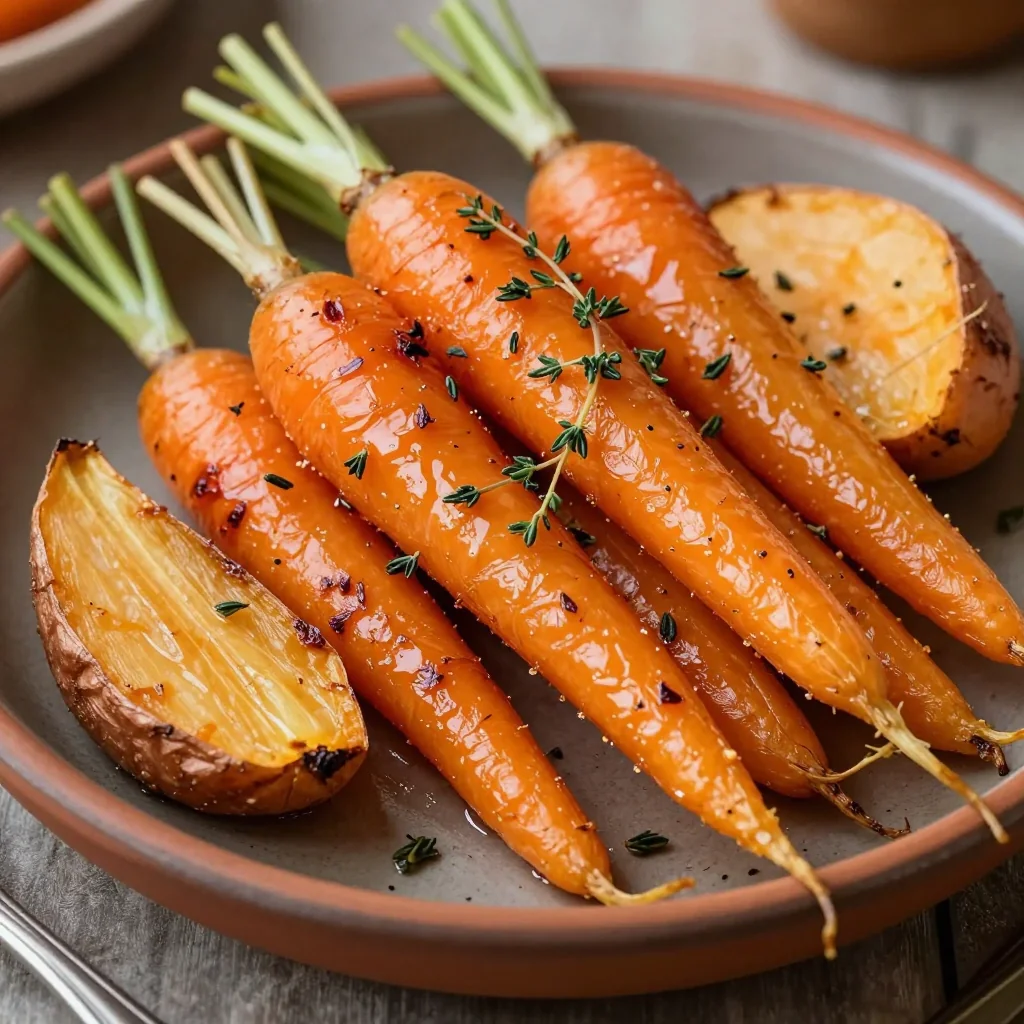
Carrots: Choose slender, evenly sized carrots so they roast at the same rate. Organic heirloom bunches in purple, yellow, and classic orange turn the platter into edible confetti. If you can only find monster carrots, quarter them lengthwise.
Parsnips: The colder the soil, the sweeter the parsnip—winter is their moment. Peel only if the skins are thick; otherwise, a good scrub retains nutrients. Remove the woody core from oversized specimens by slicing it out in a V-shape.
Sweet Potato: A small Japanese satsumaimo adds chestnut-like creaminess, but Garnet or Jewel work just as well. Skip the orange-fleshed supermarket behemoths if they look sprouted or have green tinges.
Orange: Use unwaxed, organically grown fruit since you’ll be zesting the peel. Blood orange lends dramatic magenta tones; Cara Cara offers subtle berry notes. Whatever you choose, zest before juicing—life is too short to microplane a spent half.
Maple Syrup: Grade B (now labeled Grade A Dark) stands up to the earthy roots with robust, molasses-adjacent depth. Date syrup or pomegranate molasses swap in for a lower-glycemic spin.
Fresh Thyme: Winter thyme is woodier; strip the leaves by pinching the top and sliding fingers downward. Save the stems for simmering in the glaze—easy herbal boost.
Extra-Virgin Olive Oil: Choose a buttery, mild oil so the orange remains center stage. A peppery Tuscan oil can clash; reach for Arbequina or a mellow Greek bottle.
How to Make Orange-Glazed Roasted Root Vegetables for Cozy Winter Meals
Preheat & Prep
Position rack in the lower-middle of the oven and preheat to 425°F (220°C). Line two rimmed sheet pans with parchment; the rims corral the glaze, and parchment saves scrubbing later. While the oven heats, peel and cut vegetables: aim for ¾-inch chunks so they roast evenly but don’t shrivel into matchsticks.
Season & Spread
Toss vegetables in a large bowl with 3 Tbsp olive oil, 1½ tsp kosher salt, ½ tsp black pepper, and leaves from 4 thyme sprigs. Divide between the two pans in a single layer with space around each piece—crowding equals steam, and you want caramelization.
Initial Roast
Slide pans into the oven and roast 20 minutes. Rotate pans front-to-back and switch shelves for even browning. Continue roasting another 15–20 minutes, until edges are bronzed and a paring knife slides through the sweet potato with gentle resistance.
Build the Glaze
While vegetables roast, whisk ½ cup fresh orange juice, zest of 1 orange, 2 Tbsp maple syrup, 1 Tbsp tamari, 1 tsp grated fresh ginger, and 1 small smashed garlic clove in a saucepan. Simmer over medium heat until reduced to ⅓ cup and syrupy enough to coat a spoon, 8–10 minutes. Discard garlic.
Glaze & Finish
Drizzle ¾ of the glaze over the vegetables and toss with a spatula. Roast 5 minutes more, then broil on high 2–3 minutes until edges bubble and char in spots. Watch closely; the maple burns fast.
Final Shine
Transfer to a warm platter, drizzle remaining glaze, and shower with chopped parsley or mint for color contrast. Serve immediately; the glaze sets as it cools, trapping that irresistible candied sheen.
Expert Tips
Use a ripping-hot oven
425°F is non-negotiable. A lower temp steams vegetables; higher risks scorched glaze. If your oven runs cool, set to 450°F convection.
Pat dry after peeling
Moisture is the enemy of caramelization. Roll cut vegetables in a lint-free towel before oiling for extra-crispy edges.
Color-code your cuts
Keep beets on a separate corner of the pan so their ruby juices don’t stain the golden veggies. Toss them with the glaze separately if you want candy-cane stripes.
Reheat like a pro
Microwaves turn glaze gummy. Warm leftovers in a 375°F skillet with a splash of water and a tight lid for 5 minutes to revive shine.
Double the glaze
If you love saucy vegetables—or want extra for drizzling grilled tofu—make a double batch and reserve half off-heat to avoid cross-contamination from raw produce.
Freeze roasted roots
Freeze undressed roasted vegetables in a single layer, then bag for up to 3 months. Thaw overnight, warm, then glaze just before serving.
Variations to Try
- Spicy Kick: Whisk ½ tsp Aleppo or Urfa pepper into the glaze for subtle heat and brick-red flecks.
- Moroccan Twist: Swap thyme for ½ tsp ras el hanout and finish with toasted slivered almonds and dried sour cherries.
- Citrus Medley: Replace half the orange juice with ruby-grapefruit juice and add strips of candied orange peel for bittersweet complexity.
- Protein-Packed Plate: Roast a block of feta alongside the vegetables for the final 8 minutes; the glaze turns the cheese into a melty, salty counterpart.
- Low-Sugar Option: Replace maple syrup with two pitted Medjool dates blended into the orange juice before reducing.
- Root Swap: Use celery root, rutabaga, or purple sweet potatoes in any ratio—aim for about 3 lbs total.
Storage Tips
Refrigerator: Store cooled vegetables in an airtight container up to 5 days. Keep extra glaze separate in a jar; it thickens into a spread almost like marmalade—delicious on toast with goat cheese.
Freezer: Freeze roasted (but unglazed) vegetables on a parchment-lined tray until solid, then transfer to a zip-top bag. They’ll keep 3 months. Reheat directly from frozen at 400°F for 12 minutes, then glaze.
Make-Ahead Timeline: Roast vegetables and reduce glaze up to 3 days ahead. Reheat vegetables on a sheet pan at 350°F for 8 minutes, then apply glaze and broil as directed.
Frequently Asked Questions
Broil on the middle rack, not the top, and keep the oven door cracked so you can watch. The glaze should bubble, not blacken—pull after 90 seconds if needed.
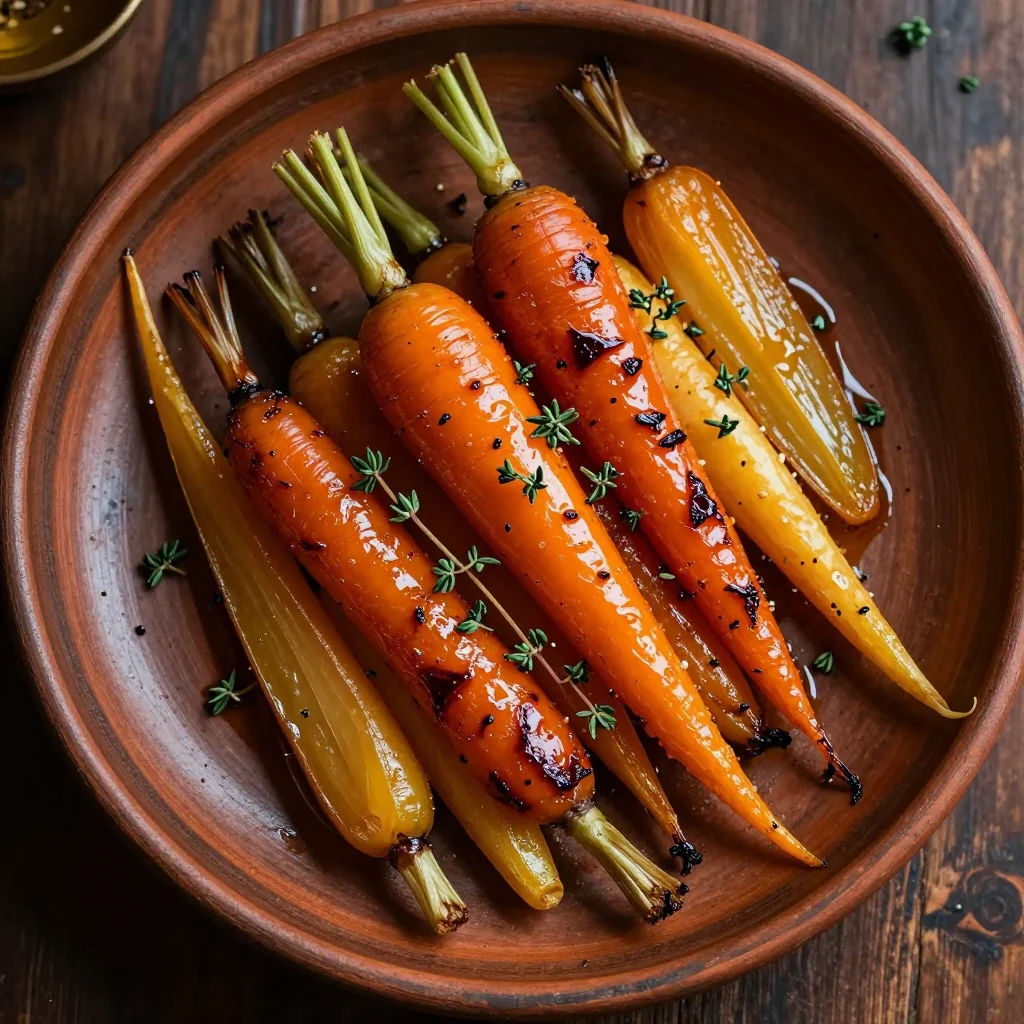
Orange-Glazed Roasted Root Vegetables for Cozy Winter Meals
Ingredients
Instructions
- Preheat: Preheat oven to 425°F. Line two rimmed sheet pans with parchment.
- Season: In a large bowl, toss vegetables with olive oil, salt, pepper, and thyme. Spread on pans in a single layer.
- Roast: Roast 20 minutes, rotate pans, then roast 15–20 minutes more until browned and just tender.
- Glaze: Meanwhile, simmer orange juice, zest, maple syrup, tamari, ginger, and garlic until reduced to ⅓ cup, 8–10 minutes. Discard garlic.
- Finish: Drizzle ¾ of the glaze over vegetables, toss, and broil 2–3 minutes until sticky and charred in spots.
- Serve: Transfer to a platter, drizzle remaining glaze, and sprinkle with parsley. Serve hot or warm.
Recipe Notes
For ultra-crispy edges, peel and cut vegetables the night before; store uncovered in the fridge so surfaces dry out.