Love this? Pin it for later! 📌
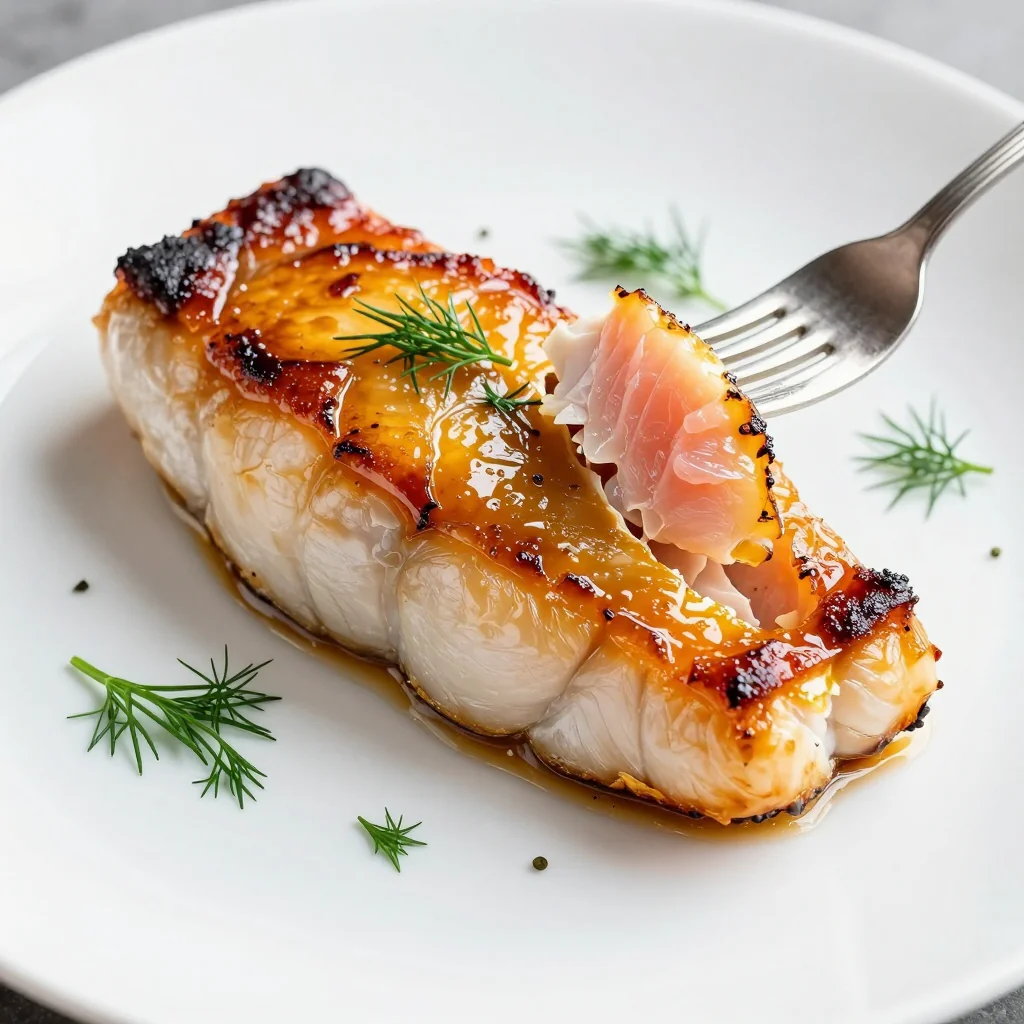
There’s something quietly magical about the first meal you share on January 1st. After the midnight clink of champagne flutes and the last firework has faded, I want food that feels like a deep breath—bright, restorative, and gently optimistic. That’s why, thirteen years ago, I started serving this glazed salmon with dill as our New Year’s Day lunch. The fillets emerge from the oven lacquered in a sweet-tart pomegranate-honey glaze, their edges caramelised, the interior buttery and rose-hued. The scent of fresh dill—grassy, almost citrusy—drifts through the kitchen like a promise that winter can still taste alive. My guests always assume I’ve spent hours, but the truth is simpler: the oven does the heavy lifting while I linger over coffee and relive the night before. Whether you’re feeding ten relatives or treating yourself to a solo celebration of 365 blank pages ahead, this dish turns “healthy” into “heavenly” and sets a deliciously hopeful tone for the year.
Why This Recipe Works
- One-pan elegance: everything roasts together on a single sheet tray—minimal washing-up, maximum flavour.
- Balanced glaze: pomegranate molasses and honey create sticky shine without cloying sweetness; a whisper of soy adds umami depth.
- Quick oven finish: high heat + centre-up placement yield crackling skin and medium-rare centres in under 12 minutes.
- Make-ahead friendly: glaze and chopped aromatics can be prepped the night before so you can sleep in on the 1st.
- Nutrient-packed symbolism: salmon for wisdom, dill for protection, pomegranate arils for prosperity—delicious folklore on a plate.
- Adaptable servings: scales seamlessly from two intimate fillets to a whole side for a buffet; timing stays the same.
Ingredients You'll Need
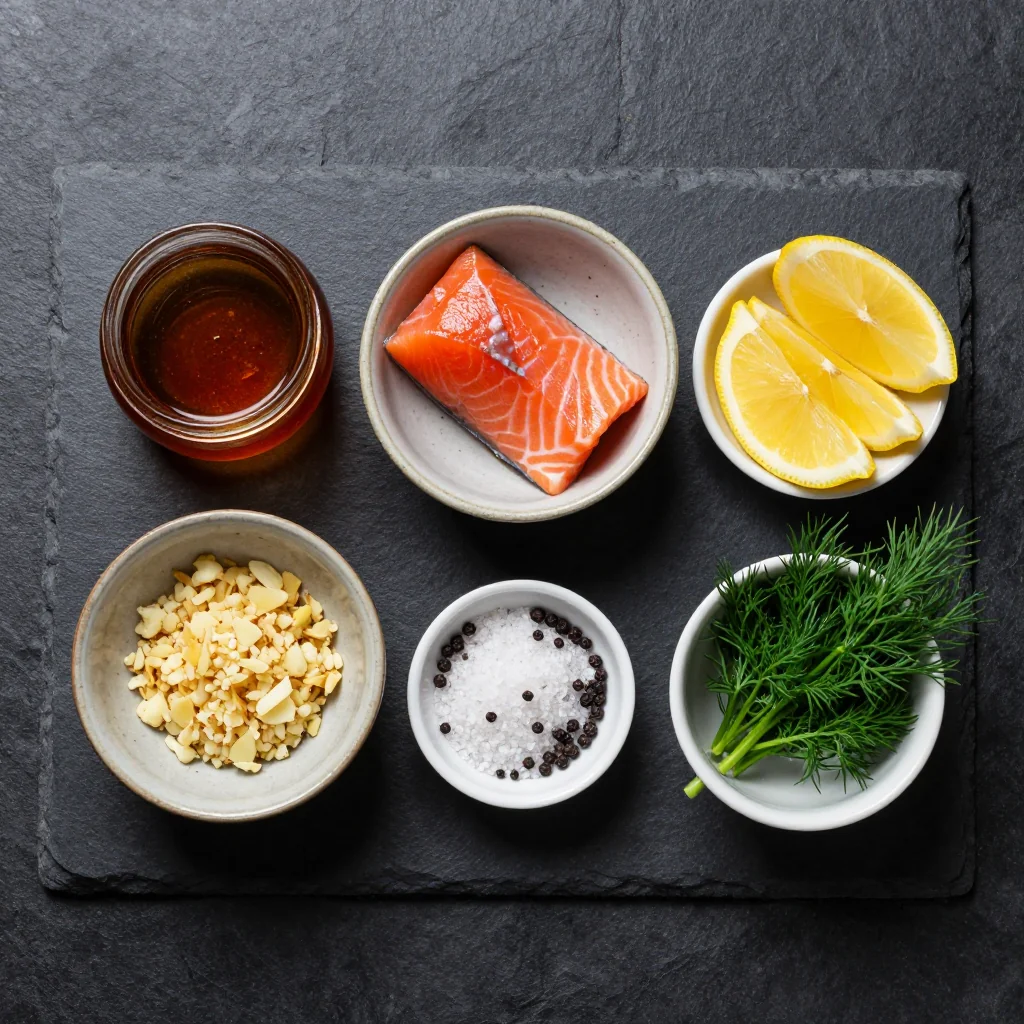
Quality is the quiet hero here. Because the ingredient list is short, each element deserves your full attention.
Salmon – Look for centre-cut fillets, 170–200 g each, skin-on. The skin crisps into a savoury “cracker” that contrasts the glaze. Wild coho or king boasts deeper flavour, but sustainably farmed Atlantic works beautifully if that’s what’s available. Give the flesh a gentle press; it should spring back, and smell like a cold ocean morning, not “fishy.”
Pomegranate molasses – Available in the Middle-Eastern aisle or online. It’s tart, syrupy, and concentrated. In a pinch, boil down 250 ml pure pomegranate juice with 2 Tbsp sugar and 1 tsp lemon juice until reduced by two-thirds.
Honey – A floral variety (orange-blossom, wildflower) complements the citrus notes in the dill. If you’re vegan, substitute maple syrup; it’s thinner, so reduce the glaze an extra minute.
Fresh dill – Frilly, feathery, and fragile. Buy a big bunch; you’ll use leaves in the glaze, stems for the bed of aromatics, and extra sprigs for final flourish. Store upright in a jar of water, loosely covered with the plastic produce bag—it’ll keep a week.
Lemon zest – Organic if possible; you want the bright oils in the skin, not wax. A Microplane turns zest into fluffy snow that dissolves instantly into the glaze.
Garlic – One small clove, grated to a paste so it melts into the sauce without harsh bites.
Olive oil – Choose a buttery, mild oil (not peppery Tuscan) so the dill and citrus stay centre stage.
Sea-salt flakes – I love Maldon for its pyramidal crunch; sprinkle just before serving for tiny pops of salinity against the sweet glaze.
Cracked pepper – Freshly ground, medium-coarse so you notice gentle heat.
Optional sparkle: pomegranate arils and/or toasted sesame seeds for a confetti finish worthy of New Year’s.
How to Make New Year's Day Glazed Salmon with Dill for a Fresh Main
Preheat & Prep the Pan
Position rack in upper third of oven; heat to 220 °C / 425 °F. Line a rimmed baking tray with parchment for zero sticking. Lightly brush with olive oil so the aromatics don’t scorch.
Create an Aromatic Bed
Scatter roughly chopped dill stems and thin lemon slices across the centre of the tray. This elevates the fish, allowing hot air to circulate and perfume the flesh as it cooks.
Pat & Season the Salmon
Use kitchen paper to blot every fillet until completely dry; moisture is the enemy of crisp skin. Lightly brush flesh side with olive oil, then sprinkle ½ tsp flaky salt and a few grinds of pepper per fillet. Place salmon skin-side up on the dill-lemon bed.
Whisk the Glaze
In a small bowl combine 3 Tbsp pomegranate molasses, 2 Tbsp honey, 1 tsp soy, 1 tsp grated garlic, 1 tsp lemon zest, and 1 Tbsp chopped dill fronds. The mixture should ribbon off the spoon like thin caramel. If it’s too thick, loosen with 1 tsp warm water.
First Roast (Skin Side Up)
Slide tray into oven and roast 5 minutes. This jump-starts skin crisping and renders excess fat without overcooking the centre.
Glaze & Flip
Remove tray, switch oven to grill/broil on high. Brush flesh side (now facing up) with a generous coat of glaze. Carefully flip fillets with a thin fish spatula so skin side now touches the aromatics. Brush the tops again; the glaze will begin to bubble and darken.
Broil to Lacquered Perfection
Return tray to upper rack, 10 cm from element. Broil 3–4 minutes, rotating halfway for even colour. When glaze turns deep mahogany and tiny charred specks appear, pull it out—the centre should still glisten.
Rest & Finish
Transfer fillets to a warm platter; tent loosely with foil and rest 3 minutes so juices redistribute. Meanwhile, return tray to oven 1 minute to crisp dill stems into savoury “herb chips.” Scatter these over salmon for texture.
Serve with Celebration
Plate over a swoosh of lemony yoghurt or beside a tangle of baby spinach that wilts under the hot glaze. Shower with fresh dill fronds, pomegranate arils, and an extra pinch of salt flakes. Pour the remaining glaze, warmed, tableside so guests can deepen flavour as they wish.
Expert Tips
Use an instant-read thermometer
For perfectly medium salmon, pull at 52 °C / 125 °F; carry-over heat will nudge it to 54 °C. Well-done fans can wait until 60 °C.
Dry = crisp
Even a few drops of water on skin will steam instead of sear. Pat again just before glazing if condensation forms.
Don’t walk away while broiling
The glaze’s sugars move from bronzed to bitter in under 30 seconds. Keep oven light on and nose close.
Save the extra glaze
Boil for 1 minute to sterilise; drizzle over roasted carrots or a grain bowl later in the week.
Overnight flavour boost
Coat fish with half the glaze, cover, refrigerate up to 12 hours; reserve remaining half for final lacquer to avoid burning.
Slice with a warm blade
Dip a sharp knife in hot water, wipe, then slice fillets tableside for restaurant-clean cuts that won’t tear the glaze.
Variations to Try
- Citrus Swap: Replace lemon zest with finely grated orange + pinch ground cardamom for a warmer, more Middle-Eastern vibe.
- Spicy Kick: Whisk ½ tsp Aleppo pepper or gochujang into glaze; finish with toasted black sesame instead of pomegranate.
- Herb Change-Up: Sub tarragon or Thai basil for dill; both pair surprisingly well with pomegranate tang.
- Whole30 Friendly: Skip honey, use 2 Tbsp date syrup; serve alongside roasted sweet-potato coins.
- Smoky Tea Twist: Add ½ tsp loose lapsang souchong, ground to powder, to glaze—imparts subtle campfire perfume.
Storage Tips
Refrigerate: Cool leftover salmon within 2 hours; store in airtight container up to 3 days. For best texture, reheat briefly (6 min at 160 °C) on a wire rack over a tray, brushing lightly with oil to refresh glaze. Microwaving is faster but softens skin.
Freeze: Freeze portions on a parchment-lined tray until solid, then vacuum-seal or wrap tightly in foil + freezer bag; keep up to 2 months. Thaw overnight in fridge, then reheat as above. Expect slight colour change but flavour remains superb.
Make-ahead components: Glaze keeps 1 week refrigerated; bring to room temp before brushing so it spreads evenly. Chopped dill stems and zest can be prepped the night before; store separately in mini zip bags with a paper towel to absorb moisture.
Frequently Asked Questions
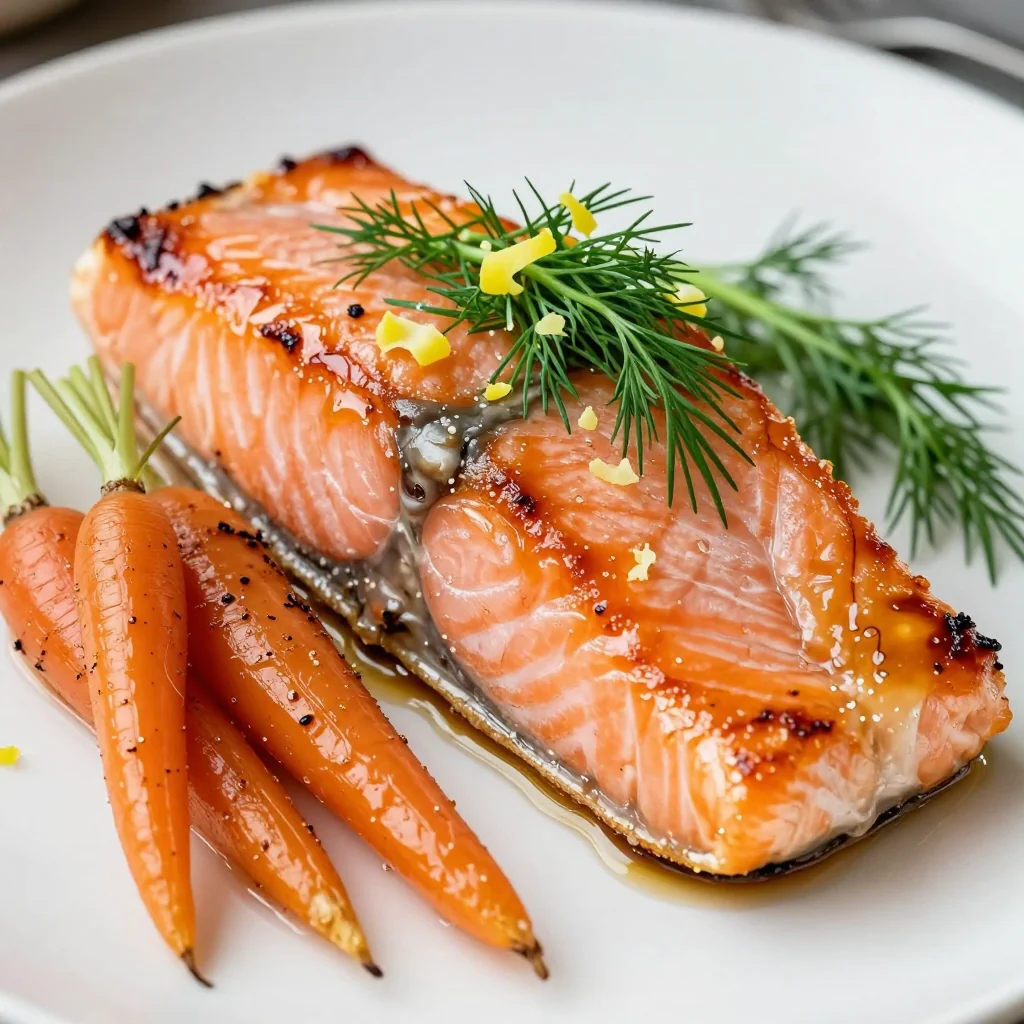
New Year's Day Glazed Salmon with Dill for a Fresh Main
Ingredients
Instructions
- Preheat: Heat oven to 220 °C / 425 °F with rack in upper third. Line tray with parchment; brush lightly with oil.
- Season: Pat salmon very dry. Brush flesh with 1 Tbsp olive oil; sprinkle ½ tsp salt and pepper. Place skin-side up on dill-lemon bed.
- Glaze: Whisk pomegranate molasses, honey, soy, garlic, zest, dill, and 1 Tbsp water until smooth.
- First roast: Roast salmon 5 min.
- Broil: Switch to broil. Brush flesh with glaze, flip, brush tops. Broil 3–4 min until caramelised.
- Rest & serve: Rest 3 min; garnish with dill, arils, sesame. Serve immediately.
Recipe Notes
Salmon continues cooking from residual heat; err on the side of slightly under for silky centres. Leftover glaze boiled 1 min keeps 1 week refrigerated.