I was standing in my kitchen, staring at a ruined batch of pasta that had turned into a soggy, flavorless mess. The sauce had clotted, the noodles had lost their bite, and I could hear the faint hiss of disappointment echoing off the tiles. That night, a friend dared me to reinvent the dish, promising that the next time I’d taste it, I’d never look back. I accepted the challenge, determined to craft a version that would outshine every other vermicelli recipe I’d ever tried.
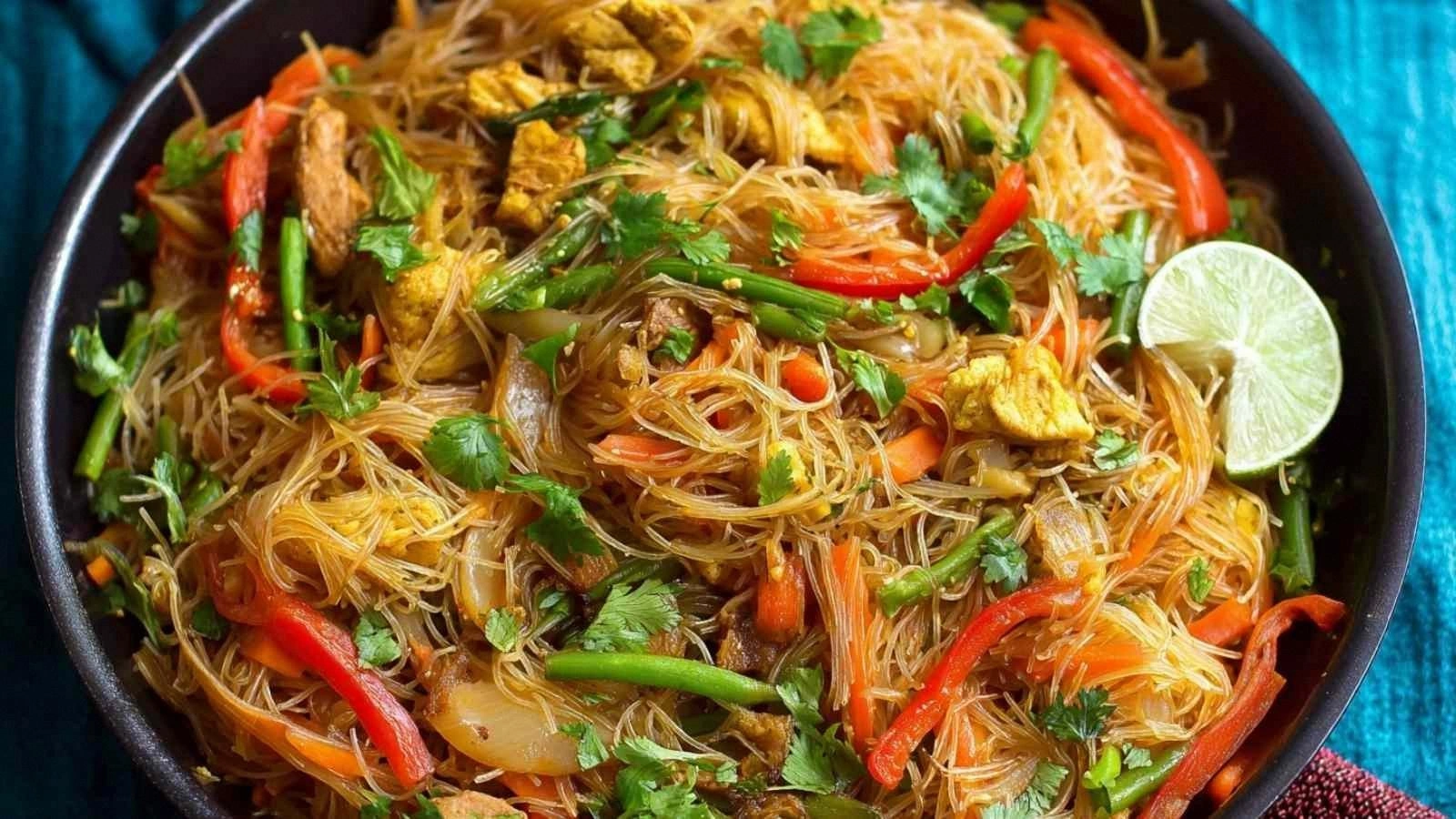
The moment I cracked the eggs into the pan, the kitchen filled with a golden aroma that made my mouth water. The sizzling sound of garlic and onions hitting hot oil sounded like a celebratory drumbeat, while the faint scent of sweet soy sauce promised a depth of flavor that would linger on the tongue. As the noodles began to soften, they released a subtle, nutty fragrance that mingled with the fresh crunch of Chinese cabbage and the bright snap of carrot. Every component was a note in a symphony, each one contributing its unique timbre to the overall experience. The texture was a delightful contrast: silky noodles, tender chicken, and crisp vegetables, all enveloped in a sauce that glides like velvet.
What makes this version stand out is not just the harmony of flavors, but the intentional layering of techniques that elevate the dish to a new level of culinary artistry. The use of sweet soy sauce gives a caramelized sweetness that balances the umami of regular soy sauce. The addition of cornstarch creates a glossy, silky coating that clings to every strand of vermicelli. Fresh coriander and spring onions add a bright, herbal lift that cuts through the richness of the sauce. The final touch of sesame seeds introduces a subtle nuttiness and a satisfying crunch that completes the mouthfeel. Together, these elements create a dish that feels both comforting and sophisticated.
I’ll be honest — I ate half the batch before anyone else got to try it. But the secret twist that you’ll discover is the way the sauce is folded into the noodles, a technique that ensures every strand is coated evenly, preventing the dreaded clumping that plagues many one‑pot dishes. Picture yourself pulling this out of the pan, the whole kitchen smelling incredible, and knowing that you’ve just mastered a meal that’s both high in protein and low in fuss. Let me walk you through every single step — by the end, you’ll wonder how you ever made it any other way.
What Makes This Version Stand Out
- Taste: The sauce balances sweet, salty, and umami notes, creating a depth that lingers on the palate.
- Texture: Vermicelli remains al dente, while the chicken stays juicy and the veggies maintain a satisfying crunch.
- Flavor Layering: Each ingredient is introduced at the right moment, ensuring maximum flavor extraction.
- Protein Power: With chicken, eggs, and edamame, this dish delivers a protein punch that keeps you full.
- One‑Pot Simplicity: Minimal cleanup without compromising on taste or texture.
- Make‑Ahead Potential: The flavors only deepen, making it perfect for meal prep.
- Visual Appeal: The glossy sauce and vibrant vegetables create an Instagram‑ready presentation.
- Versatility: It can be adapted with different proteins or vegetables to suit any dietary preference.
Alright, let's break down exactly what goes into this masterpiece...
Inside the Ingredient List
The Flavor Base
The combination of sweet soy sauce, regular soy sauce, and rice vinegar forms the heart of the dish. Sweet soy sauce provides a caramelized sweetness that caramelizes the surface of the noodles, while regular soy sauce adds depth and a salty undertone. Rice vinegar brightens the sauce, cutting through the richness of the oil and eggs. If you omit vinegar, the dish will taste flat and overly sweet. For a low‑sodium alternative, use a reduced‑sodium soy sauce, but keep the sweet soy sauce to preserve the caramelized flavor.
The Texture Crew
Vermicelli rice noodles bring a delicate chew that pairs beautifully with the tender chicken. The cornstarch, when dissolved in a small amount of water, thickens the sauce to a silky glaze that clings to every strand. Eggs, whisked until fluffy, are folded in at the end to create silky ribbons that add protein and a velvety finish. If you skip the eggs, the sauce will be less rich and the dish will feel lighter. The Chinese cabbage provides a crisp bite that balances the softness of the noodles and the chicken.
The Unexpected Star
Edamame is the hidden hero of this recipe, offering a burst of green freshness and a protein boost. Its subtle, slightly sweet flavor complements the savory sauce without overpowering the other ingredients. If you prefer a different protein, try tofu or shrimp; just adjust the cooking time accordingly. Edamame also adds a pleasant pop of color, making the dish more visually appealing. Without edamame, the dish would feel less complete and the protein content would drop significantly.
The Final Flourish
Fresh coriander, spring onions, chili flakes, and sesame seeds are the finishing touches that elevate the dish from good to unforgettable. Coriander adds a bright, citrusy note that lifts the overall flavor profile. Spring onions contribute a mild onion bite that balances the richness of the sauce. Chili flakes give a gentle heat that awakens the palate, while sesame seeds add a nutty crunch and a subtle aroma. If you’re not a fan of heat, reduce the chili flakes or omit them entirely; the dish will still be delicious.
Everything's prepped? Good. Let's get into the real action...
The Method — Step by Step
- Begin by slicing the chicken breast into thin strips, roughly ½ inch wide. Toss the strips in a bowl with a pinch of salt and a teaspoon of cornstarch; this will help keep the chicken tender and prevent it from drying out during cooking. While the chicken marinates, julienne the carrot, slice the Chinese cabbage into bite‑sized pieces, dice the onion, and mince the garlic cloves. Set the vegetables aside so they’re ready to go when the chicken is done.
- Heat a large skillet or wok over medium‑high heat and add the rapeseed oil. Once the oil shimmers, add the marinated chicken in a single layer, letting it sear for about 2 minutes on each side until golden brown and cooked through. Remove the chicken and set it aside; this step locks in juices and creates a caramelized flavor that will carry through the dish. The sizzling sound when the chicken hits the pan is a cue that the oil is at the right temperature.
- In the same pan, toss in the minced garlic and diced onion, sautéing until translucent and fragrant. Add the carrot and Chinese cabbage, stirring constantly to keep the vegetables from sticking. Cook for 3–4 minutes, or until the vegetables are bright green but still crisp. The vegetables should release their aromas without becoming mushy; if they start to brown too quickly, reduce the heat slightly.
- Pour in the chicken broth, sweet soy sauce, regular soy sauce, and rice vinegar, stirring to combine. Bring the mixture to a gentle boil, then add the vermicelli noodles, breaking them apart with a fork to prevent clumping. Reduce the heat to medium and let the noodles simmer for 3–4 minutes, or until they reach al dente. Stir occasionally so the noodles don’t stick together.
- Whisk the eggs in a small bowl, then pour them slowly into the pan while stirring gently. The eggs will form silky ribbons that coat the noodles and vegetables. Stir in the edamame, spring onions, and fresh coriander. The mixture should look glossy and the noodles should be evenly coated. Keep the heat low to prevent the eggs from scrambling.
- Return the seared chicken to the pan, stirring everything together. Taste the sauce and adjust with a pinch of salt if needed. Sprinkle chili flakes and sesame seeds over the top, letting the heat and nutty aroma infuse the dish. The final stir should leave the noodles glossy and the sauce evenly distributed.
- Serve the dish hot, spooning it into bowls or plating it on a large serving dish. Garnish with extra coriander and a few more sesame seeds if desired. The aroma will be intoxicating, and the first bite will reveal the silky noodles, tender chicken, and crisp veggies all wrapped in a luscious sauce. This is the moment of truth—taste the harmony of flavors and let the dish speak for itself.
That's it — you did it. But hold on, I've got a few more tricks that'll take this to another level...
Insider Tricks for Flawless Results
The Temperature Rule Nobody Follows
Maintaining the right heat is essential for achieving the perfect texture. If the pan is too hot, the noodles will stick and the sauce will burn; too low, and the flavors won’t meld. I keep the heat at medium and monitor the sauce’s consistency. When it starts to thicken, I lower the flame to let the flavors deepen without scorching. A friend once tried to speed up the process by turning the heat up, and the result was a soggy, unappetizing mess.
Why Your Nose Knows Best
Your sense of smell is a reliable guide for seasoning. As the sauce simmers, the aroma will shift from sweet to savory to slightly acidic. Trust your nose to tell you when the balance is right. If it smells too sweet, add a pinch of salt; if it’s too salty, a splash of vinegar can bring it back. I’ve found that adjusting seasoning mid‑cook is far better than trying to fix it afterward.
The 5‑Minute Rest That Changes Everything
Letting the dish rest for five minutes before serving allows the flavors to settle and the noodles to finish cooking in their own steam. The rest period also lets the sauce thicken slightly, giving it that glossy finish. I always cover the pan with foil to keep the heat in. Skipping this step can leave the dish feeling under‑developed.
Eggs: Whisk, Don’t Whip
When whisking eggs, keep the beat gentle. A vigorous whisk can create airy bubbles that break the silky texture of the sauce. Instead, whisk until the yolk and whites are just blended. This subtle technique ensures the eggs coat the noodles rather than forming clumps.
The Power of Fresh Herbs
Fresh coriander and spring onions are added at the end to preserve their bright flavors. Dried herbs lose their potency during cooking, so always opt for fresh when possible. The herbs add a burst of color and a layer of freshness that elevates the dish. I’ve experimented with basil and mint, but coriander remains the star.
Creative Twists and Variations
This recipe is a playground. Here are some of my favorite ways to switch things up:
Spicy Peanut Fusion
Swap the sweet soy sauce for peanut butter and add a splash of coconut milk. The result is a creamy, nutty sauce that pairs beautifully with the noodles. Add a handful of crushed peanuts on top for extra crunch. This variation is perfect for those who love a bold, indulgent flavor.
Szechuan Pepper Kick
Introduce Szechuan peppercorns and a dash of chili oil for a numbing heat that’s unmistakably Chinese. Replace the regular soy sauce with a low‑sodium version to keep the dish balanced. The peppercorns add a unique aroma and a subtle citrusy bite.
Vegetarian Delight
Omit the chicken and add tofu cubes or seitan for protein. Marinate the tofu in soy sauce and a touch of sesame oil before sautéing. This version maintains the same flavor profile while being completely plant‑based.
Mediterranean Twist
Swap the soy sauce for a splash of fish sauce and add sun‑dried tomatoes and olives. Finish with a sprinkle of feta cheese for a salty, tangy finish. This cross‑cultural take offers a fresh, bold flavor that surprises the palate.
Breakfast Boost
Serve the dish with a side of scrambled eggs and toast for a hearty breakfast. The savory noodles pair wonderfully with the breakfast proteins, making for a satisfying start to the day. Add a splash of hot sauce for a morning kick.
Gluten‑Free Adaptation
Use gluten‑free soy sauce and confirm that your vermicelli is rice‑based. This keeps the dish safe for those with gluten sensitivities without sacrificing flavor. The texture remains the same, and the dish stays delicious.
Storing and Bringing It Back to Life
Fridge Storage
Store leftovers in an airtight container in the refrigerator for up to 3 days. The noodles may absorb some liquid, so keep the sauce separate if you prefer a fresher texture. When reheating, add a splash of water to rehydrate the noodles. This method preserves the dish’s flavor and texture.
Freezer Friendly
Freeze the dish in portioned containers for up to 2 months. Thaw overnight in the refrigerator before reheating. Add a tablespoon of oil to prevent sticking and ensure the noodles stay silky. The sauce will thicken slightly upon freezing, but a quick stir will restore its glossy finish.
Best Reheating Method
Reheat on the stove over medium heat, stirring frequently. Add a splash of water or broth to loosen the sauce. Heat until the dish is steaming hot, but avoid overcooking the noodles. This technique keeps the dish moist and flavorful.