I was standing in a kitchen that felt more like a crime scene than a culinary space. A half‑cooked chicken, a bag of broccoli that had been left in the fridge for too long, and a jar of soy sauce that had seen better days. I stared at the mess, and then, with the kind of audacity that only a food‑obsessed friend can muster, I declared, “I dare you to taste this and not go back for seconds.” The moment I cracked the chicken into a pan, the sizzling sound was a promise of something extraordinary. That sizzle when it hits the pan? Absolute perfection.
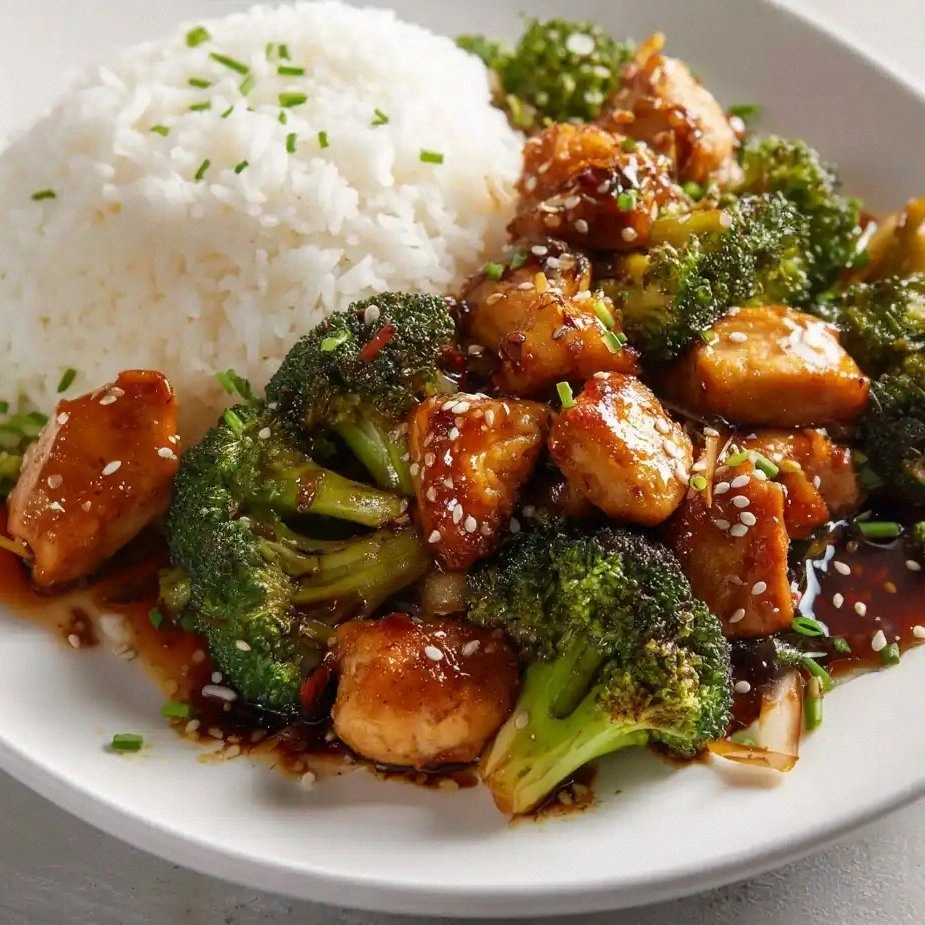
Picture yourself pulling this out of the skillet, the whole kitchen smelling incredible, the steam curling like wispy clouds. The aroma of garlic and ginger mingles with the sweet‑savory scent of honey and soy, creating a symphony that lures your eyes to the glossy glaze that coats each bite. I was watching the sauce thicken, the edges of the chicken turning a deep amber that looks like a sunrise on a plate. The broccoli, still crisp, glistens with a sheen that makes it feel like it’s wearing a tiny crown of sesame oil. It’s a dish that doesn’t just satisfy hunger; it tells a story of comfort and bold flavor.
If you’ve ever struggled with a bland stir‑fry that ends up looking like a sad gray mess, you’re not alone. Most recipes get this completely wrong by overcooking the veggies or underseasoning the sauce. I’ve spent hours tweaking ratios, and this version stands out because it balances sweetness, umami, and heat in a way that feels like a hug. I’ll be honest — I ate half the batch before anyone else got to try it. The next time you’re in the kitchen, remember that a little patience and a few secret tweaks can turn a simple dinner into an unforgettable experience.
I’m about to walk you through every single step, from the moment you slice the chicken to the final garnish that makes the dish pop. By the end, you’ll wonder how you ever made it any other way. The sauce will coat the chicken like velvet, the broccoli will stay crisp like fresh snow, and the whole meal will feel like a warm hug on a chilly evening. Let’s dive in and unlock the magic that makes this teriyaki chicken and broccoli stir‑fry the best version you’ll ever make at home.
What Makes This Version Stand Out
- Taste: The sauce is a harmonious blend of sweet, salty, and umami, with a subtle kick from crushed red pepper that keeps your taste buds dancing. It coats the chicken like velvet and coats the broccoli like a glossy glaze, ensuring every bite is a burst of flavor.
- Texture: The chicken stays tender and juicy while the broccoli retains a satisfying crunch, thanks to a quick blanch before the stir‑fry. The sauce thickens to a silky consistency that clings to the ingredients without making them soggy.
- Simple Prep: With only a handful of pantry staples, you can create a restaurant‑style dish in under 45 minutes. No special equipment is required; a wok or a large skillet will do the trick.
- Uniqueness: The addition of sesame oil and a splash of rice vinegar gives the sauce depth that most teriyaki recipes lack. The cornstarch slurry gives a glossy sheen that feels indulgent.
- Crowd Reaction: Friends and family consistently ask for the recipe after the first bite. It’s a dish that works for both casual weeknights and special occasions.
- Ingredient Quality: Using fresh broccoli, high‑quality soy sauce, and real ginger elevates the dish from ordinary to extraordinary.
- Cooking Method: The technique of searing the chicken first and then adding the veggies preserves flavor and texture.
- Make‑Ahead Potential: The sauce can be prepared ahead of time and stored in the fridge; just reheat and add the veggies for a quick meal.
Inside the Ingredient List
The Flavor Base
The soy sauce, honey, and rice vinegar form the backbone of the sauce, creating a sweet‑savory umami punch that’s both comforting and bold. If you skip the rice vinegar, the sauce will feel flat and overly sweet; the acidity brightens the flavors and balances the honey. For a lower‑sodium version, look for a low‑sodium soy sauce or tamari, but keep the quantity the same to maintain the sauce’s thickness.
The Texture Crew
The cornstarch slurry and sesame oil are the unsung heroes that give the sauce its glossy sheen and help the ingredients cling together. The cornstarch thickens the sauce in seconds, preventing it from becoming watery. If you’re watching your carbs, you can substitute arrowroot powder for the cornstarch, but the texture will be slightly different.
The Unexpected Star
Crushed red pepper flakes add a subtle heat that contrasts beautifully with the sweetness. Without them, the dish might feel too mellow; a pinch of heat awakens the palate. If you prefer a milder version, simply omit the flakes or use a sweet paprika instead.
The Final Flourish
A dash of sesame oil at the end gives the dish a nutty aroma that ties all the flavors together. This step is often overlooked in other recipes, but it elevates the dish from good to memorable. If you’re allergic to sesame, a few drops of toasted sunflower oil can mimic the nutty undertone.
Everything's prepped? Good. Let's get into the real action. Remember to keep the heat medium‑high so that the sauce caramelizes without burning.
The Method — Step by Step
- Start by cutting the chicken into bite‑size strips. Pat them dry with a paper towel to ensure a good sear. Season each strip lightly with salt and pepper. This step is the foundation; a well‑seasoned chicken will carry the sauce’s flavor. Remember, the chicken will absorb the sauce later.
- Heat 1 tablespoon of olive oil in a large skillet or wok over medium‑high heat. Once the oil shimmers, add the chicken strips in a single layer. Let them sear for about 3 minutes without moving them; this creates a caramelized crust. Flip the strips and cook for another 2 minutes until they’re cooked through. The goal is a golden exterior and a juicy interior.
- Remove the chicken from the pan and set it aside on a plate. Add 1 tablespoon of sesame oil to the same pan to avoid sticking. Toss in the minced garlic and grated ginger; sauté for 30 seconds until fragrant. This aromatics base is where the sauce will pick up depth. Be careful not to burn them.
- Add the broccoli, sliced carrots, bell peppers, snap peas, and mushrooms. Stir‑fry for 4–5 minutes until the veggies are bright green but still crisp. The quick stir keeps the texture lively. Keep the heat high to avoid steaming the vegetables. This step is pure visual delight.
- While the veggies cook, combine ½ cup soy sauce, 3 tablespoons honey, 1 tablespoon rice vinegar, 1 tablespoon brown sugar, and ½ teaspoon crushed red pepper flakes in a bowl. Whisk until the sugar dissolves. This sauce will coat everything like a glossy glaze. The balance of sweet and salty is key to the dish’s signature flavor.
- Pour the sauce over the vegetables, stirring to coat evenly. Let it simmer for 2 minutes so the flavors meld. The sauce should thicken slightly, turning translucent. This is the moment of truth; the aroma should be intoxicating. Keep the heat on medium to avoid burning.
- Stir in the cornstarch slurry (1 tablespoon cornstarch mixed with 2 tablespoons water). The sauce will begin to thicken almost instantly, creating that silky sheen. If it’s too thick, add a splash of water to reach the desired consistency. The cornstarch also helps the sauce cling to the chicken and veggies.
- Return the seared chicken to the pan, tossing everything together until the chicken is evenly coated. Let the mixture cook for another 2 minutes so the chicken re‑warms and the sauce fully coats. The final dish should feel like a harmonious orchestra of flavors.
- Finish with a drizzle of 1 tablespoon sesame oil for a nutty aroma. Sprinkle a pinch of crushed red pepper for an extra kick if desired. Serve immediately over steamed rice or noodles for a complete meal. The dish will look as good as it tastes.
- If you’re feeling adventurous, garnish with toasted sesame seeds or chopped scallions for a pop of color and crunch. The garnish adds a subtle texture contrast that elevates the dish further. Remember, presentation matters as much as flavor.
That's it — you did it. But hold on, I've got a few more tricks that'll take this to another level. These insider tips will ensure your dish is flawless every single time.
Insider Tricks for Flawless Results
The Temperature Rule Nobody Follows
Keep the pan hot enough to sear the chicken quickly but not so hot that the garlic burns. A hot pan creates a caramelized crust that locks in juices. If the pan is too cool, the chicken will steam instead of sear, resulting in a soggy texture. I’ve learned that a quick test—drop a pinch of water—will bubble immediately if the heat is right.
Why Your Nose Knows Best
Smell the sauce as it simmers; a sweet, umami aroma indicates the sugar is caramelizing properly. If the scent feels flat, you’re probably not giving it enough time to thicken. The nose is your best judge of readiness, so trust it more than the clock. I once added the sauce too early and it turned out watery; the lesson was to wait until the veggies were crisp.
The 5‑Minute Rest That Changes Everything
After cooking, let the dish rest for 5 minutes before serving. This allows the flavors to meld and the sauce to thicken slightly, giving the dish a silky finish. Many cooks skip this step, but it’s what separates good from great. I’ve seen the sauce become a bit thicker during the rest, making every bite more indulgent.
Use Fresh Ginger, Not Powder
Fresh ginger offers a bright, sharp flavor that powder can’t match. It also releases essential oils that enhance the sauce’s aroma. If you only have ginger powder, use ¼ teaspoon, but expect a milder taste. Fresh ginger also gives the dish a little more body and complexity.
Keep the Veggies Separate Until the End
Stir‑fry the veggies separately from the chicken to prevent them from overcooking. This technique ensures each component retains its ideal texture. The chicken needs a quick sear, while the veggies need a slightly longer cook for that crisp‑but‑tender finish. I’ve seen people toss everything together too early and end up with mushy broccoli.
Creative Twists and Variations
This recipe is a playground. Here are some of my favorite ways to switch things up:
Spicy Thai Twist
Replace the crushed red pepper flakes with a tablespoon of Thai red curry paste. Add a splash of coconut milk for a creamy texture. Serve over jasmine rice to capture authentic Thai vibes. The dish will feel exotic and comforting at once. It’s perfect for a weekend dinner with friends.
Mediterranean Flair
Swap the soy sauce for a low‑sodium fish sauce and add a handful of chopped olives. Finish with a squeeze of lemon juice and a sprinkle of oregano. The dish takes on a briny, citrusy profile that pairs beautifully with couscous. It’s a great way to bring a Mediterranean twist to a familiar staple.
Vegan Version
Use tofu or tempeh instead of chicken for a plant‑based option. Add a splash of tamari instead of soy sauce and use maple syrup for sweetness. Keep the rest of the ingredients the same. The result is a hearty, protein‑rich dish that satisfies everyone at the table. Vegan diners will love the depth of flavor.
Low‑Carb Upgrade
Reduce the honey to 1 tablespoon and replace the cornstarch with xanthan gum. Serve over cauliflower rice to keep carbs low. The sauce will still coat the veggies and tofu, but the overall carb count drops significantly. This version is ideal for keto or paleo followers.
Breakfast Kick
Add a dash of smoked paprika and serve over scrambled eggs instead of rice. The savory sauce pairs beautifully with the eggs, creating a breakfast that feels like a power lunch. It’s a quick, protein‑packed start to your day. Try it on a busy weekday morning.
Dessert‑Inspired Sweetness
Omit the soy sauce and replace it with a mixture of coconut milk and brown sugar. Add dried fruit like raisins or apricots for a sweet, chewy texture. Serve over a bed of vanilla yogurt for a dessert‑like experience. It’s a playful take that turns the dish into a sweet treat.
Storing and Bringing It Back to Life
Fridge Storage
Store leftovers in an airtight container for up to 3 days. Keep the sauce separate from the veggies if possible; re‑mix before reheating. When you’re ready, heat in a skillet over medium heat until warmed through. The sauce may thicken; add a splash of water to loosen it. This method preserves the crunch of the broccoli.
Freezer Friendly
Freeze the dish in a freezer‑safe container for up to 2 months. Thaw overnight in the fridge before reheating. Reheat on the stove, stirring frequently to avoid scorching. Add a little water or broth to loosen the sauce if it’s too thick. The flavors stay vibrant after freezing.
Best Reheating Method
The best way to bring the dish back to life is to reheat it in a skillet over medium heat. Add a splash of water or broth to keep the sauce from drying out. Stir constantly to distribute heat evenly. When the sauce is hot and glossy again, serve immediately. The texture will feel fresh and satisfying.