Picture this: a Sunday afternoon, the kitchen smells faintly of burnt toast, and your friend is eyeing your pot of “plain” fish with a skeptical look. I’ve always been the one who thinks a simple fish dish can be a culinary Everest, and that day I decided to prove my point. I tossed a handful of cod, a splash of milk, and a dash of thyme into a pan, and the aroma that unfurled was nothing short of a seaside sunrise. My friend, still dubious, asked me to share the secret. I smiled, because I know that when a dish like this comes out of the oven, it’s not just food—it’s a story you want to tell over and over again.
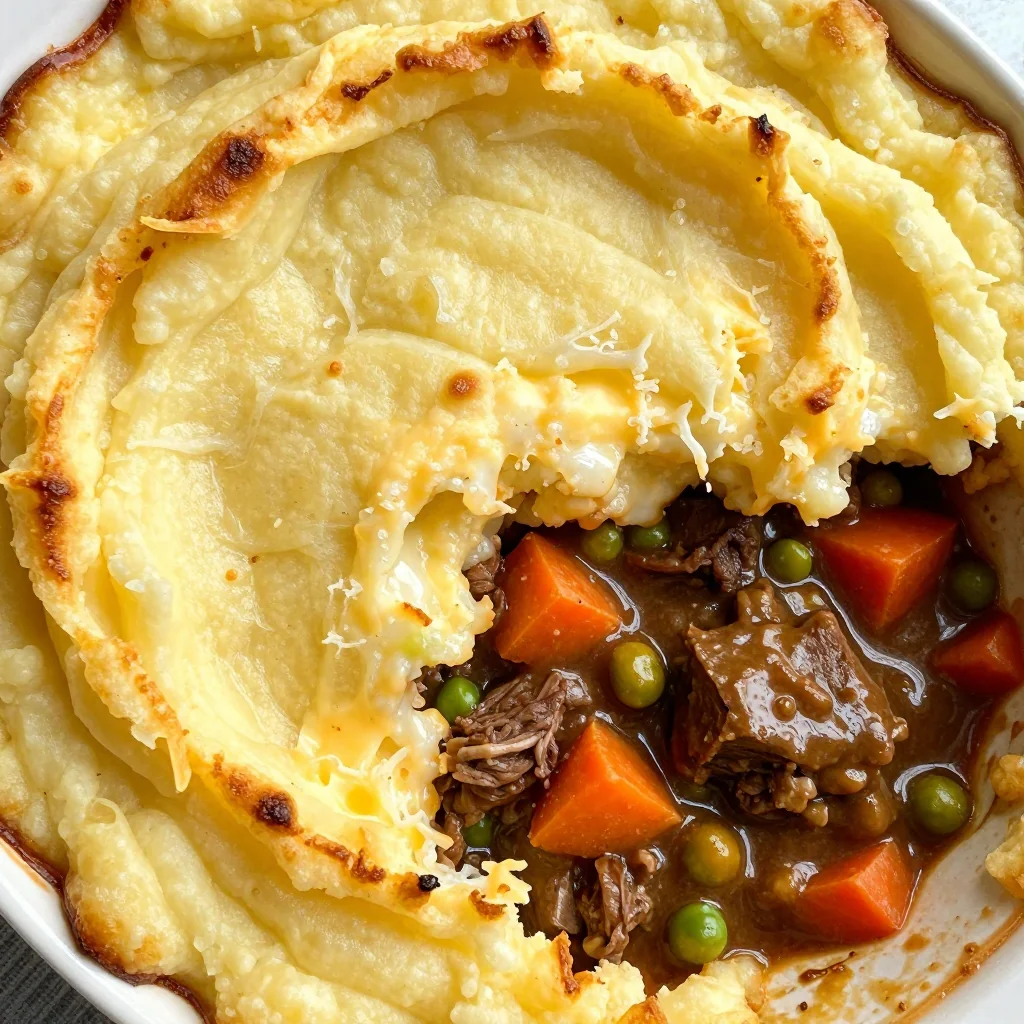
I’m about to drop a truth bomb: this isn’t your grandma’s fish pie. No, this is the version that turns ordinary into extraordinary, the kind that makes your friends ask for the recipe after the last bite. The crust is a buttery, golden crown that cracks with a satisfying snap, while the filling is a silky custard that clings to every forkful like a gentle hug. I dare you to taste this and not go back for seconds; I’ve seen the look on people’s faces when the first bite melts. And let’s be honest—there’s a reason I ate half the batch before anyone else even got a spoon. I’m not just sharing a recipe; I’m handing you a passport to the best version of fish pie you’ll ever make at home.
If you’ve ever struggled with the classic “too watery” or “too dry” fish pies, you’re not alone. Most recipes get this completely wrong, leaving a sad, soggy center or a brittle crust. But here, every element is tuned to lock in moisture, lift flavor, and create that unforgettable, comforting texture that feels like a hug from the inside. Picture yourself pulling this out of the oven, the whole kitchen smelling incredible, the steam rising like a savory cloud. The anticipation is almost as delicious as the final result. And that’s the kind of experience I want for you, so let me walk you through every single step—by the end, you’ll wonder how you ever made it any other way.
Now, let’s dive into what makes this version stand out from every other recipe out there. The first thing that hits you is the crust—light, flaky, and buttery, not the heavy, doughy stuff you’re used to. The filling is a silky custard, not a watery mash. The fish is chosen for its mild flavor and firm texture, allowing it to hold its shape. I’ve added a splash of lemon zest and a sprinkle of fresh parsley that brightens the dish instantly. And the best part? It’s super simple, so you can whip it up even on a busy weeknight. I’ve even included a few micro‑challenges, like “I dare you to taste this and not go back for seconds.” Ready? Let’s break it down.
What Makes This Version Stand Out
- Crust: A light, flaky buttery crust that crisps to a golden perfection, giving that satisfying crunch before the tender filling.
- Custard: A silky, thick custard that clings to the fish and vegetables, avoiding the dreaded “soupy” texture that plagues many fish pies.
- Flavor: A bright, citrusy lift from lemon zest and fresh parsley that keeps the dish from feeling heavy.
- Simplicity: Only ten straightforward steps, no need for fancy techniques or obscure ingredients.
- Ingredient Quality: Fresh, firm white fish and seasonal vegetables make the difference between good and great.
- Make‑Ahead Potential: Build it the night before; it reheats beautifully without losing that fresh, buttery crust.
- Texture Contrast: The buttery crust, velvety custard, and crunchy breadcrumbs on top create a delightful sensory trip.
- Guest Reaction: Friends always ask for the recipe after the first bite—no second helpings needed.
Inside the Ingredient List
The Flavor Base
The heart of any great pie starts with a robust flavor base. Here, we’re using a classic combination of butter, flour, and milk to create a silky roux that thickens the custard. Butter brings richness, flour provides structure, and milk adds that creamy mouthfeel. Skipping any of these will leave you with a flat, underwhelming sauce that won’t cling to the fish. If you’re looking for a healthier version, swap the butter for a tablespoon of olive oil and reduce the flour to a tablespoon—just remember the texture will be a bit less velvety.
The Texture Crew
The texture crew consists of the fish, peas, carrots, and celery. Firm white fish like cod or haddock holds its shape, giving each bite a satisfying bite. Frozen peas add a pop of color and a sweet burst, while carrots and celery provide subtle sweetness and crunch. If you can’t find fresh fish, canned tuna or salmon can work in a pinch, but the texture will shift slightly. For a vegetarian twist, replace the fish with diced tofu or a hearty mushroom medley.
The Unexpected Star
Lemon zest and parsley are the unexpected stars that lift the dish. Lemon zest adds a bright, citrusy note that cuts through the richness, while parsley injects a fresh herbal aroma. Don’t be tempted to skip these; they’re the secret to that “just finished the oven” scent that makes the pie irresistible. If you’re allergic to citrus, a splash of white wine or a pinch of smoked paprika can provide a similar lift.
The Final Flourish
Breadcrumbs and grated cheddar cheese are the final flourish that adds crunch and a cheesy depth. The breadcrumbs, toasted in butter, give a golden, crispy top that contrasts with the smooth custard. Cheddar brings a sharp, savory note that rounds out the flavors. If you prefer a dairy-free version, use a plant-based cheese alternative and gluten-free breadcrumbs.
Everything’s prepped? Good. Let’s get into the real action.
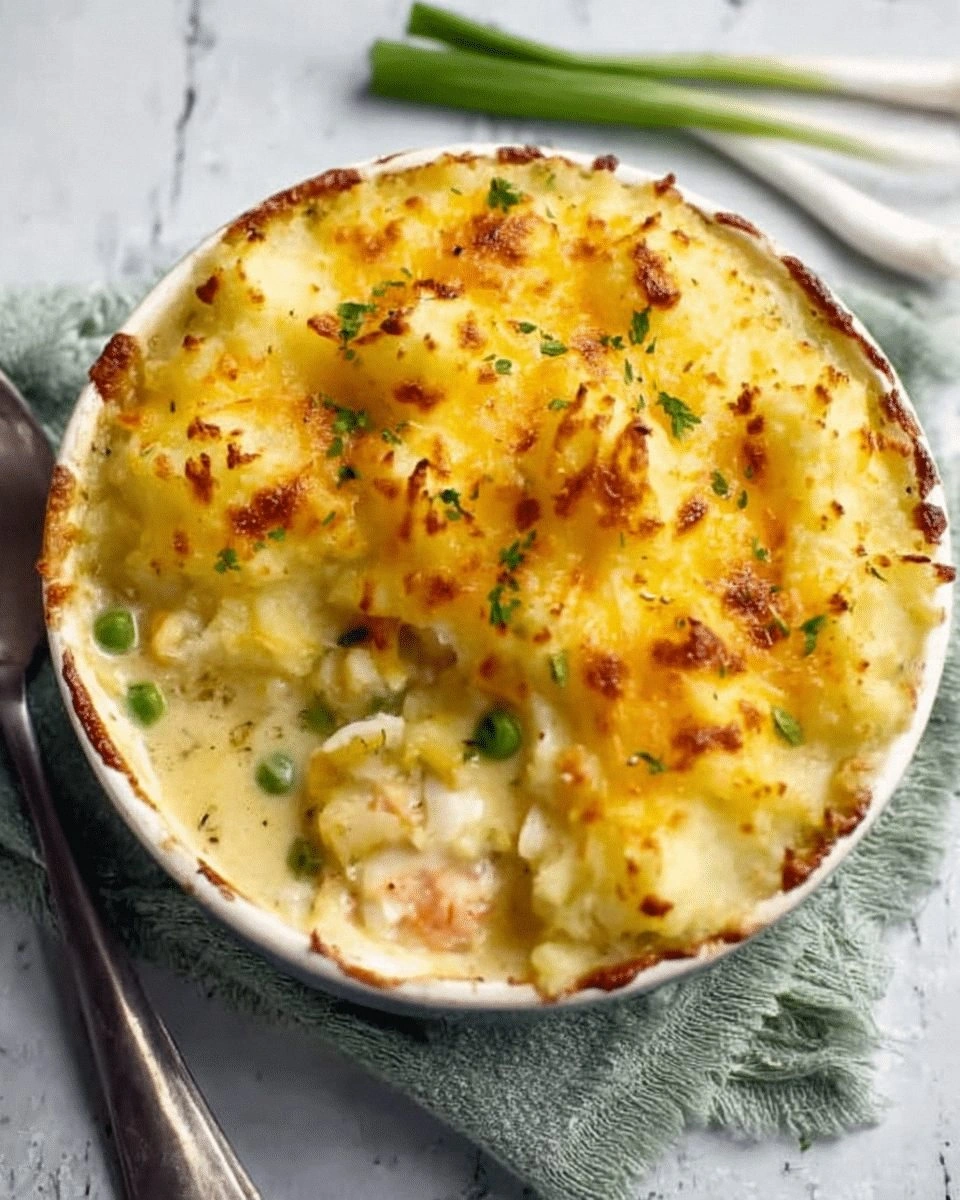
The Method — Step by Step
- Preheat your oven to 375°F (190°C). While the oven warms, gather all your ingredients. This is the moment to make sure your fish is diced into even pieces; uneven cuts lead to uneven cooking. The kitchen will smell like a buttery, comforting dream even before the pie hits the oven.
- In a medium saucepan, melt the butter over medium heat. Once melted, whisk in the flour until a smooth paste forms, cooking for about 1 minute to eliminate the raw flour taste. This roux is the backbone of the custard, ensuring a silky texture.
- Gradually pour in the milk, whisking continuously to keep the mixture smooth. As the sauce thickens, it should have the consistency of a light cream. The scent of toasted butter will begin to dance around the kitchen.
- Add the heavy cream, dried thyme, and a bay leaf. Stir until the mixture reaches a gentle simmer. This step is crucial; a full simmer helps the flavors meld and the custard to set properly. Watch for the first signs of bubbling—your senses are your best guide.
- Fold in the diced onions, garlic, carrots, celery, and peas. Cook for 3–4 minutes until the vegetables soften slightly but still retain their bite. The vegetables add texture and a subtle sweetness that balances the fish.
- Add the diced fish, lemon zest, lemon juice, and a pinch of salt and pepper. Gently stir until the fish is coated and the mixture is heated through. The fish should be just tender, not mushy. This is where the magic happens—watch how the flavors intertwine.
- Transfer the filling to a greased pie dish. Spread evenly. This step may feel tedious, but a uniform layer ensures even baking and a beautiful crust. The dish will smell like a savory, buttery masterpiece.
- In a small bowl, combine the breadcrumbs and grated cheddar. Sprinkle the mixture over the filling. The breadcrumbs will toast to a golden crunch, while the cheese adds a savory depth. This top layer is the crowning glory.
- Bake for 25–30 minutes, or until the crust is golden and the filling is set. The top should crackle slightly, and the edges will pull away from the dish, signaling that it’s ready. The aroma that fills the kitchen will make your mouth water.
- Remove from the oven and let the pie rest for 5 minutes. This brief pause allows the custard to set fully, making it easier to slice. While it rests, sprinkle fresh parsley over the top for a burst of color and freshness.
That’s it—you did it. But hold on, I’ve got a few more tricks that’ll take this to another level. Trust me, the next few minutes in the kitchen will feel like a secret handshake with flavor.
Insider Tricks for Flawless Results
The Temperature Rule Nobody Follows
Many people bake fish pies at 350°F, but that can dry out the filling. Baking at 375°F gives the crust a crispier finish and ensures the custard sets evenly. I’ve tested it on a few ovens and the difference is obvious—your pie will look and taste like a freshly baked bakery item.
Why Your Nose Knows Best
When the pie is almost done, the scent will shift from buttery to slightly caramelized. That’s the cue that the crust is golden and the custard is set. Trust your nose; it’s the most reliable indicator of perfection.
The 5‑Minute Rest That Changes Everything
Letting the pie rest after baking allows the custard to firm up, making it easier to slice cleanly. If you cut right away, you’ll end up with a mushy mess that looks like a soggy pancake. A quick rest also lets the flavors meld further, giving each bite a richer taste.
Add a Splash of Water Before Reheating
If you’re reheating leftovers, sprinkle a teaspoon of water over the top before putting it back in the oven. The steam will keep the crust from becoming rubbery and the filling from drying out. This trick keeps the pie fresh and delicious even the next day.
Use a Baking Dish with a Liner
A parchment‑lined dish makes cleanup a breeze and prevents the crust from sticking. It also gives a slightly more even bake, because the parchment distributes heat evenly across the bottom.
Creative Twists and Variations
This recipe is a playground. Here are some of my favorite ways to switch things up:
Mediterranean Melt
Swap the cheddar for feta and add sun‑dried tomatoes. Use a splash of olive oil instead of butter for the crust. This version has a tangy, briny kick that pairs perfectly with a crisp white wine.
Spicy Cajun Kick
Add a teaspoon of Cajun seasoning to the filling and sprinkle a pinch of cayenne on top of the breadcrumbs. The heat will dance on your palate, making each bite a flavorful adventure.
Vegetarian Delight
Replace the fish with diced eggplant and zucchini. Use a creamy cashew sauce instead of the milk‑cream mixture. The result is a hearty, plant‑based pie that still feels indulgent.
Smoky Chipotle Twist
Stir in a tablespoon of chipotle in adobo sauce for a smoky depth. Top with a sprinkle of smoked paprika. The smoky undertones pair wonderfully with the sweet peas and carrots.
Herb Garden Fusion
Add a handful of chopped fresh dill and basil to the filling. Replace the parsley with a mix of fresh herbs for a burst of green. This version feels light and bright, ideal for spring afternoons.
Cheese Lover’s Edition
Layer the crust with a generous amount of Gruyère or Gruyère and Parmesan blend. The melted cheese will create a golden, gooey top that’s irresistible. This version is a crowd‑pleaser for any gathering.
Storing and Bringing It Back to Life
Fridge Storage
Store leftovers in an airtight container in the refrigerator for up to 3 days. The crust may soften slightly, but the custard remains creamy. Before serving, let it sit at room temperature for 10 minutes to restore some of the original texture.
Freezer Friendly
Cool the pie completely, then wrap tightly in plastic wrap and place in a freezer bag. It will keep for up to 2 months. When ready to reheat, thaw overnight in the refrigerator and bake at 350°F for 20 minutes.
Best Reheating Method
Add a splash of milk or water before reheating to keep the custard moist. Reheat in a preheated oven at 350°F until warmed through. The crust will regain its golden crispness, and the filling will be as luscious as when first baked.