Picture this: I’m in the kitchen, a battered pot of overcooked rice on the counter, and the scent of last night’s dinner still clinging to the fridge. I’m staring at a fresh head of cabbage, a block of tofu, and a handful of pantry staples that I swear I’ve never used together. “What if I could turn this chaos into something edible?” I mutter, half‑laughing at my own culinary curiosity. The next thing I know, I’ve invented a dish that’s both a rescue from a cooking mishap and a revelation of flavor.
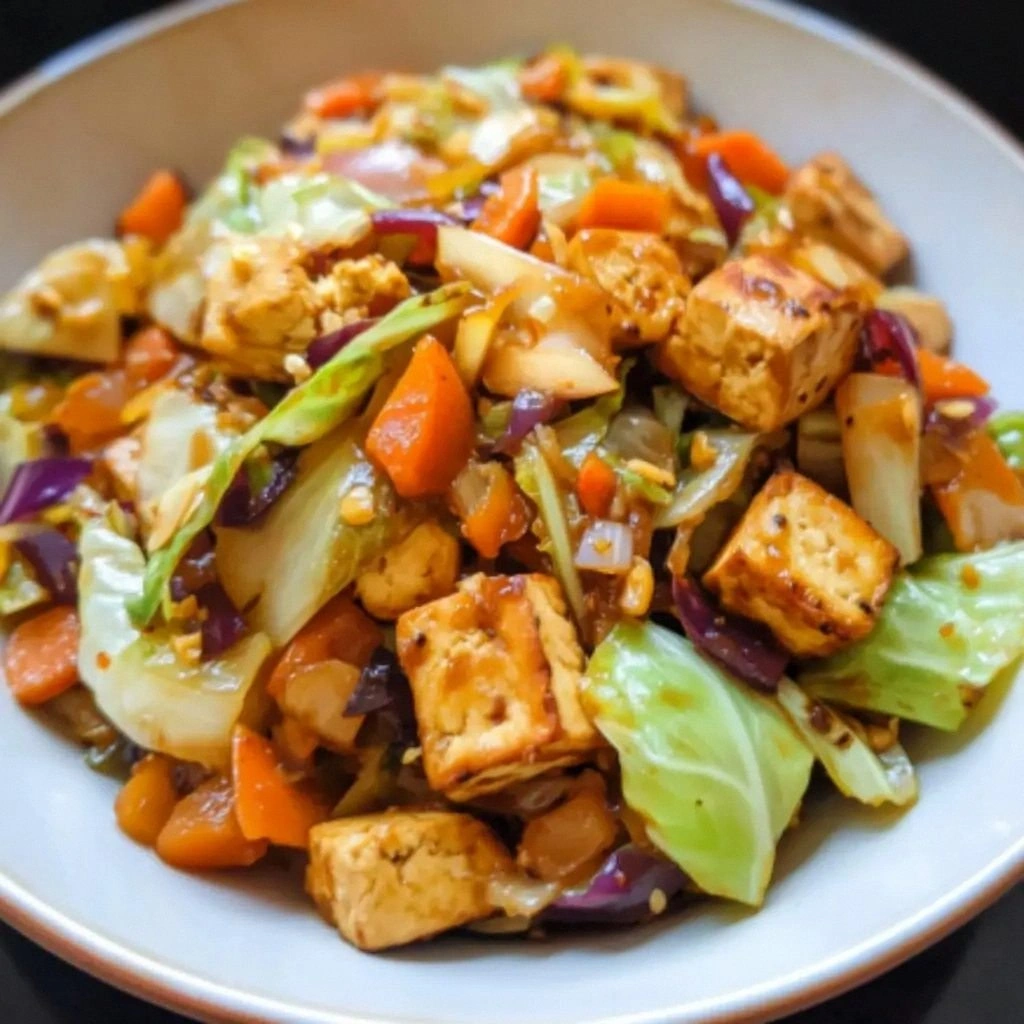
The first bite is a symphony of textures: the cabbage’s crisp snap, the tofu’s soft, pillowy bite, and the sauce’s glossy sheen that coats everything like velvet. The aroma that rises from the pan is a comforting blend of garlic, ginger, and toasted sesame, a smell that instantly tells you this isn’t just another stir‑fry. The heat from the chili flakes dances on your palate, while the subtle sweetness of the sugar balances the saltiness of soy sauce. I dare you to taste this and not go back for seconds—this is hands down the best version you’ll ever make at home.
What makes this recipe stand out is not just the combination of ingredients, but the way each element is treated. I’ve taken the classic cabbage and tofu duo and elevated it with a sauce that’s thick, silky, and deeply savory, all while keeping the prep time under 30 minutes. This isn’t a recipe you’ll find on a bland blog; it’s a dish that feels like a hug in a bowl, with every bite delivering a punch of umami, a hint of heat, and a satisfying crunch. Picture yourself pulling this out of the pan, the whole kitchen smelling incredible, and everyone in the house lining up for a taste.
And if you think you’re done, think again—there’s a secret technique that will transform the sauce into a glossy, clingy coating that makes the dish feel like a gourmet meal. Stay with me here—this is worth it. By the end of this post, you’ll wonder how you ever cooked cabbage and tofu in any other way. Let me walk you through every single step, from the moment you slice the cabbage to the final garnish, so you can replicate this magic in your own kitchen.
What Makes This Version Stand Out
- Flavor: The sauce is a balanced blend of soy, sesame, and a whisper of sweetness that coats every bite, turning simple ingredients into a savory masterpiece.
- Texture: The cabbage stays crisp yet tender, while the tofu absorbs the sauce without becoming mushy, delivering a satisfying contrast.
- Simplicity: With under a dozen ingredients and a single pan, this dish is perfect for busy weeknights or a quick weekend meal.
- Uniqueness: A splash of rice vinegar adds a bright zing that most stir‑fry recipes overlook, giving this version a fresh, modern twist.
- Crowd‑Pleaser: The mild heat from chili flakes is adjustable, making it suitable for both adventurous eaters and those who prefer a milder flavor.
- Ingredient Quality: Using firm tofu and fresh cabbage ensures the dish is both nutritious and flavorful, while the sesame oil adds a nutty aroma.
- Methodology: The step‑by‑step process, from blanching the tofu to creating the sauce, is designed to keep the tofu intact and the vegetables crisp.
- Make‑Ahead Potential: The dish can be reheated without losing its texture, making it ideal for meal prep or leftovers.
Inside the Ingredient List
The Flavor Base
The backbone of this stir‑fry is a sauce that marries sweet, salty, and umami flavors. Soy sauce provides depth and saltiness, while a splash of rice vinegar adds a bright, tangy contrast that cuts through the richness. Sugar balances the acidity, and sesame oil brings a nutty aroma that elevates the entire dish. If you’re watching sodium, use low‑sodium soy sauce and taste before adding more salt.
The Texture Crew
Cabbage is the star of the show, offering a satisfying crunch that pairs perfectly with the soft, pillowy tofu. Firm tofu is essential; it holds its shape and absorbs the sauce without disintegrating. By cutting the tofu into 1‑inch cubes and patting them dry, you create a golden, crispy exterior that locks in moisture. If you prefer a vegan version, simply use extra firm tofu and double the tofu quantity to maintain protein balance.
The Unexpected Star
The addition of fresh ginger and garlic isn’t just for flavor—they’re the aromatic foundation that awakens the senses. Minced ginger adds a subtle heat and a citrusy note, while garlic brings a savory depth that complements the soy sauce. Together, they create a fragrant base that makes the dish feel more complex than it appears.
The Final Flourish
Green onions, when sliced thin, add a bright, peppery finish that lifts the dish. A pinch of chili flakes injects a gentle kick that can be increased or omitted based on your heat tolerance. A splash of water at the end loosens the sauce, giving it a silky consistency that clings to the vegetables without making them soggy.
Everything's prepped? Good. Let's get into the real action...
The Method — Step by Step
- Begin by heating a large non‑stick skillet over medium heat. Add 1 tablespoon of sesame oil and let it shimmer. This oil choice is crucial; it adds a subtle nutty flavor that elevates the sauce. Once the oil is hot, drop in the tofu cubes and let them brown on all sides, about 4–5 minutes. This step locks in moisture and creates a golden crust that will hold up during the stir‑fry.
- While the tofu is cooking, prepare the sauce. In a small bowl, whisk together 2 tablespoons soy sauce, 1 tablespoon rice vinegar, 1 teaspoon sugar, 1 teaspoon cornstarch, and 1 tablespoon water until smooth. This slurry will thicken the sauce and give it a silky sheen. Set aside.
- Add the minced garlic and ginger to the skillet, sautéing for 30 seconds until fragrant. The aroma should be unmistakably warm and inviting—this is the moment of truth. Be careful not to burn them; a quick, gentle stir keeps the flavors bright.
- Introduce the sliced cabbage to the pan, stirring to coat it in the garlic‑ginger oil. Cook for 3–4 minutes, letting the cabbage soften slightly but still retain a pleasant crunch. If you like a more tender texture, you can add a splash of water to create steam.
- Return the browned tofu to the skillet. Sprinkle 1/2 teaspoon chili flakes over the mixture, adjusting the heat to your preference. Stir everything together so the tofu is evenly coated in the aromatic base.
- Pour the prepared sauce over the tofu and cabbage, ensuring everything is evenly drenched. Stir gently and let the sauce thicken, which should take about 2–3 minutes. The sauce will cling to the vegetables, creating a glossy finish.
- Add the sliced green onions and any optional vegetables like julienned carrots. Stir quickly to combine, then reduce the heat to low and let the dish simmer for another minute. This final step allows the flavors to meld and the vegetables to finish cooking without becoming mushy.
- Taste the stir‑fry. If it needs a bit more brightness, add another splash of rice vinegar; if it’s too salty, a pinch of sugar can balance it out. Serve immediately over steamed rice or quinoa for a complete meal.
That’s it—you did it. But hold on, I’ve got a few more tricks that will take this to another level: keep the tofu crispy, adjust the heat, and finish with a sprinkle of toasted sesame seeds for crunch.
Insider Tricks for Flawless Results
The Temperature Rule Nobody Follows
Many people cook tofu over high heat, causing it to steam rather than sear. I’ve found that a medium‑high heat (around 375°F) creates a golden crust without overcooking the interior. If you’re using a cast‑iron skillet, pre‑heat it for a few minutes before adding oil; this ensures a perfect sear.
Why Your Nose Knows Best
Before you add the sauce, pause and inhale the aroma of the sautéed garlic and ginger. That scent tells you whether the aromatics are ready. If the smell is sharp and garlicky, it’s ready; if it’s raw, give it another minute. Your nose is a reliable guide to timing.
The 5‑Minute Rest That Changes Everything
After cooking, let the stir‑fry rest for 5 minutes before serving. This brief pause allows the flavors to marry and the tofu to settle into its golden crust. A quick rest also lets the sauce thicken slightly, giving the dish that glossy finish.
Keep It Cool to Keep It Crispy
If you’re preparing this dish ahead of time, cool it to room temperature before refrigerating. When reheating, add a splash of water and stir until the sauce loosens. This prevents the tofu from becoming soggy.
Seasoning on the Fly
If you’re adjusting the sauce after tasting, remember that soy sauce is the main salt source. Adding too much can quickly overpower the dish. Instead, balance with a touch of sugar or vinegar to maintain harmony.
Creative Twists and Variations
This recipe is a playground. Here are some of my favorite ways to switch things up:
Asian Fusion Twist
Add a tablespoon of hoisin sauce to the sauce mix for a sweet, tangy depth. Substitute the green onions with sliced scallions and finish with a sprinkle of toasted sesame seeds for crunch.
Spicy Korean Flair
Swap the chili flakes for gochujang and add a dash of sesame oil. Garnish with thinly sliced Korean pear for a sweet contrast that balances the heat.
Herbal Garden Variation
Replace the soy sauce with tamari and add a handful of fresh basil or cilantro at the end. This fresh herbal note gives the dish a bright, summery feel.
Protein Boost
Incorporate diced tempeh or seared tempeh cubes for an extra protein punch. The tempeh’s nutty flavor pairs wonderfully with the tofu’s mildness.
Vegetarian Party
Omit the tofu entirely and add a generous portion of sliced shiitake mushrooms. The mushrooms add umami and a hearty texture that satisfies the vegetarian palate.
Storing and Bringing It Back to Life
Fridge Storage
Cool the stir‑fry to room temperature, then transfer it to an airtight container. Store in the refrigerator for up to 3 days. Before reheating, add a splash of water to re‑loosen the sauce.
Freezer Friendly
Divide the dish into single‑serving portions and place them in freezer‑safe bags. Freeze for up to 2 months. Thaw overnight in the fridge before reheating.
Best Reheating Method
Reheat in a skillet over medium heat, adding a tablespoon of water or broth to keep the sauce from drying out. Stir frequently until heated through and the sauce is silky again.