The first time I stumbled upon the idea of chopped liver, it was in the middle of a chaotic dinner party where the guests had requested a quick, comforting dish that still felt special. I had a pan of chicken livers, a handful of onions, and a jar of schmaltz on my counter, and I was determined to turn that mess into a crowd‑pleaser. The kitchen was a blur of sizzling onions, the metallic clink of a spoon, and the scent of caramelized sugar that filled the air with promise. My friends were skeptical—after all, chopped liver has a reputation for being either too greasy or too bland—but I was convinced that I could craft something that would win them over. That night, I dared them to taste this and not go back for seconds, and their delighted nods proved I was onto something big.
When you first open the pan, the liver’s dark, almost black color glistens with a sheen of schmaltz, and the onions begin to bubble, releasing a sweet, almost buttery aroma that makes your mouth water. The sound of the onions sautéing is like a gentle jazz riff—soft yet unmistakably present. As the onions soften, the liver pieces start to brown, their edges crisping just enough to give a satisfying snap that echoes the crunch of fresh vegetables. The heat rises, and a subtle steam rises, carrying the rich, savory scent of iron‑rich meat that is both comforting and oddly sophisticated. Every time you stir, the mixture thickens, and you can almost taste the depth that will unfold on the palate.
What makes this version stand out is not just the combination of flavors but the technique that turns humble ingredients into a dish that feels luxurious. I’ve spent months refining the balance between the liver’s natural richness and the bright, acidic notes from the onions and gribenes. I discovered that a small amount of schmaltz, just enough to coat the pan, is the secret that keeps the liver moist while adding a buttery depth that’s almost velvety. The hard‑boiled eggs add a subtle, creamy texture that contrasts with the crisp gribenes, creating a play of mouthfeel that’s hard to find in other liver preparations. The result is a dish that feels both rustic and refined—a perfect bridge between comfort food and haute cuisine.
The secret I’ll reveal later involves a tiny tweak to the liver’s cooking time that ensures it stays tender yet caramelized. I’ll also share how to make the gribenes from scratch, turning a simple side into a crispy, golden accompaniment that adds crunch and a smoky undertone. Picture yourself pulling this out of the oven, the whole kitchen smelling incredible, and the guests gathering around, eyes wide, ready to taste a dish that’s both familiar and astonishingly fresh. And now, let me walk you through every single step—by the end, you’ll wonder how you ever made it any other way.
What Makes This Version Stand Out
- Taste: The liver’s deep, umami flavor is amplified by the smoky richness of schmaltz and the sweet caramelization of onions, creating a layered taste that lingers on the tongue.
- Texture: The combination of tender, slightly firm liver, crunchy gribenes, and creamy hard‑boiled eggs delivers a delightful contrast that keeps every bite interesting.
- Simplicity: With only eight core ingredients, the recipe is approachable for beginners yet sophisticated enough for seasoned cooks.
- Uniqueness: The use of schmaltz—a traditional rendering of poultry fat—adds a depth of flavor that most modern recipes miss, giving this dish a timeless, rustic edge.
- Crowd Reaction: Guests rave about the dish’s bold flavor and comforting texture, often requesting the recipe after the first bite.
- Ingredient Quality: Fresh, high‑quality livers and onions are essential; the better the base, the richer the final result.
- Cooking Method: A quick sauté followed by a gentle simmer locks in moisture while building flavor, ensuring the dish is ready in under 45 minutes.
- Make‑Ahead Potential: The dish can be prepared in advance and reheated with a splash of water, making it perfect for entertaining.
Alright, let's break down exactly what goes into this masterpiece...
Inside the Ingredient List
The Flavor Base
Chicken livers are the star of this dish, providing a rich, iron‑laden flavor that’s both earthy and slightly sweet. When cooked properly, they develop a silky texture that’s surprisingly tender. Skipping the livers would turn this into a completely different dish—think of it as the foundation that holds everything together. The key to unlocking their full potential is to avoid overcooking; a quick sear locks in juices and creates a beautiful caramelized crust.
The Texture Crew
Hard‑boiled eggs add a creamy, almost custard-like component that balances the liver’s density. The eggs’ yolks soften slightly when folded in, creating a luscious mouthfeel that contrasts with the crunchy gribenes. If you omit the eggs, the dish will still be delicious, but it will lack that luxurious, velvety finish that makes it stand out. The gribenes—crispy chicken skin bits—provide a satisfying crunch and a smoky flavor that lifts the entire plate.
The Unexpected Star
Schmaltz is a rendering of poultry fat that’s often overlooked in modern kitchens. Its buttery, slightly nutty flavor enhances the liver’s richness without overpowering it. If you don’t have schmaltz on hand, a small amount of clarified butter or a neutral oil can work, but you’ll lose a layer of depth. The 0.25 cup of schmaltz is enough to coat the pan and give the dish a glossy finish, adding a silky texture to every bite.
The Final Flourish
Fresh parsley offers a bright, herbal note that cuts through the heaviness of the liver and brings a touch of color. It also adds a subtle freshness that brightens the dish, making it feel less heavy. If you’re allergic to parsley or simply don’t have it, a sprinkle of chives or dill can provide a similar brightening effect. The final sprinkle of parsley is added after cooking to preserve its vibrant color and aroma.
Everything's prepped? Good. Let's get into the real action...
The Method — Step by Step
- Heat a heavy‑bottomed skillet over medium heat and add the schmaltz. As the fat melts, it should emit a faint, nutty aroma, signaling that it’s ready. This step is crucial—too hot and the fat will burn; too low and the liver will steam instead of sear. Keep an eye on the color; when the schmaltz turns a golden amber, it’s at peak flavor.
- Add the diced onions to the pan. Sauté until they become translucent and start to caramelize, about 8–10 minutes. The onions should develop a sweet, buttery scent that fills the kitchen. Stir occasionally to prevent sticking; the goal is to build a soft, golden base that will carry the liver’s flavor.
- Trim the liver pieces, removing any connective tissue or fat pockets. Pat them dry with paper towels to ensure a good sear. Place the livers in the pan in a single layer, making sure not to overcrowd. This allows each piece to brown evenly and develop a crispy edge.
- Cook the liver for 2–3 minutes on each side, until a golden crust forms. The liver should still be slightly pink in the center, indicating that it’s moist and tender. Don’t rush this step—overcooking will result in a rubbery texture that defeats the dish’s silky feel.
- Reduce the heat to low, cover the pan, and let the liver steam for an additional 5 minutes. This gentle simmer allows the flavors to meld while keeping the liver from drying out. The liquid that collects at the bottom will be a rich, savory sauce that ties everything together.
- While the liver rests, toast the gribenes in a dry skillet over medium heat until they puff up and turn golden. Stir constantly to avoid burning. The gribenes should crackle like popcorn and release a nutty, savory aroma. Set them aside to cool slightly before adding to the dish.
- Fold in the chopped hard‑boiled eggs gently, ensuring they’re evenly distributed without breaking them apart. The eggs should add a subtle creaminess that balances the liver’s density. The moment the eggs hit the pan, you’ll hear a faint sizzle, signaling that the dish is coming together.
- Stir in the toasted gribenes, allowing them to mingle with the liver and eggs. The gribenes will add a satisfying crunch and a smoky depth that elevates the dish. Finish by sprinkling fresh parsley over the top, giving the dish a bright, herbal finish that cuts through the richness.
- Taste the mixture and season with salt and black pepper to taste. The salt should enhance the umami of the liver, while the pepper adds a subtle heat. Once seasoned, remove the pan from heat and let the dish rest for a minute to allow flavors to settle.
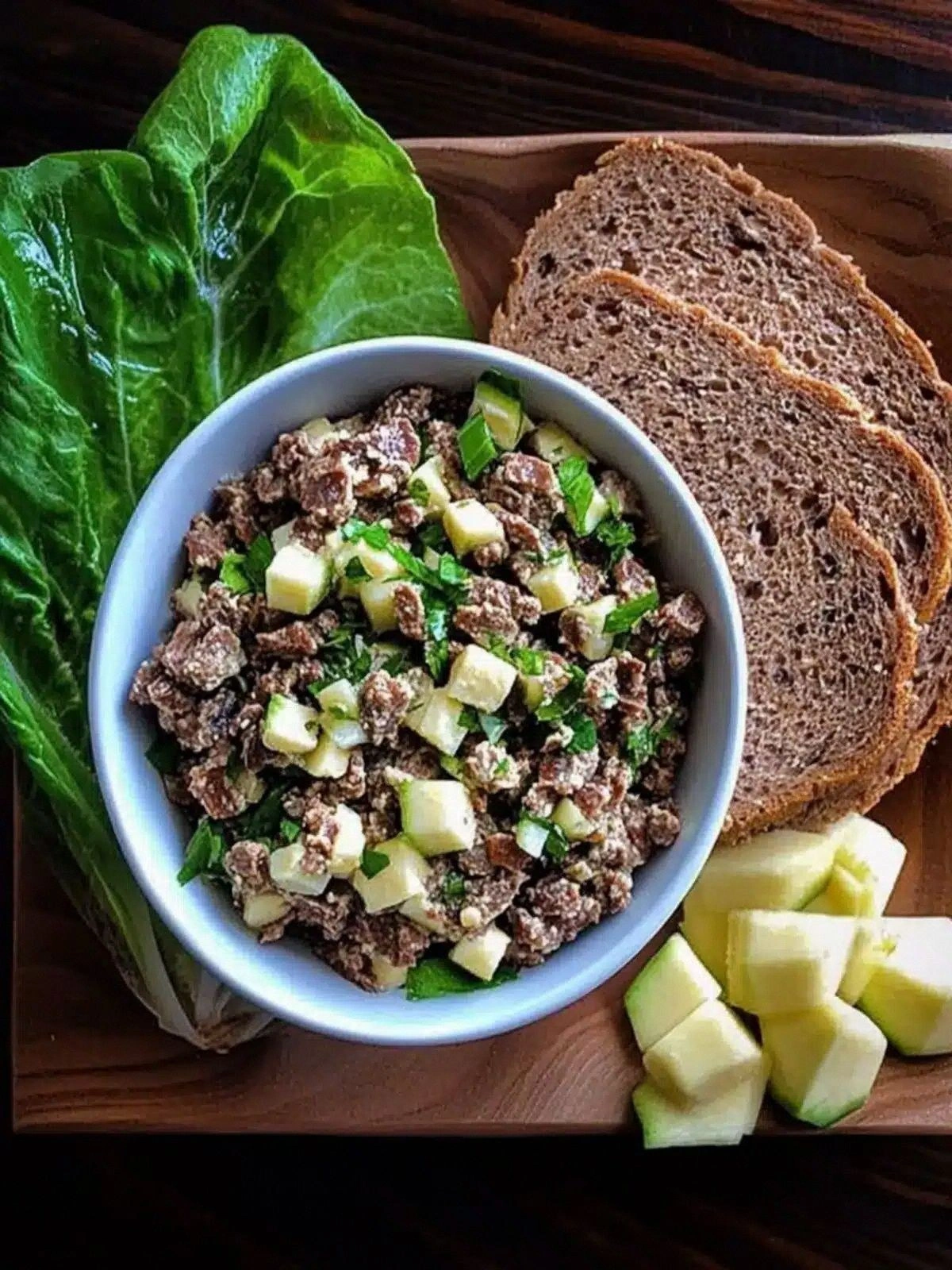
- Serve immediately over toasted rye bread, warm potato pancakes, or a simple bed of sautéed greens. The dish’s rich, buttery sauce will cling to the bread, creating an indulgent bite that’s both comforting and sophisticated.
That’s it—you did it. But hold on, I've got a few more tricks that'll take this to another level...
Insider Tricks for Flawless Results
The Temperature Rule Nobody Follows
The liver’s texture is highly temperature dependent. A pan that’s too hot will sear the exterior too quickly, creating a burnt crust while leaving the interior raw. The trick is to start at medium heat and adjust based on the pan’s reaction. If you notice the liver sizzling too loudly, reduce the heat. This subtle temperature control ensures a tender, juicy bite every time.
Why Your Nose Knows Best
Your sense of smell is your secret ally in cooking. As the onions caramelize, a sweet, almost buttery aroma will fill the air. When that aroma turns slightly nutty, you’re at the sweet spot. Trust your nose; if the smell is overpowering, lower the heat or give the onions a brief rest. The right scent is a reliable indicator of flavor development.
The 5-Minute Rest That Changes Everything
After cooking, let the liver rest uncovered for five minutes before serving. This brief rest allows the juices to redistribute, preventing them from spilling onto the plate. A common mistake is to serve immediately, which can result in a watery dish. The five‑minute pause is a small investment that pays off with a richer, more cohesive flavor profile.
The Gribenes Game Changer
Many people skip gribenes, thinking they’re too greasy. The truth is, they add a crunch and a smoky flavor that elevates the dish. To make them, simply toast chicken skin in a dry skillet until it puffs up. The resulting crispness is like a final flourish that turns a simple dish into a gourmet experience.
The Secret of Freshness
Fresh livers are essential. If the livers have a strong, metallic odor, they’re past their prime. Look for a bright, almost translucent color and a firm texture. When in doubt, ask the butcher for the freshest batch. Freshness is the cornerstone of this dish’s unparalleled flavor.
Creative Twists and Variations
This recipe is a playground. Here are some of my favorite ways to switch things up:
Smoky Paprika Infusion
Add a teaspoon of smoked paprika to the onions while they sauté. The smoky spice will deepen the dish’s flavor profile and add a subtle heat that pairs beautifully with the liver’s richness.
Herbal Thyme Touch
Stir in a few sprigs of fresh thyme during the final simmer. The herb’s earthy aroma complements the liver’s umami and adds a fragrant note that’s perfect for spring gatherings.
Citrus Zest Surprise
Grate a small amount of lemon zest over the finished dish. The citrus brightens the flavor, cutting through the heaviness and giving the dish a fresh, vibrant finish.
Mushroom Medley
Sauté sliced mushrooms with the onions before adding the liver. The earthy mushrooms add depth and a meaty texture that pairs wonderfully with the liver’s flavor.
Spicy Gochujang Glaze
Finish with a drizzle of gochujang for a Korean twist. The fermented chili paste adds a sweet, spicy kick that complements the dish’s richness and offers an exciting flavor contrast.
Roasted Garlic Accent
Incorporate roasted garlic cloves into the pan during the final minutes. The mellow, sweet garlic pairs well with the liver’s depth and adds a comforting, aromatic layer.
Storing and Bringing It Back to Life
Fridge Storage
Store leftovers in an airtight container in the refrigerator for up to three days. The dish’s rich fat content helps preserve its texture, but always check for any off odors before reheating.
Freezer Friendly
For longer storage, portion the dish into freezer‑safe containers and freeze for up to two months. When ready to eat, thaw overnight in the refrigerator to maintain the best flavor.
Best Reheating Method
Reheat in a skillet over medium heat, adding a splash of water or broth to keep the liver moist. A quick stir and a few minutes of gentle heat will restore the dish’s silky texture and aromatic richness.