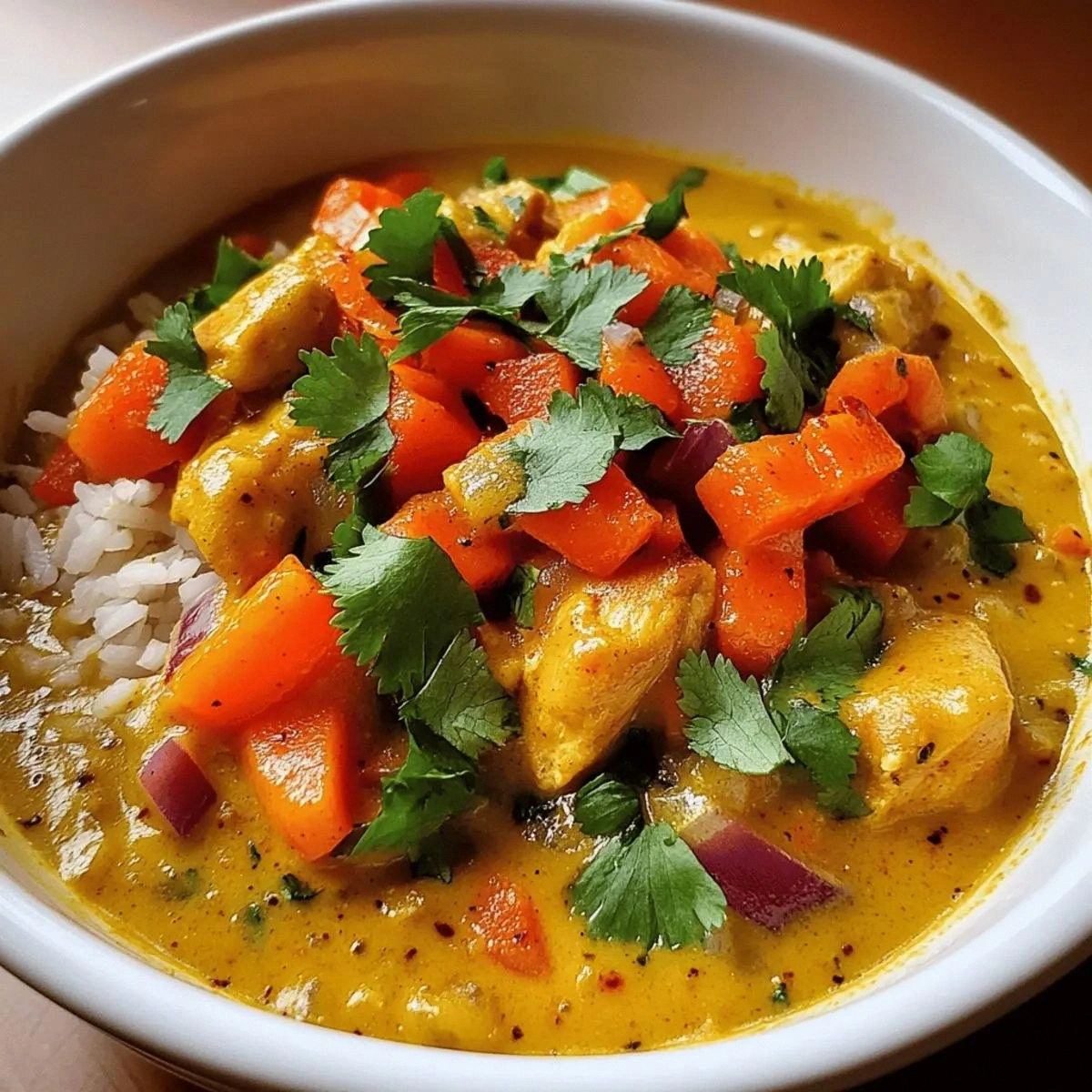
I still remember the Tuesday night I set out to make a simple curry and accidentally turned my kitchen into the hottest new Thai restaurant in town. The aroma drifted down the hallway of my apartment building, and by the time I ladled the first spoonful over steaming jasmine rice, three neighbors were knocking on my door with empty bowls and hopeful expressions. That night, this crockpot coconut curry chicken was born, and it has since taken up permanent residence in my weekly rotation because it is gloriously hands-off yet tastes like you spent hours babysitting a pot on the stove.
Picture this: you toss a handful of pantry staples in your slow cooker before work, and when you walk back through the door, you're greeted by a cloud of fragrant coconut, zippy lime, and mellow curry that makes you forget you spent the entire day staring at spreadsheets. The chicken is so tender it slides apart with a gentle nudge, the vegetables stay perky, and the sauce is silky enough to make you want to lick the crock insert clean. I dare you to taste this and not go back for seconds—or thirds, if you're anything like me.
If you've ever struggled with watery curry, chalky coconut milk, or chicken that feels more like rubber bands than dinner, you're not alone — and I've got the fix. Most slow-cooker curry recipes get this completely wrong by dumping everything in at once, turning vibrant vegetables into olive-gray mush and muting all the aromatics. This version layers flavors the way a jazz band layers solos: each ingredient enters at the right moment, so the final sauce is bright, complex, and absolutely addictive.
Okay, ready for the game-changer? We're going to bloom the curry powder in hot fat first, add the coconut milk in stages, and finish with a lightning-quick squeeze of lime that freshens everything up. Stay with me here — this is worth it, because the payoff is a dinner that tastes like you jetted off to Phuket while you were actually stuck in a mid-week Zoom marathon. Let me walk you through every single step — by the end, you'll wonder how you ever made it any other way.
What Makes This Version Stand Out
Velvety Sauce: Instead of dumping coconut milk in at the start, we hold half back until the final hour, so the fat stays emulsified and the sauce stays glossy. The result coats each grain of rice like silk pajamas on a rainy Sunday morning.
Vegetables That Stay Vibrant: Bell pepper strips, carrots, and peas are added in tiers so they keep their color, snap, and sweetness. No sad army-green peppers floating in a sea of beige sauce.
One-Pot, Zero Stress: Everything actually cooks in the crockpot. No pre-searing chicken in a screaming-hot skillet while oil splatters your favorite T-shirt. You literally layer, set, and forget.
Layered Aromatics: Garlic, ginger, and curry powder get a quick bloom in the microwave first, waking up their essential oils so they don't taste like dusty pantry ghosts.
Budget-Friendly Luxury: Chicken thighs work just as well as breasts if you're feeding a crowd on a tight grocery budget, and canned coconut milk beats the wallet dent of takeout every single time.
Meal-Prep Magic: Flavors deepen overnight, so Sunday batch equals envy-inducing office lunches through Thursday. Reheat once and watch co-workers follow the scent trail like cartoon characters levitating toward pie.
Crowd-Pleasing Heat Scale: Mild enough for kids, but a squirt of Sriracha on each bowl lets heat-seekers crank it up without hijacking the pot. Family harmony restored.
Alright, let's break down exactly what goes into this masterpiece...
Inside the Ingredient List
The Flavor Base
Chicken breasts provide the lean protein sponge that soaks up sauce, but boneless thighs give you richer flavor and forgive an extra hour of cooking if your meeting runs long. Either way, cut them into hearty 1½-inch chunks so they stay juicy rather than turning into stringy confetti. Coconut milk is the luscious blanket that tames curry heat and gives body to the sauce; go for full-fat because the "light" stuff is just watered-down disappointment. Chicken broth stretches the liquid without muting flavor — use low-sodium so you control the salt meter.
The Texture Crew
Onion melts into the background and provides natural sweetness as it slowly caramelizes in the crock. Red bell pepper brings vitamin C and pops of crimson, but you can swap orange or yellow for the same effect. Carrots add earthy sweetness and a pleasant bite; slice them on a diagonal so they look fancy even though you're wearing sweatpants. Frozen peas go in at the end for a burst of color and spring-like freshness; canned peas would taste like wet paper, so just don't.
The Unexpected Star
Curry powder is the lead singer, but the backup harmonies come from brown sugar, which balances the spice with toffee notes, and fish sauce, which adds an unidentifiable depth that makes people ask, "Why does this taste so much better than takeout?" Lime juice wakes everything up at the end like a splash of cold water on a drowsy morning. Skip it and the whole dish tastes flat in the same way soda loses its sparkle once it sits open too long.
The Final Flourish
Fresh cilantro is divisive, sure, but if you're on Team Cilantro, shower it on generously for a citrusy perfume that lifts the rich sauce. If you're genetically anti-cilantro, swap thinly sliced basil or even mint for a similar green pop. And don't you dare use dried herbs here — that would be like trading a convertible ride down the coast for a bumper-car session in a dark warehouse.
Everything's prepped? Good. Let's get into the real action...
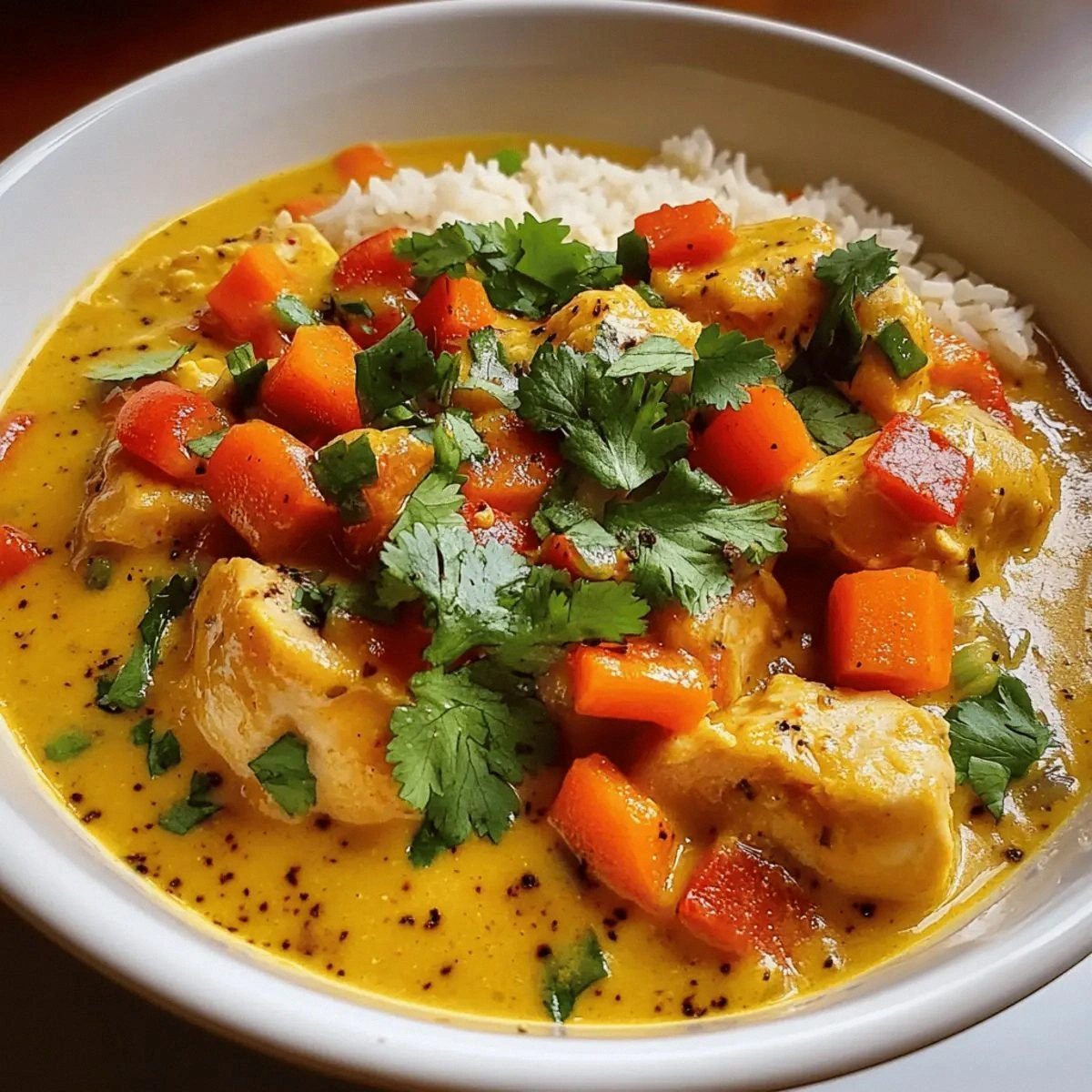
The Method — Step by Step
- Scatter the chopped onion, bell-pepper slices, and carrots across the bottom of your slow cooker insert. Think of them as the edible steamer rack that keeps the chicken elevated so it doesn't wallow in a pool of its own juices. The vegetables will release liquid as they cook, creating a naturally seasoned broth that mingles with the coconut milk later. Make sure your crock is at least 4-quart capacity so there's room for everything to dance rather than mosh.
- In a microwave-safe bowl, combine the curry powder, minced garlic, and ginger with the tablespoon of oil. Microwave on high for 45 seconds; you'll smell a heady perfume that basically works as an air freshener for your kitchen. This blooming step unlocks the essential oils in the spices, preventing that dusty library taste you sometimes get from slow-cooked curry. Stir in the brown sugar until it melts into a glossy paste the color of sunset.
- Nestle the chicken chunks on top of the vegetables in a single-ish layer. Sprinkle generously with salt and pepper, then slather the curry paste over every piece like you're frosting a very meaty cake. This coating acts as a flavor seal, locking in moisture and ensuring each bite is seasoned through and through. Pour in the chicken broth around the sides so you don't wash off the precious paste.
- Cover and cook on low for 3 hours. This is hands-down the best version you'll ever make at home because the low-and-slow approach coaxes collagen into gelatin, which thickens the sauce naturally. Resist the urge to crank it to high; that shortcut turns the coconut milk grainy and the chicken stringy. While it cooks, go live your life — binge a podcast, fold that laundry mountain, finally reply to emails you've been ghosting.
- After 3 hours, gently stir in half the coconut milk. The sauce will lighten to a creamy golden hue and smell like the lobby of a five-star beach resort. Cover again and cook for 30 minutes more so the flavors marry. If your crockpot runs hot, check at 20 minutes; you want the chicken at 165°F but still swimming in sauce.
- Stir in the frozen peas and remaining coconut milk. The peas will thaw in the residual heat within 2 minutes and stay bright green. Add the fish sauce and lime juice, stirring once to combine. This is the moment of truth: taste a spoonful of sauce and adjust salt or lime as needed; it should taste like a tropical sunset balanced between sweet, savory, and tangy.
- Let the curry rest for 5 minutes with the lid off so the sauce can tighten slightly and the flavors can settle. During this brief pause, warm your rice or noodles so everything hits the table piping hot. Sprinkle with cilantro just before serving so the herbs stay perky and aromatic rather than wilting into sad confetti.
That's it — you did it. But hold on, I've got a few more tricks that'll take this to another level...
Insider Tricks for Flawless Results
The Temperature Rule Nobody Follows
Most people think slow cookers are foolproof, but the difference between juicy and jerky is 10°F. Invest in an instant-read thermometer and pull the chicken the moment it hits 165°F; anything beyond that and the proteins squeeze out moisture faster than a toddler with a juice box. If your schedule demands a longer cook time, switch to thighs—they have more intramuscular fat that forgives overcooking and actually improves in texture.
Why Your Nose Knows Best
Midway through cooking, stick your face near the vent—yes, I'm serious—and take a slow whiff. You should smell coconut first, then curry, then a faint sweetness. If you detect harsh or metallic notes, your curry powder is old or your garlic is scorching on the side of the pot. Adjust by stirring gently and adding a splash of broth to cool any hot spots.
The 5-Minute Rest That Changes Everything
Resist the temptation to dive in the second the timer dings. Letting the curry sit uncovered for five minutes allows the sauce to thicken slightly and the chicken to reabsorb some of the flavorful liquid it released. Think of it as a spa moment for your dinner—everything relaxes, melds, and becomes more than the sum of its parts.
Creative Twists and Variations
This recipe is a playground. Here are some of my favorite ways to switch things up:
Green Curry Jungle
Swap the curry powder for 2 tablespoons of green curry paste and add a small diced Thai eggplant in the last hour. The paste brings grassy heat and a pop of color that looks like you teleported to Bangkok. Throw in a few torn kaffir-lime leaves if you can find them; they add an electric citrus note that makes your tongue buzz in the best way.
Potato-Lover's Comfort
Add 2 cups of cubed Yukon Gold potatoes at the start; they soak up sauce like tiny edible sponges and turn buttery soft. The starch naturally thickens everything, so reduce the broth by half. This variation is perfect for feeding teenagers who equate volume with value and will happily demolish the entire pot before you can say "save me some."
Seafood Coconut Curry
Substitute peeled shrimp for the chicken, but add them only in the last 15 minutes so they curl into sweet crescents and stay plump. Use vegetable broth instead of chicken, and toss in a handful of baby spinach at the end for color. It's light, summery, and tastes like you rented a beach house even if you're landlocked in February.
Vegan Island Dream
Trade chicken for chickpeas and swap in full-fat coconut milk plus a block of cubed extra-firm tofu. Use vegetable broth and add a teaspoon of smoked paprika for depth. The protein stays toothsome, the sauce stays creamy, and nobody at the table will miss the meat.
Fiery Devil's Curry
Add 1 minced habanero and a teaspoon of cayenne to the curry paste if you like your dinner with a side of adrenaline. Keep a dollop of cooling coconut yogurt nearby for the brave souls who take the dare. I'll be honest — I ate half the batch before anyone else got to try it, and my lips tingled for an hour in the most addictive way.
Autumn Harvest Curry
Replace bell pepper and carrots with diced butternut squash and kale. The squash melts into the sauce, adding natural sweetness, while kale ribbons stay vibrant and chewy. Add a pinch of cinnamon and nutmeg to echo pumpkin-spice vibes without veering into latte territory.
Storing and Bringing It Back to Life
Fridge Storage
Cool the curry completely, then transfer to airtight glass containers; plastic will absorb the turmeric and haunt tomorrow's leftover lasagna with curry perfume. It keeps up to 4 days, though after day 3 the peas start sulking. Reheat gently on the stove with a splash of water or coconut milk to loosen the sauce, and finish with a fresh squeeze of lime to perk everything back up.
Freezer Friendly
Portion into freezer bags, squeeze out excess air, and freeze flat so you can stack them like curry passports ready for future emergencies. Label with the date; frozen curry is best within 3 months. Thaw overnight in the fridge, not on the counter, unless you enjoy surprise bacterial parties. After thawing, add the peas fresh so they maintain their pop rather than turning into olive-gray sadness.
Best Reheating Method
Stovetop wins every time: pour curry into a saucepan, add a tablespoon of water or broth, cover, and warm over medium-low, stirring occasionally. Microwave works in a pinch, but heat at 70% power in 60-second bursts, stirring between, so the coconut milk doesn't separate into oily slicks. Whatever you do, don't reheat to a rolling boil; gentle warmth preserves the creamy emulsion and keeps chicken tender.