I was in the middle of a frantic weekday dinner when my roommate dared me to whip up something that would make her forget about the pizza she’d been eyeing all day. I laughed, grabbed a can of chickpeas, a bag of pre‑roasted beets, and a block of feta, and set the timer for a “quick” salad. Within minutes the kitchen was alive with the earthy perfume of beet juices and the sharp, sweet snap of red onion, while a low hum of curiosity turned into a full‑blown chorus of “what’s that smell?” I won’t lie—my taste buds threw a party before the salad even hit the bowl.
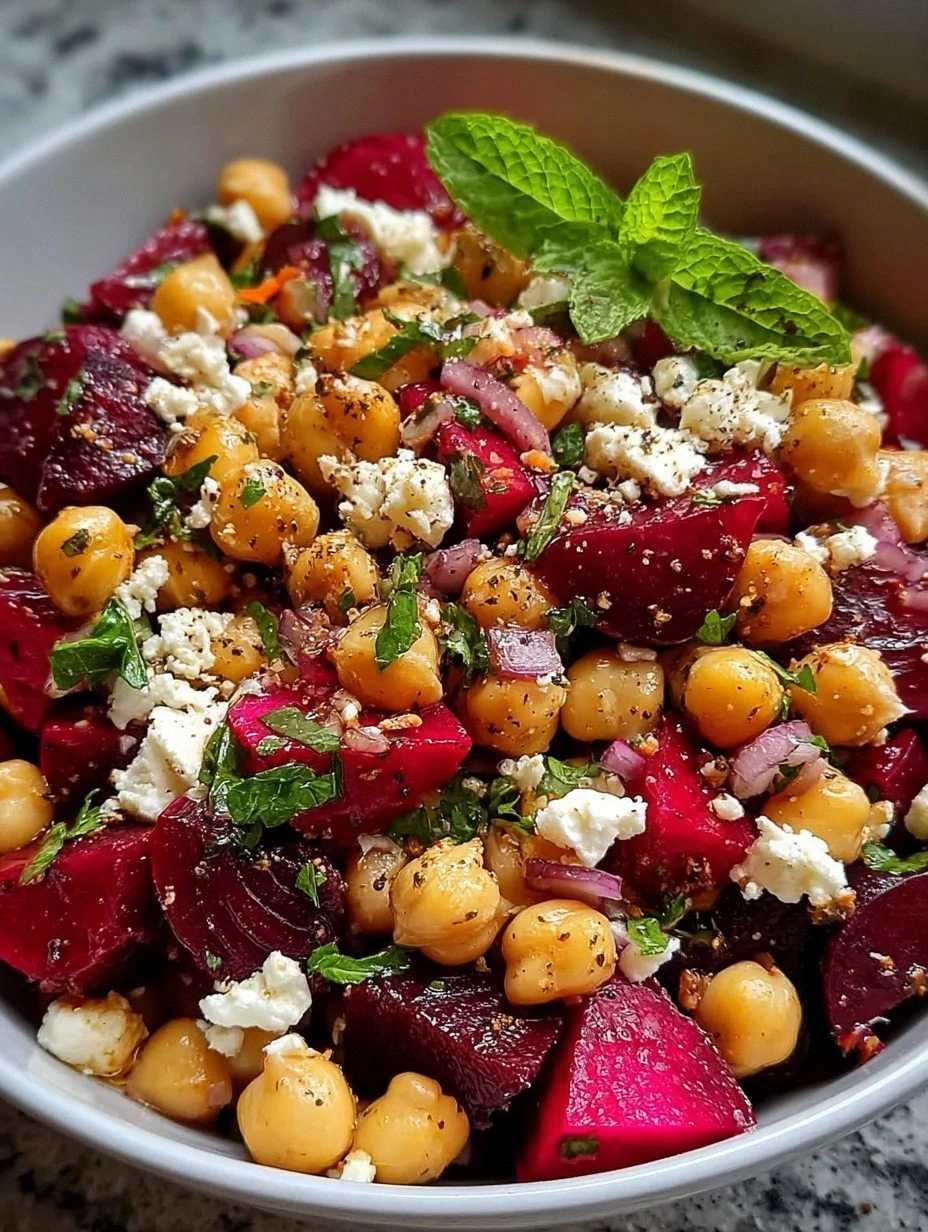
Picture this: a glossy drizzle of olive oil and red‑wine vinegar glistening over ruby‑red beet cubes, speckled with bright green parsley and the creamy crumble of feta that looks like snow on a winter landscape. The chickpeas sit like little pearls, each bite delivering a buttery, nutty pop that makes you want to close your eyes and say, “Mmm.” The crunch of thinly sliced red onion adds a whisper of heat, while a whisper of mint (if you’re feeling fancy) lifts the whole thing into a garden‑fresh climax. The whole experience is a symphony of textures—soft, crunchy, creamy, and juicy—all playing together in perfect harmony.
Most salad recipes I’ve tried either drown the beans in a soggy vinaigrette or let the beets dominate the palate like an over‑enthusiastic soloist. This version, however, strikes a balance that feels almost scientific: the vinaigrette is measured to coat without drowning, the feta is added at the very end to keep its tangy snap, and the herbs are tossed in just before serving to preserve their bright flavor. I dare you to taste this and not go back for seconds; the combination is so addictive that you’ll start planning your next grocery run around it.
But here’s the kicker—there’s a secret ingredient that most recipes completely overlook: a drizzle of honey (or maple syrup for a vegan twist). That tiny touch of sweetness neutralizes the beet’s earthiness and makes the vinaigrette sing like a choir. Okay, ready for the game‑changer? Let me walk you through every single step — by the end, you’ll wonder how you ever made it any other way.
What Makes This Version Stand Out
- Taste: The sweet‑earthy beet meets the salty, creamy feta, while the chickpeas provide a neutral canvas that lets the vinaigrette shine. It’s a flavor dance that never gets boring.
- Texture: You get soft beans, tender beet cubes, crisp onion, and crumbly cheese all in one bite. That contrast keeps your fork busy and your mouth smiling.
- Simplicity: Fewer than twelve ingredients, most of which you probably already have in your pantry. No fancy equipment—just a bowl, a whisk, and a good appetite.
- Uniqueness: The optional mint and the honey‑maple touch elevate a standard salad into something you’d expect at a Mediterranean bistro, not your average weekday.
- Crowd Reaction: I’ve watched strangers at potlucks line up for seconds, and even the most skeptical eaters admit they’re “surprised how good a salad can be.”
- Ingredient Quality: Using fresh herbs and high‑quality feta makes a massive difference. You’ll taste the garden in every forkful.
- Cooking Method: Roasting the beets brings out a caramelized sweetness that raw beets simply can’t achieve. It’s the secret behind the depth of flavor.
- Make‑Ahead Potential: The vinaigrette can be pre‑mixed and stored, and the salad holds up beautifully for lunch the next day—no soggy disaster here.
Inside the Ingredient List
The Flavor Base
Chickpeas are the unsung heroes of this salad. Their creamy, buttery texture absorbs the vinaigrette like a sponge, ensuring every bite is seasoned perfectly. If you skip them, you lose the protein punch and the subtle earthiness that balances the beets. For a protein boost, you could swap in white beans, but the flavor profile shifts slightly toward a milder note.
Roasted Beets bring the star power—sweet, earthy, and slightly smoky. The roasting process caramelizes the natural sugars, turning the beet’s flavor from “just a root vegetable” to “a sweet, velvety jewel.” If you’re short on time, pre‑roasted beets from the store work just fine; just make sure they’re not overly salted.
The Texture Crew
Feta Cheese is the tangy, creamy counterpoint that cuts through the sweetness of the beets. Crumbled feta spreads evenly, ensuring each forkful gets a burst of salty goodness. If you prefer a milder cheese, try goat cheese, but the distinctive brine of feta is what makes this salad sing.
Red Onion adds a sharp, almost peppery bite that awakens the palate. Thinly slice it and soak in cold water for a minute if raw onion bite is too strong for you. Green onions are a milder alternative and bring a fresh, grassy note.
The Unexpected Star
Fresh Mint, while optional, adds a refreshing, almost cooling sensation that lifts the earthiness of the beets. A tablespoon or two of chopped mint can transform the salad from “great” to “wow, I never thought of mint with beets!” If you’re not a mint fan, basil or dill work as interesting substitutes.
A drizzle of Honey or Maple Syrup is the secret sweetener that balances the acidity of the vinegar and lemon juice. It’s the tiny whisper of sweetness that makes the vinaigrette feel rounded rather than sharp. Use honey for a classic floral note, or maple syrup for a deeper, caramel‑like undertone.
The Final Flourish
Olive Oil is the Mediterranean glue that brings everything together, adding richness without heaviness. Use a good extra‑virgin olive oil for a peppery finish; it complements the feta and brightens the herbs.
Red Wine Vinegar and Lemon Juice provide the acidity that cuts through the sweetness and fattiness, creating a balanced mouthfeel. If you don’t have red wine vinegar, apple cider vinegar works just as well, though the flavor will be a touch fruitier.
Fresh Parsley adds a pop of green and a clean, herbaceous note that lifts the entire dish. Chop it just before mixing to keep its color vibrant. Dried parsley simply can’t compete; it loses its bright flavor and looks dull.
Salt and Black Pepper are the final seasoning that ties everything together. Taste as you go, because the feta already brings saltiness. A pinch of pepper adds a subtle heat that lingers pleasantly on the tongue.
Everything's prepped? Good. Let's get into the real action...
The Method — Step by Step
Preheat your oven to 425°F (220°C). Toss the peeled and cubed beets with a drizzle of olive oil, a pinch of salt, and a grind of black pepper. Spread them on a parchment‑lined sheet pan, making sure they’re in a single layer. Roast for 25‑30 minutes, shaking the pan halfway through, until the edges caramelize and the centers are fork‑tender. The kitchen will fill with a sweet, earthy aroma that tells you you’re on the right track.
Kitchen Hack: Cut beets into uniform ½‑inch cubes; they’ll roast evenly and finish at the same time, preventing some pieces from turning mushy.While the beets are roasting, drain and rinse a 15‑ounce can of chickpeas (or 2 cups cooked chickpeas). Pat them dry with a clean kitchen towel—dry beans absorb the dressing better and stay crisp. Transfer the beans to a large mixing bowl and set aside.
Prepare the vinaigrette: whisk together 3 tablespoons olive oil, 2 tablespoons red wine vinegar, 1 tablespoon fresh lemon juice, and 1 teaspoon honey (or maple syrup). Add a generous pinch of salt and freshly ground black pepper. The mixture should look glossy and slightly thickened—if it looks too thin, add a splash more olive oil.
Kitchen Hack: Use a small mason jar with a lid; shake vigorously for 15 seconds and you’ll get a perfectly emulsified dressing without a whisk.When the beets are done, let them cool for about five minutes—just enough to handle without burning your fingers. Transfer the warm beets to the bowl with the chickpeas. The residual heat will help the beans soak up some of that sweet‑earthy flavor.
Slice ½ a medium red onion thinly; if raw bite is too sharp, give the slices a quick soak in cold water for 30 seconds, then drain. Add the onion, ¼ cup chopped fresh parsley, and, if you’re feeling adventurous, 2 tablespoons chopped fresh mint to the bowl.
Watch Out: Over‑soaking the onion can dilute its flavor; keep the soak brief to retain its bite while mellowing the sharpness.Pour the vinaigrette over the chickpea‑beet mixture. Toss gently with a wooden spoon or spatula, ensuring every piece gets a light coating. You’ll notice the beets glistening and the chickpeas taking on a subtle sheen—this is the moment the flavors start to marry.
Crumble 1 cup of feta cheese over the salad. Toss just enough to distribute the cheese without breaking it down completely; you want pockets of creamy feta that melt slightly when they meet the warm beet.
Kitchen Hack: Add feta at the very end; this preserves its texture and prevents it from becoming soggy.Give the salad a final gentle toss, taste, and adjust seasoning with a pinch more salt or a squeeze of lemon if needed. Let it sit for five minutes before serving—this short rest allows the flavors to meld, and the beet’s juices will seep into the dressing, creating a deeper, more cohesive taste.
That's it — you did it. But hold on, I've got a few more tricks that'll take this to another level...
Insider Tricks for Flawless Results
The Temperature Rule Nobody Follows
Never pour a cold vinaigrette over warm beets. The heat will cause the oil to separate, leaving a greasy film. Instead, let the beets cool slightly or temper the dressing by whisking in a teaspoon of warm water. This tiny adjustment keeps the dressing glossy and clings to each beet cube like a silk scarf.
Why Your Nose Knows Best
When the beets are roasting, trust your nose more than the timer. If you smell a caramelized, slightly nutty scent, the beets are ready—even if the timer says a few minutes left. Over‑cooking turns them mushy and loses that vibrant snap.
The 5‑Minute Rest That Changes Everything
After tossing everything together, let the salad rest for exactly five minutes. This short pause lets the vinaigrette seep into the chickpeas and beets, creating a unified flavor profile. Skipping this step is the reason many salads taste “flat” the first time around.
Mint Magic (Optional)
If you decide to use mint, add it at the very end, just before serving. Mint’s volatile oils evaporate quickly, so adding it too early dulls its bright punch. A quick sprinkle right before plating preserves that garden‑fresh zing.
The Salt Balance
Feta is already salty, so start with a modest pinch of salt in the vinaigrette. Taste the salad after the first toss, then decide if you need more. Over‑salting is a common mistake that can mask the beet’s natural sweetness.
Creative Twists and Variations
This recipe is a playground. Here are some of my favorite ways to switch things up:
Mediterranean Mezze Remix
Swap feta for crumbled goat cheese and add a handful of Kalamata olives. The briny olives amplify the Mediterranean vibe, making the salad perfect as a side for grilled lamb or a mezze platter.
Autumn Harvest
Add roasted butternut squash cubes and a sprinkle of toasted pumpkin seeds. The sweet squash mirrors the beet’s earthiness while the seeds add a satisfying crunch and a dose of healthy fats.
Spicy Kick
Stir in a finely diced jalapeño or a pinch of crushed red pepper flakes. The heat cuts through the sweetness and makes the salad a bold side for tacos or grilled fish.
Vegan Version
Replace feta with a crumble of firm tofu marinated in lemon juice and nutritional yeast. Use maple syrup instead of honey, and you have a fully plant‑based masterpiece that still delivers on flavor.
Grain‑Boosted Bowl
Serve the salad over a bed of quinoa or farro. The extra grain adds body, turns the dish into a hearty main, and makes it perfect for meal‑prep lunches.
Storing and Bringing It Back to Life
Fridge Storage
Transfer the salad to an airtight container and store in the refrigerator for up to three days. Keep the vinaigrette separate if you prefer a crisper texture; combine just before serving.
Freezer Friendly
While the salad isn’t ideal for long‑term freezing, you can freeze the roasted beets and cooked chickpeas separately for up to two months. Thaw, then re‑assemble with fresh herbs and dressing for a quick revival.
Best Reheating Method
If you prefer a warm version, gently warm the beets and chickpeas in a skillet over low heat, adding a splash of water or broth to steam them back to life. The added moisture prevents drying and keeps the vinaigrette glossy.