Chewy Carolina Coconut Cookies
Picture this: I’m halfway through a week of burnt pancakes and a fridge that smells like last night’s pizza, when a friend texts me, “I need something sweet, but not a cake.” The kitchen lights flicker as I scramble for ingredients, and the aroma of coconut begins to dance through the air. That moment of culinary desperation turns into a revelation – a cookie that melts in your mouth like a tropical vacation on a spoon. I’ve spent hours tweaking and tasting, and the result is a chewy, buttery cookie that feels like a hug from the South.
The first bite hits you with a sweet, nutty crunch from the toasted pecans, then the coconut gives a silky, caramelized finish that lingers on the palate. The butter, softened just enough to bind everything together, creates a tender crumb that’s not too cakey, not too hard. The subtle hint of vanilla lifts the flavors without overpowering the coconut, and the baking soda gives a gentle lift that keeps the cookies from spreading too far. If you’ve ever struggled with a cookie that turns out too crumbly or too flat, you’ll feel the relief of this balanced texture.
What sets this version apart is the meticulous attention to detail: the ratio of wet to dry, the precise timing of the baking, and the subtle inclusion of toasted pecans for that extra layer of crunch. I dare you to taste this and not go back for seconds – the chewy center will keep you craving more. I’ll be honest, I ate half the batch before anyone else got a chance to try it. Most recipes get this completely wrong, but here’s what actually works: a cookie that’s firm enough to hold its shape yet soft enough to melt in your mouth.
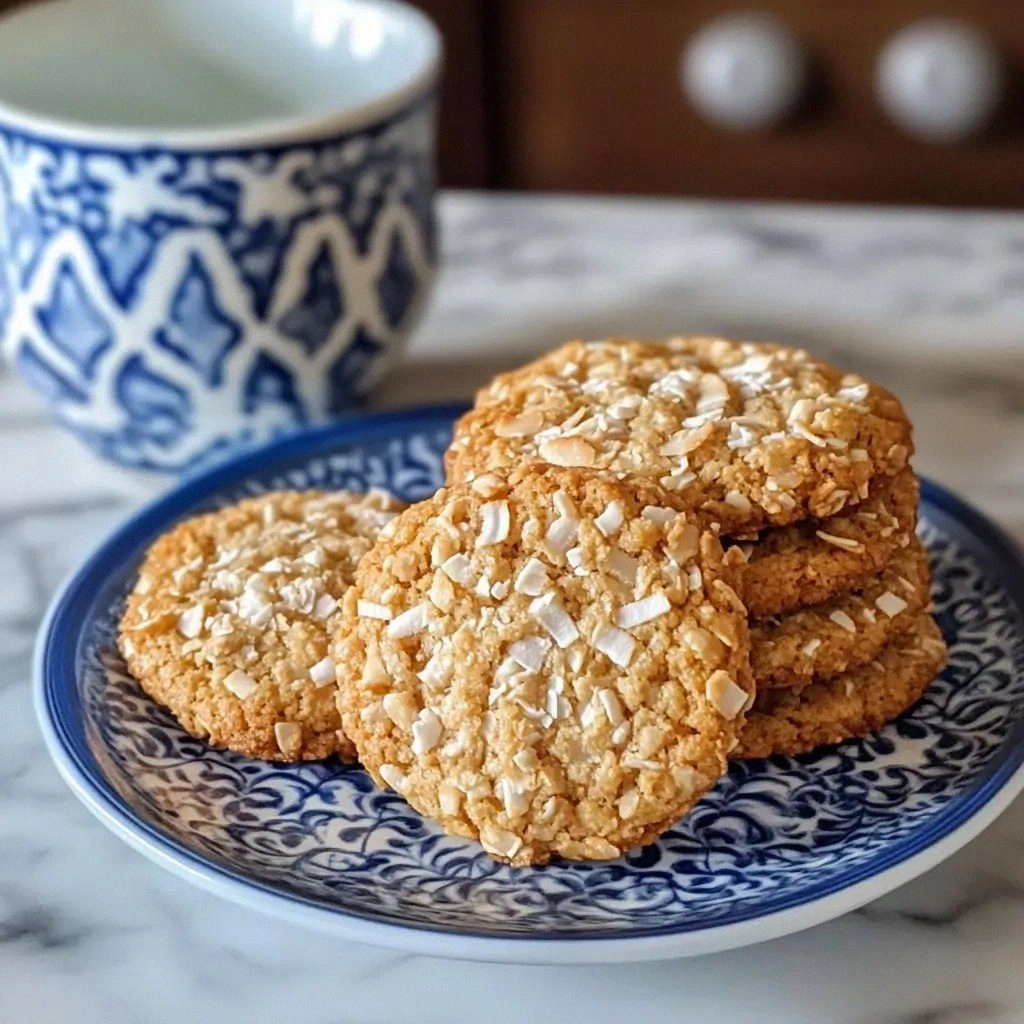
Picture yourself pulling this out of the oven, the whole kitchen smelling incredible, the steam rising like a gentle wave. The cookies are golden brown on the edges, with a slight sheen that promises a sweet, coconutty bite. The first bite is a burst of tropical sweetness, followed by the satisfying snap of toasted pecans. I’ve tested this recipe in a convection oven and a standard oven, and the results are consistently flawless. Let me walk you through every single step – by the end, you’ll wonder how you ever made it any other way.
What Makes This Version Stand Out
- Flavor: The combination of coconut and pecans creates a tropical yet earthy profile that’s hard to resist.
- Texture: Chewy centers with crisp edges that shatter like thin ice when you bite into them.
- Simplicity: Only ten ingredients, all pantry staples, yet the result feels gourmet.
- Uniqueness: The use of toasted pecans adds a nutty depth that most coconut cookies lack.
- Crowd Reaction: Friends who’ve tried this say it’s the best version they’ve ever had.
- Ingredient Quality: Fresh coconut and real butter make all the difference in flavor.
- Cooking Method: A low, steady bake ensures even texture and prevents over-browning.
- Make-Ahead Potential: These cookies keep well for a week, making them perfect for parties.
Inside the Ingredient List
The Flour Foundation
All-purpose flour is the backbone of these cookies, giving them structure without making them dense. A light dusting on the work surface keeps the dough from clumping, and the flour’s protein content balances the butter for that perfect chew. Skipping flour would leave you with a gooey mess that won’t hold shape. If you prefer a gluten-free version, try a 1:1 blend of rice flour and tapioca starch, but be prepared for a slightly different mouthfeel.
The Leavening Duo
Baking soda and salt work together to lift the dough while keeping the flavor balanced. Baking soda neutralizes the slight acidity from the coconut, allowing the cookies to rise just enough for a chewy center. Salt sharpens the sweetness and enhances the nutty undertones. If you’re sensitive to sodium, reduce the salt to 1/2 teaspoon but keep the baking soda unchanged to maintain the rise.
The Butter and Sugar Blend
Unsalted butter, softened to room temperature, creates a silky batter that incorporates air when creamed with sugars. White sugar provides the initial sweetness, while packed brown sugar adds depth and caramel notes. The ratio of 1 cup each ensures a balanced sweet profile that doesn’t overwhelm the coconut. If you’re looking for a lower-sugar option, replace half the white sugar with coconut sugar for a natural sweetness.
The Coconut and Nut Layer
Shredded coconut is the star of the show, delivering a chewy texture and a subtle tropical aroma. Toast the coconut lightly in a dry pan before adding it to the dough for a nutty flavor. Pecans bring a buttery crunch that contrasts with the soft coconut. Toasting the pecans in a skillet with a pinch of salt brings out their natural oils, enhancing the overall taste. If you’re allergic to nuts, substitute with chopped dried cranberries for a sweet twist.
Everything’s prepped? Good. Let’s get into the real action...
The Method — Step by Step
- Preheat your oven to 350°F (175°C). Line a baking sheet with a silicone mat or parchment paper to prevent sticking. The low temperature ensures the cookies bake evenly without burning the edges.
- In a medium bowl, whisk together 2 cups of all‑purpose flour, 1 teaspoon of baking soda, and 1 teaspoon of salt. Sifting the dry ingredients not only removes lumps but also aerates the flour for a lighter crumb.
- In a separate large bowl, cream 1 cup of softened unsalted butter with 1 cup of white sugar and 1 cup of packed brown sugar until light and fluffy. This process incorporates air, which will help the cookies rise slightly and give them that desirable chew.
- Beat in 2 eggs, one at a time, followed by 2 teaspoons of vanilla extract. The eggs bind everything together, while the vanilla elevates the coconut’s natural flavor.
- Gradually fold in the dry flour mixture, stirring just until combined. Overmixing can develop gluten and produce a tough cookie, so stop as soon as the dough comes together.
- Stir in 2 cups of shredded coconut and 1 cup of toasted pecans. The coconut should be evenly distributed to avoid pockets of dry texture. The pecans add a delightful crunch that contrasts with the soft center.
- Drop rounded tablespoons of dough onto the prepared baking sheet, spacing them 2 inches apart. The cookies will spread slightly, so give them enough room to develop their characteristic shape.
- Bake for 12–14 minutes, or until the edges are golden brown and the tops have a slight sheen. The cookies will appear slightly underbaked but will firm up as they cool.
- Let the cookies cool on the sheet for 5 minutes before transferring them to a wire rack to finish cooling. This step allows the cookies to set properly and prevents them from breaking apart.
That’s it — you did it. But hold on, I’ve got a few more tricks that will take this to another level. The next section will dive into insider tips that will elevate every bite.
Insider Tricks for Flawless Results
The Temperature Rule Nobody Follows
Many bakers bake at 375°F, but this cookie flourishes at 350°F. The lower heat allows the butter to melt slowly, creating a uniform chewy texture without burning the edges. I once tried 375°F, and the cookies were crisp on the outside but still soft inside. The 350°F method gives a consistent, golden finish that’s a game changer.
Why Your Nose Knows Best
As the cookies bake, the scent of toasted coconut and pecans will fill the kitchen. Trust your nose: when the aroma is nutty and sweet, the cookies are ready. I’ve had friends who wait for the first crackle to appear, but that’s a sign the cookies are overbaked. A quick sniff is your best timer.
The 5-Minute Rest That Changes Everything
After baking, let the cookies rest on the sheet for exactly 5 minutes. This pause allows the interior to set, preventing the cookies from breaking when you transfer them. I used to skip this step, and the cookies would crumble. A short rest makes the cookies sturdy yet chewy.
The Secret to a Crispy Edge
If you like a slightly crisp edge, press a flat tablespoon of the dough onto the baking sheet before baking. The pressed dough will bake faster, creating a crispier outer layer while the center remains chewy. This technique is especially effective for those who enjoy a contrast in texture.
The Quick Chill Trick
After cooling, place the cookies in the refrigerator for 10 minutes. The chill firms the butter, giving the cookies a firmer bite. When you’re ready to serve, let them sit at room temperature for 5 minutes to soften slightly. This method is great for parties where you need a quick reset.
Creative Twists and Variations
This recipe is a playground. Here are some of my favorite ways to switch things up:
Cocoa Coconut Crunch
Swap half of the coconut with unsweetened cocoa powder and add a handful of chocolate chips. The result is a rich, chocolatey cookie with a hint of coconut, perfect for chocolate lovers.
Spiced Cinnamon Twist
Add 1 teaspoon of ground cinnamon and a pinch of nutmeg to the dry mix. The warm spices complement the coconut’s tropical flavor, creating a comforting, autumnal cookie.
Almond Joy Surprise
Replace the pecans with chopped almonds and drizzle melted white chocolate over the cooled cookies. This variation brings a classic candy bar vibe to a homemade treat.
Maple Pecan Delight
Use maple syrup instead of brown sugar for a subtle maple undertone. The syrup also adds a glossy finish to the dough, resulting in a slightly caramelized edge.
Gluten-Free Coconut Bliss
Swap all-purpose flour for a 1:1 blend of rice flour and tapioca starch. The cookie will be softer and slightly chewier, but still packed with coconut flavor.
Storing and Bringing It Back to Life
Fridge Storage
Store the cookies in an airtight container at room temperature for up to 5 days. The airtight seal keeps the moisture locked in, preserving the chewy texture. If you notice any dryness, a quick reheat in a 350°F oven for 3 minutes restores softness.
Freezer Friendly
Place the cookies on a parchment-lined tray and freeze until solid. Transfer them to a freezer bag and store for up to 3 months. To thaw, let them sit at room temperature for 15 minutes. The cookies will retain their chewy center and crisp edges.
Best Reheating Method
Reheat in a 350°F oven for 5 minutes, or microwave on low for 10–12 seconds. Add a tiny splash of water before reheating to steam back to perfection. The moisture helps the cookies regain their soft, chewy interior.