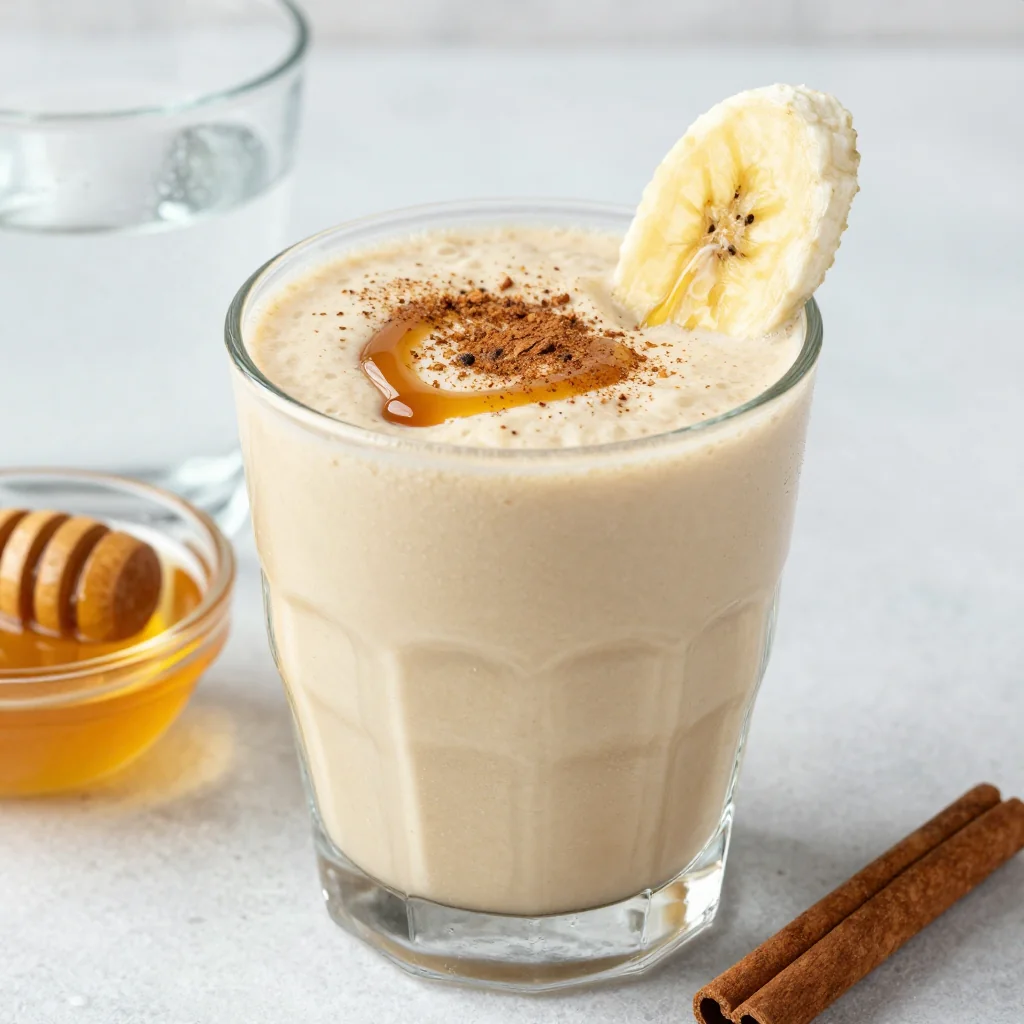
Ever tried making oatmeal so rich it feels like a dessert? I was in the middle of a late‑night binge on a bland, cold bowl when I remembered the sweet, caramel‑kissed bananas my grandma used to whip up on Sunday mornings. That single memory sparked a culinary quest: to turn the humble oats and bananas into a silky, golden breakfast that could be served any time of day. I set out to combine the comforting familiarity of oatmeal with the indulgent depth of caramelized fruit, and what I discovered was nothing short of a breakfast revolution.
The moment the bananas hit the pan, the kitchen filled with a buttery aroma that made the air taste like a caramelized promise. The sound of the sizzling fruit was a satisfying crackle, the kind that turns a simple cooking step into a small celebration. When the first spoonful hit my tongue, I tasted a burst of natural sweetness balanced by a hint of toasted nutty undertone from the oats. The texture was a contrast of creamy banana, chewy oats, and a subtle crunch from the caramelized edges that snapped like thin ice when you bite into them. And the best part? The entire dish could be made in under half an hour, yet it feels like you’re indulging in a gourmet experience.
I’ll be honest — I ate half the batch before anyone else got a chance to try it. The other half was just as good, but I couldn't resist the temptation. Most people think oatmeal is a simple, dry dish, but this version is the opposite: it’s a warm, comforting hug that coats your taste buds in a velvety sauce of banana and caramelized sugar. If you’ve ever struggled with bland breakfast, you’re not alone — and I’ve got the fix.
Picture yourself pulling this out of the pan, the whole kitchen smelling incredible, the steam rising in soft swirls that look like a caramel sunrise. I dare you to taste this and not go back for seconds. This is hands down the best version you'll ever make at home. Let me walk you through every single step — by the end, you'll wonder how you ever made it any other way.
What Makes This Version Stand Out
- Flavor: The caramelized bananas create a deep, buttery sweetness that elevates the oatmeal from plain to extraordinary. The natural sugars caramelize into a golden glaze, giving each spoonful a rich, almost dessert‑like quality. The subtle hint of vanilla ties everything together for a comforting finish.
- Texture: The oats absorb the caramelized syrup, becoming silky yet still chewy, while the banana slices add a soft, almost custard‑like bite. The caramelized edges of the bananas add a satisfying crunch that shatters like thin ice, providing contrast without overwhelming the dish.
- Ease: With a single pan, you can combine, cook, and serve — no separate sauce or extra equipment required. The recipe is forgiving; even novice cooks can master it with a few simple steps.
- Uniqueness: Most oatmeal recipes rely on fruit toppings or sweeteners added after cooking. Here, the fruit is the star of the show, caramelized in place and infused into the oats for a unified flavor profile.
- Crowd Reaction: Friends and family who tried this said it was “the best oatmeal I’ve ever had” and that the caramelized banana “tasted like a warm hug.” The dish is perfect for brunches, quick weekday mornings, or a cozy dessert.
- Ingredient Quality: Using ripe bananas, whole‑grain rolled oats, and real butter ensures a wholesome, nutrient‑dense meal. The simple, natural ingredients mean no artificial additives or preservatives.
- Cooking Method: The single‑pot technique locks in moisture, caramelizes the banana sugars, and creates a thick, luscious sauce that coats the oats like velvet.
- Make‑ahead Potential: You can prepare the caramelized banana mixture ahead of time and reheat it with a splash of milk for a quick, comforting breakfast.
Alright, let's break down exactly what goes into this masterpiece…
Inside the Ingredient List
The Flavor Base
Rolled oats are the backbone of this dish, providing a hearty, nutty foundation that soaks up the caramelized banana sauce. Using whole‑grain oats keeps the meal wholesome and adds a subtle chew that balances the smooth banana. Skipping oats turns the recipe into a banana‑sugar jam, which loses the comforting, filling texture that makes oatmeal a staple breakfast.
Milk (or a dairy‑free alternative) hydrates the oats and creates a creamy consistency that feels indulgent. The fat in the milk helps carry the caramelized flavor throughout the dish. If you prefer a lighter version, you can replace milk with almond milk or oat milk, but the final texture will be slightly less velvety.
Butter adds richness and a buttery sheen that elevates the caramelized banana glaze. The fat from the butter helps the sugars caramelize evenly and creates a glossy finish that looks as good as it tastes. Without butter, the bananas will still caramelize, but the sauce will be flatter and less glossy.
The Sweetener & Spice
Brown sugar is the key to achieving that deep, caramel flavor. Its molasses content gives the glaze a complex, almost bittersweet undertone that balances the banana’s natural sweetness. If you’re watching sugar, a tablespoon of honey or maple syrup can substitute, though the flavor profile will shift slightly.
Cinnamon adds a warm, aromatic depth that complements the banana’s sweetness. A teaspoon is enough to give the dish a fragrant kick without overpowering the natural flavors. If you’re not a cinnamon fan, a pinch of nutmeg or a dash of allspice can provide a different aromatic profile.
Vanilla extract brings a subtle, sweet aroma that ties the caramelized banana and oats together. It’s a small touch that makes the dish feel more sophisticated. If you don’t have vanilla extract, a splash of almond extract can work as a substitute.
The Unexpected Star
Ripe bananas are the star of the show; their natural sugars caramelize beautifully, creating a luscious glaze that coats the oats. Look for bananas that are slightly overripe with brown spots for the best caramelization. If you use underripe bananas, they’ll stay firm and not caramelize as well, resulting in a less sweet dish.
Walnuts add a nutty crunch that provides a contrasting texture and a boost of healthy fats. They also add a subtle earthy flavor that balances the sweetness. If you’re allergic or simply don’t have walnuts on hand, chopped pecans or almonds work well as substitutes.
The Final Flourish
Shredded coconut gives a tropical twist and a light, airy crunch that pairs well with the caramelized banana. It also adds a subtle coconutty sweetness that complements the dish’s overall flavor. If you’re not into coconut, a handful of granola can add texture and a sweet crunch.
Maple syrup is used as a drizzle topping for an extra layer of sweetness and a glossy finish. It adds a distinct, earthy sweetness that complements the caramelized banana glaze. If you prefer a lighter finish, a drizzle of honey or a few drops of flavored syrup can replace maple syrup.
Greek yogurt is optional but recommended for a creamy, protein‑rich topping that balances the dish’s sweetness. The tanginess of the yogurt cuts through the caramelized sugar, creating a harmonious flavor profile. If you’re vegan, a dollop of coconut yogurt or a scoop of silken tofu works as a great alternative.
Everything's prepped? Good. Let's get into the real action…
The Method — Step by Step
- Heat the pan. Place a large, heavy‑bottom skillet over medium heat and let it warm for a minute. This step ensures even caramelization and prevents the bananas from sticking. Once hot, add the butter and let it melt, swirling the pan to coat the bottom.
- Slice the bananas. Cut the bananas into ½‑inch thick rounds. The size is important; thick slices hold together during caramelization, while thin slices can burn quickly. Place them in the buttered pan in a single layer, letting them sizzle without overcrowding.
- Caramelize. Sprinkle the brown sugar over the banana slices. The sugar should spread evenly, creating a glossy glaze as it melts. Let the bananas cook for 3–4 minutes on each side, or until they develop a golden brown crust. Watch for the first crackle; that’s the sound of caramel forming.
- Toast the oats. Add the rolled oats to the pan, stirring to coat them with the caramelized banana mixture. Toast the oats for 2 minutes, letting them absorb the syrup and develop a toasted aroma. This step locks in flavor and prevents the oats from becoming mushy.
- Pour in the milk. Slowly pour the milk over the oats and bananas, stirring constantly to create a smooth, cohesive sauce. The milk will dissolve the remaining sugar and help the oats swell. Keep the heat at medium; the mixture should simmer gently but not boil.
- Simmer. Let the oatmeal simmer for 10–12 minutes, stirring occasionally to prevent sticking. The mixture will thicken and the oats will become tender. The caramelized banana glaze should coat the oats like a velvety blanket.
- Add the spices. Stir in the cinnamon and vanilla extract, letting their aromas mingle with the warm oatmeal. This is the moment of truth; the spices should lift the dish from simple to sublime. Taste and adjust if needed.
- Finish with nuts and coconut. Fold in the chopped walnuts and shredded coconut, giving the dish a final crunch and a tropical hint. The nuts add a satisfying bite, while the coconut adds a subtle airy sweetness. Let the mixture sit for a minute to allow the flavors to meld.
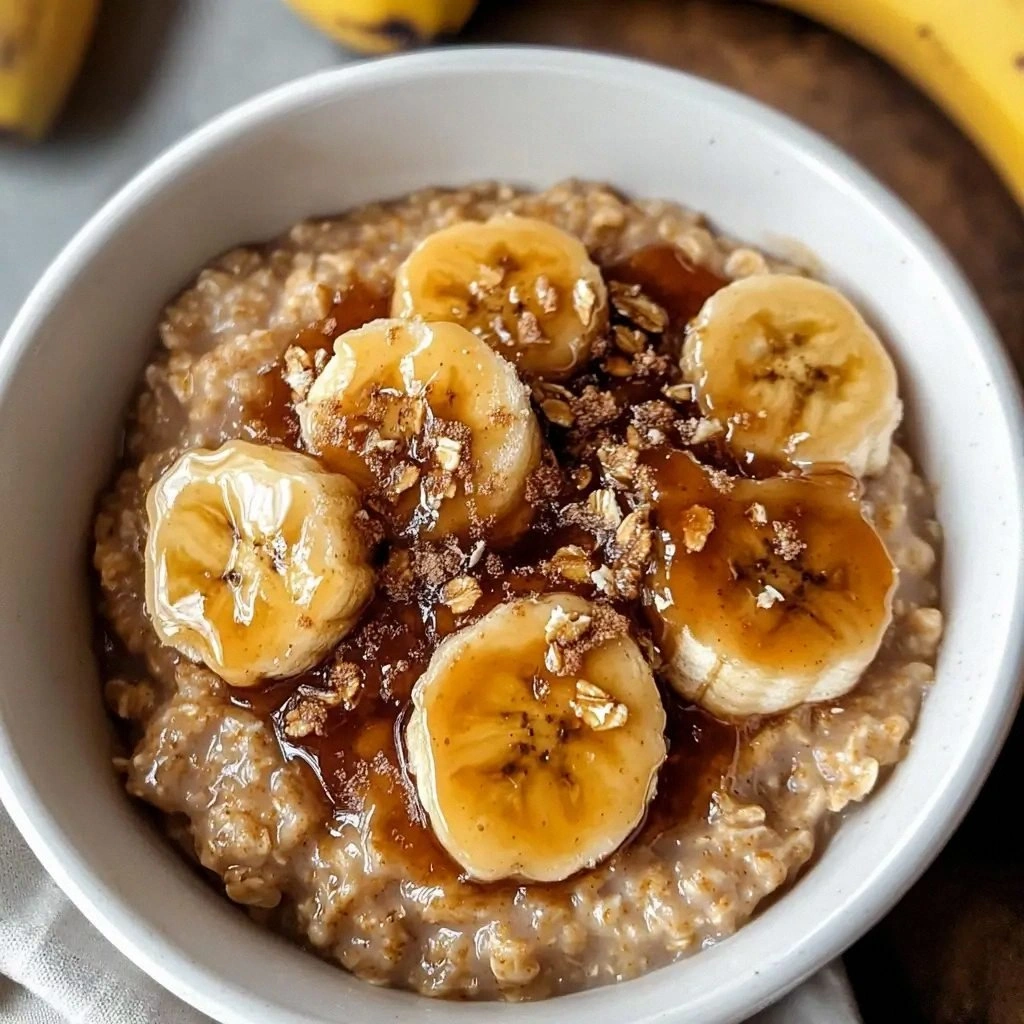
- Serve. Ladle the oatmeal into bowls, drizzle with maple syrup, and top with a dollop of Greek yogurt if desired. The dish should look glossy, creamy, and inviting. Serve immediately while hot.
That's it — you did it. But hold on, I've got a few more tricks that'll take this to another level…
Insider Tricks for Flawless Results
The Temperature Rule Nobody Follows
Many people cook oatmeal on high heat, resulting in a mushy, uneven texture. The secret is to keep the heat medium or medium‑low once the oats are added. This allows the oats to absorb the caramelized sauce slowly, producing a creamy consistency. I once tried high heat and ended up with a burnt, clumpy batch that nobody wanted.
Why Your Nose Knows Best
Before you taste, sniff the oatmeal. A pleasant, buttery aroma signals that the caramelization is on point. If you smell a faint burnt scent, lower the heat and give it a minute. Your nose is a reliable indicator of the dish’s readiness.
The 5‑Minute Rest That Changes Everything
After you remove the oatmeal from the heat, let it rest for exactly five minutes. This brief pause allows the oats to finish cooking in their own steam, resulting in a more even, silky texture. I used to skip this step, and the oatmeal felt slightly undercooked.
Micro‑Challenge: The Second Batch
Once you’ve mastered the first batch, challenge yourself by doubling the quantity without changing the ratio. The caramelization will take a bit longer, but the result will be the same deliciousness. I dare you to taste this and not go back for seconds.
Future Pacing: Serving Ideas
Picture yourself pouring this into a mason jar for a grab‑and‑go breakfast. The caramelized banana layer will settle at the bottom, and the oats will sit on top, making it easy to stir and enjoy on the move. It’s a perfect lunchbox for kids or a quick snack for busy adults.
The 5‑Minute Rest That Changes Everything
Letting the oatmeal sit for five minutes after cooking ensures the flavors meld and the oats absorb the caramelized glaze fully. It also allows the top layer to set slightly, creating a pleasing texture contrast. I always recommend this simple step for a restaurant‑quality finish.
Creative Twists and Variations
This recipe is a playground. Here are some of my favorite ways to switch things up:
Maple‑Infused Breakfast
Swap the brown sugar for maple syrup during caramelization and drizzle extra maple syrup on top. The result is a sweet, earthy flavor that pairs perfectly with the oats. This variation is ideal for a cozy winter morning.
Nutty Chocolate Crunch
Add a handful of dark chocolate chips and chopped walnuts after the oats have cooked. The chocolate will melt into the warm sauce, creating a rich, fudgy texture. The walnuts add a satisfying crunch and a nutty depth.
Spiced Tropical Twist
Introduce a pinch of cardamom and a splash of coconut milk instead of regular milk. The cardamom adds a warm, floral note, while the coconut milk gives a creamy, tropical undertone. Top with toasted coconut flakes for extra texture.
Protein Boost
Stir in a scoop of vanilla protein powder after the oats finish cooking. This adds a subtle vanilla flavor and increases the protein content, making the dish more filling. It’s a great option for post‑workout breakfasts.
Vegan Delight
Replace the butter with coconut oil, use oat milk, and top with a dollop of coconut yogurt. This keeps the dish entirely plant‑based while maintaining the same indulgent flavor profile. The coconut oil also enhances the caramelization of the bananas.
Berry Fusion
Fold in fresh blueberries or sliced strawberries after the oats are cooked. The berries add a burst of tartness that balances the sweetness. It’s a refreshing summer variation that brightens the dish.
Storing and Bringing It Back to Life
Fridge Storage
Cool the oatmeal completely before transferring it to an airtight container. Store it in the refrigerator for up to 3 days. When ready to eat, reheat in a microwave for 1–2 minutes or on the stove with a splash of milk.
Freezer Friendly
Divide the cooked oatmeal into individual portions and freeze in freezer‑safe containers or bags. Keep it for up to 2 weeks. Thaw overnight in the fridge, then reheat with a little milk to restore the creamy texture.
Best Reheating Method
Reheat the oatmeal on low heat with a splash of milk or water. Stir frequently to prevent sticking and to distribute the heat evenly. A tiny splash of water before reheating steams the oats back to perfection, keeping them fluffy.