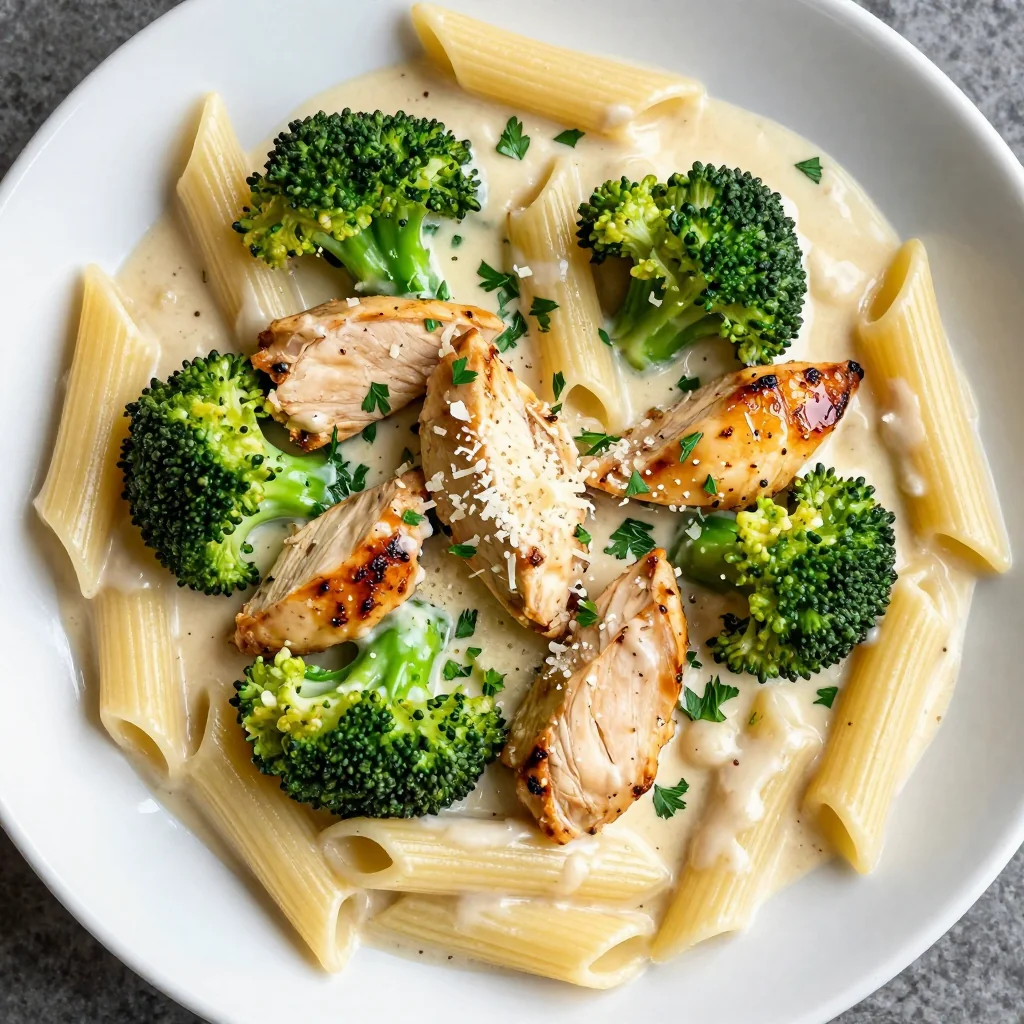
I still remember the Tuesday night I burned three chicken breasts beyond recognition while trying to impress my sister with a "quick" Cajun dinner. The smoke alarm was singing opera, my roommate was fanning the kitchen with a pizza box, and I was standing there holding a blackened spatula like some kind of culinary failure statue. Fast forward two weeks and I'm plating what my friends now call "the redemption chicken" — this Cajun Chicken with Coriander Lime Rice that goes from fridge to table in thirty minutes flat and tastes like you've been cooking all afternoon. The transformation happened because I finally cracked the code on high-heat searing, learned that coriander seeds are secretly the rockstars of weeknight rice, and discovered that lime zest hits different when you add it at the very end instead of cooking it into oblivion.
Picture this: it's seven-thirty, your stomach's growling like an angry bear, and you want something that punches way above its weight class. You pull out chicken thighs (because dry chicken breasts are so 2019), toss them with a spice blend that smells like Mardi Gras had a baby with a summer farmers market, and while those beauties sear to golden perfection, your rice is absorbing all the herby, citrusy goodness that makes people close their eyes after the first bite. That sizzle when the chicken hits the pan? Absolute perfection. The way the coriander seeds pop and crackle in the hot oil? Better than Netflix. And when you fluff that rice with fresh lime juice and watch the steam carry those bright, grassy notes through your kitchen, you'll understand why my neighbor once knocked on my door asking if I was running an underground restaurant.
Here's the thing — most quick chicken recipes taste exactly like what they are: rushed afterthoughts thrown together by tired humans who just want to eat something that isn't takeout. This one breaks all the rules. We're building layers of flavor faster than you can say "pass the hot sauce," using techniques I learned from watching line cooks at my favorite New Orleans joint. The chicken gets that restaurant-quality crust because we're not afraid of high heat and we're definitely not moving it around the pan like it's got separation anxiety. The rice steams with coriander and lime leaves, absorbing flavors that make your taste buds do a happy dance. And that final squeeze of fresh lime right before serving? It's like turning the flavor dial up to eleven.
Let me walk you through every single step — by the end, you'll wonder how you ever made it any other way.
What Makes This Version Stand Out
Lightning Fast: We're talking thirty minutes from "what's for dinner" to "pass the seconds please," but nobody will believe you didn't spend hours. While the chicken rests after its golden sear, the rice finishes fluffing up with all those aromatic bits. The timing works so perfectly that you'll feel like you've got a kitchen timer implanted in your brain.
Flavor Bomb Chicken: Most recipes dust chicken with sad, flat spices that taste like red dust. We're creating a mahogany crust that locks in juices while building a spice profile that actually makes sense — smoky paprika, earthy thyme, fiery cayenne, and that secret ingredient nobody expects. Your chicken will taste like it spent the afternoon lounging in a Louisiana spice spa.
Rice That Steals the Show: Let's be honest — rice is usually the boring sidekick, but not here. Toasting coriander seeds until they pop like tiny fireworks releases oils that perfume every grain. Fresh lime zest added right at the end keeps things bright instead of bitter, and chopped cilantro stems (yes, stems!) give you that herby punch without the wilted-leaf sadness.
One-Pan Magic: Okay, technically it's one pan and one rice pot, but that's still fewer dishes than your average takeout order generates. Everything happens in real time while you're already standing there, so you're not left with a sink full of mystery bowls and measuring spoons that multiply like rabbits.
Weeknight Warrior: This recipe doesn't care if you're exhausted from work, if your toddler is having a meltdown, or if you can barely remember your own name. It works with pantry staples, forgives mistakes, and still tastes like you planned this meal three days ago instead of staring into your fridge in desperation.
Leftover Legend: Here's where things get wild — this dish might taste even better the next day. The spices have time to mingle and deepen, the rice absorbs all those gorgeous juices, and suddenly your sad desk lunch becomes the envy of the entire office. I've seen grown adults hide containers of this in the back of the fridge like treasure.
Crowd Pleaser Supreme: Kids love it because it's not aggressively spicy (unless you want it to be), adults love it because it actually tastes like real food instead of diet punishment, and your spice-loving cousin can drown their portion in hot sauce while your mild-mannered aunt enjoys hers exactly as written. Everyone wins.
Inside the Ingredient List
The Flavor Foundation
Chicken thighs are the unsung heroes of weeknight cooking — they stay juicy even if you accidentally walk away from the stove to answer that email you forgot about. Boneless and skinless keeps things quick, but leave them thick so they don't dry out into sad little hockey pucks. If all you have are breasts, pound them to an even thickness and reduce cooking time by two minutes, but know that you're missing out on the flavor train.
Our Cajun spice blend starts with smoked paprika — not the regular stuff that's been sitting in your grandma's cabinet since 1994. You want the deep, woodsy variety that smells like campfire and makes everything taste like you cooked it over actual flames. Mix it with garlic powder (not garlic salt — trust me on this), dried thyme, oregano, and just enough cayenne to make things interesting without sending anyone to the emergency room.
The Rice Revolution
Long-grain white rice works best here because it stays fluffy and doesn't clump together like that short-grain stuff that's secretly trying to become sushi. Basmati brings its own floral notes to the party, while jasmine gets a bit too perfumey with our coriander-lime situation. Whatever you do, don't use instant rice — it turns to mush faster than you can say "dinner's ready," and nobody wants to eat rice pudding for dinner unless it's actually pudding.
Coriander seeds are the real MVPs — they taste like citrus peel had a baby with sage, and when you toast them in a dry pan, they release oils that make your kitchen smell like you've been transported to a spice market. Crack them coarsely so you get little bursts of flavor instead of just generic "something herby happened here."
The Brightness Brigade
Fresh limes are non-negotiable — that bottled stuff tastes like cleaning product had an identity crisis. You need the zest for the rice (added right at the end so it stays bright) and the juice for finishing everything with that tongue-tingling acidity that makes all the other flavors stand up and sing. Pick limes that feel heavy for their size and have smooth skin — wrinkled ones are dried out and grumpy.
Cilantro divides humanity into lovers and haters, but even cilantro-phobes often like the stems when they're finely chopped and cooked into rice. The leaves go on top fresh, but those stems give you all the flavor without the soapy aftertaste that some people experience. If you're genetically predisposed to hate cilantro, swap in fresh parsley and add a pinch of ground coriander to the rice instead.
The Supporting Cast
Good chicken stock transforms rice from "meh" to "more please" — use low-sodium so you control the salt level, and warm it up before adding to the rice so everything cooks evenly. Water works in a pinch, but you'll miss that extra layer of savory depth that makes people ask for your secret ingredient.
Butter might seem odd in a Cajun recipe, but just a tablespoon gives the rice that restaurant richness and helps carry all those spice flavors. Use unsalted butter so you don't accidentally turn dinner into a salt lick, and add it right at the end so it melts into glossy perfection.
Everything's prepped? Good. Let's get into the real action...
The Method — Step by Step
- Start the rice base: Place your rice in a fine-mesh strainer and rinse under cold water until it runs clear — this removes excess starch that makes rice gummy. While it's draining, heat a medium saucepan over medium heat and add your coriander seeds. Toast them for about two minutes, shaking the pan occasionally, until they start popping like tiny firecrackers and your kitchen smells like a spice dream. Add the rice and toast for another minute, stirring constantly so nothing burns, then add your warm chicken stock, bring to a boil, reduce to low, cover, and set a timer for fifteen minutes. Don't peek — that steam is doing important work in there.
- Season the chicken: While your rice is getting its act together, pat those chicken thighs dry with paper towels (moisture is the enemy of browning) and season generously with salt on both sides. Mix your Cajun spices in a small bowl — I like two teaspoons smoked paprika, one teaspoon each garlic powder and dried thyme, half teaspoon dried oregano, quarter teaspoon cayenne, and plenty of black pepper. Rub this all over the chicken, pressing it in so it sticks like glitter at a craft party. Let it sit while you heat your pan — those spices need a minute to hydrate and stick properly.
- Get that pan screaming hot: Heat a large heavy skillet (cast iron if you've got it) over medium-high heat until a drop of water sizzles away immediately. Add just enough oil to coat the bottom — we're talking two teaspoons, not a swimming pool. When the oil shimmers like a mirage in the desert, carefully lay in your chicken thighs. They should sizzle immediately and make that satisfying sound that means good things are happening. Don't crowd them — work in batches if necessary, because crowded chicken steams instead of sears, and steamed chicken is what we're trying to avoid here.
- Master the sear: Here's where patience pays off — let those beauties cook undisturbed for five to six minutes. Resist the urge to poke, prod, or peek underneath. When they're ready to flip, they'll release easily from the pan. If they're sticking, they're not ready yet. Flip them over and cook another four to five minutes on the second side. The internal temperature should hit 165°F, but honestly, when they're golden and firm to the touch, you're golden too.
- Rest and relax: Transfer your perfectly seared chicken to a plate and tent loosely with foil. This isn't just being fancy — resting allows the juices to redistribute so they don't flood your cutting board when you slice. Plus, everything's about to come together in a beautiful symphony of timing, and you want that chicken to be ready when the rice is singing.
- Finish the rice: When your rice timer goes off, remove it from heat but keep it covered for five more minutes — this is the steam finish that makes restaurant-quality rice. While you're waiting, chop your cilantro stems finely and zest your lime. After five minutes, fluff the rice with a fork (never a spoon — you want fluffy, not mashed), stir in the butter, cilantro stems, lime zest, and half the lime juice. Season with salt to taste — it should taste bright and herby with little surprise bursts of coriander.
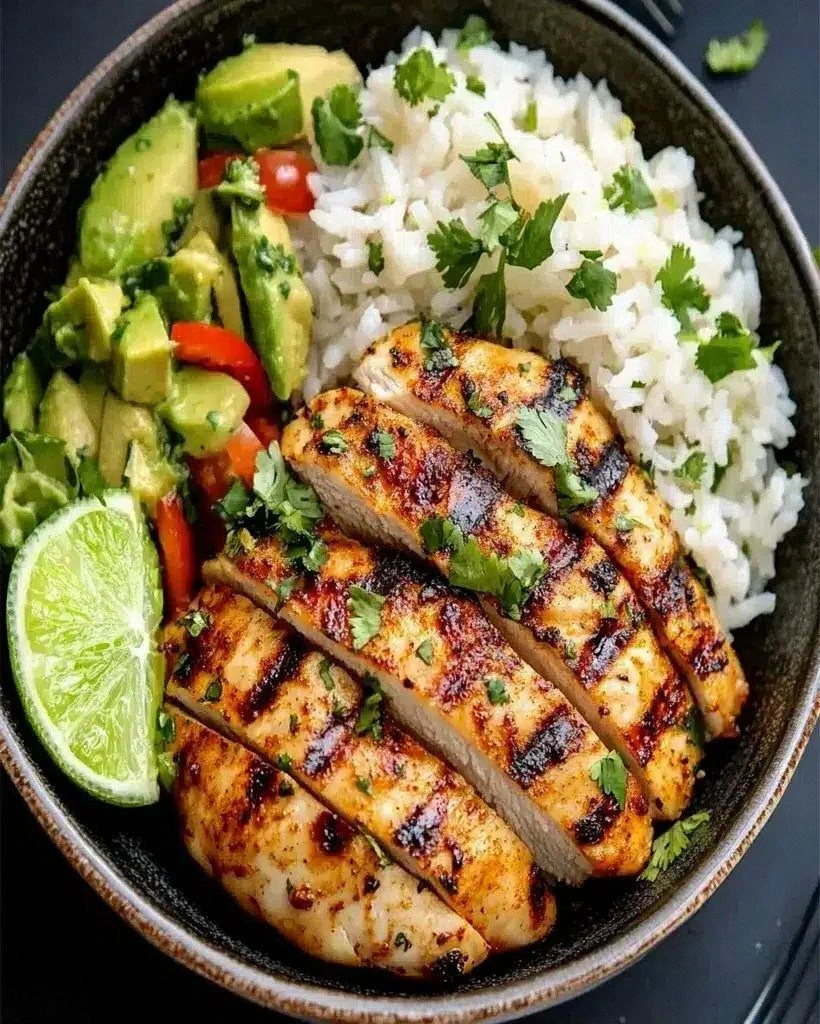
- Slice and serve: Slice your rested chicken on the bias into thick, juicy pieces. The inside should be perfectly white with clear juices — if it's still pink, back in the pan for a minute. Arrange a generous scoop of that fragrant rice on each plate and top with sliced chicken. Shower everything with fresh cilantro leaves and serve with lime wedges on the side, because someone always wants extra lime and it's better to be prepared than sorry.
- Final flourish: Drizzle any accumulated chicken juices from the resting plate over the top — that's liquid gold packed with all those Cajun spices. Serve immediately while everything's hot and the rice is still fluffy. Stand back and watch people's faces when they take the first bite. I dare you to taste this and not go back for seconds.
That's it — you did it. But hold on, I've got a few more tricks that'll take this to another level...
Insider Tricks for Flawless Results
The Temperature Rule Nobody Follows
Room temperature chicken cooks more evenly than cold chicken straight from the fridge. I know, I know — you're hungry and patience is a virtue you don't possess right now. But even fifteen minutes of counter time while you're prepping everything else means the chicken cooks evenly instead of being overcooked on the outside and raw in the middle. If you're really in a rush, place the sealed package in a bowl of lukewarm water for five minutes — just don't use hot water or you'll start cooking it in ways you don't want.
Why Your Nose Knows Best
Forget timers for a second — your nose is the most underutilized kitchen tool you own. When the coriander seeds start smelling like orange peel and pine needles, they're ready. When the chicken smells like you're walking past a New Orleans restaurant, flip it. When the rice smells nutty and warm instead of starchy and bland, it's time to add the stock. Train your nose and you'll never overcook anything again — plus you'll impress people when you announce "it's ready" two seconds before the timer goes off.
The 5-Minute Rest That Changes Everything
I know you're tempted to dive right in — the smell is driving you crazy and your stomach is doing the hungry dance. But those five minutes while the rice finishes steaming and the chicken rests are pure magic. The juices redistribute instead of flooding your cutting board, the rice grains finish absorbing all that flavor, and everything comes to the perfect eating temperature. Use this time to set the table, pour yourself a drink, or just stand there breathing in the incredible smells you created. Future you will thank present you for waiting.
The Salt Timing Secret
Season your chicken with salt before you add the spice rub — salt needs time to penetrate and season the meat properly. But save the salt for your rice until after it's cooked — salted cooking water can make rice tough on the outside and mushy inside. Taste and adjust at the end when you can actually tell how everything balances. This one simple timing shift takes your dish from "pretty good" to "why is this so much better than restaurant food?"
The Butter Trick That Makes Restaurant Rice
That tablespoon of butter at the end isn't just for richness — it's carrying fat-soluble flavor compounds from the coriander and lime zest straight to your taste buds. Stir it in off-heat so it melts into glossy perfection instead of separating into greasy pools. Use European-style butter if you're feeling fancy (higher fat content means more flavor), but honestly, even the cheap stuff transforms humble rice into something that makes people close their eyes when they eat it.
Creative Twists and Variations
This recipe is a playground. Here are some of my favorite ways to switch things up:
The Seafood Vacation
Swap the chicken for shrimp — season them the same way but cook for just two minutes per side until they curl into sweet little Cs. The rice stays exactly the same, but you'll want extra lime for the seafood version. Add a handful of diced mango at the end for that tropical vacation vibe that makes January feel less depressing.
The Vegetarian Powerhouse
Replace chicken with thick slices of cauliflower steak that get the same spice rub and sear treatment. Use vegetable stock instead of chicken stock, and add a can of chickpeas to the rice for protein. The cauliflower develops those gorgeous charred edges that taste like they came off a grill, while the chickpeas make it substantial enough that nobody misses the meat.
The Fire-Eater Special
For those who think regular Cajun seasoning is for babies, add a teaspoon of chipotle powder to the spice mix and throw in some diced pickled jalapeños with the cilantro stems. Keep milk nearby — this version brings the heat that makes your forehead sweat in the best possible way. The lime rice becomes your cooling lifeline instead of just a tasty side.
The Coconut Curry Fusion
Replace half the chicken stock with coconut milk and add a teaspoon of curry powder to the spice blend. The rice becomes this incredible creamy-citrusy base that makes the whole dish taste like Louisiana met Thailand and had a delicious baby. Top with toasted coconut flakes for crunch and prepare for people to demand this version every week.
The Breakfast Remix
Leftover rice gets fried in a hot pan with a bit of oil until crispy, then topped with a runny egg and your leftover sliced chicken warmed up quickly in the same pan. Add a dash of hot sauce and suddenly yesterday's dinner becomes the breakfast that powers you through meetings until lunch. I've been known to make extra rice just for morning-after fried rice.
The Low-Carb Bowl
Replace rice with cauliflower rice — toast the coriander seeds, then add the cauliflower rice and cook just three minutes so it stays al dente instead of turning into mush. The flavor profile stays identical, but you can eat a giant bowl without that post-rice food coma. My gym-rat brother swears by this version for post-workout recovery.
Storing and Bringing It Back to Life
Fridge Storage
Store leftovers in airtight containers with the rice and chicken separate if possible — the rice keeps better without chicken juices making it soggy. It'll keep for four days in the fridge, though honestly, mine never lasts more than two because I keep sneaking spoonfuls every time I open the fridge door. Pro tip: pack individual portions in those little containers so you're not tempted to eat the entire batch standing in front of the refrigerator at midnight.
Freezer Friendly
The chicken freezes beautifully for up to three months — slice it first so it thaws quickly, and wrap portions tightly in plastic wrap before freezing in bags. The rice can be frozen too, but add a tablespoon of water per cup before reheating to bring back that fluffy texture. Freeze rice in flat ziplock bags so it thaws quickly and you can break off exactly how much you need.
Best Reheating Method
Add a splash of chicken stock or water to a pan, add your rice, cover and steam over medium heat for three minutes. Add the chicken on top for the last minute just to warm through — this keeps everything from drying out like the Sahara. The microwave works in a pinch, but add a damp paper towel over the top and use 50% power so you don't end up with rubber chicken and rice pellets.