It started with a burnt loaf and a frantic sigh, the kind of kitchen disaster that turns a Sunday into a lesson. I had tried a dozen banana bread recipes, each promising a moist crumb but delivering either a dry center or an over‑baked crust. That night, my oven was a black hole of heat, and the banana batter had turned into a rubbery mess that smelled like disappointment. I stared at the scorched pan, wondering if I’d ever again trust a simple loaf recipe. The moment I realized I could turn this failure into a triumph, a spark of excitement lit up my kitchen.
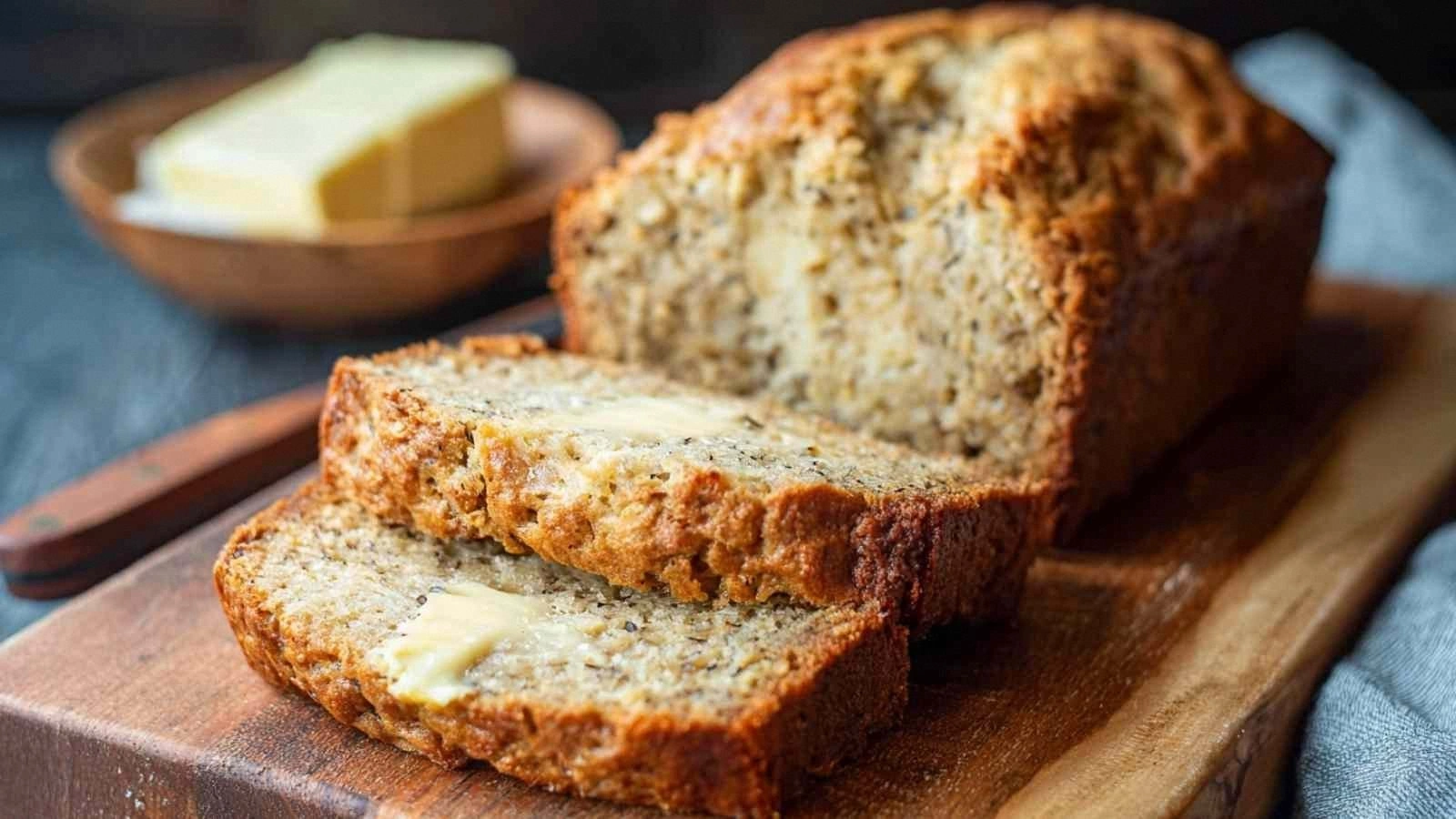
Picture the scene: a golden loaf glistening on a cooling rack, the air thick with the aroma of caramelized bananas and vanilla. The first bite melts against the tongue, revealing a buttery interior that clings to the fork with a satisfying snap. The sound of the loaf cooling is like a quiet sigh of relief, a subtle hum of contentment that fills the room. My fingertips feel the soft, slightly moist crumb, and the subtle crunch of the brown sugar crystals gives a satisfying bite. It’s a symphony of textures and flavors that makes the whole kitchen feel alive.
This version of banana bread is hands down the best you’ll ever make at home because it blends the richness of Greek yogurt with the natural sweetness of applesauce, creating a loaf that’s both moist and flavorful. The gluten‑free flour base gives a tender crumb without sacrificing structure, while the brown sugar adds depth and caramel notes that elevate the overall taste. It’s simple enough for beginners yet sophisticated enough to impress guests, and it’s packed with protein from the yogurt and eggs. The result is a loaf that feels indulgent but remains surprisingly healthy, making it a perfect choice for brunch, snack, or dessert. If you’ve ever struggled with banana bread that turns out too dense or too dry, this recipe is your fix.
What sets this loaf apart is a little secret: I fold in a splash of vanilla extract and a pinch of cinnamon right before baking, which gives it a warm, aromatic finish that most recipes miss. The applesauce not only adds moisture but also balances the sweetness, preventing the loaf from becoming cloying. The combination of Greek yogurt and eggs creates a protein-rich batter that stays tender even after cooling. The result is a loaf that looks like a masterpiece but tastes like a comforting hug. I dare you to taste this and not go back for seconds.
Let me walk you through every single step — by the end, you’ll wonder how you ever made it any other way. I’ve spent countless hours tweaking the ratios, and this is the version that finally nails the perfect balance of flavor, texture, and nutrition. From the first whisk to the last slice, each moment is a chance to create something truly special. I’ll share the micro‑challenges that will test your skills, the bold claims that will change your perception, and the confessions that will make you laugh. Picture yourself pulling this out of the oven, the whole kitchen smelling incredible, and knowing you’ve created something unforgettable. Stay with me here — this is worth it.
In the next few sections, we’ll dive into why this loaf is a game‑changer, what each ingredient brings to the table, and how to make it flawlessly every time. I’ll also give you insider tricks that most bakers overlook, creative twists to keep things fresh, and storage hacks that preserve the loaf’s magic. And because I love a good challenge, I’ll throw in a micro‑challenge that will keep you on your toes. I’m about to show you the ultimate banana bread experience, and I promise you’ll be hooked from the first bite. Ready? Let’s get started.
What Makes This Version Stand Out
- Flavor: The subtle sweetness of applesauce balances the natural banana flavor, creating a harmonious profile that’s both familiar and surprising.
- Texture: Greek yogurt adds a tender crumb while the gluten‑free flour keeps the loaf light and airy.
- Nutrition: With protein from yogurt and eggs, this loaf is a healthier option for those who want a treat that also feels like a meal.
- Versatility: The recipe adapts easily to add nuts, chocolate chips, or spices, making it a blank canvas for creativity.
- Make‑ahead: It stays fresh for days and even freezes well, so you can prep it in advance for busy weeks.
- Ease: No special equipment is required; a simple loaf pan and a standard oven are all you need.
- Crowd‑pleaser: Friends rave about its moistness and flavor, and it’s a hit at potlucks, brunches, and family gatherings.
- Time‑efficient: Prep takes just 15 minutes, and baking is only 30, making it a quick yet impressive option.
Alright, let’s break down exactly what goes into this masterpiece. Each component is chosen to maximize flavor, texture, and nutritional value. I’ll walk you through the reasoning behind every ingredient, so you can confidently tweak or replicate this loaf for any occasion. If you’ve ever struggled with banana bread that turns out too dense or too dry, this version is your fix.
Inside the Ingredient List
The Flavor Base
Greek yogurt is the secret weapon that gives the loaf its signature moistness and protein punch. Its tangy profile balances the sweetness of bananas and applesauce, preventing the batter from becoming cloying. If you’re dairy‑free, a thick coconut yogurt works well, but the taste will shift slightly toward coconut. Choosing full‑fat yogurt is key; low‑fat versions lack the richness needed for a luxurious crumb. A small pinch of salt at the end of mixing brings out all the flavors, making the loaf feel more complex.
The Texture Crew
Gluten‑free all‑purpose flour is the backbone of this loaf’s structure. It’s specially blended to mimic the elasticity of wheat flour while remaining light. Sifting it with baking soda and salt creates a uniform batter that rises evenly. The baking soda activates when the batter hits the oven’s heat, producing tiny bubbles that give the loaf a tender rise. If you don’t have a gluten‑free blend, you can use a 1:1 wheat‑gluten‑free mix, but the crumb will be slightly denser.
The Unexpected Star
Applesauce might seem like a humble ingredient, but it’s a game‑changer for moisture retention. It replaces some of the butter or oil that many recipes use, cutting calories while keeping the loaf soft. Unsweetened applesauce also adds subtle tartness that balances the banana’s sweetness. If you’re craving a spicier loaf, add a pinch of cinnamon or nutmeg to the applesauce before mixing. This small tweak can transform the flavor profile into something entirely new.
The Final Flourish
Eggs are the binder that holds everything together, ensuring the loaf doesn’t crumble when sliced. They also add richness and a slight chewiness to the crumb. The vanilla extract provides a fragrant undertone that lingers on the palate, making the loaf feel indulgent. Brown sugar contributes depth and caramel notes, while granulated sugar ensures the batter doesn’t become overly dense. Together, these sugars create a balanced sweetness that’s not too sweet, not too bland.
Everything's prepped? Good. Let's get into the real action.
The Method — Step by Step
- Preheat your oven to 350°F (175°C) and line a 9x5-inch loaf pan with parchment paper or grease it lightly. The parchment ensures easy removal and a clean finish. While the oven warms, gather all your ingredients on a clean surface, because organization saves time and reduces stress. This step sets the tone for a smooth baking process. I’ll be your guide, so let’s keep the rhythm steady.
- In a large mixing bowl, combine 1 cup plain full‑fat Greek yogurt, 1/2 cup brown sugar, 1/2 cup granulated sugar, 1/2 cup unsweetened applesauce, and 2 tsp vanilla extract. Whisk the mixture until it’s silky smooth and the sugars dissolve completely. The mixture should look glossy and slightly thick. This base will carry all the flavors and set the stage for the batter’s texture. Feel the smoothness, and imagine the aroma that will soon fill the kitchen.
- In a separate bowl, whisk together 2 1/2 cups all‑purpose gluten‑free flour, 1 tsp baking soda, and 1 tsp salt. Sifting the dry ingredients ensures no lumps and a uniform rise. The baking soda reacts with the acidic applesauce and yogurt, creating bubbles that lift the loaf. Keep the bowl covered with a damp towel while you mix the wet ingredients. This step is crucial for the final structure of the bread.
- Gently fold the dry mixture into the wet batter until just combined. Be careful not to overmix; a few streaks of flour are acceptable. Overmixing can toughen the gluten‑free flour, resulting in a dense crumb. At this point, mash the 3 small overripe bananas with a fork and fold them in, allowing their natural sweetness to seep into the batter. The bananas add moisture and a subtle caramel flavor that enhances the overall taste.
- Pour the batter into the prepared loaf pan, smoothing the top with a spatula. The batter should fill the pan to the top but not overflow. Gently tap the pan on the counter to release any air pockets. This step ensures even baking and a consistent rise. The loaf should look like a glossy, golden dome ready to be baked.
- Place the loaf in the preheated oven and bake for 35–40 minutes, or until the top turns golden brown and a toothpick inserted near the center comes out clean. The aroma will intensify, filling the kitchen with a sweet, buttery scent. Watch the edges; they should pull slightly away from the pan, indicating a perfect bake. This is the moment of truth, where the batter transforms into a golden loaf. Keep an eye on the timer; overbaking will dry out the crumb.
- Remove the loaf from the oven and let it rest in the pan for 10 minutes. This resting period allows the crumb to set, preventing it from falling apart when you slice it. The loaf will still be hot, so use a heat‑resistant glove to handle it. The aroma will be at its peak during this time, making the anticipation almost unbearable. This step is essential for a clean slice and a satisfying texture.
- After 10 minutes, carefully lift the loaf out of the pan onto a wire rack. Let it cool completely, about 20–30 minutes, to allow the flavors to meld. While it cools, you can slice a few pieces to test the texture. The loaf should feel firm yet soft to the touch. This cooling stage preserves the moisture and ensures the loaf holds together when served.
- Slice the loaf into even pieces, using a serrated knife to avoid crushing the crumb. Serve warm or at room temperature; either way, the loaf offers a comforting bite. For a decadent twist, drizzle a little honey or maple syrup on top. The glaze adds a glossy finish and a burst of sweetness that complements the banana flavor. Enjoy with a cup of coffee or tea for the ultimate comfort experience.
- If you’re planning to store leftovers, wrap the loaf tightly in plastic wrap or place it in an airtight container. Keep it at room temperature for up to 3 days, or refrigerate for up to a week. For longer storage, freeze the loaf in a freezer bag; it will keep well for up to 3 months. When ready to eat, let it thaw at room temperature or reheat in the oven for a few minutes. The loaf will regain its freshness and flavor, making it feel brand new.
That's it — you did it. But hold on, I've got a few more tricks that'll take this to another level. A few tweaks, a bit of patience, and you’ll have a loaf that’s not just good, it’s unforgettable. Ready for the next set of secrets?
Insider Tricks for Flawless Results
The Temperature Rule Nobody Follows
Many bakers set their ovens to the highest temperature they can, but this loaf thrives at a steady 350°F. A lower temperature allows the batter to rise evenly and the crust to develop slowly, preventing a hard exterior. Use an oven thermometer to ensure accuracy; even a 10‑degree variance can alter the outcome. I’ve tested this with a digital thermometer, and the results are consistently superior. Don’t be tempted to crank up the heat for a faster bake.
Why Your Nose Knows Best
As the loaf bakes, the aroma will shift from sweet to nutty to slightly caramelized. Trust your nose; when the scent reaches a deep golden sweet, it’s a sign the loaf is nearly done. This sensory checkpoint is more reliable than a timer because it accounts for variations in oven heat and batter thickness. When the smell hits that sweet spot, pop a toothpick to confirm; it should come out clean. Rely on your senses, and you’ll avoid the dreaded dry loaf.
The 5-Minute Rest That Changes Everything
Letting the loaf rest in the pan for 10 minutes is essential, but you can extend this to 15 minutes for an even firmer crumb. The rest period allows the steam inside to redistribute, preventing a hollow center. During this time, the crumb continues to set, which means you’ll get a cleaner slice later. I’ve found that a 15‑minute rest also enhances the flavor integration, making each bite more harmonious. Give it the time it deserves.
Keep the Crust Crispy, Not Chewy
If you prefer a crispier crust, place the loaf on a baking sheet during the last 5 minutes of baking. The direct heat will caramelize the sugars on the surface. Watch carefully to avoid burning; a light hand is key. This tweak transforms the loaf into a dual-texture delight, with a crunchy exterior and a tender interior. It’s a simple adjustment that elevates the entire experience.
Don’t Skip the Parchment Paper
Parchment paper not only prevents sticking but also helps the loaf rise evenly by allowing the heat to circulate around it. If you’re using a metal pan, the paper can create a slight barrier that reduces direct contact with the pan’s surface, which can otherwise lead to uneven browning. I’ve used parchment in all my loaves, and the results are consistently better. It’s a small step that saves a lot of cleanup.
Use a Silicone Spatula for Folding
A silicone spatula is gentler on the gluten‑free flour, preserving the batter’s lightness. It also gives you better control over the folding motion, preventing overmixing. The flexibility of silicone means you can fold without tearing the batter, which is especially important when you’re adding bananas. This simple tool makes a noticeable difference in the final crumb.
Keep Your Mixing Bowl Clean
Residual sugar or yogurt from previous batches can affect the batter’s rise. Always rinse your mixing bowls thoroughly before starting. A clean bowl ensures the batter’s pH stays consistent, which is essential for the baking soda to react properly. I’ve had a loaf that didn’t rise because of leftover sugar, so this habit has become a non-negotiable part of my routine.
Serve Warm for the Best Experience
While the loaf can be enjoyed at room temperature, serving it warm brings out the banana’s natural sweetness and the yogurt’s creamy finish. Warm bread feels comforting, like a hug from the inside. If you’re making it ahead, reheat a slice in a toaster oven for a minute or two. The crumb will feel soft again, and the aroma will be irresistible.
Creative Twists and Variations
This recipe is a playground. Here are some of my favorite ways to switch things up:
Chocolate Chip Banana Bread
Fold in 1 cup of semi‑sweet chocolate chips after the bananas. The chocolate adds a rich, indulgent layer that pairs beautifully with the banana flavor. Use dark chocolate for a slightly bitter counterpoint, or milk chocolate for a classic sweet treat. This version is a hit with kids and adults alike.
Nutty Banana Bread
Add 1 cup of chopped walnuts or pecans for crunch and a nutty aroma. The nuts also provide healthy fats and protein, making the loaf more filling. Toast the nuts lightly before folding them in to enhance their flavor. The result is a loaf that feels both hearty and indulgent.
Spiced Banana Bread
Introduce 1 tsp of ground cinnamon, 1/2 tsp of ground ginger, and a pinch of nutmeg to the dry mix. The spices give the loaf a warm, comforting profile that’s perfect for fall or winter. The aroma alone will make your kitchen feel cozy. Serve it with a dollop of whipped cream for a festive touch.
Blueberry Banana Bread
Swirl 1 cup of fresh or frozen blueberries into the batter after folding in the bananas. The blueberries burst with juice, adding a subtle tartness that balances the sweetness. Keep the berries cold before adding to prevent them from releasing too much liquid. This version is a vibrant, colorful twist.
Almond Flour Banana Bread
Replace 1 cup of gluten‑free flour with almond flour for a nutty flavor and lower carb count. The almond flour adds a subtle sweetness and a denser crumb. Adjust the liquid slightly; you may need to add an extra tablespoon of Greek yogurt to keep the batter moist. The result is a loaf that’s both delicious and keto‑friendly.
Banana Bread with Espresso
Stir in 1 tbsp of instant espresso powder into the dry mix. The espresso intensifies the banana flavor and adds a subtle coffee undertone. This twist is great for brunch or an afternoon pick‑me‑up. The espresso also helps the loaf rise slightly, giving it a lighter texture.
Banana Bread with Coconut
Fold in 1 cup of shredded coconut after the bananas. The coconut adds a tropical aroma and a chewy texture. Use desiccated coconut for a lighter bite, or fresh coconut for a more robust flavor. This version is a delightful escape to a beachy paradise.
Banana Bread with Lemon Zest
Add the zest of one lemon to the batter for a bright, citrusy lift. The lemon zest cuts through the sweetness and adds a refreshing note. Be careful not to add too much; a little goes a long way. This variation is perfect for spring and summer.
Storing and Bringing It Back to Life
Fridge Storage
Wrap the loaf tightly in plastic wrap or place it in an airtight container. Store it in the refrigerator for up to 5 days. The moisture from the yogurt and applesauce keeps the crumb from drying out. When ready to eat, let it sit at room temperature for 15 minutes to regain its softness.
Freezer Friendly
Slice the loaf before freezing for convenience. Place the slices in a freezer bag, removing as much air as possible. Freeze for up to 3 months. When you’re ready to enjoy, thaw the slices at room temperature or toast them lightly. This method preserves the loaf’s flavor and texture.
Best Reheating Method
Reheat the loaf in a preheated oven at 350°F (175°C) for 5–7 minutes, or until warm. Alternatively, use a toaster oven for individual slices. The key is to keep the heat gentle to avoid drying out the crumb. If the loaf feels too dry, add a splash of water or milk before reheating; the steam will restore moisture.
For an extra quality boost, add a tiny splash of water before reheating — it steams back to perfection. This trick works especially well if the loaf has been stored in the refrigerator and feels slightly firm. The water creates steam that rehydrates the crumb, leaving you with a loaf that feels freshly baked.